
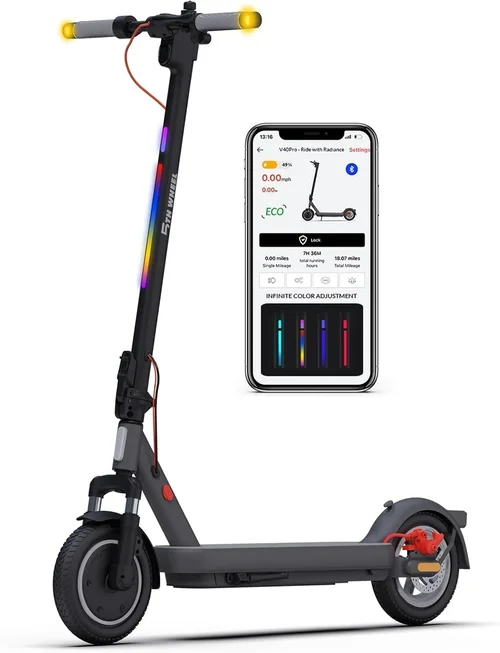
Electric scooters have evolved from niche urban curiosities into mainstream transportation solutions—offering a blend of convenience, eco-friendliness, and cost-efficiency that’s hard to ignore. Whether you’re commuting across city blocks, running errands, or simply exploring your neighborhood, the right electric scooter can transform how you move. But with dozens of brands flooding the market—from budget-friendly newcomers to established engineering powerhouses—choosing the best electric scooter brand isn’t just about picking the shiniest model. It’s about finding a balance between performance, reliability, safety, and value that aligns with your lifestyle, budget, and expectations.
This comprehensive buying guide is designed to cut through the noise and help you make an informed decision in 2026. We’ll walk you through the essential factors to consider when evaluating electric scooters, compare top brands and models across different categories, highlight common pitfalls to avoid, and provide expert-backed recommendations tailored to various needs and budgets. By the end, you’ll not only know which brands stand out—but also why they matter for your specific use case. Whether you’re a first-time buyer or upgrading from an older model, this guide equips you with the knowledge to invest wisely in a scooter that lasts, performs, and delivers real-world value.
The electric scooter market has matured significantly over the past decade. What once was dominated by a handful of startups now features robust competition from global electronics giants, automotive spin-offs, and specialized micromobility companies. Brands like Xiaomi, Segway-Ninebot, Gotrax, Apollo, Dualtron, and Unagi have carved out distinct niches—from ultra-portable commuters to high-speed off-road beasts. Meanwhile, advancements in battery technology, motor efficiency, and smart connectivity have pushed the boundaries of what these compact vehicles can do. Yet, despite this progress, quality varies wildly. Some brands prioritize flashy specs over real-world durability, while others cut corners on safety features to hit lower price points. That’s why understanding what truly matters—beyond marketing buzzwords—is critical to finding the best electric scooter brand for your needs.
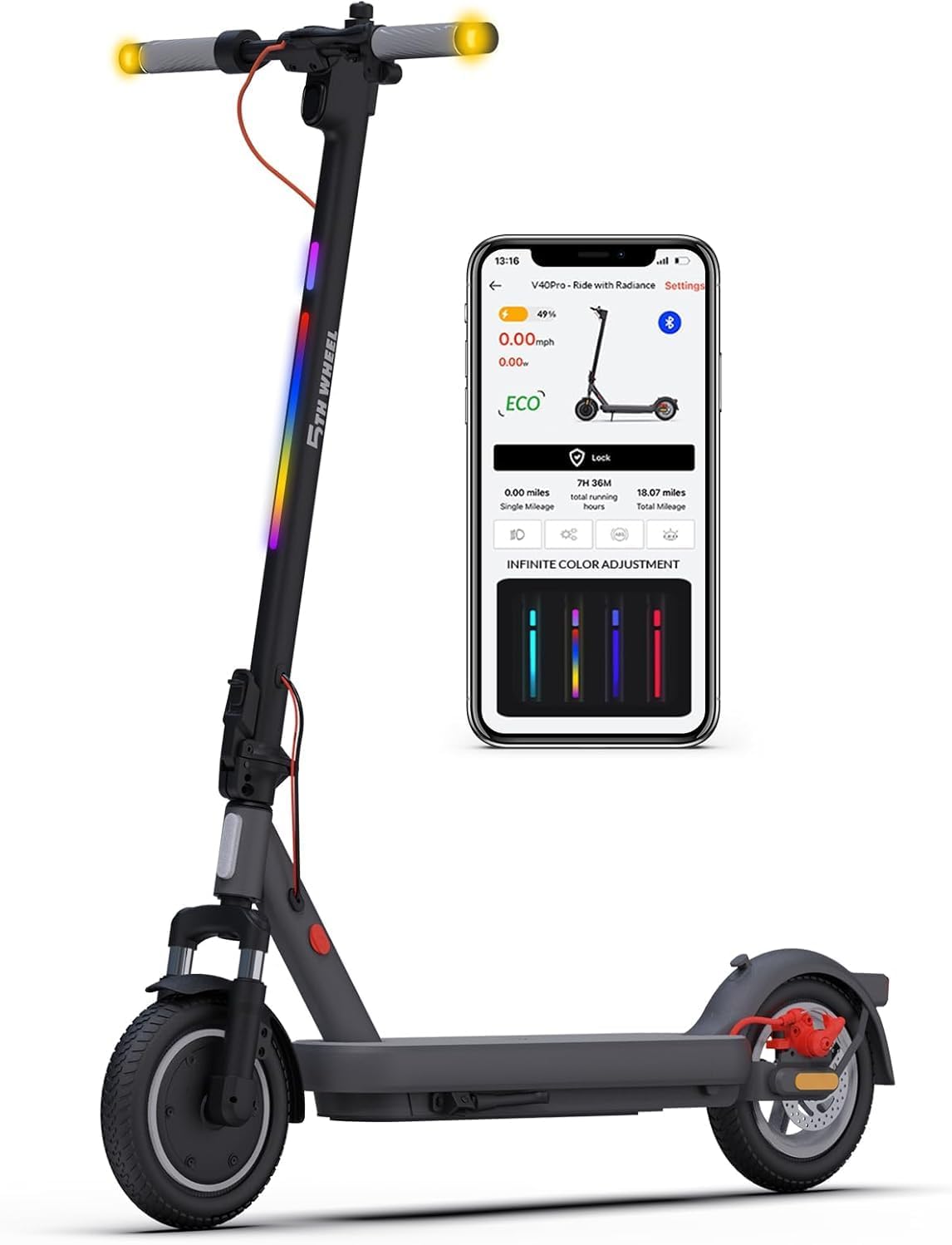
What to Look for When Buying Gotrax
1. Budget & Price Range
Your budget is the foundation of any purchase decision, and electric scooters are no exception. Prices range dramatically—from under $200 for basic entry-level models to over $3,000 for premium performance machines. While it’s tempting to go for the cheapest option, skimping too much often leads to disappointment: weak motors, short battery life, flimsy frames, and poor after-sales support. Conversely, spending excessively on features you’ll never use is equally wasteful. A realistic budget should reflect your intended usage. For casual riders making short trips under 5 miles, a $300–$500 scooter may suffice. Daily commuters covering 10+ miles should aim for $600–$1,200. Enthusiasts or those needing off-road capability might justify spending $1,500+. Always factor in potential add-ons like helmets, locks, or extended warranties.
2. Performance Specifications
Performance isn’t just about top speed—it’s a combination of motor power, range, acceleration, and hill-climbing ability. Motor wattage (measured in watts) directly impacts torque and speed; a 250W motor suits flat urban routes, while 500W–1000W motors handle hills and heavier riders. Range depends on battery capacity (measured in watt-hours, or Wh), riding conditions, rider weight, and terrain. Don’t take manufacturer range claims at face value—real-world results are often 20–30% lower. For example, a scooter advertised with a 25-mile range might realistically deliver 18–20 miles. Acceleration matters for merging into traffic or avoiding obstacles, and hill grade capability (e.g., 15% incline) determines whether your scooter can handle your local topography. Always cross-check specs with independent reviews for accuracy.
3. Build Quality & Durability
A scooter’s lifespan hinges on its construction. Look for aircraft-grade aluminum frames, reinforced decks, and quality welds—not plastic composites that crack under stress. Check wheel type: pneumatic (air-filled) tires offer superior shock absorption and grip but require maintenance; solid or honeycomb tires are puncture-proof but deliver a rougher ride. Suspension systems (front, rear, or dual) significantly improve comfort on uneven surfaces. Water resistance ratings (IPX4 or higher) indicate protection against splashes and light rain—critical if you ride in variable weather. Brands that use standardized, replaceable parts (like common brake pads or tube sizes) make long-term ownership easier and cheaper. Avoid models with proprietary components that lock you into expensive brand-specific repairs.
4. Features & Functionality
Modern electric scooters come packed with features, but not all are equally useful. Essential features include reliable braking (disc brakes > drum > foot brakes), bright LED headlights and taillights for visibility, and a clear, backlit display showing speed, battery, and mode. Regenerative braking can slightly extend range by converting kinetic energy back into battery charge. App connectivity enables firmware updates, ride tracking, anti-theft locking, and customization of speed modes—but only if the app is stable and regularly updated. Avoid gimmicks like built-in speakers or excessive RGB lighting unless they genuinely enhance your experience. Prioritize functionality that improves safety, convenience, or ride quality.
5. Brand Reputation
Not all brands are created equal. Established names like Segway-Ninebot and Xiaomi have proven track records, global service networks, and transparent customer support. Emerging brands may offer innovative designs or aggressive pricing, but they often lack long-term reliability data or spare parts availability. Research brand history: How long have they been in business? Do they honor warranties promptly? Are there consistent complaints about specific models? Community forums, Reddit threads, and YouTube reviews from long-term owners provide invaluable insights beyond glossy product pages. A reputable brand doesn’t just sell you a scooter—it stands behind it.
6. Warranty & Support
A strong warranty is a sign of confidence in product quality. Most reputable brands offer at least a 12-month limited warranty covering motors, batteries, and electronics. Premium brands may extend this to 18–24 months or offer modular warranties (e.g., 6 months on batteries, 12 on frame). Read the fine print: many warranties exclude “wear and tear” items like tires or brake pads, and some require registration within days of purchase. Customer support responsiveness matters too—can you reach a human quickly? Is repair service available locally, or do you need to ship the scooter overseas? Brands with U.S.-based support centers (like Apollo or Unagi) typically resolve issues faster than those relying on overseas distributors.
7. Size & Portability
If you plan to carry your scooter on public transit, store it in a small apartment, or lift it upstairs, portability is non-negotiable. Weight matters—most commuter scooters weigh 25–35 lbs; anything over 40 lbs becomes cumbersome. Foldability should be quick and secure, with a locking mechanism that prevents accidental unfolding. Deck size affects foot comfort, especially on longer rides, while handlebar height should suit your stature. Some ultra-portable models sacrifice stability for lightness, so test ride if possible. Consider wheel size too: smaller wheels (6–8 inches) are lighter but less stable; larger wheels (10+ inches) roll over bumps better but add bulk.
8. User Reviews & Ratings
Never rely solely on manufacturer claims. Aggregate user reviews from trusted platforms (Amazon, Best Buy, specialized forums like ESG or Reddit’s r/ElectricScooters) reveal patterns in real-world performance. Look for consistent praise or complaints—e.g., “battery degrades after 6 months” or “excellent customer service.” Be wary of fake reviews: overly generic praise (“Great product!”) or identical phrasing across multiple accounts. Video reviews are especially helpful—they show actual ride quality, folding mechanisms, and noise levels. Pay attention to long-term owners (6+ months) who discuss durability and maintenance costs.
Different Types of Gotrax

Common Buying Mistakes to Avoid
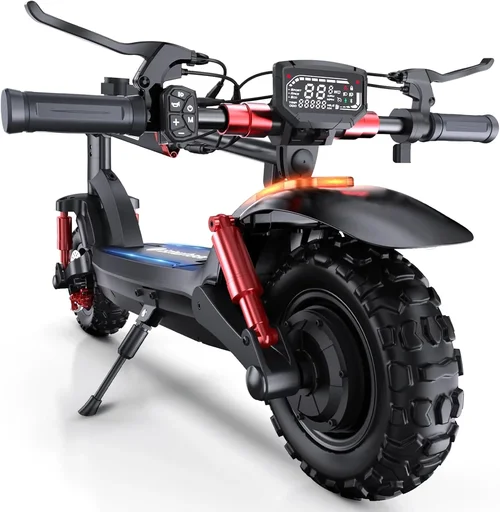
❌ Mistake: Chasing Maximum Speed Alone
Why it’s bad: High top speeds often come at the expense of range, safety, and legal compliance. Many cities limit e-scooter speeds to 15–20 mph, and exceeding these can result in fines or accidents. Additionally, faster scooters typically have shorter battery life and may lack adequate braking systems for safe stopping.
What to do instead: Prioritize balanced performance—adequate speed for your route, strong brakes, and sufficient range. Test ride at target speeds to ensure stability and control.
❌ Mistake: Ignoring Local Laws and Regulations
Why it’s bad: Riding an illegal scooter can lead to confiscation, fines, or liability in accidents. Regulations vary widely: some cities ban e-scooters on sidewalks, require helmets, or restrict motor power.
What to do instead: Research your local micromobility laws before buying. Choose a scooter that complies with regional limits on speed, weight, and equipment (e.g., lights, bells).
❌ Mistake: Overlooking Battery Realism
Why it’s bad: Manufacturers often quote ideal-condition range (flat terrain, light rider, no wind). In reality, hills, headwinds, and heavier loads drastically reduce range, leaving you stranded.
What to do instead: Divide advertised range by 1.3 to estimate real-world performance. Always buy a scooter with at least 20–30% more range than your daily needs.
❌ Mistake: Skipping the Test Ride
Why it’s bad: Spec sheets don’t reveal ride feel—vibration, handlebar wobble, brake responsiveness, or comfort on bumps. A scooter that looks great on paper might be unpleasant or unsafe in practice.
What to do instead: Visit local retailers or rental stations to test ride. If unavailable, watch detailed video reviews showing real-world handling.
❌ Mistake: Neglecting After-Sales Support
Why it’s bad: Scooters have moving parts that wear out. Without accessible repair services or spare parts, a minor issue can render your scooter unusable.
What to do instead: Choose brands with local service centers or strong online support. Check spare part availability and average repair costs before purchasing.
❌ Mistake: Buying Based Solely on Price
Why it’s bad: The cheapest scooter often costs more long-term due to frequent repairs, short lifespan, or poor resale value. Conversely, overspending on unused features wastes money.
What to do instead: Calculate total cost of ownership—including maintenance, replacements, and potential upgrades. Invest in quality where it matters most for your use case.
Budget Guidelines: How Much Should You Spend?
Entry-Level ($150–$400): These scooters suit occasional riders, kids, or those testing the waters. Expect modest motors (250W or less), limited range (8–15 miles), basic builds, and minimal features. Brands like Gotrax and Razor dominate this space. Ideal for short, flat commutes under 3 miles. Sacrifices include weaker brakes, smaller wheels, and shorter warranties.
Mid-Range ($400–$900): The sweet spot for most urban commuters. You’ll find reliable 350W–500W motors, 15–25 mile ranges, better suspension, and improved safety features. Brands like Xiaomi, Segway-Ninebot, and Apollo offer excellent value here. Build quality is solid, and warranties typically cover 12 months. Perfect for daily 5–10 mile trips with occasional hills.
Premium ($900–$1,800): Designed for serious riders and long-distance commuters. Expect 600W–1000W motors, 25–40 mile ranges, dual suspension, hydraulic brakes, and smart features like app integration and regenerative braking. Dualtron, Kaabo, and Unagi excel in this tier. These scooters handle varied terrain, heavier riders, and daily abuse with ease.
Luxury ($1,800+): For enthusiasts, tech lovers, or those seeking the ultimate ride. Features include carbon fiber components, advanced battery management, customizable ride modes, and top-tier materials. Models like the Dualtron Thunder 3 or Apollo Phantom offer speeds over 40 mph and ranges exceeding 50 miles. Justified only if you demand peak performance or use your scooter professionally.
Expert Tips for Getting the Best Deal
1. Time Your Purchase Strategically: Major sales occur during Black Friday, Cyber Monday, Amazon Prime Day, and back-to-school seasons. Some brands also offer end-of-year clearance discounts as new models launch. Sign up for brand newsletters to get early access to deals.
2. Buy from Authorized Retailers: Purchasing directly from the manufacturer or authorized dealers (like Best Buy, REI, or specialized e-mobility stores) ensures warranty validity and access to genuine parts. Avoid third-party sellers on marketplaces with unclear return policies.
3. Leverage Price Matching: Many retailers (e.g., Best Buy, Walmart) offer price matching. If you find a lower price elsewhere, they’ll often honor it—just have the link ready.
4. Check Return Policies: A generous return window (30 days or more) lets you test the scooter in real conditions. Avoid brands with restocking fees or short trial periods.
5. Bundle Accessories: Some retailers offer discounts when you buy a scooter with a helmet, lock, or phone mount. These bundles can save $50–$100 compared to buying separately.
6. Monitor Refurbished Programs: Brands like Segway and Apollo sell certified refurbished scooters with full warranties at significant discounts. These are rigorously tested and often indistinguishable from new.
7. Join Owner Communities: Forums and Facebook groups often share exclusive discount codes, flash sales, or group-buying opportunities. Members also trade tips on maintenance and upgrades.
8. Negotiate Extended Warranties: If offered, compare the cost of extended coverage against potential repair expenses. For high-end scooters, it may be worthwhile—but for budget models, it’s usually not cost-effective.

Frequently Asked Questions
Q: How long do electric scooter batteries last?
A: Most lithium-ion batteries retain 80% capacity after 500–800 charge cycles, translating to 2–4 years of daily use. Proper care—avoiding full discharges, storing at 50% charge in cool conditions, and using the correct charger—can extend lifespan significantly.
Q: Can I ride an electric scooter in the rain?
A: Only if it has an IPX4 rating or higher. IPX4 protects against splashes from any direction, making light rain manageable. However, avoid deep puddles, heavy downpours, or submersion, as water can damage electronics and motors.
Q: Are electric scooters safe?
A: When used responsibly, yes. Wear a helmet, obey traffic laws, avoid distracted riding, and maintain your scooter regularly. Choose models with reliable brakes, good lighting, and stable builds. Safety also depends on infrastructure—bike lanes and smooth pavement reduce risk.
Q: Do I need insurance for my electric scooter?
A: In most U.S. states, no—but check local laws. However, adding liability coverage to your homeowner’s or renter’s insurance is wise, especially for high-speed models. Some cities require registration or insurance for rental scooters.
Q: How fast can electric scooters go?
A: Entry-level models cap at 15–20 mph, while performance scooters reach 30–45 mph. Off-road and racing models can exceed 50 mph. Always prioritize control over speed—higher velocities require better brakes, suspension, and rider skill.
Q: Can I take my scooter on public transit?
A: Most buses and trains allow folded scooters, but policies vary. Check with your local transit authority. Lightweight, compact models are easiest to manage in crowded spaces.
Q: What’s the difference between hub motors and belt drives?
A: Hub motors are integrated into the wheel—simple, quiet, and low-maintenance but less serviceable. Belt drives use a motor connected via belt to the wheel—offer better torque and hill-climbing but require periodic belt tensioning and replacement.
Q: How do I maintain my electric scooter?
A: Regularly check tire pressure (if pneumatic), tighten bolts, clean the deck and wheels, lubricate moving parts, and inspect brakes. Store indoors when not in use, and charge the battery monthly if unused for long periods.
Q: Are electric scooters eco-friendly?
A: Compared to cars, yes—they produce zero direct emissions and use far less energy per mile. However, manufacturing and battery disposal have environmental impacts. Choosing durable, repairable models maximizes sustainability.
Our Final Recommendations
Best for Budget-Conscious Buyers: Gotrax GXL V2 – At around $350, it offers reliable 250W performance, 15-mile range, and solid build quality for casual riders. Great for students or short urban trips.
Best Overall Value: Segway-Ninebot ES2 – Priced near $600, it balances portability, 15.5 mph speed, 15-mile range, and premium features like app control and LED underglow. Ideal for daily commuters.
Best Premium Option: Apollo Explore – For $1,299, you get a 600W motor, 31-mile range, dual suspension, and excellent customer support. Perfect for long commutes and varied terrain.
Best for Beginners: Xiaomi Mi Electric Scooter 3 – Simple controls, intuitive ride, and trusted brand reputation make this $549 scooter ideal for first-timers. Lightweight and easy to fold.
Best for Advanced Users: Dualtron Ultra 3 – With a 5,400W dual motor, 75-mile range, and 50+ mph top speed, this $3,490 beast is for thrill-seekers and professionals who demand peak performance.
Conclusion: Making the Right Choice
Choosing the best electric scooter brand isn’t about finding the “perfect” scooter—it’s about finding the right fit for your life. By prioritizing key factors like budget, performance, build quality, and support, you avoid costly mistakes and invest in a vehicle that serves you reliably for years. Remember: the most expensive model isn’t always the best, and the cheapest often costs more in the long run. Use this guide to clarify your needs, compare options objectively, and leverage expert tips to secure the best deal.
Whether you’re navigating city streets, exploring trails, or simply reducing your carbon footprint, your electric scooter should enhance—not hinder—your journey. Take your time, do your research, and don’t hesitate to ask questions. The right scooter is out there—and with the insights from this guide, you’re now equipped to find it confidently. Happy riding!