

Whether you’re zipping through city streets on your moped to beat traffic or exploring scenic backroads on a weekend adventure, having reliable access to your smartphone is no longer a luxury—it’s a necessity. From GPS navigation and music streaming to emergency calls and ride tracking, your phone plays a central role in modern moped riding. But without a secure, vibration-resistant, and weatherproof phone holder, that convenience can quickly turn into frustration—or worse, a safety hazard. That’s why choosing the right phone holder for your moped isn’t just about mounting your device; it’s about ensuring safety, functionality, and peace of mind every time you hit the road.
This comprehensive buying guide is designed to help you navigate the crowded market of moped phone holders with confidence. Whether you’re a daily commuter, a weekend explorer, or someone who just wants to stay connected while riding, we’ll walk you through everything you need to know to make an informed decision. You’ll learn how to evaluate key features like build quality, mounting systems, vibration dampening, and weather resistance. We’ll compare different types of holders, highlight common pitfalls to avoid, and provide expert-backed recommendations tailored to various budgets and use cases. By the end of this guide, you’ll have a clear understanding of what makes a phone holder truly “best” for moped use—and how to find the one that fits your lifestyle.
The market for moped phone holders has exploded in recent years, driven by the rise of electric mopeds, scooters, and urban micromobility. With so many options available—from ultra-cheap plastic clamps to rugged, military-grade mounts—it’s easy to get overwhelmed. Some prioritize affordability, others emphasize durability, and a growing number integrate advanced features like wireless charging, 360-degree rotation, and anti-theft locking. But not all holders are created equal, and what works for a bicycle may not hold up on a moped, which typically experiences higher speeds, more vibration, and exposure to harsher conditions. This guide cuts through the noise, offering a detailed, expert-level analysis to help you find the perfect balance of performance, reliability, and value.

What to Look for When Buying a Moped Phone Holder
1. Vibration Dampening & Shock Absorption
One of the most critical—and often overlooked—features in a moped phone holder is vibration dampening. Mopeds, especially older models or those with less refined suspension systems, generate significant high-frequency vibrations that can damage your phone’s internal components over time. These vibrations are particularly harmful to camera modules, sensors, and battery connections. A quality phone holder should include built-in shock absorption technology, such as silicone padding, rubberized grips, or spring-loaded suspension systems, to isolate your device from these harmful forces.
Look for holders that specifically mention “anti-vibration” or “shockproof” design. Some premium models use dual-stage dampening, combining soft-touch materials with mechanical isolators. For example, the Quad Lock Vibration Dampener is a popular aftermarket accessory designed to work with compatible mounts, reducing vibration transmission by up to 90%. Without proper dampening, even the sturdiest clamp can become a liability, slowly degrading your phone’s performance and lifespan.
2. Secure Mounting System
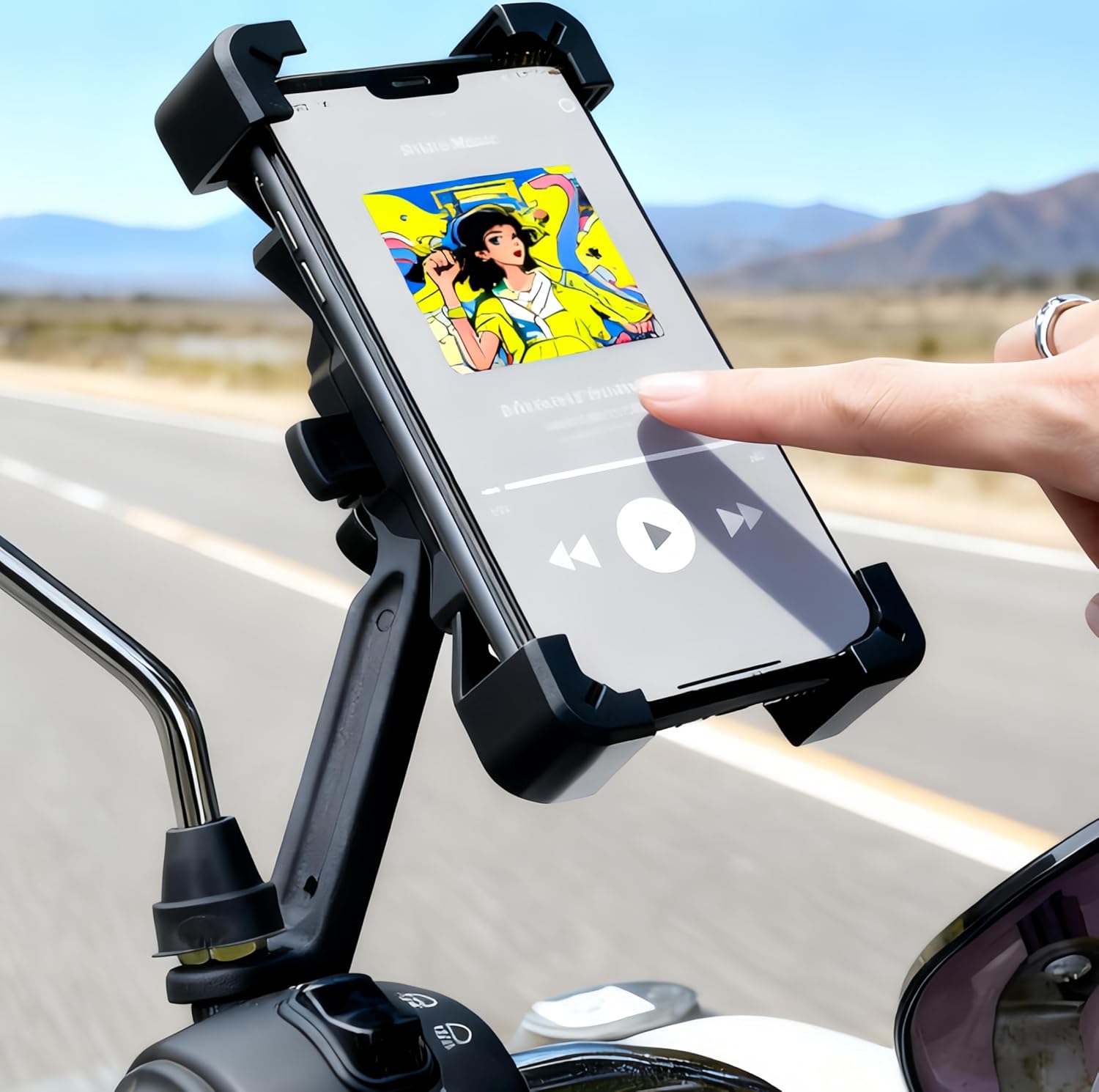
A phone holder is only as good as its ability to stay attached to your moped. A loose or wobbly mount not only distracts you while riding but can also lead to your phone falling—potentially causing damage or creating a road hazard. The mounting system should be compatible with your moped’s handlebar diameter, which typically ranges from 22mm to 32mm. Most quality holders come with adjustable clamps or universal adapters to fit a wide range of bars.
Consider the type of mounting mechanism: U-bolt clamps are common and effective, but ball-and-socket systems offer greater adjustability and stability. Quick-release mechanisms are convenient for removing your phone quickly, but ensure they lock securely to prevent accidental detachment. Avoid holders that rely solely on friction or weak plastic clips—these are prone to slipping, especially on bumpy roads. A secure mount should feel solid when installed, with no lateral movement or creaking under pressure.
3. Weather Resistance & IP Rating
Mopeds are exposed to the elements—rain, dust, UV rays, and temperature extremes—all of which can degrade both the holder and your phone. A weather-resistant phone holder is essential for riders in rainy climates or those who commute year-round. Look for products with an IP (Ingress Protection) rating, such as IP65, IP67, or higher. An IP65 rating means the holder is dust-tight and protected against water jets, while IP67 indicates it can withstand immersion in water up to 1 meter for 30 minutes.
Even if your phone is water-resistant, prolonged exposure to moisture can compromise seals and ports. A good holder should include a protective cover or case that shields your device from direct rain and splashes. Some models feature full enclosures with transparent touch-sensitive windows, allowing you to use your phone without removing it. Additionally, UV-resistant materials prevent fading and cracking over time, ensuring your holder remains functional and visually appealing.
4. Phone Compatibility & Adjustability
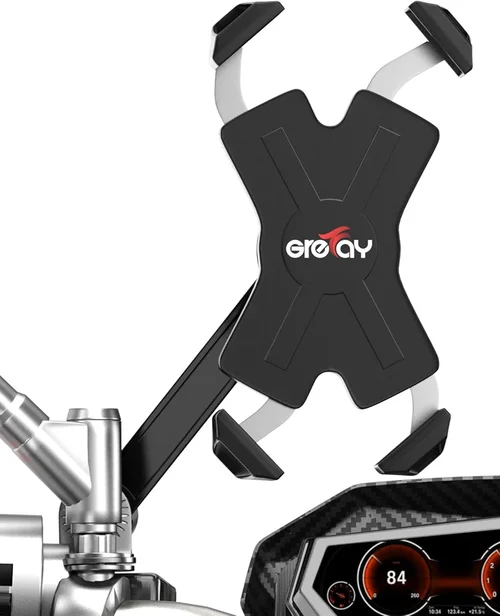
Not all phones are the same size, and your holder should accommodate a range of devices—from compact models like the iPhone SE to large-screen phones like the Samsung Galaxy S24 Ultra. A versatile holder should offer adjustable arms or expandable grips that securely hold phones between 4.7 and 7 inches in diagonal size. Look for models with spring-loaded clamps or ratcheting mechanisms that provide a snug fit without over-tightening.
Adjustability also extends to viewing angles. A good holder should allow for 360-degree rotation and tilt, enabling you to position your phone in portrait or landscape mode for optimal visibility. This is especially important for GPS navigation, where screen orientation can affect readability. Some advanced models include magnetic mounts with strong neodymium magnets, offering quick attachment and smooth rotation. However, ensure the magnet doesn’t interfere with your phone’s compass or wireless charging.
5. Build Quality & Durability
Durability is non-negotiable when it comes to moped accessories. Your phone holder will be subjected to constant movement, temperature changes, and physical stress. Cheap plastic holders may crack or warp under pressure, while low-grade metals can corrode or bend. Opt for holders made from high-strength materials such as reinforced polycarbonate, aircraft-grade aluminum, or stainless steel.
Pay attention to construction details: welded joints, reinforced stress points, and powder-coated finishes all contribute to longevity. A well-built holder should feel substantial in your hands—not flimsy or lightweight. Read user reviews to see how the product holds up over months of use. A durable holder not only protects your phone but also saves you money in the long run by avoiding frequent replacements.
6. Ease of Installation & Removal
You shouldn’t need a toolkit and 20 minutes to install your phone holder every time you ride. The best holders are designed for quick, tool-free setup—often using hand-tightened knobs or lever-based clamps. This is especially important if you plan to remove the holder when parking in high-theft areas or storing your moped.
Similarly, removing your phone should be fast and intuitive. Look for one-handed operation, where you can detach your device with a simple press or slide. Some models include quick-release buttons or magnetic systems that allow instant access. Avoid designs that require multiple steps or force you to fumble with tiny screws while wearing gloves.
7. Additional Features & Functionality
Beyond basic mounting, many modern phone holders offer enhanced features that improve usability and safety. Wireless charging is a standout option, allowing you to power your phone while riding without dealing with cables. Look for Qi-compatible chargers with fast-charging support (15W or higher) and thermal management to prevent overheating.
Other useful features include integrated kickstands for parking, anti-theft locks, and built-in cable management systems. Some holders even include Bluetooth connectivity or companion apps for firmware updates and diagnostics. While these extras aren’t essential, they can significantly enhance your riding experience—especially for long-distance commuters or tech-savvy users.
8. Brand Reputation & Customer Support
Not all brands are created equal. Established manufacturers like Quad Lock, SP Connect, RAM Mounts, and Rokform have built reputations for quality, innovation, and reliability. These companies often invest in rigorous testing, offer comprehensive warranties, and provide responsive customer support. In contrast, generic or no-name brands may cut corners on materials and design, leading to premature failure.
Research the brand’s history, read professional reviews, and check user feedback on forums and e-commerce platforms. A reputable brand will stand behind its product with a solid warranty—typically 1–2 years—and offer replacement parts or repair services. This level of support can be invaluable if you encounter issues down the line.
Different Types of Moped Phone Holders
Common Buying Mistakes to Avoid
❌ Mistake: Prioritizing Price Over Quality
Why it’s bad: Opting for the cheapest phone holder available often leads to disappointment. Low-cost models typically use flimsy materials, lack vibration protection, and fail within weeks of use. A $15 holder may seem like a bargain, but if it breaks and damages your $1,000 phone, you’ve actually lost money.
What to do instead: Invest in a mid-range or premium holder from a reputable brand. Look for products in the $40–$80 range that offer proven durability and features. Think of it as protecting your phone—and your safety—rather than just buying a mount.
❌ Mistake: Ignoring Vibration Dampening
Why it’s bad: Many riders assume that as long as the phone doesn’t fall, the holder is doing its job. But constant vibration can cause micro-cracks in your phone’s internal components, leading to camera blur, sensor failure, or battery issues over time.
What to do instead: Always choose a holder with built-in shock absorption. If your preferred model doesn’t include it, consider adding a separate vibration dampener. This small investment can extend your phone’s lifespan significantly.
❌ Mistake: Overlooking Weather Protection
Why it’s bad: Riding in the rain with a non-waterproof holder can result in water seeping into your phone’s ports, causing corrosion or short circuits. Even in dry climates, dust and UV exposure can degrade both the holder and your device.
What to do instead: Select a holder with an IP65 or higher rating and a protective cover. If you ride frequently in wet conditions, consider a fully enclosed model with a touch-sensitive window.
❌ Mistake: Choosing the Wrong Mounting Location
Why it’s bad: Mounting your phone too high or too low can create blind spots or force you to take your eyes off the road. Placing it near the throttle or brake levers can also interfere with controls.
What to do instead: Position the holder within your natural line of sight—typically just below the handlebars or on the stem. Test different locations during a short ride to find the most comfortable and safe angle.
❌ Mistake: Neglecting Phone Compatibility
Why it’s bad: A holder that doesn’t fit your phone securely can lead to slippage, screen damage, or accidental drops. Oversized grips may scratch your device, while undersized ones won’t hold it at all.
What to do instead: Measure your phone’s dimensions and check the holder’s specifications. Look for adjustable arms or universal cases that accommodate your specific model. Some brands offer phone-specific adapters for a perfect fit.
❌ Mistake: Skipping User Reviews
Why it’s bad: Product descriptions often highlight the best features while downplaying flaws. Without real-world feedback, you might end up with a holder that looks great online but performs poorly in practice.
What to do instead: Read verified customer reviews on multiple platforms. Pay attention to comments about long-term durability, vibration resistance, and ease of use. Look for photos or videos of the product in action.
❌ Mistake: Forgetting About Theft Prevention
Why it’s bad: Leaving your phone mounted on a moped in public areas makes it an easy target for thieves. A quick snatch can result in lost data, financial risk, and the cost of replacing your device.
What to do instead: Choose a holder with a locking mechanism or quick-release feature that allows you to remove the phone easily. Consider using a security cable or storing the phone in a locked compartment when parked.
Budget Guidelines: How Much Should You Spend?
Entry-Level ($15 – $35): These budget options are best suited for occasional riders or those testing the waters. You can expect basic plastic construction, minimal vibration protection, and limited adjustability. While some models in this range perform adequately, they often lack durability and weather resistance. Ideal for short commutes in fair weather, but not recommended for daily or long-distance use.
Mid-Range ($35 – $70): This is the sweet spot for most moped riders. Holders in this tier offer a balance of quality, features, and affordability. You’ll find models with aluminum construction, silicone padding, IP ratings, and 360-degree rotation. Brands like SP Connect and Rokform offer excellent options here, often including vibration dampeners and quick-release systems. Perfect for daily commuters and weekend adventurers.
Premium ($70 – $120): Designed for enthusiasts and professionals, premium holders deliver top-tier performance and reliability. Expect military-grade materials, advanced shock absorption, wireless charging, and anti-theft features. These models are built to withstand extreme conditions and frequent use. Ideal for long-distance touring, off-road mopeds, or riders who demand the best.
Luxury ($120+): At this level, you’re paying for cutting-edge technology, bespoke design, and brand prestige. These holders often include smart features like app integration, GPS tracking, and modular ecosystems. While not necessary for most riders, they offer unparalleled convenience and peace of mind for those who ride in challenging environments or value innovation.
Expert Tips for Getting the Best Deal
1. Buy During Off-Season Sales: Many retailers offer discounts on moped accessories during winter months when demand is low. Look for Black Friday, Cyber Monday, or end-of-season clearance events to save 20–40%.
2. Bundle with Other Accessories: Some brands offer package deals that include a phone holder, vibration dampener, and case at a reduced price. This can be more cost-effective than buying items separately.
3. Check Manufacturer Websites: Brands often run exclusive promotions, offer extended warranties, or provide free shipping directly through their sites. Sign up for newsletters to receive early access to sales.
4. Consider Refurbished or Open-Box Items: Certified refurbished holders from reputable sellers can offer significant savings without sacrificing quality. Ensure they come with a warranty and are inspected for defects.
5. Read the Fine Print on Warranties: A long warranty is only valuable if it covers real issues. Check what’s included—does it cover accidental damage, water exposure, or wear and tear? Avoid brands with overly restrictive terms.
6. Test Before Committing: If possible, visit a local dealer or friend who uses a similar holder. Try installing it, adjusting the angle, and simulating ride conditions. Hands-on experience can reveal flaws not apparent in photos.
7. Use Price Tracking Tools: Websites like Honey, CamelCamelCamel, or Keepa can alert you when prices drop on your desired model. This is especially useful for premium holders that rarely go on sale.
8. Prioritize Return Policies: Choose retailers with generous return windows (30 days or more) in case the holder doesn’t fit your moped or meet your expectations. Free return shipping is a major plus.

Frequently Asked Questions
Q: Can I use a bicycle phone holder on my moped?
A: While some bicycle holders may physically fit, they’re not ideal for mopeds due to higher speeds and vibration levels. Mopeds generate more intense shocks and are often exposed to harsher conditions. A dedicated moped holder with superior vibration dampening and weather resistance is strongly recommended.
Q: Will a phone holder interfere with my moped’s controls?
A: It depends on the mounting location and design. Avoid placing the holder directly over the throttle, brake levers, or instrument cluster. Opt for stem or mirror mounts if handlebar space is limited. Always test the setup before riding at speed.
Q: Do I need a special case for my phone?
A: Some holders require a compatible case (e.g., Quad Lock cases), while others use universal clamps. If you prefer not to use a case, look for holders with adjustable arms or rubberized grips that secure your phone directly. Ensure the holder doesn’t block ports or buttons.
Q: How do I clean and maintain my phone holder?
A: Wipe the holder with a damp cloth and mild soap regularly to remove dirt and grime. Avoid harsh chemicals that can degrade rubber or plastic. Check bolts and clamps periodically for tightness, and replace worn padding or seals as needed.
Q: Can I charge my phone while it’s mounted?
A: Yes, many holders support charging via USB cables or wireless pads. Ensure the charging port is accessible and the cable is routed safely to avoid interference with controls. Wireless charging is convenient but may generate heat—look for models with ventilation.
Q: Are magnetic mounts safe for my phone?
A: Modern magnetic mounts use strong neodymium magnets that are generally safe for smartphones. However, they can interfere with compass readings or wireless charging if not properly shielded. Choose mounts with magnetic isolation technology to minimize risks.
Q: What if my moped has thick or irregular handlebars?
A: Look for holders with universal adapters or extension arms. Some brands offer custom clamps or shims to fit non-standard diameters. Alternatively, consider a stem or mirror mount that bypasses the handlebars entirely.
Q: How do I prevent theft of my phone while mounted?
A: Use a holder with a locking mechanism or quick-release feature. When parking, remove the phone and store it securely. Consider using a security cable or parking in well-lit, high-traffic areas.
Q: Can I use my phone for navigation in the rain?
A: Yes, if your holder has a waterproof cover and your phone is water-resistant. Ensure the screen remains responsive through the cover—some models use capacitive touch films for this purpose.
Q: Do phone holders affect GPS signal strength?
A: Generally, no. Most holders are designed to minimize signal interference. However, avoid models with large metal plates directly behind the phone, as they can block GPS, Wi-Fi, or cellular signals. Opt for holders with open-back designs or signal-boosting materials.
Our Final Recommendations
Best for Budget-Conscious Buyers: SP Connect Universal Handlebar Mount – At under $40, this aluminum holder offers excellent build quality, 360-degree rotation, and compatibility with SP’s ecosystem. It includes a vibration-reducing case and is easy to install. Ideal for riders who want reliability without breaking the bank.
Best Overall Value: Quad Lock Out Front Mount with Vibration Dampener – Priced around $65, this setup combines a sleek out-front design with industry-leading vibration protection. The patented dual-stage dampener and secure locking mechanism make it a favorite among commuters and tourers alike.
Best Premium Option: Rokform RokLock V3 with Wireless Charging – At $110, this holder delivers military-grade durability, magnetic and twist-lock security, and 15W wireless charging. Its CNC-machined aluminum construction and IP68 rating make it perfect for extreme conditions and long-distance riding.
Best for Beginners: RAM Mounts X-Grip with U-Bolt Base – This versatile system ($55) features spring-loaded arms that adjust to fit most phones and a rugged ball-and-socket design. It’s easy to set up, highly durable, and widely compatible—great for new riders learning the ropes.
Best for Advanced Users: SP Connect Pro Stem Mount with Anti-Theft Lock – Designed for performance-oriented riders, this $95 mount attaches directly to the stem for a low-profile, vibration-minimized setup. The integrated lock prevents theft, and the modular design supports add-ons like lights and cameras.
Conclusion: Making the Right Choice
Choosing the best phone holder for your moped is about more than just convenience—it’s about safety, reliability, and long-term value. Throughout this guide, we’ve explored the essential factors that separate a mediocre mount from a truly exceptional one: vibration dampening, secure mounting, weather resistance, and build quality. We’ve compared different types, highlighted common mistakes, and provided budget-friendly and premium recommendations to suit every rider’s needs.
Remember, the “best” holder isn’t necessarily the most expensive or feature-packed—it’s the one that aligns with your riding habits, environment, and priorities. A daily commuter in a rainy city will have different needs than a weekend explorer in dry, rural areas. Take the time to assess your requirements, read real user reviews, and invest in a product that will protect your phone and enhance your ride.
Ultimately, a quality phone holder is a small investment with big returns. It keeps you connected, helps you navigate, and ensures your device stays safe mile after mile. So don’t settle for less. Use this guide as your roadmap, make an informed decision, and enjoy the freedom of riding with confidence—knowing your phone is secure, accessible, and ready for whatever the road brings.