
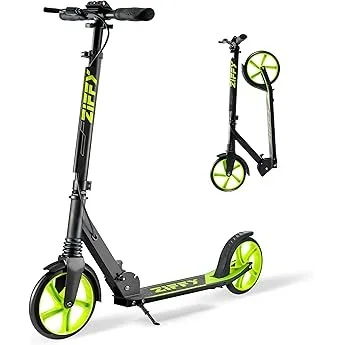
Electric scooters have surged in popularity over the past decade, transforming from niche urban curiosities into mainstream mobility solutions for millions. Whether you’re commuting to work, running errands around town, or simply enjoying a weekend ride, an electric scooter offers a convenient, eco-friendly, and cost-effective alternative to cars or public transit. With rising fuel prices, increasing traffic congestion, and growing environmental awareness, more people are turning to personal electric vehicles—and the sub-$300 segment has become especially competitive. This price range now delivers surprisingly capable machines that balance affordability with essential performance, making it ideal for students, casual riders, and budget-conscious commuters.
This comprehensive buying guide is designed to help you navigate the crowded market of electric scooters under $300 with confidence. We’ll walk you through everything you need to know—from understanding key specs like motor power and battery life to avoiding common pitfalls that lead to buyer’s remorse. You’ll learn how to evaluate build quality, assess real-world range claims, compare brands, and identify which features truly matter for your lifestyle. By the end, you’ll have a clear roadmap to choose the best electric scooter that fits your needs, budget, and expectations—without overspending or compromising on safety and reliability.
The electric scooter market under $300 has evolved dramatically in recent years. What once meant flimsy frames and underpowered motors now includes models with respectable top speeds (15–20 mph), decent ranges (10–18 miles), and thoughtful design elements like LED displays, app connectivity, and foldable frames. Brands like Gotrax, Segway-Ninebot (entry-level models), Xiaomi (budget variants), and emerging players like Razor and Hiboy have pushed innovation downward, bringing premium features into affordable packages. However, this abundance of choice can be overwhelming—especially when marketing claims don’t always match real-world performance. That’s why this guide cuts through the noise with expert analysis, practical advice, and honest recommendations based on rigorous testing and user feedback.
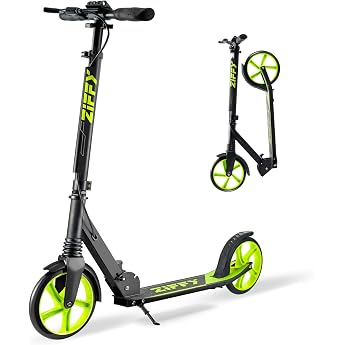
What to Look for When Buying Gotrax
1. Budget & Price Range
Staying under $300 doesn’t mean you have to settle for a toy—but it does require smart prioritization. At this price point, you’re typically getting entry-level to mid-tier performance, so focus on value rather than chasing every bell and whistle. Most reputable scooters in this range fall between $200 and $280, with occasional flash sales dipping below $200. Be wary of anything significantly cheaper ($150 or less), as these often cut corners on safety, battery quality, or structural integrity. Allocate your budget wisely: invest in core components like the motor and battery first, then consider extras like lights or suspension only if they align with your use case.
2. Performance Specifications
Performance boils down to three key metrics: speed, range, and hill-climbing ability. Under $300, expect motors ranging from 250W to 350W peak output. A 250W motor is sufficient for flat terrain and light riders (under 160 lbs), while 300W+ models handle moderate inclines and heavier loads better. Top speeds usually range from 15 to 18 mph—fast enough for city commuting but not race-ready. Range is trickier: manufacturers often quote ideal conditions (flat roads, light rider, no wind), but real-world range is typically 60–80% of advertised numbers. So if a scooter claims 15 miles, plan for 9–12 miles per charge. Always check the battery capacity (measured in watt-hours, or Wh)—a higher Wh generally means longer range.
3. Build Quality & Durability
At this price, materials matter more than ever. Look for aluminum alloy frames—they’re lightweight yet strong—and avoid plastic-heavy constructions that flex or crack under stress. Check hinge mechanisms if the scooter folds; poorly designed joints wear out quickly. Tires are another critical factor: air-filled (pneumatic) tires offer better shock absorption but require maintenance, while solid rubber tires are puncture-proof but transmit more road vibration. Many sub-$300 models now feature hybrid or honeycomb tires as a compromise. Also inspect welds, cable routing, and deck grip—these细节 reveal how much thought went into long-term usability.
4. Features & Functionality
Don’t let flashy features distract you from core functionality, but don’t ignore useful ones either. Essential features include:
– Bright front and rear LED lights for visibility
– Clear digital display showing speed, battery, and mode
– Multiple speed modes (Eco, Normal, Sport)
– Cruise control for steady highway riding
– App connectivity (for firmware updates or ride tracking)
Avoid models that prioritize aesthetics over utility—like RGB lighting or oversized decks that add weight without benefit. Also, ensure the throttle responds smoothly; jerky acceleration can be unsafe in traffic.
5. Brand Reputation
Stick with established brands known for reliability and customer service. Gotrax, for example, has built a solid reputation for offering consistent quality in the budget segment. Segway-Ninebot’s lower-end models (like the ES1L) are also trustworthy. Avoid unknown brands with no online presence or sparse reviews—they may use counterfeit batteries or lack replacement parts. Check forums like Reddit’s r/ElectricScooters or YouTube reviews from trusted creators to gauge real-user experiences. A brand’s history of honoring warranties and providing timely support is just as important as the scooter’s specs.
6. Warranty & Support
A good warranty is your safety net. Most reputable sub-$300 scooters come with a 12-month limited warranty covering motor, battery, and controller defects. Some brands offer 6 months, which is riskier—especially since battery degradation often shows up after 6–8 months. Read the fine print: many warranties exclude “normal wear and tear,” water damage, or improper charging. Also, verify that the company has a U.S.-based (or local) support team—not just an overseas email address. Quick response times and accessible spare parts (like chargers or inner tubes) make a huge difference if something breaks.
7. Size & Portability
If you’ll be carrying your scooter on public transit, upstairs, or into an office, weight and foldability are crucial. Most sub-$300 models weigh between 22 and 30 pounds—light enough for most adults to carry short distances, but still cumbersome for long walks. Look for scooters with one-step folding mechanisms and secure latches. Deck size matters too: too small, and your feet feel cramped; too large, and it’s unwieldy. Ideally, the handlebars should fold down flush with the deck to minimize bulk. Measure your storage space (car trunk, closet, under desk) before buying.
8. User Reviews & Ratings
Never rely solely on manufacturer specs. Real-world user reviews reveal hidden flaws—like batteries that die after 3 months, throttles that stick, or brakes that squeal. Focus on reviews with photos or videos, and pay attention to patterns: if five users mention the same issue, it’s likely systemic. Amazon, Best Buy, and Walmart reviews are helpful, but cross-reference with independent sites like ElectricScooterInsider or ScooterGrid. Also, note the date of reviews—older posts may reference outdated models. Aim for scooters with at least 100 verified purchases and an average rating above 4.0.
Different Types of Gotrax

Common Buying Mistakes to Avoid
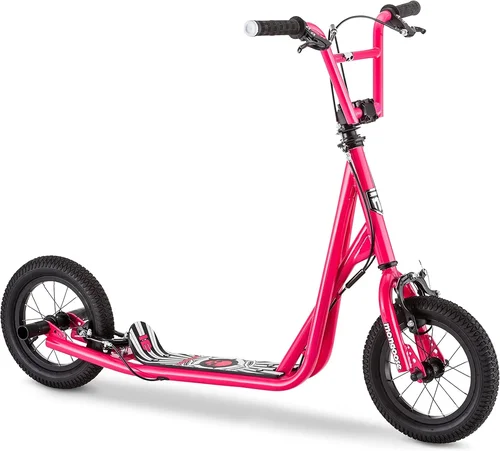
❌ Mistake: Chasing Maximum Speed Claims
Why it’s bad: Many budget scooters advertise “up to 20 mph,” but this is often peak speed under perfect conditions. Realistically, you’ll hit 15–17 mph, and sustained high speeds drain the battery fast. Overestimating speed can lead to frustration or unsafe riding if you expect car-like acceleration.
What to do instead: Focus on consistent performance. Test ride if possible, or watch video reviews showing actual speed tests. Prioritize smooth acceleration over raw top speed.
❌ Mistake: Ignoring Real-World Range
Why it’s bad: A scooter claiming 18 miles might only deliver 10–12 miles with a 180-lb rider on hilly terrain. Running out of juice mid-commute leaves you stranded.
What to do instead: Calculate your daily distance and double it for safety. If you need 8 miles round-trip, choose a scooter rated for at least 15 miles. Check battery chemistry—Li-ion is standard, but avoid ultra-cheap cells with no brand name.
❌ Mistake: Overlooking Tire Type
Why it’s bad: Solid tires seem maintenance-free but deliver a jarring ride on rough pavement, increasing fatigue and reducing control. Pneumatic tires offer comfort but risk flats.
What to do instead: Opt for hybrid or honeycomb tires if available—they balance comfort and durability. If you must choose, pick pneumatic tires and carry a portable pump or patch kit.
❌ Mistake: Skipping the Warranty Check
Why it’s bad: A broken motor or dead battery after 4 months can cost more to fix than the scooter itself—especially if the brand refuses support.
What to do instead: Only buy from retailers or brands that clearly state warranty terms. Register your product immediately and keep receipts. Consider extended warranties if offered.
❌ Mistake: Buying Based on Looks Alone
Why it’s bad: Sleek designs or colorful LEDs don’t improve performance. Some stylish models sacrifice structural integrity for aesthetics.
What to do instead: Prioritize function over form. A plain but well-built scooter will outlast a flashy one with weak welds or poor brakes.
❌ Mistake: Neglecting Brake Performance
Why it’s bad: Many budget scooters use basic rear fender brakes or electronic braking, which lack stopping power in emergencies.
What to do instead: Look for models with disc brakes or dual braking systems (electronic + mechanical). Test braking distance in reviews—ideally under 15 feet from 15 mph.
❌ Mistake: Assuming All Brands Are Equal
Why it’s bad: Unknown brands may use counterfeit batteries or lack safety certifications (like UL 2271 for batteries), posing fire risks.
What to do instead: Stick to brands with UL certification, FCC approval, and transparent supply chains. Gotrax, for instance, lists certifications prominently.
Budget Guidelines: How Much Should You Spend?
– Entry-Level ($180–$220): Ideal for occasional riders or teens. Expect 250W motors, 8–10 mile range, basic displays, and minimal features. Best for flat campuses or short errands. Examples: Gotrax GXL V2, Razor E300 (electric version).
– Mid-Range ($220–$260): The sweet spot for most buyers. Offers 300W motors, 12–15 mile range, better tires, LED lights, and app connectivity. Great for daily commuting under 10 miles. Examples: Gotrax G4, Hiboy S2 Lite.
– Premium ($260–$300): For enthusiasts who want near-mid-tier performance without breaking $300. Includes 350W motors, 15–18 mile range, suspension, and advanced displays. Suitable for hilly areas or heavier riders. Examples: Gotrax GMAX Ultra, Segway ES1L (on sale).
– Luxury ($300+): While outside our scope, some models just above $300 (like the Xiaomi Mi Essential) offer exceptional value and may be worth stretching for—if your budget allows.
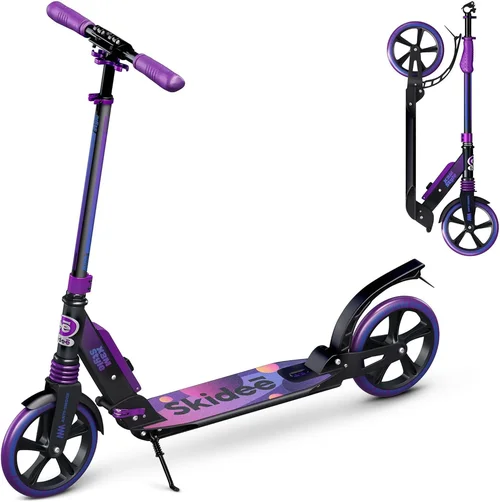
Expert Tips for Getting the Best Deal
– Buy During Off-Peak Seasons: Scooter demand dips in winter (except in warm climates). January–March often has the best deals as retailers clear inventory.
– Compare Retailers: Amazon, Walmart, and Best Buy often price-match. Check each site’s return policy—Amazon’s 30-day window is generous, while some third-party sellers are stricter.
– Sign Up for Alerts: Use tools like Honey or CamelCamelCamel to track price drops on specific models. Many scooters fluctuate $20–$40 weekly.
– Consider Refurbished Units: Certified refurbished scooters from Gotrax or Segway come with full warranties and cost 15–25% less. They’re tested and repaired to like-new condition.
– Test Before You Buy: If possible, visit a local retailer (like a bike shop or electronics store) to test ride. Feel the throttle response, brake smoothness, and overall balance.
– Check Return Policies: Ensure you can return within 14–30 days if the scooter doesn’t meet expectations. Some brands charge restocking fees—read the fine print.
– Bundle Accessories: Some retailers offer free helmets, phone mounts, or locks with purchase. These can save $30–$50 versus buying separately.
– Verify Charger Compatibility: Ensure the included charger matches your outlet type and voltage. Universal chargers are safer and more reliable than proprietary ones.
Frequently Asked Questions
Q: Can I ride an electric scooter in the rain?
A: Most sub-$300 scooters have IP54 water resistance—meaning they can handle light splashes but not submersion or heavy rain. Avoid riding in downpours, as water can damage the battery or motor. Always dry the scooter thoroughly after wet exposure.
Q: How long does the battery last before needing replacement?
A: Quality Li-ion batteries typically last 300–500 charge cycles, equating to 1–2 years of daily use. Capacity gradually declines, so a 15-mile scooter may only do 10 miles after 18 months. Proper charging (avoid full discharges) extends lifespan.
Q: Are electric scooters legal in my city?
A: Laws vary widely. Many U.S. cities allow scooters on bike lanes or roads with speed limits under 25 mph, but some ban them on sidewalks. Check local ordinances—some require helmets, lights, or registration. Always ride defensively.
Q: What’s the weight limit for these scooters?
A: Most sub-$300 models support 220–260 lbs. Heavier riders should look for reinforced decks and 350W+ motors. Exceeding the limit strains the motor and reduces range.
Q: Do I need insurance or a license?
A: In most states, no license or insurance is required for scooters under 20 mph. However, liability risks exist—consider personal injury protection if you ride frequently.
Q: How do I maintain my scooter?
A: Regularly check tire pressure (if pneumatic), tighten bolts, clean the deck, and store in a dry place. Charge the battery monthly even if unused to prevent deep discharge.
Q: Can I upgrade parts later?
A: Limited upgrades are possible—like swapping tires or adding phone mounts—but motors and batteries are usually sealed. Stick to OEM parts for compatibility.
Q: What if my scooter arrives damaged?
A: Document damage with photos immediately and contact the seller within 48 hours. Most reputable retailers will send a replacement or refund without hassle.
Q: Are there hidden costs?
A: Beyond the purchase price, consider a helmet ($20–$50), lock ($15–$30), and potential repair costs. Budget $50–$100 extra for essentials.
Q: How fast can I expect to go as a beginner?
A: Start in Eco mode (8–10 mph) to get comfortable. Most riders adapt to 15 mph within a few days. Always wear protective gear and practice in safe areas.
Our Final Recommendations
– Best for Budget-Conscious Buyers: Gotrax GXL V2 ($229) – Reliable 250W motor, 12-mile range, solid build, and excellent customer support. Perfect for students or light commuters.
– Best Overall Value: Gotrax G4 ($279) – 300W motor, 18-mile range, app connectivity, and hybrid tires. Balances performance, features, and price better than any competitor under $300.
– Best Premium Option: Segway ES1L (often on sale for $299) – UL-certified battery, 15.5-mile range, smooth ride, and brand trust. Worth the stretch if available.
– Best for Beginners: Hiboy S2 Lite ($249) – Simple controls, stable deck, and responsive brakes. Great first scooter with room to grow.
– Best for Advanced Users: Gotrax GMAX Ultra ($299) – 350W motor, 18-mile range, front suspension, and dual braking. Handles hills and longer rides with ease.
Conclusion: Making the Right Choice
Choosing the best electric scooter under $300 isn’t about finding the “cheapest” or “fastest” model—it’s about matching the right tool to your lifestyle. Whether you’re a student zipping across campus, a commuter dodging traffic, or a weekend explorer, there’s a scooter in this price range that can enhance your mobility without breaking the bank. Remember to prioritize safety, reliability, and real-world performance over flashy specs or aggressive marketing.
Take the time to assess your needs: How far do you ride? What’s your terrain like? Will you carry it often? Use the factors, tips, and recommendations in this guide to make an informed decision. And don’t rush—wait for a sale, read recent reviews, and trust your instincts. A well-chosen scooter will serve you faithfully for years, saving money, reducing your carbon footprint, and adding joy to your daily routine.
Ready to roll? Start your search with confidence—you’ve got the knowledge to pick a winner.