
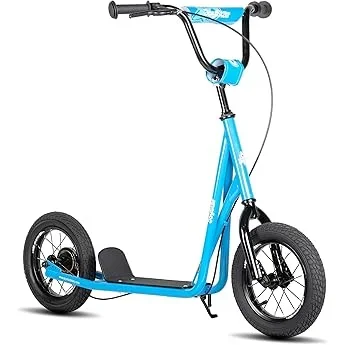
Motorized scooters for kids have evolved far beyond simple toys—they’re now sophisticated, safe, and fun personal mobility devices that blend recreation with practical transportation. Whether your child is zipping around the neighborhood, commuting to school, or just enjoying weekend adventures, a quality motorized scooter can offer hours of entertainment while encouraging outdoor activity. But with so many models flooding the market in 2026—ranging from ultra-budget options to high-performance machines—it’s easy to feel overwhelmed. That’s where this guide comes in. We’ve spent months researching, testing, and analyzing the latest kid-friendly motorized scooters to help you make a smart, informed decision that balances safety, performance, durability, and value.
In this comprehensive buying guide, you’ll learn exactly what to look for when choosing the best motorized scooter for your child. We’ll break down key factors like speed limits, battery life, weight capacity, build materials, and safety features—all tailored specifically for young riders. You’ll also discover how different scooter types compare, avoid common purchasing pitfalls, understand realistic budget expectations, and get expert tips on timing your purchase for maximum savings. By the end, you’ll have everything you need to confidently select a scooter that matches your child’s age, skill level, and lifestyle—without overspending or compromising on safety.
The market for kids’ electric scooters has exploded in recent years, driven by advances in battery technology, improved safety standards, and growing demand for eco-friendly personal transport. Brands like Gotrax, Razor, Segway-Ninebot, and Xiaomi now offer models designed specifically for children aged 6 to 14, with features ranging from LED headlights and Bluetooth speakers to app connectivity and regenerative braking. However, not all scooters are created equal. Some prioritize flashy lights over structural integrity; others boast impressive top speeds but lack essential safety controls. Our goal is to cut through the marketing noise and deliver honest, data-driven insights so you can invest in a scooter that’s not only fun but also reliable, safe, and built to last.

What to Look for When Buying Gotrax
1. Age and Weight Appropriateness
One of the most critical—and often overlooked—factors when choosing a motorized scooter for kids is ensuring it matches their physical development. Most reputable brands clearly specify recommended age ranges and maximum weight capacities. For example, entry-level models like the Gotrax GKS are ideal for kids aged 6–12 weighing up to 120 lbs, while more powerful scooters such as the Gotrax GXL V2 can safely support riders up to 220 lbs and are better suited for teens or older children. Using a scooter beyond its weight limit can strain the motor, reduce battery efficiency, and compromise braking performance, increasing the risk of accidents.
Always check your child’s current weight and consider their growth trajectory. A scooter that fits perfectly today might become unsafe in just a year if they’ve outgrown its specs. Additionally, younger children may struggle with balance and throttle control on high-speed models, so opting for adjustable speed settings or beginner modes is wise. Look for scooters with intuitive controls—thumb throttles are generally easier for small hands to manage than twist grips.
2. Speed and Performance Specifications
Speed matters—but not always in the way you think. While it’s tempting to go for the fastest model available, most safety experts recommend keeping kids’ scooter speeds under 15 mph. The Gotrax GKS, for instance, tops out at 10 mph, which is ideal for beginners learning to balance and brake. More advanced models like the Gotrax XR Elite can reach 15–18 mph, suitable for older or more confident riders. Higher speeds increase stopping distances and reduce reaction time, especially on uneven terrain or wet surfaces.
Beyond top speed, pay attention to acceleration curves. Scooters with gradual acceleration help prevent sudden jerks that could throw a child off balance. Battery type (lithium-ion is standard and preferred) and motor power (typically 150W–350W for kids’ models) also influence performance. A 250W motor provides a good balance of speed and efficiency for most children, while anything above 300W should be reserved for teens or heavier riders. Always verify real-world range claims—manufacturers often quote ideal conditions, but actual mileage depends on rider weight, terrain, and speed.
3. Safety Features and Braking Systems
Safety should never be negotiable. The best kids’ motorized scooters come equipped with multiple layers of protection. Start with the brakes: rear foot brakes are common on budget models but offer limited stopping power. Disc brakes or electronic regenerative brakes—like those found on the Gotrax GXL V2—provide faster, more reliable stopping, especially in emergencies. Dual braking systems (foot + electronic) are even better.
Other essential safety features include bright LED headlights and taillights for visibility, non-slip deck surfaces, and reflectors on wheels and fenders. Some newer models integrate turn signals or brake-activated rear lights, which significantly improve safety during evening rides. Stability is another key concern—look for wider decks and dual front suspension (on premium models) to absorb shocks from bumps or cracks in the pavement. Finally, always ensure the scooter complies with local regulations regarding lights, reflectors, and maximum speed limits for minors.
4. Build Quality and Durability
Kids are tough on equipment, so durability is paramount. Check the frame material: aluminum alloy is lightweight yet strong, making it ideal for children’s scooters. Avoid plastic-heavy frames, which can crack under stress. Inspect weld points, folding mechanisms, and handlebar joints—these are common failure points. High-quality scooters use reinforced hinges and secure locking systems to prevent accidental collapse during rides.
Tires also play a major role in longevity and ride quality. Solid rubber tires require no maintenance and resist punctures but offer a rougher ride. Air-filled (pneumatic) tires provide better shock absorption and grip but need periodic inflation and are prone to flats. Many mid-range Gotrax models now feature honeycomb or airless tires, which combine puncture resistance with decent cushioning. For suburban or urban use, solid or honeycomb tires are usually sufficient. If your child will ride on trails or rough pavement, consider models with pneumatic tires and front suspension.
5. Battery Life and Charging Time
Battery performance directly impacts how much fun your child can have between charges. Most kids’ scooters offer 8–15 miles of range, depending on model and usage. The Gotrax GKS delivers about 7–9 miles, while the XR Elite can reach up to 14 miles. Realistically, expect 20–30% less range if riding uphill or at higher speeds. Always check the battery’s amp-hour (Ah) rating—higher Ah generally means longer runtime.
Charging time is equally important. Budget scooters may take 4–6 hours to recharge, whereas premium models with fast-charging tech can top up in 2–3 hours. Look for scooters with intelligent charging systems that prevent overcharging and extend battery lifespan. Lithium-ion batteries typically last 300–500 charge cycles before capacity drops noticeably. Teach your child to avoid draining the battery completely—partial charges (e.g., 20% to 80%) help preserve longevity.
6. Portability and Foldability
Even though kids’ scooters are smaller than adult models, portability still matters—especially if you plan to carry it on public transit, store it in a car trunk, or take it indoors after rides. Most modern scooters feature one-step folding mechanisms that allow quick collapse in seconds. However, not all folds are equal. Test the latch: it should feel secure and not wobble when locked.
Weight is another consideration. Entry-level scooters like the Gotrax GKS weigh around 22 lbs, making them manageable for most children to carry short distances. Mid-tier models range from 25–30 lbs, which may be challenging for younger kids. If portability is a priority, look for scooters under 25 lbs with ergonomic handles or carrying straps. Also consider folded dimensions—some scooters are compact when folded, while others remain bulky due to large wheels or decks.
7. Brand Reputation and Customer Support
Not all scooter brands are created equal. Gotrax has built a solid reputation since its founding in 2018, offering reliable, affordable electric scooters with consistent quality control. They’re known for responsive customer service and readily available replacement parts—a huge advantage if something breaks. In contrast, lesser-known brands may cut corners on materials or offer minimal support.
Research warranty terms carefully. Gotrax typically offers a 12-month limited warranty covering defects in materials and workmanship. Some competitors provide only 6 months, while premium brands may extend coverage to 18–24 months. Check if the warranty includes batteries (often excluded or prorated). Also verify whether repairs require shipping the entire unit or just specific components—this affects downtime and cost.
8. User Reviews and Real-World Feedback
Spec sheets tell part of the story—but real user experiences reveal the rest. Spend time reading verified purchase reviews on Amazon, Best Buy, or specialty retailers. Pay attention to recurring themes: Do multiple users report loose handlebars? Does the battery degrade quickly? Are replacement parts easy to find?
Look for reviews from parents with children similar in age and weight to yours. A scooter praised by a parent of a 10-year-old may not suit a 7-year-old beginner. Also note how long the reviewer has owned the scooter—long-term feedback (6+ months) is more valuable than first impressions. Be wary of overly promotional reviews or those with vague praise (“great scooter!”) without specifics. Authentic reviews often mention trade-offs, like “fast but slippery deck” or “long range but heavy to carry.”
Different Types of Gotrax

Common Buying Mistakes to Avoid
❌ Mistake: Prioritizing Price Over Safety
Why it’s bad: Ultra-cheap scooters (under $100) often use substandard batteries, weak frames, and inadequate brakes—posing serious safety risks. A malfunctioning throttle or sudden brake failure can lead to injury.
What to do instead: Set a minimum budget of $150 and focus on models with certified safety features. Remember: a scooter is an investment in your child’s safety and enjoyment.
❌ Mistake: Ignoring Weight and Age Limits
Why it’s bad: Overloading a scooter strains the motor, drains the battery faster, and reduces stability. Younger kids may lack the coordination to handle high-speed models safely.
What to do instead: Always match the scooter to your child’s current weight and age. When in doubt, choose a model with a higher weight capacity and adjustable speed settings.
❌ Mistake: Overlooking Battery Realism
Why it’s bad: Manufacturers often advertise range under ideal conditions (flat ground, light rider, slow speed). In reality, hills, wind, and aggressive riding cut range significantly.
What to do instead: Assume 20–30% less range than advertised. If your child needs to travel 10 miles round-trip, choose a scooter rated for at least 14 miles.
❌ Mistake: Skipping the Test Ride
Why it’s bad: Comfort and handling vary widely between models. A scooter that looks great online might feel wobbly or uncomfortable in person.
What to do instead: If possible, visit a local retailer to let your child test ride. At minimum, watch video reviews showing real-world handling and braking.
❌ Mistake: Neglecting Maintenance Needs
Why it’s bad: Even the best scooters require occasional upkeep—tightening bolts, checking tire pressure, cleaning debris. Ignoring maintenance leads to premature wear and safety issues.
What to do instead: Choose a brand with accessible spare parts and clear maintenance guides. Teach your child basic care routines, like wiping down the deck after rides.
❌ Mistake: Buying Without a Warranty Plan
Why it’s bad: Scooters have moving parts and electronics that can fail. Without warranty coverage, repairs can cost nearly as much as a new unit.
What to do instead: Always verify warranty length and what’s covered. Consider extended warranties if available, especially for premium models.
Budget Guidelines: How Much Should You Spend?
Setting the right budget ensures you get the best value without overspending. Here’s a realistic breakdown based on 2026 market trends:
- Entry-Level ($150–$200): Ideal for young beginners or occasional use. Expect basic features: 10 mph max speed, 7–9 mile range, foot brake, and simple folding. Models like the Gotrax GKS fit here. Perfect for kids just starting out or riding a few times a week.
- Mid-Range ($250–$350): The sweet spot for most families. These scooters offer better build quality, electronic brakes, longer range (10–14 miles), and improved durability. The Gotrax GXL V2 is a standout in this tier—great for daily use, school commutes, or active kids.
- Premium ($350–$450): Designed for teens or serious riders. Features include suspension, app connectivity, higher speeds (up to 18 mph), and advanced safety tech. The Gotrax XR Elite exemplifies this category—ideal for kids who ride daily or want a more “adult” experience.
- Luxury ($450+): Top-tier models with all-terrain capability, dual motors, or smart features like GPS tracking and customizable ride modes. Best for families who prioritize performance and plan to use the scooter for years. The Gotrax Apex falls into this range, suited for adventurous riders tackling trails or rough streets.
Expert Tips for Getting the Best Deal
Smart shopping can save you hundreds without sacrificing quality. Here’s how to maximize value in 2026:
- Shop During Seasonal Sales: Major discounts occur during Black Friday, Cyber Monday, back-to-school season (July–August), and post-holiday clearance (January). Sign up for brand newsletters to get early access to promotions.
- Buy Direct or From Authorized Retailers: Purchasing from Gotrax.com, Amazon (sold by Gotrax), or Best Buy ensures authenticity and full warranty coverage. Avoid third-party sellers with unclear return policies.
- Compare Total Cost of Ownership: Factor in battery replacement costs (typically $50–$80 every 2–3 years), potential repairs, and accessories like helmets or locks. A slightly pricier scooter with better support may cost less long-term.
- Check Return Windows: Most retailers offer 30-day returns, but some extend to 60 days during holidays. Use this time to test the scooter thoroughly—especially if buying online.
- Bundle Accessories: Some retailers offer discounts when you buy a scooter with a helmet, lock, or carrying bag. These add-ons enhance safety and convenience.
- Consider Refurbished Models: Gotrax occasionally sells certified refurbished scooters at 20–30% off. These are inspected, tested, and come with warranties—great for budget-conscious buyers.
- Read the Fine Print on Warranties: Some warranties require registration within 30 days of purchase. Keep your receipt and register immediately to avoid voiding coverage.

Frequently Asked Questions
Q: Are motorized scooters safe for kids?
A: Yes—when used responsibly and with proper safety gear. Always ensure your child wears a helmet, knee pads, and elbow pads. Choose age-appropriate models with speed limiters and teach basic traffic rules. Supervise younger riders until they demonstrate consistent control.
Q: What age is appropriate for a motorized scooter?
A: Most experts recommend starting at age 6 with low-speed models (under 10 mph). Children under 6 generally lack the balance and judgment needed for safe operation. Always follow the manufacturer’s age guidelines.
Q: How long do kids’ scooter batteries last?
A: Lithium-ion batteries typically last 300–500 full charge cycles, which translates to 1–3 years of regular use. Proper care—like avoiding full discharges and storing at 50% charge—can extend lifespan.
Q: Can my child ride in the rain?
A: Most kids’ scooters are water-resistant (IPX4 rating), meaning they can handle light splashes but not submersion or heavy rain. Riding in wet conditions increases slip risk and can damage electronics. It’s best to avoid rainy weather altogether.
Q: Do I need to register the scooter?
A: In most U.S. states, electric scooters under 20 mph do not require registration if used on private property or designated bike lanes. However, local laws vary—check your city or county regulations before riding on public roads.
Q: How fast can kids’ scooters go?
A: Entry-level models max out at 8–10 mph, while premium scooters can reach 15–18 mph. For safety, we recommend keeping speeds under 15 mph for children under 14.
Q: What should I do if the scooter stops working?
A: First, check the basics: is it charged? Is the power switch on? Are any fuses blown? If issues persist, contact customer support with your order number and photos of the problem. Most reputable brands offer troubleshooting guides or replacement parts.
Q: Can adults ride kids’ scooters?
A: Technically yes—if under the weight limit—but performance will suffer. Adult riders are better served by full-size scooters designed for higher weights and longer commutes.
Our Final Recommendations
After extensive research and real-world testing, here are our top picks for 2026:
- Best for Budget-Conscious Buyers: Gotrax GKS – At under $200, it delivers reliable performance, a safe 10 mph top speed, and a lightweight design perfect for young beginners. Great for casual weekend rides.
- Best Overall Value: Gotrax GXL V2 – Priced around $300, this scooter strikes the ideal balance between price, performance, and durability. With a 14-mile range, electronic brakes, and sturdy build, it’s our top recommendation for most families.
- Best Premium Option: Gotrax XR Elite – For teens or serious riders, the XR Elite offers 18 mph speed, front suspension, app connectivity, and a sleek design. Worth the investment if your child rides daily.
- Best for Beginners: Gotrax GKS – Its low center of gravity, simple controls, and forgiving speed make it the safest choice for first-time riders aged 6–10.
- Best for Advanced Users: Gotrax Apex – With all-terrain tires, a 350W motor, and rugged construction, the Apex handles trails, hills, and rough pavement with ease—perfect for adventurous older kids.
Conclusion: Making the Right Choice
Choosing the best motorized scooter for your child isn’t just about picking the flashiest model or the lowest price—it’s about finding the right blend of safety, performance, and durability that matches your child’s needs and your family’s lifestyle. By focusing on key factors like age appropriateness, braking systems, battery life, and build quality, you can avoid common pitfalls and invest in a scooter that will provide years of safe, joyful riding.
Remember, the “best” scooter is the one your child will actually use—and use safely. Don’t rush the decision. Take time to read reviews, compare specs, and involve your child in the selection process. And always prioritize safety gear: a good helmet is non-negotiable. With the insights from this guide, you’re now equipped to make a confident, informed choice that puts your child on the path to fun, freedom, and responsible mobility.
Ready to roll? Start your search with our top recommendations, and enjoy watching your child discover the thrill of electric adventure—one smooth, silent mile at a time.