
Electric mountain bikes (eMTBs) have revolutionized off-road cycling, making rugged trails accessible to riders of all fitness levels and experience. Whether you’re a weekend warrior looking to conquer steep climbs or a commuter seeking adventure on forest paths, an eMTB under $2,000 can deliver impressive performance without breaking the bank. In recent years, advancements in battery efficiency, motor technology, and frame design have dramatically improved what you can get for under two grand—making now one of the best times ever to invest in an electric mountain bike.
This comprehensive buying guide is designed to help you navigate the crowded and fast-evolving eMTB market with confidence. We’ll walk you through the essential factors to consider when choosing your ride, from motor power and battery life to suspension quality and build materials. You’ll learn how to avoid common pitfalls, understand budget tiers, compare different types of eMTBs, and ultimately select a model that matches your riding style, terrain, and long-term goals. By the end, you’ll be equipped with expert-level knowledge to make a smart, informed decision—even if you’re new to electric bikes.
The electric mountain bike segment under $2,000 has seen remarkable growth, with brands like Rad Power Bikes, Aventon, Lectric, and even legacy names like Trek and Specialized offering compelling entry- and mid-tier models. While these bikes may not match the carbon-fiber frames or top-shelf components of premium eMTBs, they deliver exceptional value, reliability, and fun. With smart shopping, you can find a capable, durable, and feature-rich eMTB that handles everything from gravel fire roads to technical singletrack—all while staying within your budget.

What to Look for When Buying Electric Mountain Bikes
1. Motor Type and Power Output
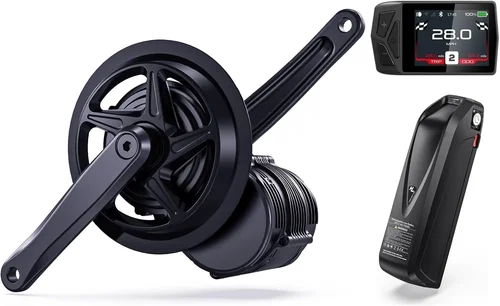
The motor is the heart of any electric mountain bike, and its type and power directly influence your riding experience. Most eMTBs under $2,000 use either hub motors (located in the front or rear wheel) or mid-drive motors (mounted near the bottom bracket). Hub motors are common in budget-friendly models because they’re simpler and cheaper to produce. They provide decent torque and are reliable, but they can feel unbalanced on steep climbs or technical terrain. Mid-drive motors, on the other hand, leverage the bike’s gears for better efficiency and hill-climbing ability, offering a more natural ride feel.
Look for motors rated between 250W and 750W. In the U.S., 750W is the legal limit for Class 1 and Class 3 e-bikes on public trails, and many states allow this power level for off-road use. A 500W to 750W motor is ideal for mountain biking, providing enough oomph to tackle 15–20% grades without straining. Pay attention to torque ratings (measured in Newton-meters or Nm)—higher torque means better acceleration and climbing power. Aim for at least 50 Nm for light trail use, and 60–80 Nm if you plan on aggressive riding or carrying gear.
2. Battery Capacity and Range
Battery capacity is measured in watt-hours (Wh), which determines how far you can ride on a single charge. For eMTBs under $2,000, expect batteries ranging from 400Wh to 700Wh. A 500Wh battery is a sweet spot for most riders, offering 20–40 miles of range depending on terrain, assist level, rider weight, and riding style. If you plan on long backcountry rides or multi-day adventures, consider models with removable batteries or the option to add a second pack.
Lithium-ion (Li-ion) batteries are standard and offer good energy density, longevity, and low self-discharge. Look for batteries with at least 500 charge cycles before capacity drops below 80%. Also, check if the battery is removable—this makes charging easier and allows you to carry a spare. Some brands, like Rad Power Bikes, offer swappable battery systems that let you double your range on the fly.
Charging time matters too. Most 500Wh batteries take 4–6 hours to fully charge with a standard charger. Fast chargers can cut this to 2–3 hours but may reduce battery lifespan over time. Always charge in a cool, dry place and avoid leaving the battery at 0% or 100% for extended periods.
3. Frame Material and Geometry
The frame is the foundation of your eMTB, affecting weight, durability, ride quality, and handling. Under $2,000, most frames are made from aluminum alloy, which offers an excellent balance of strength, stiffness, and affordability. High-quality 6061 or 7005 aluminum is common and resists corrosion well. Avoid cheap, heavy steel frames unless you’re prioritizing durability over weight.
Geometry plays a crucial role in how the bike handles on trails. Look for a slack head tube angle (65–67 degrees) for stability on descents, a longer reach for better control, and a low bottom bracket for improved cornering. Modern trail geometry also includes a steeper seat tube angle (74–76 degrees) to keep you centered over the pedals during climbs.
Full-suspension vs. hardtail is another key decision. Hardtails (front suspension only) are lighter, cheaper, and easier to maintain—ideal for beginners or riders on smoother trails. Full-suspension eMTBs absorb more impact and offer better traction on rough terrain but add weight and cost. Under $2,000, full-suspension models are rare but not impossible—brands like Aventon and Lectric have started offering capable full-suspension options in this range.
4. Suspension Travel and Quality
Suspension travel refers to how much the fork (and rear shock, if applicable) can compress. For eMTBs, front travel typically ranges from 100mm to 150mm. Beginners and cross-country riders can get by with 100–120mm, while more aggressive trail or enduro riders should aim for 130–150mm.
Look for air-sprung forks over coil springs—they’re lighter, more tunable, and better at absorbing small bumps. Brands like SR Suntour, RockShox, and Manitou offer reliable forks in this price range. Check for features like lockout (to stiffen the fork for climbing) and rebound adjustment (to control how fast the fork returns after compression).
If the bike has rear suspension, ensure the shock is properly tuned and not just a basic coil shock. Some budget full-suspension eMTBs use simplistic rear shocks that bottom out easily or lack adjustability. A well-designed linkage system and progressive spring rate are signs of a quality setup.
5. Drivetrain and Gearing
The drivetrain includes the chain, cassette, derailleur, and shifters. For eMTBs under $2,000, expect 7- to 10-speed drivetrains from brands like Shimano (Tourney, Altus, Acera, or Deore) or SRAM (X3, X4, X5). Shimano Deore and SRAM NX are ideal for mountain biking, offering reliable shifting, wide gear ranges, and durability.
A wide-range cassette (e.g., 11-46T or 11-51T) is essential for tackling steep climbs and maintaining speed on flats. Look for a 1x (single chainring) setup, which simplifies shifting and reduces weight. Most modern eMTBs use 1x drivetrains, and they’re highly effective when paired with a good motor.
Pay attention to the derailleur’s clutch mechanism—it reduces chain slap and prevents drops on rough terrain. A clutch-equipped derailleur is a must for serious trail riding. Also, ensure the chain is rust-resistant and the cassette has hardened steel cogs for longevity.
6. Braking System
Brakes are non-negotiable when it comes to safety, especially on fast, technical descents. Disc brakes are standard on all eMTBs, but there are two types: mechanical (cable-actuated) and hydraulic. Hydraulic disc brakes offer superior stopping power, better modulation, and require less hand effort—making them ideal for mountain biking.
Look for 160mm to 203mm rotors. Larger rotors provide more braking force and heat dissipation, which is crucial on long downhill runs. Brands like Tektro, Shimano, and SRAM offer reliable hydraulic brakes in this price range. Avoid mechanical disc brakes unless you’re on a tight budget—they’re harder to maintain and less powerful.
Check for brake lever reach adjustment, which allows you to customize the lever position for smaller or larger hands. Also, ensure the brake pads are easy to replace and compatible with common aftermarket options.
7. Tires and Wheel Size
Tires are your bike’s only contact with the ground, so they play a huge role in traction, comfort, and control. Most eMTBs under $2,000 come with 27.5-inch or 29-inch wheels. 29ers roll faster and smoother over obstacles, making them great for cross-country and trail riding. 27.5-inch wheels are more agile and better for tight, technical terrain.
Look for tires with aggressive tread patterns, wide widths (2.3” to 2.6”), and durable casings. Brands like Maxxis, Schwalbe, and Continental offer excellent trail tires in this range. Tubeless-ready rims are a plus—they allow you to run lower tire pressures for better grip and reduce the risk of pinch flats.
Ensure the wheels are double-walled and built to handle the extra weight and torque of an e-bike. Weak wheels can warp or fail under stress, especially on jumps or rocky trails.
8. Display and Assist Modes
The display shows essential info like speed, battery level, assist mode, and distance. Most eMTBs under $2,000 come with LCD or LED displays. LCD screens are easier to read in sunlight and offer more data, while LED displays are simpler and more durable.
Look for at least 3–5 pedal assist levels (Eco, Tour, Sport, Turbo, etc.). Eco mode maximizes range, while Turbo gives maximum power for climbs and sprints. Some bikes also offer a throttle (twist-grip or thumb lever), which provides instant power without pedaling—great for starting on hills or navigating obstacles.
Advanced displays may include Bluetooth connectivity, GPS tracking, or smartphone integration. While not essential, these features can enhance your riding experience and help you monitor performance over time.
9. Weight and Portability
Electric mountain bikes are heavier than traditional MTBs due to the motor and battery. Expect weights between 45 and 65 pounds. Heavier bikes are harder to maneuver on technical trails and more difficult to transport, but they often come with more robust components.
If you plan to lift the bike onto a rack or carry it up stairs, consider a lighter model or one with a step-through frame for easier handling. Some brands offer folding eMTBs, but these are rare under $2,000 and often compromise on suspension and geometry.
10. Brand Reputation and Customer Support
Not all eMTB brands are created equal. Established companies like Rad Power Bikes, Aventon, and Lectric have strong reputations for quality, customer service, and warranty support. They offer detailed manuals, responsive support teams, and accessible replacement parts.
Avoid unknown brands with no online presence or poor reviews. A bike is a long-term investment, and you’ll want reliable support if something goes wrong. Check forums, Reddit, and YouTube for real user experiences. Look for brands that offer at least a 1-year warranty on the frame and motor, and 6 months on the battery.
11. Warranty and Return Policy
A solid warranty protects your investment. Most reputable brands offer a 1-year comprehensive warranty covering the motor, battery, and frame. Some extend coverage to 2 years or offer extended plans for purchase.
Check the return policy—many online retailers offer 14- to 30-day returns, but you may be responsible for shipping costs. In-store purchases often allow test rides, which can help you assess fit and comfort before committing.
Different Types of Electric Mountain Bikes

Common Buying Mistakes to Avoid
❌ Mistake: Prioritizing Price Over Quality
Why it’s bad: The cheapest eMTBs often cut corners on critical components like brakes, suspension, and battery management. A $1,000 bike may save you money upfront but could cost more in repairs, replacements, or early upgrades.
What to do instead: Aim for the $1,500–$2,000 range where you’ll find better motors, batteries, and build quality. Look for models with reputable components and positive user reviews.
❌ Mistake: Ignoring Test Rides
Why it’s bad: eMTBs handle differently than regular bikes due to their weight and motor assistance. What looks good on paper may feel awkward or uncomfortable in real life.
What to do instead: Always test ride before buying, especially if purchasing in-store. If buying online, choose retailers with generous return policies and consider local demo events.
❌ Mistake: Overlooking Battery Swappability
Why it’s bad: A non-removable battery limits your range and makes charging inconvenient. You can’t carry a spare or charge the battery separately from the bike.
What to do instead: Choose a model with a removable battery. This feature is a game-changer for long rides and multi-day trips.
❌ Mistake: Choosing the Wrong Wheel Size
Why it’s bad: 29-inch wheels may be too tall for shorter riders, while 27.5-inch wheels can feel sluggish on open trails. Mismatched wheel size affects handling and comfort.
What to do instead: Consider your height and riding style. Riders under 5’6″ may prefer 27.5-inch wheels, while taller riders benefit from 29ers.
❌ Mistake: Neglecting Maintenance Needs
Why it’s bad: eMTBs require regular maintenance—especially the motor, battery, and drivetrain. Neglecting this can lead to premature failure and costly repairs.
What to do instead: Learn basic maintenance or find a local shop that services e-bikes. Keep the chain clean, check tire pressure, and store the battery properly.
❌ Mistake: Buying Without Researching Local Laws
Why it’s bad: eMTB regulations vary by state and trail. Some areas restrict motor power, throttle use, or access to certain trails.
What to do instead: Check local laws before buying. Ensure your bike complies with Class 1 or Class 3 regulations if you plan to ride on public trails.
❌ Mistake: Falling for “Too Good to Be True” Deals
Why it’s bad: Extremely low-priced eMTBs often use counterfeit motors, low-quality batteries, or unsafe electrical systems.
What to do instead: Stick to reputable brands and retailers. If a deal seems unrealistic, it probably is.
Budget Guidelines: How Much Should You Spend?
– Entry-Level ($1,000 – $1,400): These bikes are best for casual riders, light trails, or commuting. Expect hub motors, basic suspension, and lower-capacity batteries. Build quality may be inconsistent, and warranties are often limited. Ideal for beginners testing the waters.
– Mid-Range ($1,400 – $1,800): The sweet spot for most buyers. You’ll find better motors (often 500W–750W), higher-capacity batteries (500Wh+), and improved components like hydraulic brakes and air forks. Many models in this range offer excellent value and durability.
– Premium ($1,800 – $2,000): For enthusiasts and serious trail riders. These bikes often feature mid-drive motors, full suspension, high-end drivetrains, and advanced displays. They’re built to handle aggressive riding and long adventures.
– Luxury ($2,000+): While outside our scope, bikes above $2,000 offer carbon frames, top-tier suspension, and cutting-edge tech. If you’re close to the limit, consider stretching your budget slightly for a significant upgrade.
Expert Tips for Getting the Best Deal
– Buy during seasonal sales: Look for discounts in late summer (end of season) or January (New Year promotions). Black Friday and Cyber Monday also offer great deals.
– Shop from reputable retailers: Brands like Rad Power Bikes, Aventon, and Lectric sell direct-to-consumer, cutting out middlemen and passing savings to you.
– Consider refurbished or open-box models: Many brands offer certified pre-owned bikes with full warranties at 10–20% off retail.
– Check for bundle deals: Some retailers include free accessories like helmets, locks, or lights with purchase.
– Read return policies carefully: Ensure you can return the bike if it doesn’t fit or perform as expected.
– Join online communities: Forums and Facebook groups often share exclusive promo codes and insider deals.
– Test ride when possible: Even if buying online, visit a local dealer to test similar models.
– Invest in a good lock and insurance: eMTBs are valuable and attractive to thieves. Protect your investment.

Frequently Asked Questions
Q: Are electric mountain bikes legal on all trails?
A: No. Many public trails restrict e-bikes to Class 1 (pedal-assist only, no throttle) and limit motor power to 750W. Always check local regulations before riding.
Q: How long do eMTB batteries last?
A: Most lithium-ion batteries last 500–1,000 charge cycles, or 3–5 years with regular use. Proper care (avoiding extreme temps, not draining to 0%) can extend lifespan.
Q: Can I ride an eMTB in the rain?
A: Yes, most eMTBs are water-resistant, but avoid submerging the motor or battery. Dry the bike after wet rides and check for water ingress.
Q: Do I need a special license to ride an eMTB?
A: In most U.S. states, no license is required for Class 1 or Class 3 e-bikes. However, age restrictions may apply (typically 16+).
Q: How often should I service my eMTB?
A: Basic maintenance (chain cleaning, tire pressure, brake checks) should be done monthly. Full service every 6–12 months, or after heavy use.
Q: Can I upgrade components later?
A: Yes, many components like tires, brakes, and drivetrains can be upgraded. However, motor and battery upgrades are often not feasible.
Q: Are eMTBs good for weight loss?
A: Yes! While the motor assists, you still burn calories pedaling. eMTBs encourage longer, more frequent rides, which can aid fitness and weight management.
Q: What’s the difference between Class 1, 2, and 3 e-bikes?
A: Class 1: pedal-assist only, up to 20 mph. Class 2: throttle-assisted, up to 20 mph. Class 3: pedal-assist only, up to 28 mph. Class 3 is often restricted on trails.
Q: Can I take my eMTB on a plane?
A: Most airlines prohibit lithium batteries over 100Wh in checked luggage. Removable batteries under 300Wh may be allowed in carry-on with approval.
Q: How do I store my eMTB long-term?
A: Charge the battery to 50–60%, store in a cool, dry place, and recharge every 3 months. Cover the bike to prevent dust buildup.
Our Final Recommendations
– Best for Budget-Conscious Buyers: Rad Power Bikes RadRover 6 Plus – A reliable fat-tire hardtail with a 750W motor, 672Wh battery, and excellent customer support. Priced around $1,699.
– Best Overall Value: Aventon Aventure.2 – Offers full suspension, 750W motor, 672Wh battery, and premium components for under $2,000. A rare find in this price range.
– Best Premium Option: Lectric XP MTB – A full-suspension eMTB with 85Nm torque, 672Wh battery, and aggressive trail geometry. Priced at $1,999.
– Best for Beginners: Rad Power Bikes RadRunner 2 – A versatile step-through eMTB with a 750W motor, 672Wh battery, and user-friendly design. Great for new riders.
– Best for Advanced Users: Aventon Level.2 – A high-performance hardtail with a 750W motor, 672Wh battery, and race-ready components. Ideal for experienced trail riders.
Conclusion: Making the Right Choice
Choosing the right electric mountain bike under $2,000 is about balancing performance, durability, and value. With the right knowledge, you can find a bike that handles your favorite trails, fits your budget, and lasts for years. Focus on key factors like motor type, battery capacity, suspension, and build quality—and don’t rush the decision.
Remember, the best eMTB is the one that matches your riding style, terrain, and long-term goals. Whether you’re climbing mountain passes or cruising forest paths, the right bike will open up new adventures and keep you riding longer. Take your time, do your research, and prioritize quality over flashy features. Your perfect ride is out there—happy trails!