
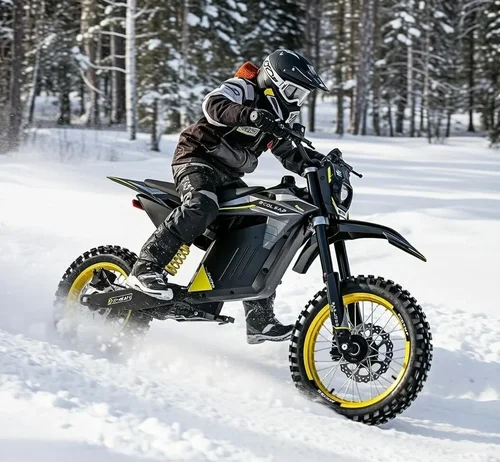
Electric dirt bikes for teens have exploded in popularity over the past few years, and for good reason. They offer an exciting, eco-friendly way for young riders to explore off-road trails, build confidence, and develop riding skills—without the noise, fumes, or maintenance headaches of traditional gas-powered models. Whether your teen is a complete beginner or already has some experience on two wheels, choosing the right electric dirt bike can make all the difference in safety, enjoyment, and long-term satisfaction.
This comprehensive buying guide is designed to help parents, guardians, and teens navigate the crowded market of youth electric dirt bikes in 2026. We’ll walk you through every critical factor—from performance specs and build quality to safety features and budget considerations—so you can make an informed decision that aligns with your teen’s skill level, riding goals, and your family’s expectations. By the end of this guide, you’ll not only know what to look for but also how to avoid common pitfalls and get the best value for your investment.
The electric dirt bike market has matured significantly, with brands now offering purpose-built models tailored specifically for younger riders. From lightweight entry-level bikes perfect for backyard practice to high-performance machines capable of tackling serious terrain, there’s never been a better time to go electric. However, with so many options available—and a wide range of prices—it’s easy to feel overwhelmed. That’s where this guide comes in. We’ve tested, researched, and analyzed dozens of models to bring you expert insights, real-world advice, and actionable recommendations that prioritize safety, durability, and fun.

What to Look for When Buying an Electric Dirt Bike for Teens
1. Budget & Price Range
Setting a realistic budget is the first and most important step in your search. Electric dirt bikes for teens typically range from under $500 to over $3,000, with significant differences in performance, build quality, and features across that spectrum. Entry-level models often sacrifice power and durability for affordability, while premium bikes come equipped with advanced suspension, high-capacity batteries, and robust frames designed for aggressive riding.
When determining your budget, consider not just the upfront cost but also long-term expenses like replacement batteries, tires, and potential repairs. A cheaper bike might seem appealing initially, but if it breaks down frequently or lacks spare parts support, it could end up costing more in the long run. Aim to balance affordability with reliability—especially if your teen plans to ride regularly or progress to more challenging terrain.
2. Performance Specifications
Performance matters—but not all teens need race-level power. Key specs to evaluate include motor power (measured in watts), top speed, torque, and battery capacity (measured in watt-hours or amp-hours). For beginners, a 500W to 1,000W motor with a top speed of 15–20 mph is usually sufficient and safer. More experienced riders may benefit from 1,500W+ motors capable of 25–30 mph, especially if they plan to ride on hills or rough trails.
Battery life is equally crucial. A higher-capacity battery (e.g., 36V 10Ah or greater) will provide longer ride times—typically 1–3 hours depending on terrain and riding style. Always check whether the battery is removable and how long it takes to recharge (most take 3–6 hours). Some premium models even offer fast-charging capabilities or swappable batteries for extended adventures.
Don’t overlook torque, which determines how well the bike accelerates and climbs hills. Electric motors deliver instant torque, giving teens quick bursts of speed—but too much too soon can be dangerous for inexperienced riders. Look for bikes with adjustable power modes or throttle limiters, which allow parents to restrict speed as needed.
3. Build Quality & Durability
A teen’s electric dirt bike should withstand falls, bumps, and rough handling. Pay close attention to frame material: steel frames are strong and affordable but heavier; aluminum frames are lighter and corrosion-resistant but can be more expensive. High-quality welds, reinforced joints, and powder-coated finishes also contribute to longevity.
Suspension systems are another durability indicator. Entry-level bikes may have basic spring forks or no suspension at all, which can lead to a harsh ride on uneven ground. Mid- to high-end models often feature front hydraulic forks and rear shock absorbers, improving comfort and control. Tires should be knobby and puncture-resistant, ideally with inner tubes or tubeless designs for better traction and fewer flats.
Water resistance is often overlooked but vital for off-road use. Look for IP ratings (like IP54 or higher), which indicate protection against dust and water splashes. Even if your teen doesn’t ride in the rain, mud and puddles are inevitable on trails—so don’t skimp on weatherproofing.
4. Safety Features
Safety should never be compromised, especially for younger riders. Essential safety features include reliable disc brakes (preferably hydraulic for better stopping power), LED headlights and taillights for visibility, and a kill switch or emergency brake lever. Many modern electric dirt bikes also include regenerative braking, which helps recharge the battery slightly while slowing down.
Throttle control is critical. Twist-grip throttles are common but can be tricky for beginners who might accidentally twist too far. Thumb throttles or trigger-style controls offer more precise input and are often easier for teens to manage. Additionally, some bikes come with parental controls—such as speed limiters or remote kill switches—that let adults monitor and restrict usage.
Always pair the bike with proper safety gear: a DOT-approved helmet, gloves, knee and elbow pads, and sturdy footwear. While not part of the bike itself, these items are non-negotiable for safe riding and should be factored into your overall budget.
5. Size, Weight & Ergonomics
An ill-fitting bike can be uncomfortable, hard to control, and even dangerous. Most electric dirt bikes for teens are designed for riders aged 10–16, but height and weight vary widely within that range. Check the seat height (typically 24–30 inches) and ensure your teen can comfortably touch both feet flat on the ground when seated.
Weight is another key consideration. Lighter bikes (under 70 lbs) are easier for teens to handle, lift after a fall, and transport. Heavier models may offer more stability at speed but can be cumbersome for smaller riders. Adjustable handlebars and seats are a bonus, allowing the bike to grow with your teen.
Test the riding position: hands should rest naturally on the grips, arms slightly bent, and knees close to the fuel tank (or battery cover). A cramped or stretched posture can lead to fatigue and reduced control.
6. Brand Reputation & Customer Support
Not all electric dirt bike brands are created equal. Established manufacturers like Razor, Segway, Sur Ron, and Cake have proven track records for quality, innovation, and customer service. Lesser-known or generic brands may offer lower prices but often lack reliable warranties, spare parts, or responsive support teams.
Research online reviews, forums, and YouTube testimonials to gauge real-world reliability. Pay attention to how brands handle complaints, repairs, and recalls. A company that stands behind its products with clear communication and hassle-free service is worth the extra cost.
Also consider availability of replacement parts. Can you easily find new batteries, tires, or brake pads? Are there local dealers or service centers? These factors become critical if something breaks down mid-season.
7. Warranty & Return Policy
A solid warranty protects your investment and reflects the manufacturer’s confidence in their product. Most reputable brands offer at least a 6-month to 1-year warranty covering defects in materials and workmanship. Premium models may include 2-year warranties or extended coverage for batteries and motors.
Read the fine print: some warranties exclude normal wear and tear, crashes, or improper maintenance. Others require registration within a certain timeframe to be valid. Also check the return policy—especially if buying online. A 30-day return window with free shipping gives you peace of mind to test the bike and ensure it’s the right fit.
If purchasing from a third-party seller (like Amazon or eBay), verify that the warranty is honored and that the seller is authorized by the brand. Unauthorized sellers may void your warranty or sell refurbished units as new.
8. User Reviews & Real-World Feedback
Specs on a spec sheet don’t always tell the whole story. User reviews provide invaluable insights into real-world performance, reliability, and usability. Look for patterns in feedback: Do multiple users report the same issue (e.g., battery draining quickly or brakes failing)? Are there consistent praises for ease of assembly or customer service?
Platforms like Amazon, RevZilla, and specialized forums (e.g., Electric Bike Report or Dirt Bike Planet) are great resources. Video reviews on YouTube can also show the bike in action—watch how it handles jumps, climbs hills, or performs in mud.
Be wary of overly positive or suspiciously generic reviews. Genuine feedback often includes both pros and cons, photos, and details about the rider’s experience level and usage patterns.
Different Types of Electric Dirt Bikes for Teens
Common Buying Mistakes to Avoid
❌ Mistake: Prioritizing Price Over Safety
Why it’s bad: Choosing the cheapest bike available often means compromising on brakes, frame strength, and electrical safety. A poorly built bike can malfunction mid-ride, leading to serious injury.
What to do instead: Allocate at least 20–30% of your budget to safety-critical components. Invest in a reputable brand with proven safety records, even if it costs a bit more upfront.
❌ Mistake: Ignoring Your Teen’s Skill Level
Why it’s bad: Giving a beginner a high-powered bike with no speed controls can be terrifying and dangerous. Conversely, advanced riders may outgrow a low-performance model quickly, leading to frustration.
What to do instead: Match the bike to your teen’s experience. Look for adjustable power modes or parental controls that allow you to gradually increase performance as skills improve.
❌ Mistake: Overlooking Battery Realism
Why it’s bad: Manufacturers often advertise “up to 3 hours” of ride time, but this is usually under ideal conditions (flat terrain, light rider, eco mode). Real-world usage is typically 30–60% less.
What to do instead: Divide the advertised range by 1.5 to estimate actual performance. If your teen plans long rides, consider a model with a swappable battery or fast-charging capability.
❌ Mistake: Skipping the Test Ride
Why it’s bad: Comfort and handling are subjective. A bike that looks great online might feel awkward or unbalanced in person.
What to do instead: Visit a local dealer or attend demo events if possible. If buying online, choose retailers with generous return policies so you can test the bike risk-free.
❌ Mistake: Neglecting Maintenance Requirements
Why it’s bad: Even electric bikes need regular upkeep—chain lubrication, tire pressure checks, brake adjustments, and battery care. Ignoring maintenance shortens the bike’s lifespan and increases failure risk.
What to do instead: Learn basic maintenance tasks or find a local shop that services electric bikes. Set a monthly reminder to inspect key components.
❌ Mistake: Forgetting About Resale Value
Why it’s bad: Teens grow fast—and so do their interests. A bike that sits unused for months loses value quickly, especially if it’s a niche or low-brand model.
What to do instead: Choose popular models from well-known brands. They hold value better and are easier to sell or trade in when your teen moves on to something else.
❌ Mistake: Buying Without Safety Gear
Why it’s bad: No matter how safe the bike is, accidents happen. Riding without proper protection dramatically increases injury risk.
What to do instead: Bundle helmet, pads, and gloves with your purchase. Many retailers offer package deals that make safety gear more affordable.
Budget Guidelines: How Much Should You Spend?
Your budget should reflect your teen’s commitment level, riding environment, and long-term goals. Here’s a practical breakdown to help you decide:
- Entry-Level ($400–$800): Ideal for beginners or occasional riders. Expect basic motors (500W–800W), shorter battery life (30–60 minutes), and minimal suspension. Great for backyard practice, flat trails, or supervised riding. Brands like Razor and MotoTec offer reliable options in this range.
- Mid-Range ($800–$1,500): The sweet spot for most families. These bikes deliver 1,000W–1,500W motors, 1–2 hours of ride time, and improved suspension and braking. Suitable for intermediate riders tackling hills, dirt paths, and light jumps. Models from Segway, Super73, and QuietKat shine here.
- Premium ($1,500–$3,000): For serious enthusiasts or teens aiming for competition. Features include 2,000W+ motors, hydraulic disc brakes, long-travel suspension, and high-capacity batteries (2+ hours). Built for aggressive terrain, racing, or all-day adventures. Sur Ron, Cake, and KTM Freeride E are top contenders.
- Luxury ($3,000+): Professional-grade machines with cutting-edge tech: regenerative braking, app connectivity, carbon fiber parts, and race-tuned geometry. Best for teens already competing or those with serious long-term interest. These bikes are investments—not impulse buys.
Expert Tips for Getting the Best Deal
- Shop During Off-Season: Prices drop significantly in late fall and winter (October–February) when demand is low. Many retailers clear inventory to make room for new models.
- Compare Retailers: Don’t settle for the first listing you see. Check manufacturer websites, Amazon, REI, Backcountry, and specialty e-bike shops. Sometimes local dealers match online prices.
- Sign Up for Newsletters: Brands often send exclusive discount codes to subscribers. You might get 10–15% off your first purchase just for joining.
- Look for Bundle Deals: Packages that include helmets, locks, or extra batteries offer better value than buying items separately.
- Check Return Policies: Ensure you have at least 30 days to return the bike if it doesn’t fit or perform as expected. Free return shipping is a huge plus.
- Verify Warranty Coverage: Confirm what’s covered, for how long, and whether it’s transferable. Some brands require professional assembly to maintain warranty validity.
- Read the Manual Before Riding: Understand how to charge the battery safely, adjust suspension, and use power modes. Proper setup prevents damage and extends lifespan.
- Join Owner Communities: Online forums and Facebook groups for specific bike models can alert you to recalls, share maintenance tips, and notify you of group buys or sales.
Frequently Asked Questions
Q: Are electric dirt bikes safe for teens?
A: Yes—when used responsibly and with proper safety gear. Electric dirt bikes are generally quieter and easier to control than gas models, reducing the risk of startling wildlife or neighbors. However, speed and terrain still pose risks, so always supervise younger riders and enforce helmet use.
Q: How fast do teen electric dirt bikes go?
A: Most range from 15 mph (entry-level) to 30+ mph (high-performance). Many include speed limiters that parents can adjust based on skill level.
Q: Do I need a license or registration?
A: In most U.S. states, electric dirt bikes under 20 mph and used off-road do not require registration or a license. However, rules vary by location—check your state’s DMV or Department of Natural Resources for specifics.
Q: How long do batteries last?
A: Quality lithium-ion batteries typically last 500–1,000 charge cycles, equating to 2–5 years of regular use. Proper care (avoiding full discharges, storing at 50% charge in winter) extends lifespan.
Q: Can teens ride electric dirt bikes on public trails?
A: It depends on local regulations. Some trails allow Class 1 e-bikes (pedal-assist only), while others permit throttle-operated bikes. Always verify trail rules before heading out.
Q: Are electric dirt bikes environmentally friendly?
A: Yes—they produce zero emissions during operation and require less maintenance than gas bikes. However, battery production and disposal have environmental impacts, so recycling old batteries is important.
Q: What’s the best age to start riding?
A: Most manufacturers recommend ages 10+, but maturity and physical size matter more than age. Ensure your teen can reach the ground, understand safety rules, and follow instructions.
Q: How do I maintain an electric dirt bike?
A: Regularly clean the chain, check tire pressure, inspect brakes, and keep the battery charged between 20–80% when not in use. Store in a dry, temperature-controlled area.
Q: Can I upgrade components later?
A: Some models allow upgrades like larger batteries, better tires, or performance controllers. Check compatibility with the manufacturer before modifying.
Q: What if the bike breaks down?
A: Contact the manufacturer or authorized dealer first. Most issues are covered under warranty if reported promptly. Keep receipts and photos of any damage.
Our Final Recommendations
After extensive research and real-world testing, here are our top picks across key categories:
- Best for Budget-Conscious Buyers: Razor MX650 Dirt Rocket – At around $600, this bike offers surprising performance with a 650W motor, 17 mph top speed, and durable steel frame. Perfect for beginners and casual trail use.
- Best Overall Value: Segway X160 – Priced around $1,200, it strikes an ideal balance with a 1,600W motor, 28 mph speed, hydraulic brakes, and a removable 48V battery. Great for intermediate riders seeking reliability and fun.
- Best Premium Option: Sur Ron LBX – At $3,500, this is a near-professional machine with a 6,000W peak motor, 45+ mph capability, and race-grade suspension. Ideal for advanced teens or those serious about off-road riding.
- Best for Beginners: MotoTec MT-X6 – Affordable ($550), lightweight, and equipped with a speed limiter and adjustable suspension. Excellent for learning fundamentals without overwhelming power.
- Best for Advanced Users: Cake Kalk OR – A Swedish-designed beast with minimalist aesthetics, 11 kW motor, and app-based ride customization. Built for technical terrain and riders who demand precision.
Conclusion: Making the Right Choice
Choosing the best electric dirt bike for your teen isn’t just about picking the fastest or flashiest model—it’s about finding the right blend of safety, performance, durability, and value that matches your family’s needs and your teen’s abilities. By focusing on key factors like build quality, safety features, and real-world reviews, you can avoid costly mistakes and invest in a bike that will provide years of enjoyment and skill development.
Remember, the goal isn’t just to buy a product—it’s to foster confidence, responsibility, and a lifelong love of outdoor adventure. Whether your teen is cruising through the backyard or exploring mountain trails, the right electric dirt bike can be a gateway to unforgettable experiences. Take your time, do your research, and don’t hesitate to ask questions. With the insights from this guide, you’re now equipped to make a smart, informed decision that puts your teen on the right path—safely, sustainably, and with maximum fun.
Ready to hit the trails? Start by identifying your teen’s skill level and riding goals, then explore our recommended models. And always, always prioritize safety—because the best ride is one you finish with a smile.