Electric scooters have revolutionized urban commuting and recreational travel, offering a clean, efficient, and fun alternative to cars and public transit. But with so many models flooding the market—especially in the budget segment—it’s easy to feel overwhelmed by flashy specs, misleading claims, and hidden compromises. That’s exactly why this guide exists: to cut through the noise and help you make a smart, informed decision without overspending. Whether you’re a student navigating campus, a professional dodging traffic on your way to work, or just someone looking for an eco-friendly weekend joyride, finding the right budget e-scooter can dramatically improve your daily routine.
In this comprehensive buying guide, you’ll learn everything you need to know about choosing the best budget electric scooter in 2026. We’ll walk you through the critical factors that separate a great value from a regrettable purchase, compare different types of scooters based on real-world use cases, highlight common pitfalls to avoid, and share expert tips for maximizing your investment. By the end, you’ll have a clear roadmap tailored to your needs—whether you prioritize range, portability, durability, or just getting the most bang for your buck. The budget e-scooter market has matured significantly in recent years, with brands now offering surprisingly capable machines under $500. However, not all “budget” scooters are created equal, and understanding the nuances is key to avoiding disappointment.

What to Look for When Buying Gotrax
1. Budget & Price Range
When shopping for a budget e-scooter, defining your price range upfront is essential—but it’s equally important to understand what you’re actually paying for. Most reputable budget models fall between $250 and $600. At the lower end ($250–$350), expect basic functionality: modest speed (12–15 mph), limited range (6–10 miles), and minimal features. These are ideal for short commutes or casual riders who don’t need high performance. Mid-tier budget scooters ($350–$500) often deliver significantly better value, with improved motors, longer battery life, better suspension, and enhanced safety features like brighter headlights and more responsive brakes. Going above $500 starts to blur the line into premium territory, where you’ll find higher top speeds, larger wheels, and advanced electronics.
Don’t be swayed by ultra-cheap scooters under $200—they often cut corners on critical components like battery quality, motor reliability, and structural integrity. A poorly built scooter might save you $50 today but could cost you hundreds in repairs or replacements down the road. Instead, aim for the sweet spot where price aligns with proven performance and durability.
2. Performance Specifications
Performance boils down to three core metrics: speed, range, and motor power. For budget scooters, realistic expectations are crucial. Most entry-level models feature 250W to 350W motors, which are sufficient for flat terrain and light inclines but struggle on hills steeper than 10–15%. If you live in a hilly area, look for at least a 350W continuous motor (or a 500W peak rating) to ensure reliable hill climbing.
Range is often overstated by manufacturers. A scooter advertised with “up to 15 miles” may only achieve 8–10 miles under real-world conditions—especially if you weigh over 160 lbs, ride aggressively, or face wind resistance. Always check independent reviews for verified range tests. Similarly, top speed claims should be taken with a grain of salt. While many budget scooters claim 15–18 mph, sustained speeds above 15 mph usually drain the battery much faster. For city commuting, 12–15 mph is more than adequate and offers better battery efficiency.
Acceleration and braking matter just as much. Look for scooters with regenerative braking or dual braking systems (electronic + mechanical disc or drum). Smooth throttle response prevents jerky starts, which can be dangerous in traffic.
3. Build Quality & Durability
A scooter’s lifespan hinges on its construction. Budget doesn’t have to mean flimsy—but you must scrutinize materials and design. The frame should be made of aircraft-grade aluminum or reinforced steel, not cheap alloys that bend or crack under stress. Check weld points, folding mechanisms, and handlebar joints for sturdiness. A wobbly stem or loose folding latch is a red flag.
Wheels also impact durability. Solid rubber tires are puncture-proof and low-maintenance but offer a rougher ride on uneven pavement. Air-filled (pneumatic) tires provide superior shock absorption and grip but require occasional inflation and are prone to flats. Some budget models now feature “airless” honeycomb tires—a good compromise if available.
Water resistance is another often-overlooked factor. Look for at least an IP54 rating, which protects against light rain and splashes. Avoid riding in heavy rain regardless, but IP54 ensures minor exposure won’t fry your electronics.
4. Features & Functionality
Even budget scooters now come packed with useful features. Prioritize those that enhance safety and usability. A bright LED headlight (at least 100 lumens) is non-negotiable for night riding. Rear brake lights and side reflectors add visibility. A clear, backlit LCD display showing speed, battery level, and mode is far more reliable than vague LED indicators.
Cruise control is a handy feature for maintaining steady speeds on long stretches—it reduces hand fatigue and improves efficiency. Some models include app connectivity for firmware updates, ride tracking, or anti-theft alerts, though this is rarer in true budget tiers.
Consider ergonomics too: adjustable handlebars, a comfortable deck size (at least 19” long), and intuitive controls make a big difference on longer rides. Avoid scooters with overly sensitive throttles or awkwardly placed brake levers.
5. Brand Reputation
Not all budget brands are equal. Established names like Gotrax, Segway-Ninebot, Xiaomi, and Razor have built reputations for consistent quality and customer support. These companies invest in R&D, rigorous testing, and reliable supply chains—even at lower price points. Lesser-known brands may offer tempting deals, but they often lack transparency about component sourcing or long-term reliability.
Research brand history: How long have they been in the e-scooter space? Do they offer firmware updates? Are replacement parts readily available? A brand with a solid track record is more likely to honor warranties and provide timely support.
Also consider regional availability. Some brands dominate in North America (like Gotrax), while others are stronger in Europe or Asia. Buying from a local distributor often means faster shipping, easier returns, and better compliance with regional safety standards.
6. Warranty & Support
A strong warranty is a hallmark of a trustworthy manufacturer. For budget scooters, look for at least a 12-month limited warranty covering the motor, battery, and controller. Some brands, like Gotrax, offer 18–24 months on select models—this is a significant advantage.
Read the fine print: Does the warranty cover wear-and-tear items like tires and brakes? Is it voided if you modify the scooter or use it commercially? Can you get service locally, or must you ship the unit back?
Customer support responsiveness matters too. Check forums and review sites for reports of slow replies, unhelpful agents, or difficulty obtaining replacement parts. A brand that stands behind its products will make the post-purchase experience smooth, not stressful.
7. Size & Portability
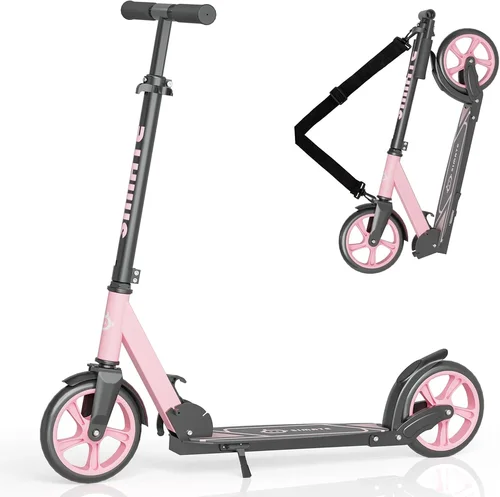
If you plan to carry your scooter on public transit, store it under a desk, or lift it upstairs, weight and foldability are critical. Most budget scooters weigh between 22 and 30 pounds. Anything over 28 lbs becomes cumbersome for frequent lifting.
Look for a compact fold—ideally under 45” in length when folded—and a secure locking mechanism. Some models include a carrying handle or strap, which makes a surprising difference in daily convenience. Avoid scooters with bulky frames or protruding parts that snag on doors or bags.
Deck height also affects ease of mounting and dismounting. Lower decks (under 8” from ground) are easier for shorter riders or those with mobility concerns.
8. User Reviews & Ratings
Never rely solely on manufacturer specs. Real user feedback reveals hidden flaws and strengths. Focus on verified purchase reviews on trusted platforms like Amazon, Best Buy, or specialized e-scooter forums. Pay attention to recurring themes: “battery died after 3 months,” “brakes squeak constantly,” or “great for hills” are telling signals.
Look for long-term reviews (6+ months of use) to assess durability. A scooter that performs well out of the box may degrade quickly if components are subpar. Also note reviewer weight and usage patterns—a 200-lb rider commuting daily will have a very different experience than a 120-lb weekend cruiser.
Be wary of fake reviews. Genuine feedback often includes photos, specific complaints, and balanced praise. Overly generic 5-star reviews (“Amazing! Best ever!”) are red flags.
Different Types of Gotrax
Common Buying Mistakes to Avoid
❌ Mistake: Chasing the Highest Top Speed
Why it’s bad: Many budget scooters advertise “up to 18 mph,” but achieving that speed drains the battery rapidly and may strain the motor. In reality, most commuters ride at 10–14 mph for safety and efficiency. Prioritizing speed over range or build quality often leads to disappointment.
What to do instead: Focus on balanced performance. A scooter that reliably delivers 12–15 mph with 10+ miles of range is far more practical than one that hits 18 mph but dies after 6 miles.
❌ Mistake: Ignoring Real-World Range Claims
Why it’s bad: Manufacturers test range under ideal conditions: flat roads, light riders, eco mode. Your actual mileage will likely be 20–40% lower. Relying on advertised range can leave you stranded.
What to do instead: Divide the claimed range by 1.5 to estimate real-world performance. If you need 10 miles, buy a scooter rated for at least 15 miles.
❌ Mistake: Overlooking Weight and Portability
Why it’s bad: A heavy, bulky scooter becomes a burden if you need to carry it frequently. Many buyers regret not considering how often they’ll lift or store their scooter.
What to do instead: Test the weight yourself—lift a demo model or check reviews mentioning portability. If you’re over 5’8″ or have back issues, prioritize lighter builds.
❌ Mistake: Skipping Safety Features
Why it’s bad: Cheap scooters often lack adequate lighting, responsive brakes, or stable decks. This increases accident risk, especially at night or in traffic.
What to do instead: Ensure your scooter has a bright headlight, functional taillight, reliable brakes, and a non-slip deck. Never compromise on safety to save $20.
❌ Mistake: Buying Based on Looks Alone
Why it’s bad: Sleek designs can hide poor engineering. A scooter that looks cool may have weak welds, a fragile stem, or a low-quality battery.
What to do instead: Prioritize function over form. Read detailed reviews, check build materials, and verify component quality before falling for aesthetics.
❌ Mistake: Neglecting Warranty and Support
Why it’s bad: E-scooters have complex electronics that can fail. Without a solid warranty, a $300 scooter could become a $300 paperweight after a few months.
What to do instead: Choose brands with at least a 12-month warranty and accessible customer service. Avoid “no-name” brands with vague return policies.
❌ Mistake: Forgetting About Maintenance
Why it’s bad: Even budget scooters need occasional upkeep—tire checks, brake adjustments, bolt tightening. Ignoring maintenance shortens lifespan and compromises safety.
What to do instead: Learn basic maintenance tasks or find a local repair shop that services e-scooters. Factor in long-term care when choosing your model.
Budget Guidelines: How Much Should You Spend?
Entry-Level ($200–$300): This tier suits occasional riders, teens, or those with very short commutes (under 3 miles). Expect basic specs: 250W motor, 6–8 mile range, minimal features, and lighter build quality. Ideal for flat campuses or neighborhoods. Brands like Razor and entry-level Gotrax models fit here. Great for testing the waters, but not recommended for daily reliance.
Mid-Range ($300–$450): The sweet spot for most buyers. Scooters in this range offer 350W motors, 10–14 mile range, better suspension, improved brakes, and essential safety features. Models like the Gotrax GXL V2 or Segway ES2 shine here. Perfect for urban commuters, students, and recreational riders who value reliability without overspending.
Premium ($450–$600): For enthusiasts and serious commuters. These scooters boast 500W+ motors, 15+ mile range, larger wheels, advanced displays, and robust frames. They handle hills, longer distances, and varied terrain with ease. Examples include the Gotrax G4 or Xiaomi Mi Electric Scooter Pro 2. Worth the extra cost if you ride daily or in challenging conditions.
Luxury ($600+): While technically beyond “budget,” some high-end models under $800 offer exceptional value. Think dual motors, full suspension, app integration, and premium materials. These are for riders who want top-tier performance but aren’t ready to spend $1,000+. Only consider if your usage justifies the investment.
Expert Tips for Getting the Best Deal
- Shop during seasonal sales: Black Friday, Cyber Monday, and back-to-school periods (July–September) offer the deepest discounts. Many retailers clear inventory in early spring too.
- Buy directly from reputable retailers: Amazon, Best Buy, Walmart, and brand websites (like Gotrax.com) often have better return policies and authentic products than third-party sellers.
- Check refurbished or open-box options: Certified refurbished scooters from manufacturers come with warranties and can save you 20–30%. Just ensure they’re not demo units with heavy wear.
- Compare total cost of ownership: Factor in accessories, potential repairs, and battery replacement (every 2–3 years). A slightly pricier scooter with a better battery may cost less long-term.
- Test before you buy (if possible): Visit local stores or scooter demo events. Feel the weight, test the throttle, and check fold stability. Hands-on experience beats specs alone.
- Read return policies carefully: Some retailers charge restocking fees or only accept returns within 14 days. Ensure you have time to test thoroughly.
- Join online communities: Reddit’s r/ElectricScooters or Facebook groups share deal alerts, repair tips, and honest reviews you won’t find elsewhere.
- Consider financing: Some brands offer 0% APR plans for 6–12 months. Useful if you want a higher-tier model but need to spread payments.

Frequently Asked Questions
Q: Can I ride a budget e-scooter in the rain?
A: Only if it has at least an IP54 rating and you avoid deep puddles or heavy downpours. Light drizzle is usually fine, but water can damage electronics if seals fail. Always dry your scooter thoroughly after wet rides.
Q: How long does the battery last?
A: Most lithium-ion batteries retain 80% capacity after 300–500 charge cycles (about 1–2 years of daily use). Avoid fully draining the battery regularly, and store it at 50–70% charge if unused for weeks.
Q: Are budget e-scooters safe?
A: Yes, if they meet basic safety standards and are used responsibly. Always wear a helmet, obey traffic laws, and avoid riding on sidewalks where prohibited. Choose models with good brakes and lights.
Q: Can I modify my budget scooter for more speed?
A: Technically yes, but it voids warranties, risks damaging components, and may be illegal in your area. Most budget motors aren’t designed for sustained high speeds—modding can cause overheating or failure.
Q: What’s the weight limit for most budget scooters?
A: Typically 220–260 lbs. Heavier riders should look for reinforced frames and higher-wattage motors. Exceeding the limit strains the motor and reduces range.
Q: Do I need insurance or registration?
A: In most U.S. states and countries, no—but laws vary. Check local regulations. Some cities require helmets or restrict where you can ride.
Q: How do I maintain my e-scooter?
A: Regularly check tire pressure (if pneumatic), tighten bolts, clean the deck, and inspect brakes. Store indoors, avoid extreme temperatures, and charge regularly—even if not in use.
Q: Can I take my scooter on a plane?
A: Most budget scooters have batteries under 100Wh, which are allowed in carry-on luggage by major airlines. Check your airline’s policy and remove the battery if required.
Q: What if my scooter breaks down?
A: Contact the manufacturer first under warranty. For out-of-warranty issues, seek certified repair shops or DIY if you’re handy. Keep spare parts like fuses or brake pads on hand.
Q: Are there eco-friendly disposal options?
A: Yes. Lithium batteries must be recycled—never thrown in trash. Many electronics retailers or municipal centers offer battery recycling programs.
Our Final Recommendations
Best for Budget-Conscious Buyers: Gotrax GXL V2 ($349) – Offers excellent balance of price, performance, and reliability. 15.5 mph top speed, 12-mile range, solid build, and responsive disc brake. Ideal for students and casual commuters.
Best Overall Value: Segway Ninebot ES2 ($449) – Slightly pricier but delivers superior ride quality, app connectivity, and durability. Great for urban riders who want a smoother, more refined experience without breaking the bank.
Best Premium Option: Gotrax G4 ($549) – Packs a 500W motor, 20-mile range, large 10” tires, and full LED lighting. Handles hills and longer commutes with ease—perfect for those ready to step up from entry-level.
Best for Beginners: Razor E300 ($279) – Simple, sturdy, and affordable. Great for teens or first-time riders. Not fast, but reliable and easy to master.
Best for Advanced Users: Xiaomi Mi Electric Scooter Pro 2 ($599) – Combines premium features like regenerative braking, app control, and a sleek design at a near-budget price. Best for tech-savvy riders wanting performance without luxury costs.
Conclusion: Making the Right Choice
Choosing the best budget e-scooter isn’t about finding the cheapest option—it’s about identifying the model that aligns perfectly with your lifestyle, terrain, and usage patterns. By focusing on key factors like build quality, real-world range, safety features, and brand support, you can avoid common pitfalls and invest wisely in a scooter that serves you reliably for years. Remember, a slightly higher upfront cost often translates to lower long-term expenses and greater satisfaction.
Don’t rush your decision. Take time to research, read honest reviews, and consider your daily needs. Whether you’re commuting to work, exploring your city, or just enjoying weekend rides, the right budget e-scooter can transform how you move—cleanly, efficiently, and joyfully. Use this guide as your compass, prioritize what matters most to you, and ride confidently into the future of personal mobility.