
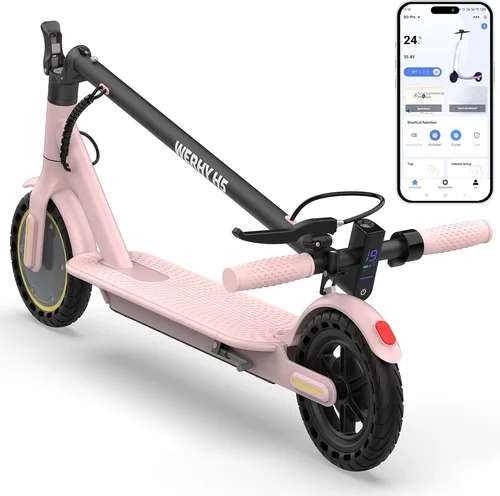
Electric scooters have evolved from novelty gadgets into serious transportation solutions for adults in 2026. Whether you’re commuting through city traffic, running errands, or simply enjoying a weekend ride, the right electric scooter can save time, reduce your carbon footprint, and make daily travel more enjoyable. With advancements in battery technology, motor efficiency, and smart features, today’s adult electric scooters offer impressive performance, safety, and reliability—even in challenging urban environments.
This comprehensive buying guide is designed to cut through the noise and help you make an informed decision. We’ll walk you through every critical factor—from performance specs and build quality to budget considerations and hidden pitfalls—so you can choose a scooter that truly fits your lifestyle. Whether you’re a first-time buyer or upgrading from an older model, this guide will equip you with expert insights, real-world comparisons, and actionable advice to ensure you get the best value for your investment.
The electric scooter market in 2026 is more competitive than ever, with dozens of brands offering models across all price points. From ultra-portable commuters to high-speed performance machines, there’s a scooter for nearly every need. However, not all scooters are created equal. Some prioritize speed over safety, others sacrifice durability for lower prices, and many overpromise on range and features. Our goal is to help you navigate this crowded landscape with confidence, so you end up with a reliable, safe, and fun ride that meets your expectations—and lasts for years.

What to Look for When Buying an Adult Electric Scooter
1. Budget & Price Range
Your budget is the foundation of your purchase decision. Electric scooters for adults range from under $300 for basic entry-level models to over $3,000 for premium, high-performance machines. Setting a realistic budget helps narrow your options and prevents overspending on features you don’t need. However, it’s important to balance cost with value—cheaper scooters often cut corners on build quality, battery life, and safety features, which can lead to higher long-term costs due to repairs or early replacement.
When setting your budget, consider not just the upfront cost but also long-term expenses like maintenance, replacement parts, and potential upgrades. For most urban commuters, spending between $600 and $1,200 gets you a well-built scooter with solid performance, good range, and reliable components. If you plan to use your scooter daily or for longer distances, investing in a mid-range or premium model is often worth the extra cost.
2. Performance Specifications
Performance is where many buyers get overwhelmed by technical jargon. Focus on three key metrics: top speed, motor power, and range. Top speed typically ranges from 15 mph for basic models to 35+ mph for high-performance scooters. For city commuting, 18–25 mph is ideal—fast enough to keep up with traffic but safe for sidewalks and bike lanes.
Motor power is measured in watts (W). A 250W motor is suitable for flat terrain and light riders, while 500W–1000W motors handle hills and heavier loads with ease. Dual-motor scooters (1000W–2000W combined) offer superior acceleration and climbing ability but consume more battery. Range, measured in miles or kilometers, depends on battery capacity (measured in watt-hours, or Wh), rider weight, terrain, and riding style. A 36V 10Ah battery (360Wh) typically delivers 15–25 miles, while a 48V 15Ah (720Wh) can reach 30–45 miles.
Don’t rely solely on manufacturer claims. Real-world range is often 20–30% lower than advertised due to factors like wind resistance, frequent stops, and inclines. Always check independent reviews for verified range tests.
3. Build Quality & Durability
A scooter’s build quality directly impacts its lifespan and safety. Look for a sturdy frame made from aircraft-grade aluminum or reinforced steel. Avoid scooters with plastic frames or flimsy folding mechanisms—these are prone to cracking and failure under stress. Check the weight capacity: most adult scooters support 220–300 lbs, but heavier riders should opt for models rated at 300+ lbs.
Suspension systems are crucial for comfort and control, especially on uneven roads. Front suspension is common, but dual suspension (front and rear) provides a smoother ride on rough terrain. Tires also matter—pneumatic (air-filled) tires offer better shock absorption and grip, while solid or honeycomb tires are puncture-proof but less comfortable. For city use, 8–10 inch tires strike a good balance between stability and portability.
Water resistance is another key factor. Look for an IP rating (Ingress Protection). IP54 means splash-resistant, while IP65 or higher offers protection against water jets—ideal for rainy climates. Avoid scooters without any IP rating if you plan to ride in wet conditions.
4. Features & Functionality
Modern electric scooters come packed with features that enhance safety, convenience, and ride quality. Essential features include bright LED headlights and taillights for visibility, especially at night. Brake lights that activate when you slow down are a valuable safety upgrade. A clear, backlit LCD display showing speed, battery level, and mode is standard on most models.
Regenerative braking systems recover energy during braking, extending range slightly and reducing wear on mechanical brakes. Disc brakes (mechanical or hydraulic) offer superior stopping power compared to drum or foot brakes, especially at higher speeds. Some scooters include electronic braking for smoother deceleration.
Smart features are increasingly common. Bluetooth connectivity allows you to lock/unlock the scooter, track rides via an app, and receive firmware updates. GPS tracking helps locate your scooter if stolen. Cruise control maintains a steady speed without holding the throttle—great for long, flat stretches. While not essential, these features add convenience and peace of mind.
5. Brand Reputation
Buying from a reputable brand matters more than you might think. Established brands like Segway-Ninebot, Xiaomi, Apollo, and Unagi have proven track records for quality, customer service, and innovation. They invest in R&D, rigorous testing, and long-term support, which translates to better products and fewer headaches for you.
Newer or lesser-known brands may offer tempting deals, but they often lack reliable customer support, spare parts availability, or consistent quality control. Check online reviews on trusted platforms like Reddit, YouTube, and specialized forums. Look for patterns—consistent praise for durability or recurring complaints about battery failure can be telling.
Also consider where the scooter is manufactured and assembled. Scooters made in Taiwan or Germany often have higher build standards than those mass-produced in regions with less stringent quality controls. A strong brand reputation is a strong indicator of long-term reliability.
6. Warranty & Support
A solid warranty is a sign of confidence in a product’s durability. Most reputable brands offer 6–12 months of coverage on the motor, battery, and frame. Premium models may include 18–24 months. Pay attention to what’s covered—some warranties exclude batteries, which degrade over time and are often the first component to fail.
Customer support is just as important. Can you easily reach a human being? Is there a local service center or authorized repair shop? Do they offer replacement parts? Brands with strong support networks make troubleshooting and repairs much easier. Avoid companies with no contact information or slow response times.
Extended warranties or service plans are worth considering if you plan to use your scooter heavily. Some retailers offer accident protection or battery replacement programs for an additional fee.
7. Size & Portability
If you need to carry your scooter on public transit, store it under a desk, or lift it upstairs, portability is crucial. Look for a lightweight design (under 30 lbs is ideal) with a compact fold. The folding mechanism should be quick and secure—avoid models that feel wobbly when folded.
Check the folded dimensions. A scooter that’s too long or wide may not fit in car trunks or crowded subway cars. Some models include a carrying handle or strap for easier transport. If you have limited storage space, consider a scooter with a removable battery—this reduces weight and allows you to charge indoors.
For apartment dwellers or office commuters, portability can be the deciding factor. A few extra pounds or inches might not seem like much, but they add up over daily use.
8. User Reviews & Ratings
Never buy a scooter based solely on specs or marketing claims. Real user reviews provide invaluable insights into long-term performance, reliability, and hidden flaws. Look for detailed reviews from verified buyers on platforms like Amazon, Best Buy, or specialized scooter forums.
Pay attention to recurring themes. If multiple users report the same issue—like a faulty display, weak brakes, or rapid battery degradation—it’s likely a design flaw. Conversely, consistent praise for comfort, build quality, or customer service is a strong endorsement.
Video reviews are especially helpful. They show the scooter in action, demonstrate folding mechanisms, and often include real-world range tests. Watch a few before making your decision.
Different Types of Adult Electric Scooters

Common Buying Mistakes to Avoid

❌ Mistake: Prioritizing Speed Over Safety
Why it’s bad: High-speed scooters can be dangerous without proper braking, suspension, and rider experience. Many accidents occur when riders lose control at speeds their scooter or skills can’t handle.
What to do instead: Choose a scooter with balanced performance—adequate speed for your needs, but with strong brakes, good tires, and stability. Always wear a helmet and practice in safe areas before pushing limits.
❌ Mistake: Ignoring Real-World Range
Why it’s bad: Manufacturers often advertise ideal conditions (light rider, flat terrain, no wind). In reality, range drops significantly with hills, headwinds, or frequent stops.
What to do instead: Assume 70–80% of advertised range. If you need 20 miles, buy a scooter rated for 25–30 miles. Carry a portable charger or plan charging stops on long trips.
❌ Mistake: Overlooking Weight and Portability
Why it’s bad: A heavy or bulky scooter becomes a burden when you need to carry it upstairs, onto a bus, or into an office.
What to do instead: Test the weight and folded size before buying. Aim for under 30 lbs and a compact fold. Consider a removable battery for easier handling.
❌ Mistake: Buying Based on Price Alone
Why it’s bad: The cheapest scooter often has the shortest lifespan, poorest build quality, and weakest support. You may end up replacing it within a year.
What to do instead: Focus on value, not just cost. A $800 scooter that lasts 3 years is better than a $400 one that fails in 6 months. Invest in quality components and reputable brands.
❌ Mistake: Skipping the Test Ride
Why it’s bad: Comfort and handling vary widely between models. What looks good on paper may feel unstable or uncomfortable in real life.
What to do instead: Visit a local retailer or attend a demo event. If that’s not possible, watch detailed video reviews and read user feedback about ride quality.
❌ Mistake: Ignoring Local Laws and Regulations
Why it’s bad: Some cities restrict scooter speed, require helmets, or ban riding on sidewalks. Using an illegal scooter can result in fines or confiscation.
What to do instead: Check your local laws before buying. Choose a scooter that complies with speed limits and safety requirements in your area.
❌ Mistake: Neglecting Maintenance Needs
Why it’s bad: Batteries degrade, tires wear out, and brakes need adjustment. Without regular maintenance, performance and safety decline.
What to do instead: Learn basic maintenance—clean the deck, check tire pressure, inspect brakes. Buy from brands that offer spare parts and service guides.
Budget Guidelines: How Much Should You Spend?
Entry-Level ($200 – $500): These scooters are best for occasional use, short distances, and light riders. Expect basic features, limited range (10–15 miles), and modest build quality. Ideal for students or weekend riders, but not recommended for daily commuting. Brands like Gotrax and Razor dominate this space, offering affordable options with decent reliability for the price.
Mid-Range ($500 – $1,200): This is the sweet spot for most adult buyers. Scooters in this range offer a great balance of performance, durability, and features. You’ll find models with 20–30 mile ranges, 20–25 mph top speeds, good suspension, and reliable brakes. Brands like Segway-Ninebot, Xiaomi, and Apollo offer excellent value here. These scooters are suitable for daily commuting, errands, and moderate terrain.
Premium ($1,200 – $2,500): For enthusiasts and serious commuters, premium scooters deliver top-tier performance. Expect dual motors, long-range batteries (30–50+ miles), advanced suspension, and smart features like app connectivity and GPS tracking. These models are built to last, with high-quality materials and rigorous testing. Ideal for hilly cities, long commutes, or riders who want the best experience.
Luxury ($2,500+): At this level, you’re paying for cutting-edge technology, extreme durability, and brand prestige. Scooters like the Dualtron Thunder or Unagi Model One Eclipse offer speeds over 40 mph, ultra-long range, and premium finishes. These are for collectors, performance seekers, or professionals who rely on their scooter daily. While impressive, they may be overkill for casual users.
Expert Tips for Getting the Best Deal
- Buy During Off-Peak Seasons: Scooter sales peak in spring and summer. Shop in late fall or winter for discounts, clearance deals, and holiday promotions.
- Compare Retailers: Prices vary between online stores, local shops, and direct-from-brand sites. Check Amazon, Best Buy, REI, and brand websites for the best offers.
- Look for Bundles: Some retailers include free helmets, locks, or phone mounts with purchase. These add-ons can save $50–$100.
- Check Return Policies: Ensure you can return or exchange the scooter within 14–30 days if it doesn’t meet expectations. Avoid sellers with strict no-return policies.
- Read the Fine Print on Warranties: Understand what’s covered, how to file a claim, and whether shipping is included. Some brands require you to pay return shipping.
- Join Loyalty Programs: Sign up for newsletters and loyalty programs to receive exclusive discounts, early access to sales, and member-only deals.
- Consider Refurbished Models: Certified refurbished scooters from reputable brands offer significant savings with full warranties. They’re often as good as new.
- Test Before You Buy: If possible, visit a store or attend a demo event. Hands-on experience is the best way to assess comfort and build quality.
Frequently Asked Questions
Q: How long do electric scooter batteries last?
A: Most lithium-ion batteries last 300–500 charge cycles before capacity drops to 80%. With daily use, that’s about 1.5–3 years. Proper care—avoiding full discharges, storing in moderate temperatures, and using the correct charger—can extend battery life.
Q: Can I ride an electric scooter in the rain?
A: It depends on the IP rating. Scooters with IP54 or higher can handle light rain, but avoid deep puddles or heavy downpours. Never submerge the scooter or charge it while wet.
Q: Are electric scooters safe?
A: When used responsibly, yes. Always wear a helmet, follow traffic laws, and avoid high speeds in crowded areas. Choose scooters with good brakes, lights, and stability.
Q: How fast do adult electric scooters go?
A: Speeds range from 15 mph (entry-level) to over 40 mph (performance models). Most commuters ride at 18–25 mph for safety and efficiency.
Q: Do I need a license to ride an electric scooter?
A: In most U.S. states and many countries, no license is required for scooters under 20 mph. However, local laws vary—check your city or state regulations.
Q: Can I take my scooter on public transportation?
A: Many buses and trains allow folded scooters, but policies differ. Check with your local transit authority. Lightweight, compact models are easiest to bring aboard.
Q: How do I maintain my electric scooter?
A: Regularly clean the deck, check tire pressure, inspect brakes, and keep the battery charged between 20–80% for longevity. Lubricate moving parts and tighten bolts as needed.
Q: What’s the best way to charge my scooter?
A: Use the original charger and avoid overcharging. Charge in a dry, cool place. Don’t leave it plugged in overnight unless the scooter has smart charging that stops at 100%.
Q: Can I upgrade my scooter’s battery?
A: Some models allow battery upgrades, but it’s not common. Check with the manufacturer. Upgrading may void the warranty or require professional installation.
Q: What should I do if my scooter breaks down?
A: Contact the manufacturer or retailer first. If under warranty, they may repair or replace it. For out-of-warranty issues, seek authorized service centers or DIY repairs if you’re experienced.
Our Final Recommendations
Best for Budget-Conscious Buyers: Segway Ninebot ES2 – At around $500, it offers solid performance, a sleek design, and reliable build quality. Great for short commutes and first-time riders.
Best Overall Value: Apollo City 2026 – Priced at $1,199, it delivers 30+ mile range, 28 mph top speed, dual suspension, and excellent customer support. A top pick for daily commuters.
Best Premium Option: Dualtron Ultra 2 – With a 50+ mile range, 50 mph top speed, and rugged build, this $2,499 scooter is built for performance and durability. Ideal for enthusiasts and long-distance riders.
Best for Beginners: Xiaomi Mi Electric Scooter 4 Pro – Easy to use, lightweight, and packed with smart features. At $799, it’s a user-friendly entry into electric scooters.
Best for Advanced Users: Unagi Model One Voyager – Dual motors, ultra-portable design, and premium materials make this $1,990 scooter perfect for tech-savvy riders who want performance and style.
Conclusion: Making the Right Choice
Choosing the best adult electric scooter in 2026 doesn’t have to be overwhelming. By focusing on your specific needs—whether that’s daily commuting, weekend adventures, or budget constraints—you can narrow down the options and find a scooter that fits your lifestyle perfectly. Remember to prioritize safety, build quality, and real-world performance over flashy specs or low prices.
Take the time to research, read reviews, and test ride when possible. Invest in a reputable brand with strong support, and don’t skimp on essential features like brakes, lights, and suspension. With the right scooter, you’ll enjoy faster commutes, lower transportation costs, and a more sustainable way to get around.
Ready to make the switch? Use this guide as your roadmap, and you’ll be riding confidently and comfortably in no time. Happy scooting!