

The electric motorcycle revolution is no longer a distant future—it’s here, and it’s accelerating faster than ever. In 2026, the market is brimming with sleek, silent, and surprisingly powerful two-wheelers that promise to redefine urban commuting, weekend adventures, and even long-distance touring. Whether you’re a daily commuter tired of gas prices and traffic, an eco-conscious rider looking to reduce your carbon footprint, or a tech-savvy enthusiast drawn to cutting-edge performance, electric motorcycles offer a compelling alternative to traditional internal combustion engines. But with so many models, brands, and technical specs flooding the market, choosing the right one can feel overwhelming. That’s exactly why this guide exists.
This comprehensive buying guide is designed to cut through the noise and help you make a smart, informed decision. We’ll walk you through every critical factor—from battery range and charging times to build quality, safety features, and long-term value. You’ll learn how to compare different models, avoid common pitfalls, and identify which type of electric motorcycle best suits your lifestyle and budget. Whether you’re eyeing a lightweight city commuter or a high-performance beast capable of freeway speeds, we’ve got you covered. By the end of this guide, you’ll not only understand what makes an electric motorcycle great—you’ll know exactly what to look for when it’s time to buy.
The electric motorcycle market in 2026 is more diverse and competitive than ever. Major automakers like Harley-Davidson, BMW, and Kawasaki have joined the fray alongside innovative startups like Zero Motorcycles, Energica, and Cake. Battery technology has advanced significantly, with lithium-ion and emerging solid-state options delivering longer ranges and faster charging. Meanwhile, smart features—like app connectivity, GPS tracking, regenerative braking, and customizable ride modes—are becoming standard even on mid-tier models. With prices ranging from under $5,000 to well over $30,000, there’s truly an electric motorcycle for every kind of rider. This guide will help you navigate that landscape with confidence.
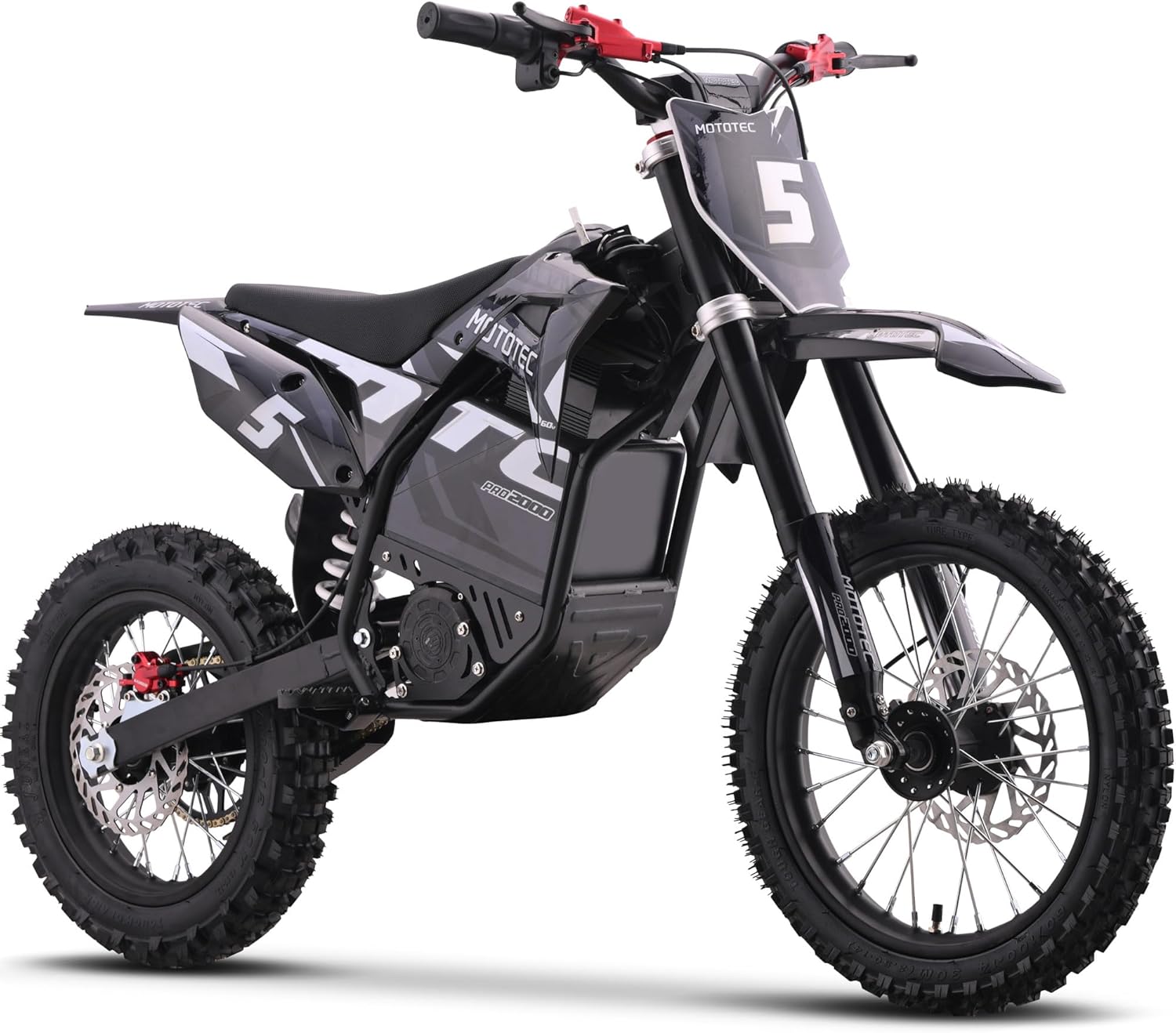
What to Look for When Buying an Electric Motorcycle
1. Budget & Price Range
Your budget is the foundation of your buying decision. Electric motorcycles vary dramatically in price, and while it’s tempting to go for the cheapest option, doing so can lead to disappointment in performance, reliability, or longevity. Entry-level models typically start around $4,000–$6,000 and are ideal for short urban commutes or casual riders. These bikes often have smaller batteries, lower top speeds (usually under 50 mph), and limited range—somewhere between 40 and 70 miles per charge. Mid-range models ($8,000–$15,000) offer a sweet spot for most buyers, balancing affordability with solid performance, better build quality, and features like smartphone integration and improved suspension. Premium models ($15,000–$25,000) deliver high-speed capabilities (often 90+ mph), extended range (100–150 miles), and advanced electronics. Luxury or performance-focused models can exceed $25,000 and include track-ready specs, carbon fiber components, and cutting-edge battery tech.
When setting your budget, don’t forget to factor in long-term costs. Electric motorcycles have fewer moving parts than gas bikes, which means lower maintenance expenses—no oil changes, spark plugs, or exhaust systems to worry about. However, battery replacement can be costly (typically $2,000–$5,000 after 5–8 years), so consider the manufacturer’s battery warranty and expected lifespan. Also, check if the bike qualifies for federal or state incentives, which can shave thousands off the purchase price. Always ask: “What am I getting for my money?” A slightly higher upfront cost may save you money and headaches down the road.
2. Performance Specifications
Performance is where electric motorcycles truly shine—and where they can vary the most. The key specs to evaluate are motor power (measured in kilowatts or horsepower), torque (in lb-ft), top speed, and acceleration. Electric motors deliver instant torque, meaning many e-motorcycles can go from 0 to 60 mph in under 4 seconds—faster than most gas-powered bikes in the same class. For example, the Zero SR/F delivers 110 hp and 140 lb-ft of torque, enabling a 0–60 time of just 3.3 seconds. That kind of responsiveness is thrilling, especially in city traffic or on winding roads.
Top speed is another critical metric. Commuter-focused models may cap out at 50–60 mph, which is fine for city riding but limiting on highways. If you plan to ride on freeways or open roads, aim for a bike with a top speed of at least 80 mph. Acceleration matters too—especially if you need to merge quickly or overtake other vehicles. Look for bikes with multiple ride modes (Eco, Sport, Rain, etc.) that let you tailor power delivery to your needs. Also, consider how the bike handles weight distribution. Electric motorcycles often have heavy batteries low in the frame, which improves stability and cornering but can make them feel sluggish at low speeds. Test rides are invaluable here—feel how the bike responds to throttle input, braking, and lean angles.
3. Range & Battery Technology
Range anxiety is one of the biggest concerns for new electric motorcycle buyers—and for good reason. Unlike gas stations, charging infrastructure is still developing, especially in rural areas. The average electric motorcycle offers between 60 and 120 miles of range on a single charge, but this varies widely based on riding style, terrain, weather, and battery capacity. For daily commuters traveling 20–30 miles round-trip, even a modest range is sufficient. But if you plan weekend trips or longer rides, you’ll want a bike with 100+ miles of real-world range.
Battery capacity is measured in kilowatt-hours (kWh). A 5 kWh battery might give you 50–60 miles, while a 15 kWh pack can deliver 120–150 miles. Look for lithium-ion batteries with high energy density and long cycle life (typically 1,000–2,000 charge cycles before significant degradation). Some manufacturers, like Zero and Energica, offer optional range extenders or dual-battery configurations. Charging time is equally important. Most bikes charge via Level 1 (standard 120V outlet) in 8–12 hours, Level 2 (240V home charger) in 2–4 hours, and DC fast charging (where available) in under an hour. If you’re often on the go, prioritize models with fast-charging capability. Also, check if the battery is removable—some bikes allow you to swap in a fresh pack at charging stations, effectively eliminating downtime.
4. Build Quality & Durability
An electric motorcycle is a significant investment, so you want it to last. Build quality encompasses frame materials, suspension components, braking systems, and overall craftsmanship. High-end models often use aluminum or chromoly steel frames for strength and lightness, while budget bikes may rely on heavier steel or lower-grade alloys. Suspension matters too—look for adjustable front forks and rear shocks, especially if you ride on rough roads or carry a passenger. Brakes should be responsive and reliable; dual disc brakes with ABS are becoming standard on mid- to high-tier models and are strongly recommended for safety.
Weather resistance is another factor. While most electric motorcycles are designed to handle light rain, not all are fully waterproof. Check the IP (Ingress Protection) rating—IP67 or higher means the bike can withstand dust and temporary immersion. Also, consider where you’ll store the bike. If it’s exposed to the elements, look for corrosion-resistant finishes and sealed electronics. Finally, inspect the fit and finish: Are panels aligned? Are welds clean? Do controls feel solid? A well-built bike not only performs better but also holds its value longer. Brands like BMW, Harley-Davidson, and Zero have strong reputations for durability, while some budget brands may cut corners on materials and assembly.
5. Features & Functionality
Modern electric motorcycles are packed with smart features that enhance safety, convenience, and ride experience. Start with connectivity: Many bikes now come with Bluetooth and smartphone apps that let you monitor battery status, track location, adjust ride modes, and even lock/unlock the bike remotely. GPS navigation integration is becoming common, allowing turn-by-turn directions on the dashboard display. Some models, like the Energica Experia, include built-in dashcams and emergency crash detection.
Safety features are equally important. Look for traction control, cornering ABS, and regenerative braking, which recaptures energy during deceleration and improves efficiency. LED lighting is standard on most new models and offers better visibility and longevity than halogen bulbs. Heated grips and seats are nice touches for colder climates. For touring riders, consider storage options—some bikes have under-seat compartments or optional saddlebags. Also, check the instrument cluster: Is it easy to read in sunlight? Does it show essential info like speed, range, and battery percentage at a glance? The best electric motorcycles blend performance with thoughtful, rider-centric design.
6. Brand Reputation & Reliability
Not all electric motorcycle brands are created equal. Established names like Zero Motorcycles, Energica, and Harley-Davidson have years of experience and proven track records. Zero, for instance, has been building electric bikes since 2006 and offers a nationwide service network. Energica, an Italian manufacturer, powers the FIM Enel MotoE World Cup, proving its bikes can handle professional racing conditions. These brands invest heavily in R&D, customer support, and long-term reliability.
On the other hand, newer or lesser-known brands may offer attractive prices but lack service infrastructure or proven durability. Before buying, research the company’s history, customer reviews, and how they handle recalls or repairs. Check if they have certified dealers near you—this makes maintenance and warranty claims much easier. Also, look for third-party certifications or awards. For example, the Cake Kalk OR won multiple design and innovation awards, signaling strong engineering and user satisfaction. A reputable brand doesn’t just sell a bike—it stands behind it.
7. Warranty & Support
A strong warranty is a sign of confidence in a product—and a lifesaver if something goes wrong. Most electric motorcycles come with a 2-year comprehensive warranty covering the motor, battery, and major components. Some brands, like Zero, offer extended battery warranties (up to 8 years or 100,000 miles), which is crucial given the high cost of replacement. Always read the fine print: What’s covered? What voids the warranty? Are software updates included?
Customer support matters too. Can you reach a real person quickly? Is there a 24/7 hotline? Do they offer loaner bikes during repairs? Brands with strong support networks—like Harley-Davidson’s LiveWire division—tend to have higher customer satisfaction. Also, check online forums and review sites for common issues. If a particular model has recurring problems with the battery management system or charging port, that’s a red flag. A good warranty and responsive support team can turn a potential disaster into a minor inconvenience.
8. User Reviews & Real-World Feedback
Spec sheets and marketing materials only tell part of the story. Real-world user reviews provide invaluable insights into how a bike performs day-to-day. Look for feedback on range consistency, charging reliability, comfort over long rides, and ease of maintenance. Pay attention to patterns: If multiple users report the same issue—like poor suspension on rough roads or app connectivity problems—it’s likely a genuine flaw.
Forums like Reddit’s r/electricmotorcycles, Electric Motorcycle News, and YouTube reviews are excellent resources. Watch ride-along videos to hear the motor sound, see the dashboard in action, and observe handling. Also, check professional reviews from outlets like Cycle World, Motorcycle.com, or Electrek. They often conduct long-term tests and compare models side by side. Don’t just focus on the positives—honest criticism helps you avoid surprises. A bike that looks perfect on paper might have ergonomic issues or software bugs that only emerge after weeks of use.
Different Types of Electric Motorcycles
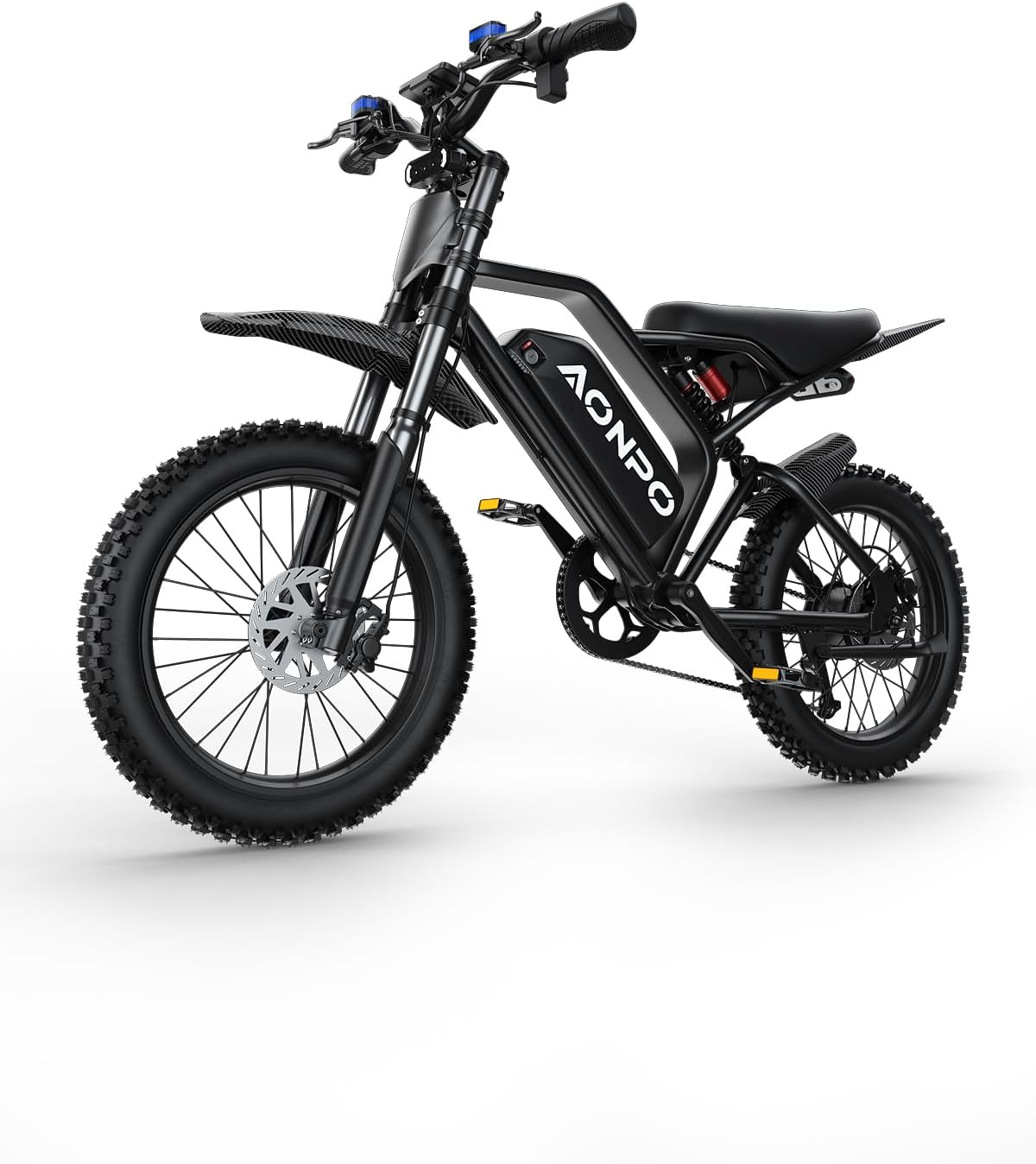
Common Buying Mistakes to Avoid
❌ Mistake: Focusing Only on Price
Why it’s bad: Choosing the cheapest bike without considering long-term value can lead to higher costs down the line. Budget models may have poor build quality, limited range, or weak support networks, resulting in frequent repairs or early replacement.
What to do instead: Evaluate total cost of ownership, including maintenance, battery life, and resale value. A mid-range bike with a solid warranty and good reviews often offers better value than the lowest-priced option.
❌ Mistake: Ignoring Real-World Range
Why it’s bad: Manufacturers often quote “ideal” range numbers based on perfect conditions. In reality, cold weather, hills, and aggressive riding can reduce range by 20–40%. Relying on optimistic specs can leave you stranded.
What to do instead: Look for real-user range reports and subtract 20–30% from the advertised number. Choose a bike with at least 20–30 extra miles of range beyond your daily needs.
❌ Mistake: Overlooking Charging Infrastructure
Why it’s bad: If you can’t charge at home or work, owning an electric motorcycle becomes inconvenient. Public charging stations are still sparse in many areas, and not all support fast charging.
What to do instead: Assess your charging options before buying. Install a Level 2 charger at home if possible, or choose a bike with removable batteries for portable charging.
❌ Mistake: Skipping the Test Ride
Why it’s bad: Specs don’t tell you how a bike feels. A motorcycle that looks great on paper might be uncomfortable, hard to handle, or have poor ergonomics.
What to do instead: Always test ride before purchasing. Pay attention to seat comfort, handlebar position, weight distribution, and throttle response.
❌ Mistake: Neglecting Safety Features
Why it’s bad: Electric motorcycles can accelerate faster than gas bikes, increasing the risk of loss of control. Without ABS or traction control, even experienced riders can be caught off guard.
What to do instead: Prioritize bikes with advanced safety systems, especially if you’re new to riding or plan to ride in varied conditions.
❌ Mistake: Buying Without Researching the Brand
Why it’s bad: Some brands have limited service networks or poor customer support. If your bike breaks down, you could be stuck without help for weeks.
What to do instead: Choose established brands with strong reputations and local dealer support. Check warranty terms and user forums for reliability insights.
❌ Mistake: Forgetting About Insurance and Registration
Why it’s bad: Electric motorcycles still require registration, licensing, and insurance—sometimes at higher rates due to their performance capabilities. Unexpected costs can strain your budget.
What to do instead: Get insurance quotes and check local regulations before buying. Some states offer incentives for electric vehicles, which can offset costs.
Budget Guidelines: How Much Should You Spend?
Entry-Level ($4,000 – $8,000): This tier is perfect for city commuters and casual riders. Expect modest range (40–70 miles), top speeds under 60 mph, and basic features. Bikes like the Super Soco TC Max or NIU NQi GT fall here. They’re lightweight, easy to handle, and ideal for short trips. However, build quality and longevity may be limited.
Mid-Range ($8,000 – $15,000): The sweet spot for most buyers. Models like the Zero FXE or Cake Kalk& offer excellent performance, 80–120 miles of range, and smart features like app connectivity and regenerative braking. These bikes balance affordability with reliability and are great for daily use and weekend rides.
Premium ($15,000 – $25,000): For enthusiasts and serious riders. Bikes like the Zero SR/F or Energica Ego deliver high-speed performance, 100+ mile range, and premium components. You’ll get advanced electronics, superior suspension, and strong brand support. Ideal for highway riding and long-distance travel.
Luxury ($25,000+): Top-tier models like the Harley-Davidson LiveWire One or Energica Experia offer cutting-edge technology, luxury finishes, and race-inspired performance. These bikes are for collectors, tech lovers, and those who want the best of everything—no compromises.
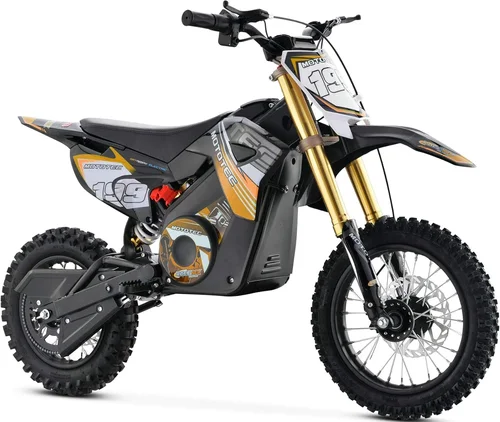
Expert Tips for Getting the Best Deal
- Buy during off-season: Dealers often offer discounts in winter (January–March) when demand is low. You can save $1,000–$3,000 on new models.
- Negotiate trade-ins and incentives: If you have a gas bike to trade, use it as leverage. Also, ask about federal tax credits, state rebates, or manufacturer promotions.
- Consider certified pre-owned: Used electric motorcycles depreciate quickly. A 1–2 year old model can save you 20–30% while still having most of its battery life.
- Install a home charger: A Level 2 charger costs $500–$1,000 but saves hours of charging time and increases convenience. Some utilities offer rebates.
- Read the warranty carefully: Look for coverage on the battery, motor, and electronics. Avoid brands with short or restrictive warranties.
- Join owner communities: Online forums and local groups can alert you to deals, recalls, and maintenance tips. They’re also great for finding used bikes.
- Test multiple models: Don’t settle for the first bike you try. Compare at least 2–3 options to find the best fit for your needs.

Frequently Asked Questions
Q: How long do electric motorcycle batteries last?
A: Most lithium-ion batteries last 5–8 years or 1,000–2,000 charge cycles before losing significant capacity. Proper care—like avoiding extreme temperatures and not draining to 0%—can extend lifespan.
Q: Can I ride an electric motorcycle in the rain?
A: Yes, most are designed to handle light rain. Look for an IP67 rating or higher for better water resistance. Avoid submerging the bike or riding through deep puddles.
Q: Do I need a special license to ride an electric motorcycle?
A: It depends on your state and the bike’s power output. In most places, bikes under 75 mph and 25 hp require a standard motorcycle license. Check local DMV regulations.
Q: How much does it cost to charge an electric motorcycle?
A: On average, a full charge costs $1–$3, depending on electricity rates and battery size. This is significantly cheaper than filling a gas tank.
Q: Are electric motorcycles reliable?
A: Generally, yes. With fewer moving parts, they have lower maintenance needs. However, battery and software issues can occur, so choose a reputable brand.
Q: Can I take an electric motorcycle on long trips?
A: Yes, with planning. Touring models like the Energica Experia or Zero DSR/X offer 100+ mile range and fast charging. Use apps like PlugShare to locate charging stations along your route.
Q: What happens if the battery dies while riding?
A: Most bikes have a “limp mode” that allows you to ride slowly to a charging point. Always carry a portable charger or know your nearest charging locations.
Q: Are electric motorcycles safe?
A: Yes, when equipped with proper safety features like ABS, traction control, and good lighting. Their quiet operation can be a hazard in traffic, so use horns and lights proactively.
Q: Can I modify or upgrade my electric motorcycle?
A: Some brands allow firmware updates or performance tuning via apps. Hardware modifications are limited due to integrated systems, so check compatibility before making changes.
Q: What’s the resale value of electric motorcycles?
A: Depreciation is steep in the first 2–3 years, similar to EVs. However, well-maintained models from reputable brands hold value better. Battery health is a key factor for buyers.
Our Final Recommendations
Best for Budget-Conscious Buyers: Zero FXE – At around $12,000, it offers 100+ miles of range, solid performance, and Zero’s reliable platform. Great for city and suburban riders.
Best Overall Value: Cake Kalk& – Priced at $14,000, this Swedish-built bike blends off-road capability with urban practicality. Lightweight, stylish, and built to last.
Best Premium Option: Energica Ego – With 150+ mile range, 145 hp, and race-bred tech, it’s a thrill ride for serious enthusiasts. Ideal for highways and long rides.
Best for Beginners: Super Soco TC Max – Affordable ($6,500), easy to handle, and perfect for learning. Great range and modern design make it a standout entry-level choice.
Best for Advanced Users: Harley-Davidson LiveWire One – A premium electric cruiser with 146 miles of range, fast charging, and Harley’s legendary brand. Perfect for riders who want style and substance.
Conclusion: Making the Right Choice
Choosing the right electric motorcycle in 2026 is about more than just specs and price—it’s about aligning your ride with your lifestyle, values, and long-term goals. Whether you’re drawn to the silent efficiency of a city commuter, the raw power of a performance machine, or the freedom of a long-range tourer, there’s an electric motorcycle built for you. By focusing on key factors like range, build quality, safety, and brand support, you can avoid common pitfalls and find a bike that delivers joy, reliability, and sustainability for years to come.
Remember, the best electric motorcycle isn’t necessarily the fastest or most expensive—it’s the one that fits your needs, budget, and riding style. Take your time, do your research, test ride whenever possible, and don’t hesitate to ask questions. The electric revolution is just getting started, and you have the opportunity to be part of it from the ground up. So gear up, charge up, and get ready to ride into the future—quietly, cleanly, and confidently.