

Electric scooters have rapidly evolved from niche urban gadgets into essential mobility tools—especially for college students navigating sprawling campuses, tight schedules, and limited budgets. With rising fuel costs, parking shortages, and growing environmental awareness, more students than ever are turning to electric scooters as a practical, eco-friendly alternative to cars, buses, or even walking long distances between classes. Whether you’re commuting from off-campus housing to lecture halls, zipping across quad to meet friends, or running errands around town, an e-scooter can save time, reduce stress, and even add a little fun to your daily routine.
This comprehensive buying guide is designed specifically for college students—or anyone shopping on their behalf—who want to make a smart, informed decision when choosing an electric scooter. We’ll walk you through every critical factor that matters: from budget constraints and performance needs to portability, safety features, and long-term reliability. You’ll learn how to avoid common pitfalls, understand what specs actually translate into real-world usability, and discover which models offer the best value for student life. By the end of this guide, you won’t just know which scooter to buy—you’ll know why it’s the right choice for your lifestyle.
The electric scooter market in 2026 is more competitive and diverse than ever. Major brands like Gotrax, Xiaomi, Segway-Ninebot, and Razor continue to innovate, while newer entrants bring fresh designs and aggressive pricing. At the same time, campus policies are becoming clearer about where and how e-scooters can be used, and charging infrastructure is improving in many university towns. This means students now have access to safer, smarter, and more affordable options than just a few years ago. Whether you’re looking for a lightweight commuter under $300 or a rugged, high-performance ride capable of handling hills and rough pavement, there’s a scooter built for your needs—if you know what to look for.

What to Look for When Buying Gotrax
1. Budget & Price Range
For most college students, budget is the single most important factor when choosing an electric scooter. Tuition, textbooks, rent, and food already stretch finances thin, so it’s essential to find a scooter that delivers reliable performance without breaking the bank. In 2026, entry-level e-scooters start around $250–$300, while mid-range models typically fall between $400–$600. Premium options with advanced features can exceed $800, but for typical campus use, spending more than $600 is often unnecessary.
When evaluating price, don’t just look at the sticker cost—consider total ownership expenses. Cheaper scooters may save you upfront but could cost more in repairs, battery replacements, or early upgrades. Look for models with replaceable batteries, readily available spare parts, and strong warranty coverage. A $350 scooter with a 12-month warranty and solid build quality is usually a better long-term investment than a $279 model with flimsy components and no customer support.
2. Performance Specifications
Performance specs determine how well your scooter will handle real-world campus conditions. Key metrics include top speed, motor power, range, and hill-climbing ability. For most college campuses—which are generally flat or gently sloped—a scooter with a 250W to 350W motor is sufficient. It will comfortably reach speeds of 15–18 mph, which is fast enough to keep up with foot traffic and bike lanes but slow enough to remain safe in crowded areas.
Range is another critical spec. Most students don’t need to travel more than 5–8 miles per day, so a scooter with a 10–15 mile range is ideal. However, always check real-world range reviews, as manufacturer claims often assume perfect conditions (flat terrain, light rider, no wind). Cold weather, hills, and frequent stops can reduce range by 20–30%. If you live far from campus or plan to use your scooter for weekend errands, prioritize models with larger batteries (e.g., 36V 7.5Ah or higher).
Hill-climbing ability matters if your campus has inclines. A scooter with at least 15% gradeability can handle moderate hills without straining the motor. Avoid ultra-budget models with weak motors (<200W), as they may struggle on even slight slopes, especially with a heavier rider or backpack.
3. Build Quality & Durability
College life is tough on gear. Your scooter will face rain, potholes, crowded sidewalks, and possibly even accidental drops. That’s why build quality is non-negotiable. Look for scooters with aluminum alloy frames—lightweight yet strong—and reinforced decks that can support at least 220–260 lbs. Avoid plastic-heavy designs, which tend to crack or warp over time.
Check the tires: solid rubber tires are puncture-proof and low-maintenance but offer a rougher ride. Pneumatic (air-filled) tires provide better shock absorption and grip, especially on uneven pavement, but require occasional inflation and are vulnerable to flats. For campus use, many students prefer hybrid or semi-pneumatic tires that balance comfort and durability.
Water resistance is also key. While no scooter is fully waterproof, an IP54 or IPX4 rating means it can handle light rain and splashes—enough for typical college weather. Avoid riding in heavy downpours, but don’t panic if you get caught in a drizzle.
4. Features & Functionality
Modern electric scooters come packed with features that enhance safety, convenience, and usability. Essential features for students include:
- LED Headlight & Taillight: Crucial for early morning or evening rides. Look for bright, adjustable headlights and brake-activated taillights.
- Digital Display: Shows speed, battery level, and sometimes ride mode. A clear, backlit display is easier to read in daylight.
- Multiple Speed Modes: Eco mode conserves battery for longer trips; Sport mode offers faster acceleration for open roads.
- Regenerative Braking: Recovers a small amount of energy during braking, slightly extending range.
- App Connectivity: Some models sync with smartphone apps for ride tracking, anti-theft alerts, and firmware updates.
Avoid overpaying for gimmicks like built-in speakers or RGB lighting—these add cost without improving core functionality. Focus on features that directly impact safety and daily usability.
5. Size & Portability
As a student, you’ll likely need to carry your scooter up stairs, store it in a dorm room, or take it on public transit. Portability is therefore a major consideration. Look for scooters that fold quickly and compactly—ideally with a one-step folding mechanism. Weight matters too: anything over 30 lbs becomes cumbersome to carry for long distances. Most student-friendly models weigh between 22–28 lbs.
Check the folded dimensions. A scooter that’s too long or wide may not fit under a dorm desk or in a crowded bike rack. Some models include carrying handles or shoulder straps, which make transport much easier. If you plan to take your scooter on buses or trains, confirm local regulations—some transit systems have size or battery restrictions.
6. Brand Reputation & Reliability
Not all scooter brands are created equal. Established brands like Gotrax, Xiaomi, and Segway-Ninebot have proven track records for quality control, customer service, and parts availability. Gotrax, in particular, has become a favorite among budget-conscious students due to its balance of affordability and reliability. Their scooters are widely sold through major retailers like Amazon, Walmart, and Best Buy, making returns and support straightforward.
Avoid unknown brands with no online presence or customer reviews. While they may offer tempting prices, you risk receiving defective units, poor after-sales support, or incompatible spare parts. Always check independent review sites, Reddit forums, and YouTube testimonials before buying.
7. Warranty & Customer Support
A good warranty protects your investment. Most reputable brands offer at least a 12-month limited warranty covering motor, battery, and frame defects. Some premium models include 18–24 months. Read the fine print: many warranties exclude “normal wear and tear,” water damage, or improper charging.
Customer support matters just as much. Can you easily reach a human via phone or chat? Are replacement parts (like tires, chargers, or brake pads) readily available? Gotrax, for example, provides U.S.-based support and sells spare parts directly through their website—a big plus for students who can’t wait weeks for international shipping.
8. User Reviews & Real-World Feedback
Specs on a product page don’t tell the whole story. User reviews reveal how a scooter performs in daily life—especially under student conditions like heavy backpacks, wet sidewalks, and frequent short trips. Look for patterns in reviews: if multiple users report battery degradation after 6 months, that’s a red flag. Conversely, consistent praise for ease of folding or quiet operation is a strong endorsement.
Pay attention to verified purchase reviews and long-term users (6+ months). Avoid reviews that seem overly promotional or lack detail. Video reviews are especially helpful—they show actual riding experience, folding mechanics, and build quality in action.
Different Types of Gotrax
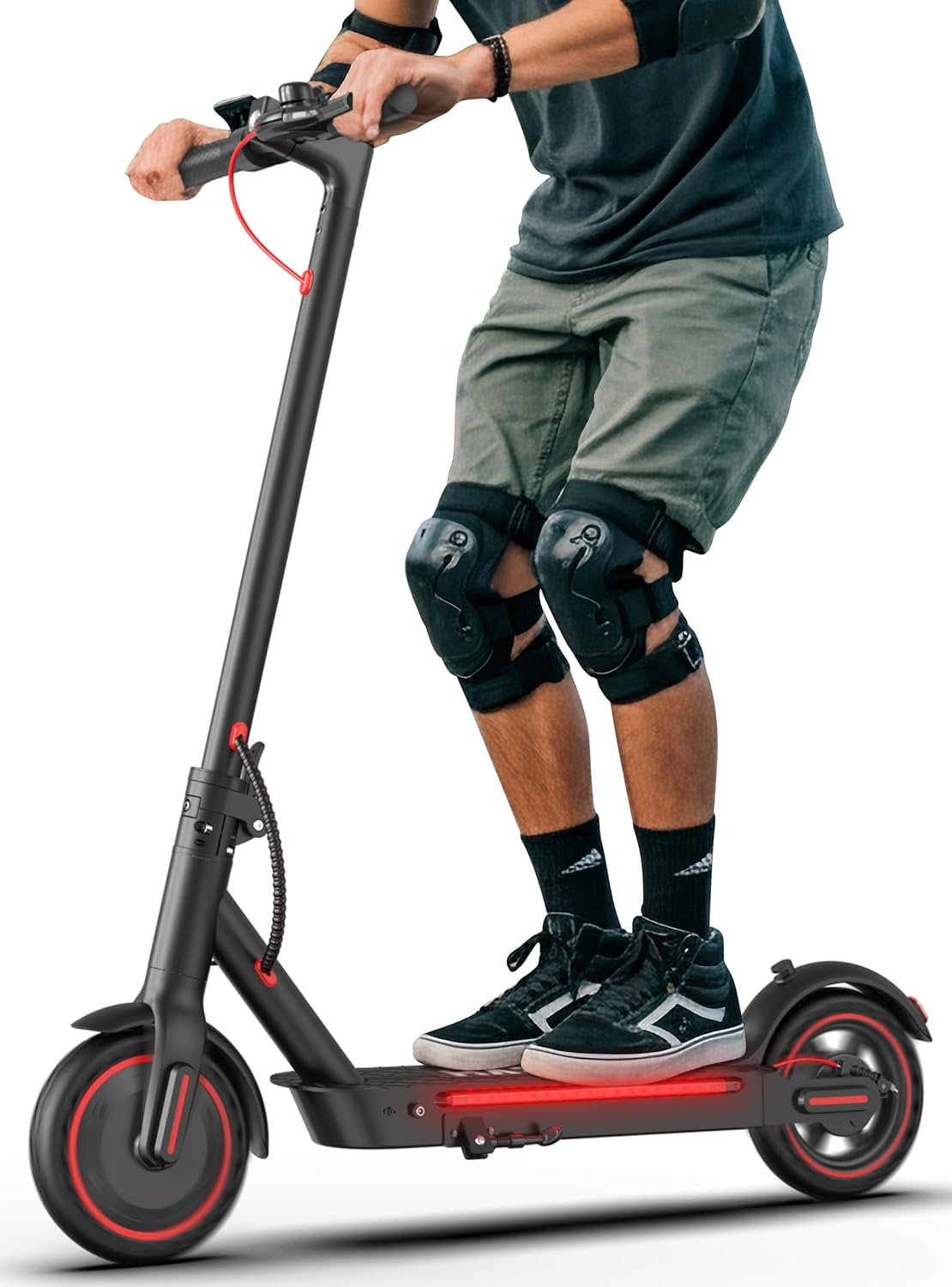
Common Buying Mistakes to Avoid

❌ Mistake: Prioritizing Price Over Build Quality
Why it’s bad: The cheapest scooters often use thin aluminum, weak motors, and low-capacity batteries that degrade quickly. You might save $50 upfront but end up replacing the scooter within a year—costing more in the long run.
What to do instead: Spend a little more for a reputable brand with solid construction. A $350 scooter from Gotrax or Xiaomi will outlast a $250 no-name model and save you headaches.
❌ Mistake: Ignoring Real-World Range Claims
Why it’s bad: Manufacturers often advertise range under ideal conditions (light rider, flat ground, no wind). In reality, a scooter rated for 15 miles might only deliver 10–12 miles with a 180-lb student and frequent stops.
What to do instead: Always subtract 20–30% from the advertised range. If you need 10 miles of real range, buy a scooter rated for at least 13–15 miles.
❌ Mistake: Overlooking Portability Needs
Why it’s bad: A heavy, bulky scooter becomes a burden when you have to carry it up three flights of stairs to your dorm or stash it in a crowded lecture hall.
What to do instead: Test the folded size and weight before buying. If possible, visit a store to lift and fold the scooter yourself. Aim for under 30 lbs and a compact fold.
❌ Mistake: Skipping Safety Features
Why it’s bad: Riding at night without lights or braking suddenly on wet pavement without responsive brakes can lead to accidents—especially in busy campus zones.
What to do instead: Ensure your scooter has front and rear lights, reliable disc or electronic brakes, and a bell or horn. Consider adding reflective stickers or a helmet light for extra visibility.
❌ Mistake: Buying Without Checking Campus Rules
Why it’s bad: Some universities ban e-scooters on sidewalks, require registration, or restrict where they can be parked. Getting fined or having your scooter impounded is a costly hassle.
What to do instead: Review your school’s transportation policy before purchasing. Many campuses have dedicated scooter parking zones or partner with rental programs.
❌ Mistake: Neglecting Warranty and Support
Why it’s bad: If your battery fails after 4 months and the brand offers no warranty or hard-to-reach support, you’re stuck with a $400 paperweight.
What to do instead: Choose brands with clear warranty terms and accessible customer service. Gotrax, for example, provides U.S.-based support and sells replacement parts online.
❌ Mistake: Falling for “Too Good to Be True” Deals
Why it’s bad: Scooters advertised as “$199 with 20-mile range and 25 mph speed” are almost always low-quality imitations with unsafe batteries or fake specs.
What to do instead: Stick to well-known retailers and avoid third-party sellers on auction sites. If a deal seems unrealistic, it probably is.
Budget Guidelines: How Much Should You Spend?
Choosing the right price tier depends on your usage, campus layout, and financial situation. Here’s a realistic breakdown for 2026:
Entry-Level ($250–$350): Ideal for students who live close to campus and only need short, flat commutes. Expect basic features: 15–18 mph top speed, 8–12 mile range, solid tires, and minimal suspension. Models like the Gotrax GXL V2 or Razor E300 fit this category. Great for beginners or occasional use, but may struggle on hills or with heavier riders.
Mid-Range ($400–$600): The sweet spot for most college students. These scooters offer reliable performance, better build quality, and useful features like LED lights, digital displays, and app connectivity. Examples include the Gotrax G4, Xiaomi Mi Electric Scooter Essential, and Segway Ninebot ES2. They handle moderate hills, offer 12–18 mile ranges, and are durable enough for daily use.
Premium ($650–$900): Best for students with longer commutes, hilly campuses, or those who want maximum comfort and longevity. These models often include pneumatic tires, dual braking systems, regenerative braking, and extended warranties. The Gotrax GMAX or Ninebot Max G30LP are excellent choices. While pricier, they’re built to last 3–5 years with proper care.
Luxury ($900+): Typically overkill for campus use unless you’re an enthusiast or need off-road capability. These scooters boast high speeds (25+ mph), 25+ mile ranges, advanced suspension, and smart features. Only consider if you plan to use the scooter beyond college or for weekend adventures.

Expert Tips for Getting the Best Deal
- Shop During Back-to-School Sales: August and September are prime times for student discounts. Retailers like Amazon, Best Buy, and Walmart often run promotions with free shipping or bundled accessories (helmets, locks).
- Compare Prices Across Retailers: Use price-tracking tools like Honey or CamelCamelCamel to monitor fluctuations. Sometimes, the same model is $50 cheaper at one store.
- Check Student Discount Programs: Some brands (like Segway) offer verified student discounts through UNiDAYS or Student Beans. Always ask!
- Read Return Policies Carefully: Ensure you can return the scooter within 30 days if it doesn’t meet your needs. Some retailers charge restocking fees or exclude electronics.
- Test Ride When Possible: If you live near a store that carries e-scooters, take a test ride. Pay attention to comfort, braking responsiveness, and folding ease.
- Invest in a Good Lock: E-scooters are theft magnets on campus. Spend $30–$50 on a U-lock or heavy-duty chain to secure your investment.
- Charge Smart: Avoid draining the battery to 0% or leaving it plugged in overnight. Keeping it between 20–80% extends battery life significantly.
- Join Online Communities: Reddit’s r/ElectricScooters and Facebook groups often share deals, repair tips, and campus-specific advice.

Frequently Asked Questions
Q: Are electric scooters allowed on college campuses?
A: Policies vary by school, but most universities permit e-scooters on roads and bike lanes. Some ban them on sidewalks or require registration. Always check your institution’s transportation office website before buying.
Q: How long does the battery last?
A: Most lithium-ion batteries last 300–500 charge cycles, which translates to 1.5–3 years of daily use. Proper charging habits (avoiding full discharges) can extend this lifespan.
Q: Can I ride my scooter in the rain?
A: Scooters with IP54 or IPX4 ratings can handle light rain, but avoid deep puddles or heavy storms. Water can damage the motor, battery, or electronics. Dry your scooter thoroughly after wet rides.
Q: What’s the weight limit for most student scooters?
A: The typical weight limit is 220–260 lbs. Heavier riders should look for models specifically rated for 300+ lbs, often found in premium or rugged categories.
Q: Do I need a license or insurance?
A: In most U.S. states, no license or insurance is required for scooters under 20 mph. However, some cities have local regulations—check your municipal code.
Q: How fast can I go on a campus scooter?
A: Most student-friendly models cap out at 15–18 mph, which is safe for shared pathways. Avoid high-speed scooters on crowded campuses—they increase accident risk.
Q: Can I take my scooter on a plane?
A: Generally no. Most airlines prohibit lithium batteries over 100Wh in checked or carry-on luggage. If your scooter’s battery exceeds this (common in premium models), you’ll need special approval—which is rarely granted.
Q: What should I do if my scooter breaks down?
A: First, check the warranty. Contact the manufacturer or retailer for repair options. For minor issues (flat tire, loose bolts), many problems can be fixed with basic tools or YouTube tutorials.
Q: Are there eco-friendly benefits to using an e-scooter?
A: Absolutely. E-scooters produce zero emissions during use and consume far less energy than cars. Over a year, switching from driving to scooting can save hundreds of pounds of CO₂.
Q: Should I buy a helmet?
A: Yes. Even if not legally required, a helmet significantly reduces head injury risk. Look for CPSC-certified helmets that fit snugly and are comfortable for long wear.
Our Final Recommendations
Best for Budget-Conscious Buyers: Gotrax GXL V2 – At around $329, it offers reliable performance, a 12-mile range, and solid build quality. Perfect for flat campuses and light daily use.
Best Overall Value: Gotrax G4 – Priced at $499, it includes a bright LED display, app connectivity, 18-mile range, and excellent customer support. A true workhorse for students.
Best Premium Option: Segway Ninebot Max G30LP – With 40-mile range, pneumatic tires, and top-tier durability, it’s ideal for long commutes or hilly terrain. Worth the $799 investment if you ride daily.
Best for Beginners: Razor E300 – Simple, sturdy, and affordable ($279). Great for first-time riders who want a no-frills, reliable starter scooter.
Best for Advanced Users: Gotrax GMAX – Combines speed (20 mph), range (25 miles), and rugged design. Ideal for students who want performance without the luxury price tag.
Conclusion: Making the Right Choice
Choosing the right electric scooter as a college student isn’t just about picking the shiniest model or the lowest price—it’s about finding a reliable, safe, and practical tool that fits your lifestyle, campus environment, and budget. By focusing on key factors like build quality, real-world range, portability, and warranty support, you’ll avoid common pitfalls and invest in a scooter that serves you well throughout your academic journey.
Remember, the best scooter is the one you’ll actually use. Don’t overcomplicate it: prioritize your daily needs—whether that’s carrying it up stairs, riding in light rain, or making it across campus before your 9 a.m. lecture. With the insights from this guide, you’re now equipped to make a confident, informed decision. Take your time, compare options, and don’t hesitate to ask questions. Your perfect ride is out there—safe, smart, and ready to roll.
Now go find it.