

Mopeds are a fantastic way to get around—affordable, fuel-efficient, and perfect for navigating city traffic. But with convenience comes risk. Mopeds are prime targets for theft due to their compact size, light weight, and high resale value on the black market. A single moment of carelessness—leaving your moped unlocked for just a minute—can result in a devastating loss. That’s why investing in a high-quality moped lock isn’t just a smart move; it’s essential.
This comprehensive buying guide is designed to help you make an informed decision when choosing the best moped lock for your needs. Whether you’re a daily commuter, a weekend rider, or someone who uses their moped occasionally, understanding the nuances of moped security can save you thousands of dollars and a lot of stress. In this guide, we’ll walk you through everything you need to know: from evaluating build quality and lock types to understanding price ranges and avoiding common pitfalls. We’ll also compare different categories of locks, share expert tips for getting the best deal, and answer frequently asked questions to ensure you walk away with confidence.
The moped lock market has evolved significantly over the past few years. Gone are the days when a simple chain and padlock were enough. Today’s thieves use bolt cutters, angle grinders, and even hydraulic tools to bypass weak security. As a result, manufacturers have responded with innovative designs featuring hardened steel, anti-pick mechanisms, and smart technology. With so many options available—from U-locks and folding locks to heavy-duty chains and GPS-enabled alarms—it’s easy to feel overwhelmed. Our goal is to cut through the noise and give you a clear, actionable roadmap to choosing a lock that offers maximum protection without breaking the bank.

What to Look for When Buying a Moped Lock
1. Security Rating & Certification
One of the most critical factors when choosing a moped lock is its security rating. Look for locks that have been independently tested and certified by reputable organizations such as Sold Secure (UK), ART (Netherlands), or Thatcham (UK). These certifications provide a standardized measure of a lock’s resistance to various attack methods.
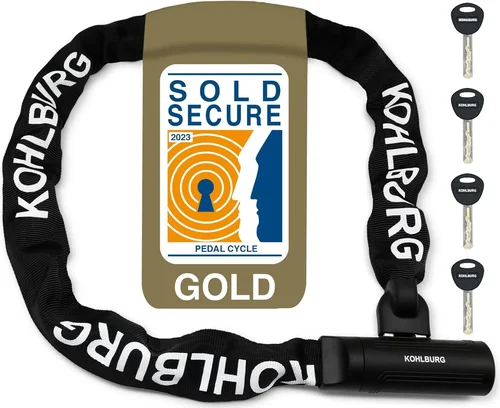
Sold Secure, for example, rates locks on a scale from Bronze to Diamond. A Bronze-rated lock offers basic protection and may deter opportunistic thieves, but it won’t stand up to determined attacks. Silver and Gold ratings indicate increasing levels of resistance to cutting, picking, and pulling. Diamond-rated locks are the gold standard—they’ve passed rigorous tests against power tools and sustained attacks. For urban environments or high-theft areas, always aim for at least a Gold rating.
Why does this matter? Because a lock without certification is essentially a guess. You’re relying on marketing claims rather than verified performance. A certified lock gives you peace of mind that it has been tested under real-world conditions. For example, a Sold Secure Gold-rated U-lock can typically withstand over 5 minutes of attack with bolt cutters and angle grinders—enough time to draw attention and deter most thieves.
2. Material & Build Quality
The materials used in a moped lock directly impact its durability and resistance to physical attacks. High-quality locks are typically made from hardened boron steel or manganese steel, both of which are extremely difficult to cut or drill. These metals are engineered to resist deformation and maintain structural integrity under stress.
Avoid locks made from mild steel or aluminum, as these materials can be easily compromised with basic tools. Even if a lock looks sturdy, the internal mechanism matters just as much. Look for double-locking shackles, which secure both ends of the U-lock or chain link, making it harder to pry open. Additionally, check for weather-resistant coatings like zinc plating or powder coating to prevent rust and corrosion, especially if you live in a humid or rainy climate.
Real-world example: A rider in London used a cheap aluminum chain lock and returned to find their moped gone—despite being parked in a well-lit area. The thief used a pair of bolt cutters and was in and out in under 30 seconds. Had they invested in a hardened steel chain with a Sold Secure Gold rating, the outcome might have been different.
3. Lock Type & Design
Not all locks are created equal, and the type you choose should match your usage patterns and security needs. The four main types of moped locks are U-locks (D-locks), chain locks, folding locks, and cable locks. Each has its strengths and weaknesses.
U-locks are compact, rigid, and highly resistant to cutting and leverage attacks. They’re ideal for securing your moped to fixed objects like bike racks or lampposts. However, their small size can be a limitation—they may not fit around larger objects or secure both wheels and the frame.
Chain locks offer greater flexibility. They can wrap around larger objects and secure multiple parts of the moped (frame, wheels, and even the helmet). High-end chain locks feature thick, interlocking links made from hardened steel. The downside? They’re heavier and bulkier than U-locks.
Folding locks combine the portability of a U-lock with the versatility of a chain. They consist of multiple steel plates connected by rivets, allowing them to bend and wrap around objects. They’re easier to carry than chains but may be more vulnerable to cutting if the links are thin.
Cable locks are the least secure option. While lightweight and easy to carry, they can be cut with basic wire cutters. They’re best used as a secondary lock or for low-risk areas.
Choose based on your environment: U-locks for quick stops in safe areas, chain or folding locks for longer parking in high-risk zones.
4. Size & Portability
A lock is only effective if you actually use it. If it’s too heavy or cumbersome, you’re more likely to skip locking up—especially on short trips. That’s why size and portability are crucial considerations.
U-locks are generally the most portable, often weighing between 1.5 to 3 pounds. Many come with mounting brackets that attach to your moped’s frame, so you don’t have to carry them in a bag. Folding locks are also relatively lightweight and compact when folded, making them a good middle ground.
Chain locks, while highly secure, can weigh 5 to 10 pounds or more. This makes them less convenient for daily commuting unless you have a secure storage compartment. Some riders opt for a lighter chain for everyday use and reserve a heavier one for overnight parking.
Consider your routine: If you make frequent short stops, a lightweight U-lock or folding lock is ideal. If you park overnight in a high-theft area, the extra weight of a heavy-duty chain may be worth the trade-off.
Also, think about how you’ll carry the lock. Does it come with a mount? Can it fit in your backpack or under the seat? A lock that’s easy to transport is a lock you’ll actually use.
5. Ease of Use & Convenience
A secure lock is useless if it’s a hassle to use. Look for features that make locking and unlocking quick and effortless. Keyed locks should have smooth-turning cylinders that don’t jam. Combination locks should have clearly marked dials and a reliable reset mechanism.
Some high-end locks now come with smart features like Bluetooth connectivity, allowing you to unlock your moped with a smartphone app. While convenient, these locks may be vulnerable to hacking or battery failure. Always have a physical backup key.
Another convenience factor is the shackle clearance—the space inside the U-lock or chain link. A wider clearance allows you to secure larger objects, like thick bike racks or street signs. Measure the diameter of common anchoring points in your area to ensure your lock will fit.
Also, consider the locking mechanism. Dual-shackle locks (where both ends of the U-lock are secured) are more secure than single-shackle designs, which can be pried open with a crowbar. However, they may be slightly harder to operate.
Finally, think about weather resistance. A lock that freezes in winter or jams in rain is a liability. Look for models with sealed cylinders and rust-resistant finishes.
6. Brand Reputation & Reliability
Not all lock brands are equal. Some have built a reputation for quality and innovation over decades, while others produce budget models that fail under pressure. Stick with well-known brands like Kryptonite, Abus, Oxford, OnGuard, and Altor.
Kryptonite, for example, is a pioneer in bike and moped security and offers a wide range of certified locks. Their New York Fahgettaboudit chain is legendary for its strength. Abus, a German company, is known for precision engineering and durable materials. Oxford and OnGuard offer excellent value-for-money options with strong security ratings.
Research brand history and customer feedback. A brand with a long track record of reliability is more likely to stand behind its products. Also, check if the company offers anti-theft protection programs. Kryptonite, for instance, provides a $3,500 guarantee if your moped is stolen while using one of their approved locks—proof of their confidence in their products.
Avoid no-name brands sold on discount websites. These locks often lack certification, use subpar materials, and may not perform as advertised. A $20 lock might seem like a bargain, but it could cost you your entire moped.
7. Warranty & Anti-Theft Guarantees
A strong warranty is a sign that a manufacturer believes in its product. Most reputable lock brands offer warranties ranging from 1 to 10 years. Some even include anti-theft guarantees that reimburse you if your moped is stolen while using their lock.
For example, Kryptonite’s Anti-Theft Protection Offer (ATPO) covers up to $3,500 for bikes and $1,000 for components when using a qualifying lock. Abus offers similar programs in certain regions. These guarantees not only provide financial protection but also demonstrate the brand’s commitment to security.
When evaluating warranties, read the fine print. Some guarantees require you to register the lock online, use it correctly (e.g., securing both frame and wheel), and report the theft within a specific timeframe. Failure to follow these steps could void the claim.
A good warranty also covers manufacturing defects, such as broken shackles or faulty key mechanisms. This ensures you’re not stuck with a defective lock that compromises your security.
8. User Reviews & Real-World Performance
While specs and certifications are important, real-world performance matters most. User reviews offer invaluable insights into how a lock performs over time. Look for reviews from riders in similar environments—urban commuters, students, delivery riders—who face the same theft risks.
Pay attention to recurring themes: Does the lock rust after a few months? Does the key jam in cold weather? Is the mounting bracket secure? Are there reports of theft despite using the lock?
Websites like Amazon, RevZilla, and motorcycle forums are great sources of honest feedback. Be wary of reviews that seem overly promotional or lack detail. Genuine reviews often include photos, usage scenarios, and comparisons to other locks.
Also, consider long-term durability. A lock that works perfectly for the first month may degrade over time due to wear, weather, or repeated use. A product with consistently high ratings over several years is a safer bet than one with only a few glowing reviews.
Different Types of Moped Locks

Common Buying Mistakes to Avoid
❌ Mistake: Choosing Price Over Security
Why it’s bad: A cheap lock may save you money upfront, but it offers minimal protection. Thieves can cut through low-quality locks in seconds, leaving you with a stolen moped and a false sense of security.
What to do instead: Invest in a lock with a recognized security rating (e.g., Sold Secure Gold). Think of it as insurance—spending $100 on a lock is far cheaper than replacing a $2,000 moped.
❌ Mistake: Using Only a Cable Lock
Why it’s bad: Cable locks are easily cut with basic tools. They’re better than nothing, but they won’t stop a determined thief.
What to do instead: Use a cable lock only as a secondary measure—for example, to secure your helmet or as an additional layer with a U-lock or chain.
❌ Mistake: Not Securing the Frame
Why it’s bad: Locking only the wheel or fork allows thieves to lift the moped and remove it easily. The frame is the most valuable part and must be secured to a fixed object.
What to do instead: Always lock the frame (and ideally both wheels) to an immovable anchor like a bike rack or street sign.
❌ Mistake: Ignoring the Anchor Point
Why it’s bad: A strong lock is useless if the object you’re locking to can be removed. Thieves have been known to cut through weak bike racks or unscrew loose signs.
What to do instead: Choose solid, well-anchored objects. Avoid flimsy poles, wooden fences, or anything that can be easily dismantled.
❌ Mistake: Forgetting to Register the Lock
Why it’s bad: Many anti-theft guarantees require registration. If you don’t register, you may not be eligible for reimbursement if your moped is stolen.
What to do instead: Register your lock online as soon as you buy it. Keep the receipt and documentation in a safe place.
❌ Mistake: Overlooking Weather Resistance
Why it’s bad: Locks exposed to rain, snow, or salt can rust and jam, making them difficult to use when you need them most.
What to do instead: Choose locks with weather-resistant coatings and sealed keyholes. Store them properly when not in use.
❌ Mistake: Buying Without Testing Fit
Why it’s bad: A lock that doesn’t fit your moped or common anchor points is impractical and may go unused.
What to do instead: Measure your moped’s frame and common locking spots. Test the lock in-store or read detailed size descriptions online.
Budget Guidelines: How Much Should You Spend?
- Entry-Level ($20 – $50): Suitable for low-risk areas or short-term use. Expect basic cable locks or low-rated U-locks. These offer minimal protection and are best for students or occasional riders in safe neighborhoods.
- Mid-Range ($50 – $120): The sweet spot for most riders. Includes Gold-rated U-locks, folding locks, and lightweight chains. Offers strong security without excessive weight or cost.
- Premium ($120 – $250): For high-theft areas and overnight parking. Features heavy-duty chains, dual-shackle U-locks, and smart locks with alarms. Ideal for urban commuters and delivery riders.
- Luxury ($250+): Top-tier security with advanced materials, GPS tracking, and comprehensive anti-theft guarantees. Best for expensive mopeds or riders in extreme-risk zones.

Expert Tips for Getting the Best Deal
- Buy during off-season sales: Many retailers offer discounts in winter when moped usage drops. Look for Black Friday, Cyber Monday, or end-of-season clearances.
- Compare prices across retailers: Check Amazon, RevZilla, Cycle Gear, and local bike shops. Online retailers often have better prices, but local shops may offer installation help.
- Look for bundle deals: Some brands sell locks with mounts, lights, or helmets at a discount. These can save you money and add value.
- Check for manufacturer rebates: Kryptonite and Abus occasionally offer rebates or free registration for anti-theft programs.
- Read return policies: Ensure you can return or exchange the lock if it doesn’t fit or meet expectations.
- Test before committing: If buying in-store, test the lock’s weight, ease of use, and fit with your moped.
- Consider used locks from trusted sources: Some riders sell high-quality locks in excellent condition. Just ensure they’re not compromised or damaged.

Frequently Asked Questions
Q: Can a moped lock really prevent theft?
A: No lock is 100% theft-proof, but a high-quality lock significantly reduces the risk. It acts as a deterrent, forcing thieves to spend more time and effort—often drawing attention. The goal is to make your moped a harder target than others.
Q: Should I use more than one lock?
A: Yes. Using two different types of locks (e.g., a U-lock and a chain) increases security. Thieves are less likely to carry tools for multiple lock types.
Q: How do I know if a lock is Sold Secure certified?
A: Check the product packaging or website for the Sold Secure logo and rating. You can also verify certifications on the Sold Secure website using the lock’s model number.
Q: Are smart locks worth it?
A: They offer convenience and alerts, but they rely on batteries and Bluetooth. Use them as a supplement, not a replacement, for physical locks.
Q: Can I insure my moped if I use a lock?
A: Yes, and many insurers offer discounts for using certified locks. Check with your provider for specific requirements.
Q: How often should I replace my lock?
A: Replace it if it shows signs of wear, rust, or damage. Even high-quality locks degrade over time. Consider replacing every 3–5 years for optimal security.
Q: What’s the best way to carry a heavy chain lock?
A: Use a lock bag or mount it under the seat. Some riders attach it to a backpack with carabiners for easy transport.
Q: Do I need to lock my helmet too?
A: Yes, especially in high-theft areas. Use a secondary cable lock to secure your helmet to the moped or lock.
Q: Can I use a bike lock on my moped?
A: Yes, many bike locks are suitable for mopeds. Just ensure they’re rated for motorcycle use and have adequate strength.
Our Final Recommendations
- Best for Budget-Conscious Buyers: Kryptonite Keeper 785 – A reliable U-lock with Sold Secure Bronze rating, perfect for low-risk areas under $50.
- Best Overall Value: Abus Granit X-Plus 540 – Gold-rated U-lock with excellent build quality and anti-theft guarantee, priced around $90.
- Best Premium Option: Kryptonite New York Fahgettaboudit Chain – Diamond-rated, 14mm hardened steel chain, ideal for high-theft zones. Priced at $250+.
- Best for Beginners: OnGuard Brute STD – Heavy-duty U-lock with dual shackles and easy mounting, great for new riders.
- Best for Advanced Users: Altor SAF Lock – A massive, 25-pound chain lock with a built-in alarm, designed for extreme security.
Conclusion: Making the Right Choice
Choosing the right moped lock is about balancing security, convenience, and cost. A good lock won’t just protect your vehicle—it will give you confidence to park anywhere, anytime. Remember, the best lock is the one you actually use. Prioritize certified models, secure your frame, and avoid common mistakes like relying on cables alone.
Don’t wait until it’s too late. Invest in a quality lock today, and treat it like an essential part of your moped setup. Your future self will thank you.