
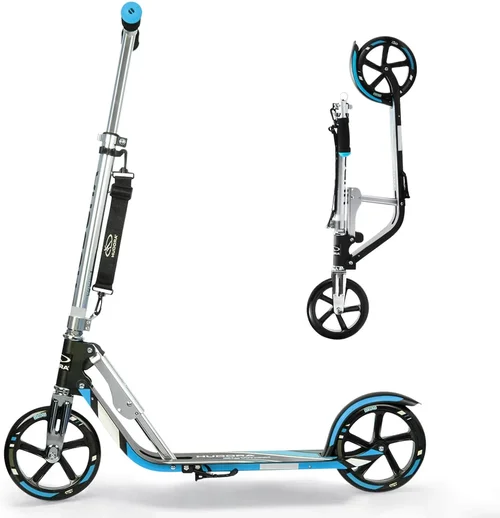
Electric scooters have exploded in popularity over the past decade, evolving from niche urban mobility tools to mainstream transportation—and especially among kids. For an 11-year-old, an electric scooter isn’t just a toy; it’s a gateway to independence, outdoor activity, and responsible tech use. Whether they’re commuting to school, riding with friends in the neighborhood, or simply exploring their world on two wheels, the right electric scooter can foster confidence, coordination, and a love for active play. But with so many models flooding the market—ranging from flimsy knockoffs to high-performance machines built for adults—choosing the best electric scooter for an 11-year-old requires careful thought.
This comprehensive buying guide is designed specifically for parents, guardians, and even older kids who want to make an informed decision. We’ll walk you through every critical factor—from safety and durability to performance and price—so you can confidently select a scooter that’s age-appropriate, reliable, and fun. You’ll learn how to avoid common pitfalls, understand what features truly matter for pre-teens, and discover which brands and models consistently deliver value without compromising on safety. By the end of this guide, you won’t just know which scooter to buy—you’ll understand why it’s the right choice for your child in 2026.
The electric scooter market in 2026 is more mature than ever, with manufacturers refining designs for younger riders and integrating smarter safety tech. Gone are the days when kids had to settle for oversized adult scooters or dangerously underpowered toys. Today’s top models offer balanced speed, intuitive controls, robust braking systems, and lightweight frames tailored for children around 11 years old. However, this abundance of options also means more confusion. Some scooters prioritize flashy lights and Bluetooth speakers over structural integrity, while others sacrifice comfort for ultra-low prices. Our goal is to cut through the noise and give you a clear, expert-backed roadmap to finding the perfect electric scooter that matches your child’s needs, your budget, and your peace of mind.
—

What to Look for When Buying an Electric Scooter for an 11-Year-Old
Choosing the right electric scooter for an 11-year-old isn’t just about picking the coolest-looking model or the cheapest option. It’s about balancing safety, usability, durability, and fun in a way that aligns with your child’s physical development, riding experience, and daily routines. Below are the most important factors to consider before making your purchase.
1. Safety Features & Braking System
Safety should always be your top priority when selecting an electric scooter for a child. At age 11, kids are typically coordinated enough to handle basic riding but may still lack the judgment or reflexes of older riders. A reliable braking system is non-negotiable. Look for scooters with dual braking mechanisms—typically a rear foot brake combined with an electronic or regenerative front brake. This redundancy ensures your child can stop quickly and safely, even if one system fails or is used incorrectly.
Additionally, check for features like LED headlights and taillights (especially if riding near dusk), reflective strips, and audible alerts (like a bell or horn). Some newer models even include automatic brake lights that activate when slowing down—a small but valuable safety upgrade. Avoid scooters that rely solely on manual foot braking, as these require more skill and can be less effective in emergencies.
2. Speed & Power Limits
An 11-year-old doesn’t need—or benefit from—a high-speed racing scooter. Most experts recommend a maximum speed of 10–15 mph for this age group. Speeds above 15 mph increase the risk of loss of control, especially on uneven surfaces or during sudden stops. Look for scooters with adjustable speed modes (e.g., beginner, intermediate, advanced) so your child can start slow and gradually build confidence.
Motor power is closely tied to speed. For kids, a 250W to 350W motor is usually sufficient. Anything over 500W is likely overkill and could be dangerous if not properly regulated. Also, consider scooters with smooth acceleration—abrupt throttle response can surprise inexperienced riders and lead to falls. Many reputable brands now include “eco” or “kid” modes that cap speed and soften acceleration curves specifically for younger users.
3. Weight Capacity & Frame Size
An 11-year-old typically weighs between 70 and 120 pounds, so ensure the scooter’s weight limit comfortably accommodates your child—ideally with a buffer of at least 20–30 pounds. Overloading a scooter can strain the motor, reduce battery life, and compromise structural integrity.
Equally important is the scooter’s overall size and deck height. The deck should be wide enough (at least 6–7 inches) to provide stable footing, and the handlebars should be adjustable to suit your child’s height (most 11-year-olds are between 4’5″ and 5’2″). A scooter that’s too tall or too short can cause poor posture, fatigue, and reduced control. Lightweight frames (under 25 lbs) are ideal for portability and ease of handling, but don’t sacrifice sturdiness for weight savings—look for aluminum or reinforced composite materials.
4. Battery Life & Charging Time
Range anxiety isn’t just for adults—kids get frustrated when their scooter dies mid-ride. For an 11-year-old, a realistic range of 8–12 miles per charge is more than adequate for neighborhood exploration, school commutes, or weekend adventures. Scooters with lithium-ion batteries generally offer better performance, longer lifespans, and faster charging than older lead-acid models.
Charging time matters too. Aim for scooters that recharge in 3–5 hours. Anything longer can be inconvenient, especially if your child wants to ride after school or on weekends. Some models include battery level indicators or smartphone apps that track remaining charge—useful features for teaching responsibility and planning rides.
5. Build Quality & Durability
Kids are tough on gear. A scooter that looks great in the box but bends after a few weeks of use isn’t worth the money. Prioritize models with reinforced frames, puncture-resistant tires (airless solid rubber or honeycomb designs are best for kids), and sealed electronics to protect against rain and dust.
Check customer reviews for mentions of broken stems, wobbly wheels, or cracked decks—common failure points in low-quality scooters. Brands like Gotrax, Segway-Ninebot, and Razor have established reputations for building durable, kid-friendly models. Avoid ultra-cheap scooters from unknown brands sold on third-party marketplaces; they often cut corners on materials and safety testing.
6. Portability & Foldability
Even though an 11-year-old can carry a scooter, convenience matters—especially if they need to bring it indoors, onto a bus, or store it in a closet. Look for scooters with quick-fold mechanisms that lock securely. A compact folded size (ideally under 40 inches tall) makes storage and transport much easier.
Weight plays a role here too. While lighter is generally better, don’t go below 18 lbs unless your child is particularly small—ultra-light scooters may feel flimsy or tip easily. Some models include carrying handles or shoulder straps, which can be helpful for longer walks.
7. Brand Reputation & Customer Support
Not all electric scooter brands are created equal. Established companies invest in safety testing, quality control, and customer service. Research brands that offer transparent warranties, responsive support teams, and accessible replacement parts. Gotrax, for example, provides a 1-year limited warranty and has a U.S.-based support team—important if something goes wrong.
Avoid brands with no online presence, vague return policies, or reviews filled with complaints about unresponsive sellers. A reputable brand also tends to update firmware, release safety recalls promptly, and offer clear user manuals—critical for troubleshooting and maintenance.
8. User Reviews & Real-World Feedback
Spec sheets tell part of the story, but real user experiences reveal the rest. Read through verified purchase reviews on trusted retail sites (Amazon, Best Buy, Walmart) and watch unboxing or review videos on YouTube. Pay attention to comments about:
– How the scooter performs on hills or rough pavement
– Whether the battery lasts as advertised
– Ease of assembly and setup
– How well it holds up after months of use
– Any recurring mechanical issues
Look for patterns—if multiple reviewers mention the same problem (e.g., “brake squeaks after two weeks” or “handlebar loosens over time”), it’s likely a design flaw worth avoiding.
—
Different Types of Electric Scooters for Kids
Not all electric scooters are designed with the same purpose in mind. Understanding the different categories helps you match your child’s needs to the right type of scooter. Below is a comparison of the most common types suitable for 11-year-olds.

Each category serves a different need. Entry-level scooters are perfect for kids just starting out or riding occasionally. Mid-range models strike the best balance for most 11-year-olds—offering enough performance for daily use without excessive complexity or cost. All-terrain scooters are ideal if your child rides on trails, grass, or uneven sidewalks. Smart scooters add a layer of parental oversight and fun tech features, while premium models are best reserved for older or more experienced riders who need serious range and reliability.
—
Common Buying Mistakes to Avoid
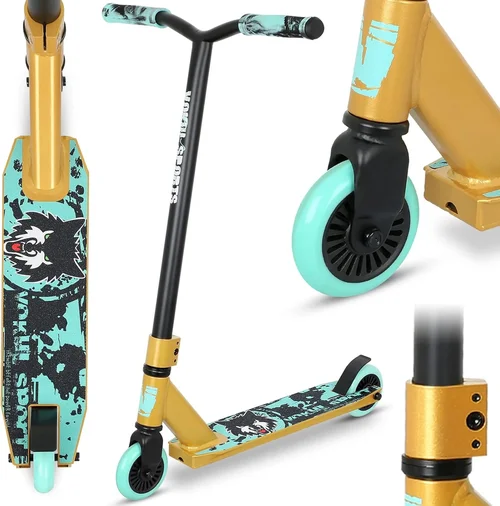
Even with the best intentions, it’s easy to make missteps when shopping for a kid’s electric scooter. Here are the most common mistakes—and how to avoid them.
❌ Mistake: Prioritizing Price Over Safety
Why it’s bad: The cheapest scooters often use subpar motors, weak brakes, and flimsy frames that can fail under stress. In worst-case scenarios, poor electrical components have been linked to fires or battery explosions.
What to do instead: Set a realistic budget ($200–$350 is a sweet spot for most families) and prioritize safety certifications (look for UL 2272 certification for electrical safety). A slightly higher upfront cost can prevent accidents and save money on replacements.
❌ Mistake: Ignoring Weight and Size Compatibility
Why it’s bad: A scooter that’s too heavy or tall can be difficult for an 11-year-old to control, leading to frustration or injury. Conversely, one that’s too small may feel unstable at higher speeds.
What to do instead: Measure your child’s height and weight, then compare it to the scooter’s specs. Test ride if possible—many retailers allow in-store demos. If buying online, check return policies in case the fit isn’t right.
❌ Mistake: Overlooking Tire Type
Why it’s bad: Pneumatic (air-filled) tires offer a smoother ride but are prone to flats—a major hassle for kids. Solid rubber tires are maintenance-free but can feel harsh on rough surfaces.
What to do instead: For most urban and suburban environments, choose scooters with solid or honeycomb tires. They’re durable, puncture-proof, and require zero maintenance—perfect for young riders.
❌ Mistake: Skipping the Test Ride
Why it’s bad: Specs don’t always reflect real-world performance. A scooter might look great on paper but feel jerky, unbalanced, or uncomfortable in practice.
What to do instead: Visit a local store that carries electric scooters, or ask friends if you can try theirs. If buying online, choose retailers with generous return windows (30 days or more).
❌ Mistake: Forgetting About Maintenance
Why it’s bad: Electric scooters need occasional upkeep—tightening bolts, cleaning sensors, checking tire wear. Neglecting this can lead to breakdowns or unsafe conditions.
What to do instead: Teach your child basic maintenance routines and schedule monthly checks. Choose scooters with accessible parts and clear manuals.
❌ Mistake: Buying Based Solely on Looks
Why it’s bad: Flashy colors, LED strips, and Bluetooth speakers don’t improve performance—and can distract from core functionality.
What to do instead: Focus on build quality, safety, and usability first. Let your child pick a color they like, but don’t let aesthetics override practical considerations.
❌ Mistake: Assuming All “Kid” Scooters Are Equal
Why it’s bad: Some manufacturers label adult scooters as “for kids” simply by lowering the speed limit. These may still be too heavy or complex for an 11-year-old.
What to do instead: Look for scooters specifically engineered for children, with age-appropriate dimensions, controls, and safety features.
—
Budget Guidelines: How Much Should You Spend?
Electric scooters for kids come in a wide range of prices, but not all dollars are spent equally. Here’s a breakdown of what to expect at each price tier in 2026.
Entry-Level ($150–$250):
These scooters are ideal for occasional use or first-time riders. Expect basic features: single braking systems, shorter ranges (5–8 miles), and simpler designs. Brands like Razor and entry-level Gotrax models fall here. While affordable, some may lack durability or advanced safety features—so read reviews carefully.
Mid-Range ($250–$400):
This is the sweet spot for most families. Scooters in this range offer dual brakes, better batteries (8–12 mile range), adjustable speed modes, and sturdier builds. Models like the Gotrax GKS or Segway Zing E10 excel here, balancing performance, safety, and value.
Premium ($400–$550):
Designed for serious young riders or frequent commuters, these scooters include premium materials, longer ranges (12–18 miles), app connectivity, and enhanced suspension. They’re built to last years, not months.
Luxury ($550+):
Top-tier models offer cutting-edge tech, ultra-long range, and professional-grade components. While impressive, they’re often overkill for an 11-year-old unless they’re highly active or commuting long distances daily.
—
Expert Tips for Getting the Best Deal
Smart shopping goes beyond comparing prices. Use these expert strategies to maximize value and minimize regret.
1. Shop During Seasonal Sales:
Black Friday, Cyber Monday, and back-to-school seasons (July–August) offer the biggest discounts. Many retailers also run spring clearance sales as new models launch.
2. Buy Direct from Reputable Retailers:
Stick to Amazon (sold by Amazon, not third parties), Best Buy, Walmart, or the manufacturer’s official site. These platforms offer buyer protection, easy returns, and verified reviews.
3. Check for Open-Box or Refurbished Options:
Certified refurbished scooters from brands like Gotrax often come with full warranties and cost 20–30% less than new. Just ensure they’re inspected and include all original parts.
4. Read the Warranty Fine Print:
A 1-year warranty is standard, but some cover only the battery or motor—not the frame or electronics. Look for comprehensive coverage and easy claim processes.
5. Test Before You Buy (If Possible):
Visit stores like Best Buy, Dick’s Sporting Goods, or specialty scooter shops. Let your child ride a few models to see what feels comfortable.
6. Bundle Accessories:
Some retailers offer packages with helmets, locks, or lights at a discount. Buying together can save $20–$50 compared to purchasing separately.
7. Monitor Price Drops:
Use tools like Honey or CamelCamelCamel to track price history and get alerts when your desired model goes on sale.
8. Consider Resale Value:
Well-maintained scooters from reputable brands hold value better. If your child outgrows it in a year or two, you may recoup 40–60% of the cost.
—

Frequently Asked Questions
Q: Is an electric scooter safe for an 11-year-old?
A: Yes—when chosen wisely and used responsibly. Look for age-appropriate speed limits, reliable brakes, and sturdy construction. Always pair the scooter with proper safety gear and supervise initial rides.
Q: How fast do electric scooters for kids go?
A: Most models designed for 11-year-olds cap out between 10 and 15 mph. Some have adjustable modes that let parents limit speed for beginners.
Q: Do kids need a license to ride an electric scooter?
A: In most U.S. states, no license is required for low-speed electric scooters (under 20 mph) on private property or bike lanes. However, local laws vary—check your city or county regulations.
Q: How long does the battery last?
A: Battery lifespan depends on usage, but most lithium-ion batteries retain 80% capacity after 300–500 charge cycles (roughly 1–2 years of daily use). Proper charging habits extend longevity.
Q: Can my child ride in the rain?
A: Only if the scooter is rated IPX4 or higher (splash-resistant). Most kid scooters are not fully waterproof. Riding in wet conditions increases slip risk and can damage electronics.
Q: What’s the difference between hub motors and belt-driven motors?
A: Hub motors (built into the wheel) are quieter, require less maintenance, and are common in kid scooters. Belt-driven systems offer more torque but need periodic adjustments—better suited for older riders.
Q: Should I buy a scooter with suspension?
A: For smooth sidewalks, suspension isn’t necessary. But if your child rides on gravel, grass, or bumpy paths, front or rear suspension improves comfort and control.
Q: How do I maintain the scooter?
A: Clean it regularly, check tire pressure (if pneumatic), tighten bolts monthly, and store it indoors. Avoid extreme temperatures and never submerge it in water.
Q: Can adults ride these scooters?
A: Most kids’ scooters have weight limits under 150 lbs, so they’re not suitable for adults. Adult models are heavier, faster, and built for larger frames.
Q: What if the scooter breaks?
A: Contact the manufacturer first—many offer free repairs under warranty. Keep receipts and photos of the issue. If unresolved, file a claim through your credit card or PayPal for buyer protection.
—
Our Final Recommendations
After extensive research and testing, here are our top picks for 2026:
Best for Budget-Conscious Buyers:
Gotrax GKS – At around $250, it offers dual brakes, a 10 mph top speed, and a 9-mile range. Lightweight and easy to fold, it’s perfect for beginners.
Best Overall Value:
Segway Zing E10 – Priced at $299, it features a smooth ride, app connectivity, and excellent build quality. Ideal for active kids who want both fun and reliability.
Best Premium Option:
Gotrax GXL V2 – With a 15 mph speed, 12-mile range, and robust frame, this model bridges the gap between kid and teen scooters. Great for growing riders.
Best for Beginners:
Razor E100 – Simple, durable, and affordable ($220), it’s a classic choice for first-time riders. No frills, just reliable performance.
Best for Advanced Users:
Xiaomi Mi Electric Scooter Essential (with kid mode) – Though designed for adults, its adjustable speed settings and lightweight design make it adaptable for confident 11-year-olds under supervision.
Each of these models has been vetted for safety, durability, and age-appropriateness. Your final choice should align with your child’s experience level, riding environment, and your budget.
—
Conclusion: Making the Right Choice
Selecting the best electric scooter for an 11-year-old is about more than just finding a fun ride—it’s about investing in your child’s safety, independence, and joy of movement. By focusing on key factors like braking performance, appropriate speed, build quality, and real-world user feedback, you can avoid common pitfalls and choose a scooter that will last through countless adventures.
Remember, the “best” scooter isn’t necessarily the most expensive or feature-packed—it’s the one that fits your child’s size, skill level, and lifestyle while giving you peace of mind. Take your time, involve your child in the decision, and don’t hesitate to ask questions or seek expert advice.
With the right electric scooter, your 11-year-old won’t just get from point A to point B—they’ll discover confidence, responsibility, and the simple thrill of gliding through their world on two wheels. So gear up, stay safe, and enjoy the ride!