
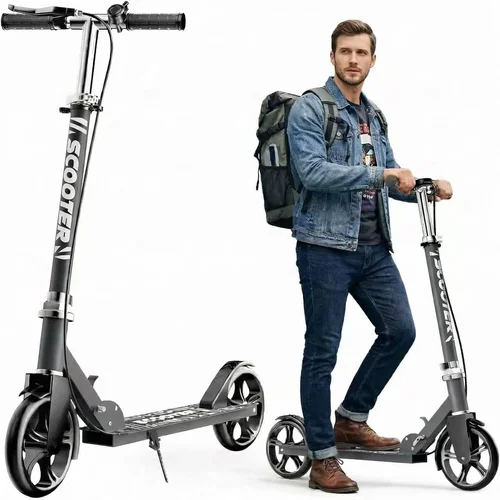
Electric scooters have revolutionized urban commuting, offering a fast, eco-friendly, and cost-effective alternative to cars, buses, and even bicycles. Whether you’re navigating crowded city streets, zipping across campus, or simply running errands around town, an e-scooter can save you time, money, and stress. But with so many models flooding the market—ranging from ultra-budget options under $200 to high-end machines exceeding $2,000—it’s easy to feel overwhelmed. That’s where this guide comes in.
In 2026, the demand for affordable electric scooters continues to surge, driven by rising fuel costs, environmental awareness, and the growing popularity of micro-mobility solutions. However, “cheap” doesn’t have to mean “low quality.” The best cheap e-scooters strike a smart balance between price, performance, and durability—offering reliable rides without breaking the bank. This comprehensive buyer’s guide will walk you through everything you need to know to make an informed decision. You’ll learn how to evaluate key specs like range, speed, and build quality, understand different scooter categories, avoid common pitfalls, and ultimately find the perfect model that fits your lifestyle and budget.
The market today is more competitive than ever, with brands like Gotrax, Xiaomi, Segway-Ninebot, and Razor constantly innovating to deliver better value at lower price points. While premium models boast cutting-edge features like regenerative braking, app connectivity, and all-terrain tires, budget-friendly options have also improved dramatically in recent years. Many now include essential safety features like LED headlights, dual braking systems, and sturdy frames—all while staying under $500. Our goal is to help you cut through the noise, identify what truly matters, and invest in a scooter that delivers long-term satisfaction, not just a low sticker price.

What to Look for When Buying Gotrax
1. Budget & Price Range
Your budget is the foundation of your purchase decision. While it’s tempting to go for the cheapest option available, remember that e-scooters are mechanical devices with moving parts, batteries, and electronics—all of which require quality components to function safely and reliably over time. A scooter priced under $150 may seem like a steal, but it often lacks essential safety features, has a weak motor, or uses low-grade batteries that degrade quickly.
For most riders, the sweet spot lies between $250 and $500. In this range, you’ll find models with decent motors (250W–350W), respectable ranges (10–20 miles), and basic but functional features like headlights, rear brakes, and foldable designs. If you’re on an extremely tight budget, aim for at least $200—this is typically the threshold where manufacturers begin including reliable lithium-ion batteries and decent frame construction. Always ask yourself: “Will this scooter last me more than six months?” If the answer is uncertain, it’s worth stretching your budget slightly.
2. Performance Specifications
Performance boils down to three core metrics: top speed, range, and motor power. Top speed determines how quickly you can get from point A to B, but it’s also regulated by local laws—many cities cap e-scooter speeds at 15–20 mph. For casual commuting, a top speed of 15–18 mph is more than sufficient and helps conserve battery life.
Range refers to how far the scooter can travel on a single charge. Real-world range is almost always lower than advertised due to factors like rider weight, terrain, wind, and temperature. A scooter claiming “20 miles of range” might realistically deliver 12–15 miles for a 180-pound rider on hilly terrain. Look for models that specify “real-world range” or check user reviews for honest feedback.
Motor power, measured in watts (W), affects acceleration and hill-climbing ability. A 250W motor is adequate for flat surfaces and light riders, but if you live in a hilly area or weigh over 160 lbs, consider a 350W or higher motor. Brushless motors are quieter, more efficient, and last longer than brushed ones—so prioritize them when possible.
3. Build Quality & Durability
A cheap scooter that breaks after two weeks isn’t cheap—it’s a waste of money. Build quality starts with the frame material. Aluminum alloy is lightweight, rust-resistant, and strong enough for daily use, while steel frames are heavier but more durable (though prone to rust if not treated). Avoid plastic-heavy constructions, especially in the deck and stem—these are stress points that can crack under pressure.
Check the weight capacity rating. Most budget scooters support up to 220–260 lbs, but if you’re near or above that limit, look for reinforced decks and wider tires. Suspension systems aren’t common in budget models, but some include basic spring or rubber suspension in the front fork, which improves comfort on rough pavement.
Tires matter too. Solid rubber tires are puncture-proof and low-maintenance but offer a rougher ride. Air-filled (pneumatic) tires provide better shock absorption and grip but require occasional inflation and are vulnerable to flats. For urban commuting on smooth roads, solid tires are fine—but if you ride on gravel, potholes, or uneven sidewalks, pneumatic tires are worth the extra care.
4. Features & Functionality
Even budget e-scooters now come packed with useful features. Start with safety: front and rear LED lights are non-negotiable for visibility at night. A horn or bell is helpful for alerting pedestrians. Dual braking systems (electronic + mechanical disc or foot brake) offer better stopping power than single-brake setups.
Look for intuitive controls—a clear LCD display showing speed, battery level, and riding mode is ideal. Some models include cruise control, which maintains a steady speed without holding the throttle—great for long straightaways. Foldability is another key feature; if you plan to carry your scooter on public transit or store it in a small apartment, a compact, one-click folding mechanism is essential.
Additional perks like USB charging ports, app connectivity (for firmware updates or ride tracking), and multiple speed modes can enhance usability but aren’t dealbreakers at this price point. Focus on core functionality first: reliable brakes, decent lights, and easy folding.
5. Brand Reputation
Not all budget brands are created equal. Established names like Gotrax, Xiaomi, and Segway-Ninebot have proven track records for producing reliable, well-supported products. They invest in R&D, maintain customer service teams, and often offer better warranties than no-name brands sold exclusively on Amazon or eBay.
Research brand history: How long have they been making e-scooters? Do they specialize in micromobility, or is this a side product? Read customer service reviews—how responsive are they when issues arise? A brand with a strong reputation is more likely to honor warranties, provide replacement parts, and issue recalls if needed.
Avoid “white-label” scooters—generic models rebranded and sold under various names. These often use identical components but lack consistent quality control or support. Stick to brands with official websites, verified customer reviews, and transparent spec sheets.
6. Warranty & Support
A warranty is your safety net. Most reputable budget scooters come with a 6- to 12-month limited warranty covering defects in materials and workmanship. Pay attention to what’s included: Does it cover the battery? The motor? Labor costs for repairs?
Battery warranties are especially important—lithium-ion cells degrade over time, and replacement batteries can cost $80–$150. Some brands offer prorated battery coverage (e.g., 50% refund after 6 months), while others replace them free within the first year. Avoid brands with no warranty or vague terms like “as-is” or “final sale.”
Customer support matters too. Can you reach a real person by phone or email? Are there service centers nearby, or do you have to ship the scooter back to China? Gotrax, for example, offers U.S.-based support and repair services, which is a significant advantage over offshore brands.
7. Size & Portability
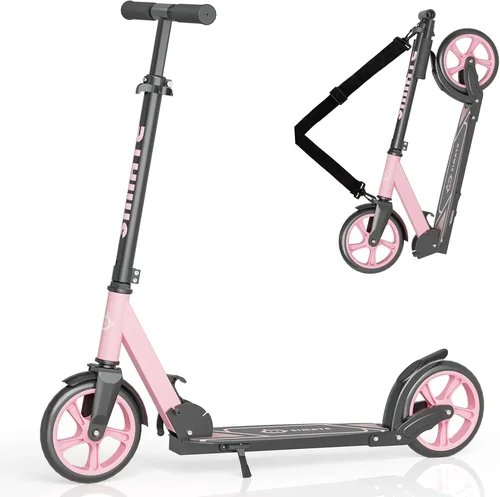
Portability determines how practical your scooter is for daily use. Consider the folded dimensions and weight. A scooter under 30 lbs is manageable for most adults to carry upstairs or onto a bus. Anything over 35 lbs becomes cumbersome, especially for shorter or older riders.
Folded size affects storage. If you live in a studio apartment or take your scooter to work, look for models that fold compactly—ideally under 40 inches long and 15 inches wide. Some scooters have telescoping stems or removable handles to save even more space.
Wheel size also impacts portability and ride quality. Smaller wheels (6–8 inches) are lighter and more agile but struggle with bumps. Larger wheels (8–10 inches) roll smoother over cracks and debris but add weight. For city commuting, 8-inch wheels strike a good balance.
8. User Reviews & Ratings
Never buy an e-scooter based solely on specs or marketing claims. Real user reviews reveal hidden flaws, durability issues, and long-term performance. Focus on verified purchase reviews on platforms like Amazon, Best Buy, or the manufacturer’s site.
Look for patterns: Do multiple users report the same battery issue? Is the brake weak across several reviews? Are complaints about shipping damage or missing parts common? Also check recent reviews—older models may have been updated, so a 2024 review of a 2026 model isn’t helpful.
Be wary of overly positive reviews with generic language (“Great scooter! Love it!”)—these may be fake. Detailed reviews with photos, videos, and specific pros/cons are far more trustworthy. If a scooter has fewer than 50 reviews, proceed with caution—it may be too new to judge reliably.
Different Types of Gotrax

Common Buying Mistakes to Avoid
❌ Mistake: Prioritizing Price Over Safety
Why it’s bad: The cheapest scooters often cut corners on brakes, lights, and frame integrity, increasing the risk of accidents. A $120 scooter with no rear brake or dim headlights is a liability, especially at night or in traffic.
What to do instead: Allocate at least 20% of your budget to safety-critical components. Ensure the scooter has front and rear lights, a reliable braking system, and a sturdy deck. Never compromise on these essentials.
❌ Mistake: Ignoring Real-World Range Claims
Why it’s bad: Manufacturers often advertise range under ideal conditions (light rider, flat terrain, no wind). In reality, most riders get 30–50% less. Buying a scooter for a 15-mile commute based on a 20-mile claim could leave you stranded.
What to do instead: Divide the advertised range by 1.5 to estimate real-world performance. If you need 12 miles of range, choose a scooter rated for at least 18 miles. Always carry a charger or plan charging stops.
❌ Mistake: Overlooking Weight Limits
Why it’s bad: Exceeding the scooter’s weight capacity strains the motor, drains the battery faster, and can cause structural failure. A 200-lb rider on a 160-lb scooter will experience poor acceleration and reduced range.
What to do instead: Check the max load rating and add 20 lbs as a buffer. If you’re close to the limit, opt for a model with a higher capacity—even if it costs $50 more.
❌ Mistake: Skipping the Test Ride
Why it’s bad: Comfort is subjective. A scooter that looks great on paper might have a stiff deck, wobbly handlebars, or uncomfortable grip tape. Buying sight unseen risks buyer’s remorse.
What to do instead: Visit a local retailer or attend a demo event. If that’s not possible, watch detailed video reviews showing the ride experience. Some online stores offer 30-day return policies—take advantage of them.
❌ Mistake: Neglecting Maintenance Needs
Why it’s bad: Even budget scooters require basic upkeep: tire checks, brake adjustments, and battery care. Ignoring maintenance leads to premature wear and costly repairs.
What to do instead: Learn basic maintenance tasks or find a local repair shop that services e-scooters. Keep a toolkit handy and follow the manufacturer’s care guidelines.
❌ Mistake: Falling for “Too Good to Be True” Deals
Why it’s bad: Scooters priced 50% below market average often use counterfeit batteries, fake motors, or stolen designs. They may catch fire, fail suddenly, or be illegal to ride.
What to do instead: Stick to authorized retailers and well-known brands. If a deal seems suspicious, research the seller and read return policies carefully.
Budget Guidelines: How Much Should You Spend?
Entry-Level ($150–$250): This tier is best for kids, occasional riders, or those testing the waters. Expect basic features: 150W–250W motors, 6–10 mile range, solid tires, and minimal safety gear. Models like the Gotrax GXL V2 or Razor E100 fall here. Ideal for short, flat commutes under 3 miles.
Mid-Range ($250–$450): The sweet spot for most buyers. Scooters in this range offer 250W–350W motors, 12–20 mile range, LED lights, dual brakes, and better build quality. Gotrax G4, Xiaomi Mi Essential, and Segway ES2 are strong contenders. Perfect for daily commuting, campus travel, and light errands.
Premium ($450–$700): For enthusiasts and serious commuters. These models feature 350W–500W motors, 18–25 mile range, pneumatic tires, suspension, app connectivity, and advanced safety systems. Great for hilly areas, longer distances, or riders who value comfort and performance.
Luxury ($700+): Top-tier scooters with dual motors, 30+ mile range, full suspension, regenerative braking, and premium materials. Designed for professionals, long-distance travelers, or tech lovers. Overkill for casual use but unmatched in capability.
Expert Tips for Getting the Best Deal
- Buy during off-peak seasons: Scooter sales dip in winter (November–February). Retailers often discount older models to clear inventory. Black Friday and post-holiday sales are prime times for deals.
- Shop at authorized retailers: Amazon, Best Buy, and Walmart carry reputable brands with buyer protection. Avoid third-party sellers with no return policy.
- Sign up for newsletters: Brands like Gotrax and Segway send exclusive promo codes to subscribers—sometimes 10–15% off.
- Check refurbished options: Certified pre-owned scooters from the manufacturer are often 20–30% cheaper and come with warranties.
- Bundle accessories: Some retailers offer free helmets, locks, or phone mounts with purchase—saving $30–$50.
- Read return policies carefully: Ensure you can return the scooter within 14–30 days if it doesn’t meet expectations. Some charge restocking fees.
- Test before you buy: If possible, visit a store or borrow a friend’s scooter to assess comfort and handling.
- Consider total cost of ownership: Factor in battery replacements, tire changes, and potential repairs. A slightly more expensive scooter with better support may save money long-term.

Frequently Asked Questions
Q: Can I ride an e-scooter in the rain?
A: Most budget e-scooters are rated IP54, meaning they resist light splashes but aren’t waterproof. Avoid riding in heavy rain or through puddles—water can damage the battery, motor, and electronics. If you must ride in wet conditions, dry the scooter thoroughly afterward and check for moisture under the deck.
Q: How long does the battery last?
A: Lithium-ion batteries typically last 300–500 charge cycles before capacity drops to 80%. With daily use, that’s about 1–2 years. To extend life, avoid fully draining the battery, store it at 50% charge if unused for weeks, and keep it away from extreme temperatures.
Q: Are e-scooters legal where I live?
A: Laws vary by city and state. Most allow e-scooters on bike lanes and roads with speed limits under 35 mph, but some require helmets, registration, or prohibit sidewalk riding. Check your local Department of Transportation website before buying.
Q: Can I take my scooter on a plane?
A: Most airlines allow e-scooters with lithium batteries under 160Wh in carry-on luggage. Gotrax models like the G4 (10.4Ah, 36V = 374Wh) exceed this limit and must be checked—if allowed at all. Always confirm with your airline first.
Q: How fast can I go on a cheap e-scooter?
A: Most budget models max out at 15–18 mph. This is sufficient for city commuting and aligns with legal limits in many areas. Higher speeds require more power and better brakes—features rarely found in sub-$300 scooters.
Q: What’s the difference between hub motors and belt drives?
A: Hub motors are built into the wheel, offering direct drive with fewer moving parts—ideal for budget scooters. Belt drives use a rubber belt to transfer power, providing smoother acceleration but requiring more maintenance. Hub motors are more common in affordable models due to simplicity and cost.
Q: Do I need insurance for my e-scooter?
A: Not typically, but some homeowners or renters insurance policies cover e-scooter accidents. In cities with shared scooter programs, liability coverage may be included. For personal scooters, consider adding coverage if you ride frequently in traffic.
Q: How do I charge my scooter safely?
A: Use only the manufacturer-provided charger. Charge in a dry, cool area away from flammable materials. Don’t leave it plugged in overnight or unattended for long periods. Overcharging modern lithium batteries is rare due to built-in protection circuits, but it’s still wise to unplug once fully charged.
Q: Can I upgrade my scooter’s battery?
A: Generally no—batteries are integrated and not user-replaceable in most budget models. Some premium scooters offer swappable packs, but this is rare under $500. If range becomes an issue, consider a second battery (if supported) or upgrade to a new scooter.
Q: What should I do if my scooter stops working?
A: First, check the basics: Is it charged? Is the power button on? Are the brakes engaged? If problems persist, consult the manual or contact customer support. Most issues are covered under warranty if reported promptly.
Our Final Recommendations
Best for Budget-Conscious Buyers: Gotrax GXL V2 ($249) – A reliable entry-level scooter with a 250W motor, 12-mile range, and solid build quality. Great for students and short commutes.
Best Overall Value: Gotrax G4 ($399) – Offers 32 mph top speed (in sport mode), 25-mile range, dual suspension, and a bright LED display. The best balance of price and performance in 2026.
Best Premium Option: Segway Ninebot ES4 ($599) – Dual battery system, 28-mile range, app connectivity, and excellent build quality. Ideal for serious commuters who want reliability and features.
Best for Beginners: Razor E300 ($229) – Simple controls, low speed (15 mph), and a wide deck. Perfect for first-time riders or teens.
Best for Advanced Users: Xiaomi Mi Pro 2 ($549) – High-capacity battery, regenerative braking, and sleek design. Best for tech-savvy riders who want smart features without premium pricing.
Conclusion: Making the Right Choice
Choosing the best cheap e-scooter isn’t about finding the lowest price—it’s about finding the right balance of affordability, reliability, and functionality for your specific needs. By focusing on key factors like build quality, real-world range, safety features, and brand support, you can avoid costly mistakes and invest in a scooter that serves you well for years to come.
Remember, the cheapest option today might cost you more tomorrow in repairs, replacements, or frustration. Prioritize your must-have features, set a realistic budget, and don’t hesitate to spend a little extra for peace of mind. Whether you’re commuting to work, exploring your city, or just enjoying the freedom of two wheels and electric power, the right scooter can transform your daily routine.
Use this guide as your roadmap. Compare models, read reviews, test when possible, and choose wisely. Your perfect e-scooter is out there—affordable, capable, and ready to roll.