Electric scooters have revolutionized urban mobility, offering an eco-friendly, cost-effective, and fun way to navigate city streets, college campuses, or neighborhood errands. With rising fuel costs, increasing traffic congestion, and growing environmental awareness, more people than ever are turning to e-scooters as a practical alternative to cars or public transit. But while high-end models with premium features can easily exceed $1,000, you don’t need to break the bank to get a reliable, safe, and enjoyable ride. In fact, some of the best value-for-money e-scooters are available for under $300—making them accessible to students, commuters, casual riders, and first-time buyers alike.
This comprehensive buying guide is designed to help you navigate the crowded and often confusing market of budget-friendly electric scooters. Whether you’re looking for your first e-scooter or upgrading from an older model, we’ll walk you through everything you need to know to make a smart, informed decision. You’ll learn how to evaluate key performance specs, assess build quality, compare features, avoid common pitfalls, and identify the best deals—all within your $300 budget. By the end of this guide, you’ll have a clear understanding of what to prioritize, which brands and models offer the most bang for your buck, and how to get the most out of your purchase without compromising on safety or usability.
The sub-$300 e-scooter market has matured significantly in recent years. Gone are the days when budget models were flimsy, underpowered, or unreliable. Today, manufacturers like Gotrax, Segway-Ninebot (via their more affordable lines), Xiaomi (in select regions), and newer entrants like Razor and Hiboy have refined their designs to deliver impressive performance at accessible price points. These scooters now commonly feature lithium-ion batteries, regenerative braking, LED lighting, smartphone connectivity, and even app-based ride tracking—all while staying under the $300 mark. However, with so many options available, it’s easy to get overwhelmed. That’s why this guide cuts through the noise, focusing only on proven, well-reviewed models that deliver real-world value. We’ll help you find the perfect balance of affordability, functionality, and durability so you can ride confidently—and happily—on a budget.

What to Look for When Buying Gotrax
1. Budget & Price Range
Staying under $300 doesn’t mean you have to settle for poor quality—but it does require smart shopping. The key is understanding what you’re actually paying for. At this price point, you’re typically getting entry-level to mid-tier components: a single motor (usually 250W–350W), a basic lithium-ion battery (often 24V or 36V), and simplified suspension or no suspension at all. While these scooters won’t match the speed or range of premium models, they’re more than capable of handling daily commutes under 10 miles, short errands, or recreational riding.
When evaluating price, consider the total cost of ownership. Some brands advertise low upfront prices but charge extra for essential accessories like chargers, phone mounts, or replacement parts. Others include everything in the box—making them a better long-term value. Also, watch out for “discounts” that inflate the original price just to make the sale price look better. Always check historical pricing on sites like CamelCamelCamel (for Amazon) or Google Shopping to ensure you’re getting a genuine deal. Finally, remember that spending closer to $250–$300 often gets you significantly better build quality, battery life, and warranty coverage than the bare-minimum $150–$200 models.
2. Performance Specifications
Performance is where many budget scooters differentiate themselves—and where you’ll notice the biggest differences in real-world use. The three core specs to focus on are motor power, top speed, and range.
Motor power is measured in watts (W). Most sub-$300 scooters feature motors between 250W and 350W. A 250W motor is sufficient for flat terrain and riders under 160 lbs, but may struggle on hills or with heavier loads. A 350W motor offers noticeably better acceleration and hill-climbing ability, making it ideal for urban environments with inclines. Avoid scooters with motors below 200W—they’re often underpowered and prone to overheating.
Top speed typically ranges from 15 to 20 mph in this price range. While 15 mph is adequate for casual riding, 18–20 mph gives you more confidence in traffic and reduces commute times. Note that many scooters have speed limiters for safety or legal compliance (especially in regions with e-scooter regulations), but these can often be adjusted via companion apps.
Range is perhaps the most misunderstood spec. Manufacturers often quote “up to” ranges based on ideal conditions: light rider, flat ground, no wind, and moderate speed. In reality, expect 60–80% of the advertised range. So if a scooter claims 15 miles, plan for 9–12 miles. Look for models with at least a 5Ah battery (e.g., 24V 5Ah = 120Wh) for decent real-world range. Also, check battery type: lithium-ion (Li-ion) is standard and preferred over older lead-acid batteries due to lighter weight, longer lifespan, and faster charging.
3. Build Quality & Durability
A cheap scooter that breaks after a few months isn’t a bargain—it’s a waste of money. Build quality directly impacts safety, longevity, and ride comfort. Start by examining the frame material. Aluminum alloy is the gold standard in this price range: it’s lightweight, rust-resistant, and strong enough to handle daily use. Avoid scooters with heavy steel frames—they’re durable but add unnecessary weight and can rust over time.
Check the deck size and grip. A wider, textured deck (at least 6–7 inches wide) provides better foot stability, especially for taller riders or those carrying bags. Look for non-slip rubber or grooved surfaces—smooth decks become slippery when wet.
Suspension matters more than you might think. While full suspension systems are rare under $300, some models include front spring suspension or air-filled tires, which absorb bumps and improve comfort on rough pavement. Solid rubber tires are maintenance-free but offer a harsher ride. If you’ll be riding on cracked sidewalks or gravel paths, prioritize air tires or at least front suspension.
Finally, inspect the folding mechanism. A secure, one-click fold is essential for portability and storage. Test how sturdy it feels when locked—wobbly joints or loose hinges are red flags. Also, check weight: most sub-$300 scooters weigh 25–30 lbs. Anything over 32 lbs becomes cumbersome to carry upstairs or onto public transit.
4. Features & Functionality
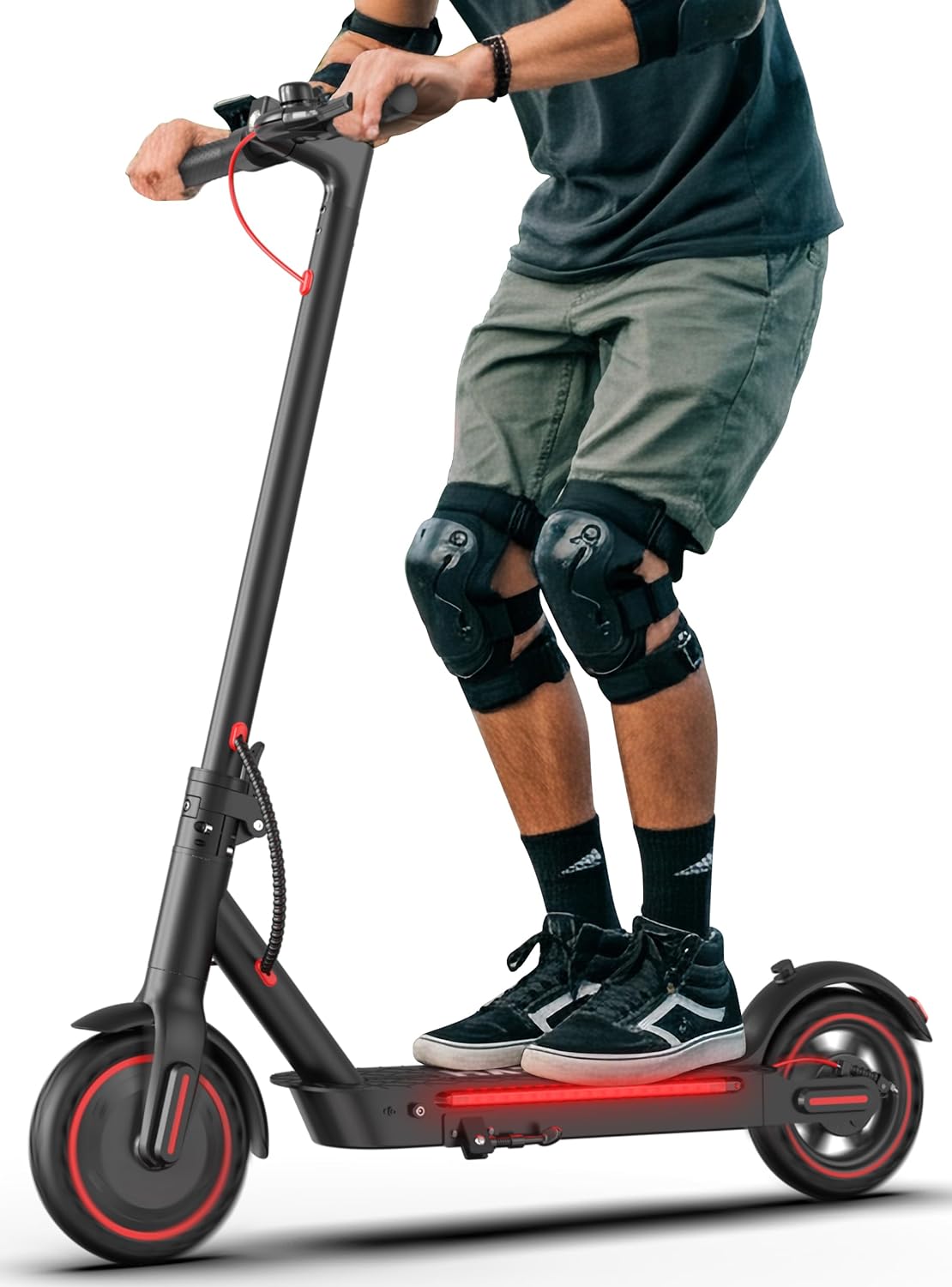
Even at this price point, modern e-scooters come packed with useful features that enhance safety, convenience, and usability. Start with lighting: front headlights and rear brake lights are non-negotiable for visibility, especially if you ride at dawn, dusk, or night. Look for LED lights with decent brightness (at least 100 lumens for the headlight). Some models even include side reflectors or deck lighting for added safety.
Braking systems vary widely. Rear foot brakes (also called “fender brakes”) are common and effective for slowing down, but they don’t stop quickly in emergencies. Disc brakes or electronic brakes offer superior stopping power but are rarer under $300. The best budget scooters combine both: electronic braking for smooth deceleration and a foot brake as a backup. Regenerative braking, which recaptures energy during braking to extend range, is a nice bonus found on some Gotrax and Segway models.
Smart features are increasingly common. Many scooters now support Bluetooth connectivity and companion apps (like the Gotrax app) that let you lock the scooter, adjust speed modes, track mileage, monitor battery health, and even share ride stats. While not essential, these features add convenience and can help you maintain your scooter better.
Other practical features include a digital display (showing speed, battery, and mode), cruise control (maintains speed without holding the throttle), and water resistance. Look for at least IP54 rating—this means protection against splashing water from any direction, which is sufficient for light rain or puddles. Avoid riding in heavy rain regardless of rating.
5. Brand Reputation
Not all budget scooter brands are created equal. Some prioritize cutting corners to hit a low price, while others invest in consistent quality and customer support. Gotrax, for example, has built a solid reputation for offering reliable, well-designed scooters at accessible prices. Their models consistently receive positive reviews for build quality, battery performance, and after-sales service. Other reputable names in this space include Segway-Ninebot (especially their ES series), Razor (known for durability and safety), and Hiboy (offering good value with modern features).
When researching brands, look beyond marketing claims. Check third-party review sites (like Wirecutter, TechRadar, or ESG), YouTube unboxings, and customer forums (Reddit’s r/ElectricScooters is a great resource). Pay attention to recurring complaints: frequent motor failures, poor customer service, or batteries that degrade quickly are major red flags. Also, consider regional availability—some brands sell well in the U.S. but have limited support in Europe or Asia.
6. Warranty & Support
A good warranty is your safety net against defects and premature failures. Most reputable brands offer at least a 12-month limited warranty covering the motor, battery, and controller. Gotrax, for instance, provides a 1-year warranty with U.S.-based customer support and readily available replacement parts. Some brands extend this to 18 or even 24 months, which is a strong indicator of confidence in their product.
Read the fine print: many warranties exclude “normal wear and tear,” water damage, or modifications. Also, check whether the warranty is voided if you open the scooter for repairs—some brands require authorized service centers. Customer support responsiveness matters too. Can you reach someone by phone or email? Are replacement parts (like tires, chargers, or brake pads) easy to order? Brands with strong support networks save you time, money, and frustration down the line.
7. Size & Portability
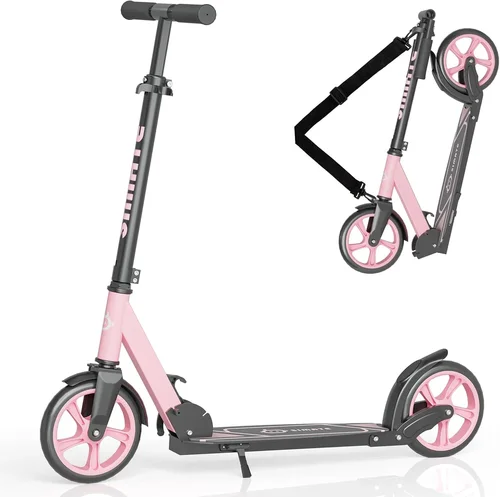
If you plan to carry your scooter on buses, trains, or up apartment stairs, portability is crucial. Most sub-$300 models fold down to a compact size (around 40 x 16 x 18 inches), but weight and handle design make a big difference. Look for scooters under 30 lbs with ergonomic handles and smooth-rolling wheels. Some models include a carrying handle or strap—small details that greatly improve usability.
Consider your storage space. Will it fit in your car trunk? Under your desk at work? In a closet at home? Measure your intended storage area before buying. Also, think about rider height and weight. Most budget scooters accommodate riders up to 220 lbs, but taller riders (over 6 feet) may find the deck too short or the handlebars too low. Check the minimum and maximum rider height recommendations—they’re often listed in the product specs.
8. User Reviews & Ratings
Never buy an e-scooter based solely on specs or marketing. Real-world user feedback reveals nuances that specs can’t capture: how the scooter handles on wet roads, how quickly the battery degrades, whether the app actually works, or if the brakes squeak after a month. Aim for models with at least 100 verified purchase reviews and an average rating of 4.0 or higher.
Look for detailed reviews that mention specific use cases: “I commute 8 miles daily in hilly Seattle” or “My 14-year-old uses it for school.” These give you context beyond star ratings. Also, watch for patterns: if multiple users report the same issue (e.g., “display stopped working after 3 months”), it’s likely a design flaw. Conversely, consistent praise for battery life or build quality is a strong endorsement.
Different Types of Gotrax
Common Buying Mistakes to Avoid
❌ Mistake: Prioritizing Price Over Build Quality
Why it’s bad: The cheapest scooters often use inferior materials, weak motors, and low-capacity batteries that degrade quickly. You may save $50 upfront but end up replacing the scooter within a year—costing more in the long run.
What to do instead: Aim for the $220–$300 range where you’ll find better components, stronger frames, and longer warranties. Think of it as an investment in reliability.
❌ Mistake: Ignoring Real-World Range Claims
Why it’s bad: Manufacturers often advertise “up to” ranges based on unrealistic conditions. If you believe a 15-mile claim and plan a 12-mile round trip, you could get stranded with a dead battery.
What to do instead: Always calculate 60–70% of the advertised range for real-world use. If you need 10 miles, choose a scooter rated for at least 15 miles.
❌ Mistake: Overlooking Weight Limits and Rider Compatibility
Why it’s bad: Exceeding the weight limit strains the motor, drains the battery faster, and can damage the frame. Taller riders may also find the deck too small for comfortable footing.
What to do instead: Check the max load (usually 220–260 lbs) and minimum/maximum rider height. Test stand on the deck if possible—your feet should fit comfortably with room to shift.
❌ Mistake: Skipping the Warranty Check
Why it’s bad: A broken motor or dead battery after 6 months can leave you with a useless scooter if there’s no warranty or support.
What to do instead: Only buy from brands that offer at least a 12-month warranty and have accessible customer service. Gotrax and Segway are reliable choices.
❌ Mistake: Assuming All “Water Resistant” Scooters Are Rain-Proof
Why it’s bad: IP54 protects against splashes but not submersion or heavy rain. Riding in storms can fry the electronics and void your warranty.
What to do instead: Use your scooter in dry conditions or light drizzle only. If you must ride in rain, avoid puddles and dry the scooter thoroughly afterward.
❌ Mistake: Buying Without Reading User Reviews
Why it’s bad: Specs don’t tell the whole story. Hidden flaws like poor app connectivity, squeaky brakes, or fragile folding mechanisms only appear in real use.
What to do instead: Spend 15 minutes reading 10+ detailed reviews. Look for patterns in complaints or praise—they’re more reliable than star ratings alone.
❌ Mistake: Neglecting Safety Features
Why it’s bad: Riding without lights, reflectors, or reliable brakes increases accident risk, especially at night or in traffic.
What to do instead: Ensure your scooter has a bright headlight, rear brake light, and functional braking system. Add reflective gear or a helmet for extra safety.
Budget Guidelines: How Much Should You Spend?
Entry-Level ($150–$200): This tier includes basic models ideal for kids, teens, or very light adult use. Expect 200W–250W motors, 8–10 mile range, solid rubber tires, and minimal features. Build quality is acceptable but not exceptional. Best for occasional, short-distance riding on smooth surfaces. Examples: Razor E300 (electric version), basic Hiboy models.
Mid-Range ($200–$260): The sweet spot for most buyers. These scooters offer 250W–350W motors, 10–14 mile real-world range, air tires or front suspension, LED lighting, and app connectivity. Build quality is solid, and warranties are typically 12 months. Perfect for daily commuting, college students, or recreational riders. Top picks: Gotrax GXL V2, Segway Ninebot ES1L.
Premium ($260–$300): For enthusiasts and frequent riders who want the best performance under $300. Look for 350W motors, 12–16 mile range, dual braking systems, regenerative braking, and enhanced durability. These models often include premium features like cruise control, larger decks, and better water resistance. Ideal if you ride daily, carry loads, or face hilly terrain. Examples: Gotrax G4, Hiboy S2.
Luxury ($300+): While this guide focuses on sub-$300 options, it’s worth noting that spending just $50–$100 more can unlock significantly better performance, longer range, and advanced features like dual motors or full suspension. If your budget allows, consider stretching to $350–$400 for models like the Xiaomi Mi Electric Scooter Essential or Segway Ninebot ES2.

Expert Tips for Getting the Best Deal
1. Time Your Purchase Around Sales Events
Major retailers like Amazon, Best Buy, and Walmart offer deep discounts during Black Friday, Cyber Monday, Prime Day, and back-to-school seasons. Gotrax often runs site-wide sales in spring and fall. Sign up for email alerts or use price-tracking tools to catch deals.
2. Buy Directly from the Manufacturer
Brands like Gotrax frequently offer exclusive discounts, free shipping, or bundled accessories (like helmets or locks) when you buy from their official website. You’ll also get faster warranty service.
3. Compare Prices Across Multiple Retailers
Don’t assume Amazon has the lowest price. Check Walmart, Target, Costco, and specialty e-scooter stores. Sometimes local bike shops carry e-scooters with in-person support—worth considering if you value hands-on service.
4. Look for Refurbished or Open-Box Deals
Certified refurbished models from reputable sellers (like Gotrax’s official refurbished program) can save you 20–30% while offering the same warranty as new units. These are thoroughly tested and often indistinguishable from new.
5. Read Return Policies Carefully
Some retailers charge restocking fees or won’t accept returns on assembled scooters. Ensure you can return or exchange within 30 days if the scooter doesn’t meet your expectations.
6. Test Ride If Possible
If you have access to a local dealer or friend with a similar model, take it for a spin. Pay attention to throttle response, braking feel, and overall stability. Comfort is subjective—what feels smooth to one rider may feel jarring to another.
7. Check for Student or Military Discounts
Some brands offer 10–15% off for students, teachers, or military personnel. Gotrax has previously run such promotions—check their website or contact support.
8. Avoid “Too Good to Be True” Deals
Scooters priced well below market average (e.g., $120 for a 20-mile range model) are likely counterfeit, used, or defective. Stick to authorized retailers to avoid scams.

Frequently Asked Questions
Q: Can I ride an e-scooter in the rain?
A: Most sub-$300 scooters have an IP54 rating, meaning they’re protected against splashing water but not heavy rain or puddles. Light drizzle is usually fine, but avoid riding in storms or through deep water. Always dry your scooter thoroughly after wet rides to prevent corrosion.
Q: How long does the battery last before needing replacement?
A: A quality lithium-ion battery should last 300–500 charge cycles, which translates to 1–2 years of daily use. Proper care—like avoiding full discharges and storing at 50% charge in winter—can extend lifespan. Replacement batteries typically cost $80–$120.
Q: Are e-scooters legal in my city?
A: Laws vary widely by location. In many U.S. cities, e-scooters are allowed on bike lanes and roads with speed limits under 35 mph, but prohibited on sidewalks. Some cities require helmets or registration. Check your local Department of Transportation website for rules.
Q: Can I carry my e-scooter on public transit?
A: Most buses and trains allow folded e-scooters, but policies differ. Amtrak, for example, permits them as carry-on luggage. Always check with your transit authority and be mindful of other passengers.
Q: What’s the difference between hub motors and belt-driven motors?
A: Hub motors (common in budget scooters) are integrated into the wheel, making them simple, quiet, and low-maintenance. Belt-driven motors offer more torque and better hill climbing but require occasional belt replacement. Under $300, hub motors are the norm and perfectly adequate for most riders.
Q: Do I need insurance for my e-scooter?
A: Generally no, but some homeowners or renters insurance policies cover e-scooter accidents or theft. Check your policy. For high-value scooters, consider adding a rider or standalone coverage.
Q: How fast can I go on a sub-$300 e-scooter?
A: Most top out at 15–20 mph. Speed depends on rider weight, terrain, and battery level. Heavier riders or uphill climbs will reduce speed. Always wear a helmet and obey local speed limits.
Q: Can I upgrade the battery for more range?
A: In most cases, no—batteries are proprietary and not user-replaceable without voiding the warranty. Some advanced users modify their scooters, but this is risky and not recommended for beginners.
Q: What should I do if my scooter stops working?
A: First, check the basics: is it charged? Is the power button on? Are the brakes engaged? If problems persist, contact customer support. Most issues (like loose connections or software glitches) can be resolved remotely.
Q: Are there age or weight restrictions?
A: Most manufacturers recommend ages 14+ and a max weight of 220–260 lbs. Younger riders should start with lower-speed models and always wear protective gear.
Our Final Recommendations
Best for Budget-Conscious Buyers: Gotrax GXL V2 ($249)
A proven performer with a 250W motor, 12-mile range, air front tire, and solid aluminum frame. Includes app connectivity, LED lights, and a 1-year warranty. Ideal for students and casual commuters who want reliability without overspending.
Best Overall Value: Segway Ninebot ES1L ($279)
Offers a 300W motor, 15-mile range, dual braking, and Segway’s renowned build quality. Slightly pricier but delivers superior ride smoothness, app features, and durability. A step up in performance without breaking $300.
Best Premium Option: Gotrax G4 ($299)
Packs a 350W motor, 18-mile range, regenerative braking, and a large deck. Features cruise control, bright LED lights, and excellent hill-climbing ability. Perfect for daily commuters who demand more power and comfort.
Best for Beginners: Razor E Prime III ($229)
Lightweight (24 lbs), simple controls, and a low step-through design make it ideal for first-time riders. Safe top speed of 18 mph and reliable foot brake. Great for teens or adults new to e-scooters.
Best for Advanced Users: Hiboy S2 ($289)
Boasts a 350W motor, 19-mile range, front suspension, and app-based customization. Offers sport mode for faster acceleration and robust build quality. Best for riders who want performance features typically found in higher-priced models.
Conclusion: Making the Right Choice
Choosing the right e-scooter under $300 doesn’t have to be overwhelming—if you know what to prioritize. Focus on build quality, real-world range, safety features, and brand reliability rather than chasing the lowest price or flashiest specs. Remember, a well-chosen budget scooter can serve you faithfully for years, saving money on gas, reducing your carbon footprint, and making daily travel more enjoyable.
Start by defining your needs: Are you commuting 5 miles each way? Riding with kids? Storing it in a small apartment? Use this guide’s factors, comparisons, and tips to narrow your options. Don’t rush—take time to read reviews, compare models, and wait for a good deal. And always invest in a helmet and basic safety gear.
The best e-scooter is the one that fits your lifestyle, budget, and expectations. With the insights from this guide, you’re now equipped to make a confident, informed decision. Happy riding—and welcome to the future of urban mobility.