

The hoverboard market has evolved dramatically since its explosive debut over a decade ago. What once seemed like a futuristic novelty is now a legitimate personal mobility solution—used by commuters, students, recreational riders, and even security personnel. As we move into 2026, the technology behind these self-balancing scooters has matured, offering safer designs, longer battery life, smarter features, and better build quality than ever before. However, with hundreds of models flooding the market—from ultra-budget options under $100 to premium smartboards exceeding $800—choosing the right one can feel overwhelming.
That’s exactly why this expert buying guide exists. Whether you’re a first-time buyer looking for a safe, fun way to get around campus or an experienced rider seeking top-tier performance and connectivity, this comprehensive resource will walk you through every critical decision point. You’ll learn how to evaluate key specs like motor power, battery range, safety certifications, and build materials. We’ll break down common pitfalls, compare different categories of hoverboards, and provide actionable tips to help you avoid buyer’s remorse. By the end, you’ll have the knowledge and confidence to select a hoverboard that matches your lifestyle, budget, and riding goals.
The modern hoverboard landscape is more diverse than ever. While early models were often plagued by safety concerns and short lifespans, today’s best hoverboards are engineered with rigorous testing, UL 2272 certification (the gold standard for electrical and fire safety), and advanced features like Bluetooth speakers, LED lighting systems, mobile app integration, and even GPS tracking. Brands like Gotrax, Segway-Ninebot, Razor, and Swagtron now dominate the space, each offering distinct strengths. Whether you prioritize affordability, off-road capability, portability, or smart tech, there’s a model tailored to your needs—but only if you know what to look for.

What to Look for When Buying Gotrax
1. Safety Certifications & Compliance
Safety should always be your top priority when shopping for a hoverboard. In the early days of hoverboards, numerous incidents involving battery fires led to widespread recalls and regulatory scrutiny. Today, reputable manufacturers must meet strict safety standards to sell in major markets like the U.S. and EU. The most important certification to look for is UL 2272, issued by Underwriters Laboratories. This certification ensures the hoverboard’s electrical system—including the battery, charger, and wiring—has been rigorously tested for fire and electrical shock hazards.
Always verify that the product listing clearly states “UL 2272 Certified” and ideally includes a scannable QR code or link to the official certification. Avoid any hoverboard that lacks this label, especially if it’s sold at suspiciously low prices on third-party marketplaces. Additionally, check for compliance with FCC (for electromagnetic interference) and CE markings (for European conformity). These certifications aren’t just marketing buzzwords—they’re your first line of defense against potentially dangerous electronics.
2. Battery Life & Range
Battery performance directly impacts how far and how long you can ride before needing a recharge. Most hoverboards in 2026 use lithium-ion batteries, but capacity varies significantly. Entry-level models typically offer 3–5 miles per charge, while mid-range and premium boards can deliver 8–12 miles or more. For context, a 5-mile range might suffice for short campus trips or backyard fun, but commuters or frequent riders will want at least 7–10 miles to avoid midday recharging.
Look for hoverboards that specify both battery capacity (measured in watt-hours or mAh) and real-world range estimates. Manufacturers often quote ideal conditions—flat terrain, light rider weight, no wind—so subtract 15–20% from advertised ranges for a realistic expectation. Also consider charging time: most hoverboards take 2–4 hours to fully recharge, but some premium models now support fast-charging tech that cuts this down to under 90 minutes.
3. Motor Power & Terrain Capability
Hoverboard motors are rated in watts (W), usually as a dual-motor system (e.g., 2×250W = 500W total). Higher wattage generally translates to better acceleration, hill-climbing ability, and stability at higher speeds. For casual riders on flat surfaces, a 350W–500W system is sufficient. However, if you plan to tackle inclines (even modest 10–15% grades), uneven pavement, or grassy areas, opt for 600W or higher.
Gotrax, in particular, has expanded its lineup to include off-road capable models like the Gotrax Hoverfly E9, which features rugged tires and reinforced suspension. These are ideal for adventurous riders who want to explore parks, trails, or suburban neighborhoods beyond sidewalks. Keep in mind that more powerful motors consume battery faster, so balance power needs with range expectations.
4. Build Quality & Durability
A hoverboard is an investment—and cheap construction can lead to premature failure. Pay close attention to frame materials: high-quality models use aircraft-grade aluminum alloy or reinforced polycarbonate, while budget options may rely on flimsy plastic that cracks under stress. Check user reviews for mentions of cracking foot pads, loose wiring, or wobbly wheels after a few weeks of use.
Tire type also affects durability. Standard hoverboards come with solid rubber tires (maintenance-free but less shock-absorbent) or air-filled pneumatic tires (better grip and comfort on rough terrain but require occasional inflation). For urban commuting, solid tires are fine; for off-road or bumpy paths, pneumatic is preferable. Additionally, inspect the deck texture—non-slip grip pads prevent foot slippage, especially in wet conditions.
5. Weight Capacity & Rider Compatibility
Every hoverboard has a maximum weight limit, typically ranging from 165 lbs (75 kg) on basic models to 265+ lbs (120+ kg) on heavy-duty versions. Exceeding this limit can strain the motors, reduce battery life, and compromise stability—even posing a safety risk. If you’re near or above the average adult weight (170–200 lbs), prioritize models rated for 220 lbs or more.
Also consider rider height and foot size. Most hoverboards have foot platforms around 6–7 inches wide, which works for most adults, but taller riders or those with larger feet may find compact decks uncomfortable over long rides. Some premium models offer slightly wider decks or ergonomic contours for better balance.
6. Smart Features & Connectivity
Modern hoverboards aren’t just about balancing—they’re becoming connected devices. Many Gotrax models now include Bluetooth 5.0 for pairing with smartphones, enabling features like custom speed modes, ride analytics, firmware updates, and even anti-theft alarms via dedicated apps. LED lighting systems have also advanced, with programmable RGB strips, brake lights, and turn signals enhancing visibility and style.
While these features add convenience and fun, they’re not essential for everyone. If you’re buying for a child or prefer simplicity, a no-frills model may be better. But for tech-savvy users or those who value customization (e.g., adjusting sensitivity for beginners vs. pros), smart connectivity is a worthwhile upgrade.
7. Portability & Weight
If you plan to carry your hoverboard on public transit, up stairs, or into classrooms, weight matters. Most hoverboards weigh between 20–30 lbs. Lighter models (under 22 lbs) are easier for kids or smaller adults to manage, while heavier boards (25+ lbs) often indicate sturdier builds or larger batteries. Foldable designs are rare in hoverboards (unlike electric scooters), but some brands offer carrying handles or optional shoulder straps.
Consider where you’ll store it too: a compact 6.5-inch wheel model fits easily under a desk, while an 8-inch off-road board takes up more space. Measure your storage area before buying—especially if you live in a small apartment or dorm.
8. Warranty & Customer Support
A solid warranty reflects a manufacturer’s confidence in their product. Gotrax typically offers a 1-year limited warranty covering defects in materials and workmanship, which is standard for the industry. However, always read the fine print: many warranties exclude battery degradation, water damage, or wear-and-tear from regular use.
Check the brand’s customer service reputation. Do they respond quickly to inquiries? Are replacement parts (like chargers or foot pads) readily available? Brands with U.S.-based support centers (like Gotrax’s headquarters in California) tend to resolve issues faster than overseas-only operations. User forums and Reddit threads can reveal patterns of poor support—don’t ignore red flags.
Different Types of Gotrax

Common Buying Mistakes to Avoid

❌ Mistake: Ignoring Safety Certifications
Why it’s bad: Buying a hoverboard without UL 2272 certification dramatically increases the risk of battery fires, especially during charging. Uncertified boards often use substandard lithium cells that can overheat or explode.
What to do instead: Always verify certification before purchasing. Stick to reputable retailers like Amazon (sold and shipped by Amazon), Best Buy, or the brand’s official website.
❌ Mistake: Choosing Based Solely on Price
Why it’s bad: Ultra-cheap hoverboards ($80–$120) often cut corners on safety, battery quality, and build materials. They may fail within weeks or pose fire hazards.
What to do instead: Set a realistic budget ($150 minimum for a safe, reliable model) and prioritize value over the lowest sticker price.
❌ Mistake: Overlooking Weight Limits
Why it’s bad: Riding a hoverboard rated below your weight can cause motor strain, reduced range, and instability—leading to falls or accidents.
What to do instead: Check the max load capacity and choose a model rated for at least 20–30 lbs above your current weight for safety margin.
❌ Mistake: Assuming All Hoverboards Handle Off-Road
Why it’s bad: Standard hoverboards with solid tires struggle on grass, gravel, or potholes. Attempting off-road use can damage the board or cause loss of control.
What to do instead: If you need all-terrain capability, invest in a dedicated off-road model with pneumatic tires and reinforced suspension.
❌ Mistake: Neglecting Return Policies
Why it’s bad: Some retailers don’t accept returns on electric rideables due to safety regulations. You could be stuck with a defective unit.
What to do instead: Only buy from sellers with clear 30-day return windows and restocking fee disclosures. Test the board immediately upon delivery.
❌ Mistake: Skipping the Test Ride
Why it’s bad: Hoverboards vary in responsiveness, turning radius, and footpad comfort. What looks good on paper might feel awkward in practice.
What to do instead: If buying in-store, ask to try it. Online, watch unboxing and review videos that show real riding experience.
❌ Mistake: Forgetting About Charger Compatibility
Why it’s bad: Using a third-party or incompatible charger can damage the battery or void your warranty. Some cheap replacements lack proper voltage regulation.
What to do instead: Always use the original charger. If lost, buy a manufacturer-approved replacement—not a generic one.
Budget Guidelines: How Much Should You Spend?
Entry-Level ($100–$180): This tier includes basic hoverboards suitable for kids or occasional indoor use. Expect 3–5 mile range, 350W motors, solid rubber tires, and minimal features. Safety certifications may be present, but build quality is often inconsistent. Best for supervised young riders or those testing the waters.
Mid-Range ($180–$300): The sweet spot for most buyers. These models offer UL 2272 certification, 5–8 mile range, 500W+ motors, Bluetooth connectivity, and decent durability. Ideal for students, commuters, and families. Gotrax’s Hoverfly E5 and E7 series excel here.
Premium ($300–$500): Designed for serious riders who demand performance and reliability. Features include 8–12 mile range, off-road capability, app integration, fast charging, and robust frames. Great for daily commuting or adventurous weekend rides.
Luxury ($500+): Top-tier hoverboards with cutting-edge tech: carbon fiber decks, regenerative braking, GPS tracking, premium audio systems, and extended warranties. These are for enthusiasts, tech collectors, or professionals needing maximum uptime and features.
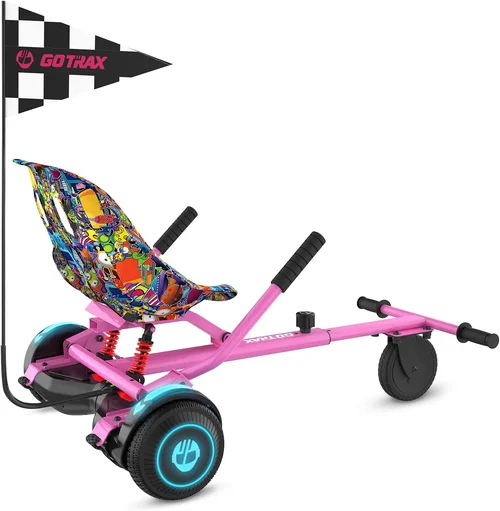
Expert Tips for Getting the Best Deal
1. Shop During Seasonal Sales: Major discounts occur during Black Friday, Cyber Monday, Amazon Prime Day (July), and back-to-school season (August). Gotrax often runs site-wide promotions with free shipping and bundled accessories.
2. Buy Direct from the Manufacturer: Gotrax.com frequently offers exclusive colors, extended warranties, or gift cards with purchase—deals rarely matched by third-party sellers.
3. Check Refurbished Options: Certified refurbished hoverboards from Gotrax or Amazon Renewed come with warranties and undergo rigorous testing. You can save 20–30% off retail.
4. Read Recent Reviews (Last 6 Months): Hoverboard models get updated yearly. An older 5-star review might refer to a discontinued version. Focus on recent feedback for accuracy.
5. Test Before Committing: If possible, visit a local electronics store or friend who owns a similar model. Feel the weight, balance, and responsiveness firsthand.
6. Bundle Accessories: Some retailers offer packages with helmets, carrying bags, or extra chargers. Compare total value—sometimes it’s cheaper than buying separately.
7. Monitor Price Drops: Use tools like Honey or CamelCamelCamel to track price history and set alerts. Hoverboard prices fluctuate significantly throughout the year.
8. Verify Seller Authenticity: On marketplaces like Amazon, ensure the seller is “Gotrax” or “Amazon”—not a third-party with no reviews. Counterfeit boards are common.

Frequently Asked Questions
Q: Are hoverboards safe for kids?
A: Yes—but only if they’re age-appropriate, UL 2272 certified, and used with supervision. Choose junior models with speed limiters (under 8 mph) and ensure kids wear helmets and pads. Avoid riding near traffic or wet surfaces.
Q: How long do hoverboard batteries last?
A: Most lithium-ion batteries retain 80% capacity after 300–500 charge cycles, translating to 1–2 years of daily use. Proper care (avoiding full discharges, storing at 50% charge) extends lifespan.
Q: Can I ride a hoverboard in the rain?
A: Most hoverboards are water-resistant (IP54 rating), meaning they can handle light splashes—but not submersion or heavy rain. Riding wet increases slip risk and can damage electronics. Dry thoroughly after exposure.
Q: Do I need to register my hoverboard?
A: In most U.S. states and countries, no registration is required for personal hoverboards used on private property or sidewalks. However, some cities ban them on public roads or require helmets. Check local laws.
Q: Why does my hoverboard shake or wobble?
A: This usually indicates calibration issues, uneven tire pressure (on pneumatic models), or sensor misalignment. Most Gotrax boards have a self-calibration mode—refer to the manual. If persistent, contact support.
Q: Can hoverboards go uphill?
A: Yes, but capability depends on motor power and incline steepness. A 500W board can handle 10–15% grades; higher wattage models manage steeper slopes. Lean forward gently and maintain steady speed.
Q: Are hoverboards allowed on airplanes?
A: Generally no. Due to lithium battery regulations, most airlines prohibit hoverboards in carry-on or checked luggage. Check with your airline before traveling.
Q: How do I clean my hoverboard?
A: Wipe the deck and body with a damp cloth and mild soap. Avoid spraying water directly into ports or under foot pads. Never use abrasive cleaners.
Q: What’s the difference between 6.5-inch and 8-inch wheels?
A: 6.5-inch wheels are lighter and more maneuverable for city use. 8-inch wheels (often pneumatic) provide better shock absorption and off-road performance but add weight.
Q: Can I upgrade my hoverboard’s battery?
A: Not recommended. Opening the casing voids the warranty and risks damaging sensitive components. If range is insufficient, consider upgrading to a higher-capacity model.
Our Final Recommendations
Best for Budget-Conscious Buyers: Gotrax Hoverfly E5 – At under $200, it delivers UL 2272 safety, 6-mile range, and reliable performance for casual riders. Perfect for teens or first-time users.
Best Overall Value: Gotrax Hoverfly E7 Pro – Combines smart app features, 8-mile range, Bluetooth audio, and solid build quality at $279. Ideal for students and urban commuters.
Best Premium Option: Gotrax Hoverfly Elite – With 12-mile range, 15 mph top speed, and premium materials, this is the ultimate daily driver for serious riders willing to invest $499.
Best for Beginners: Gotrax Hoverfly Mini – Lightweight (18 lbs), low max speed (6 mph), and intuitive controls make it the safest entry point for kids and nervous adults.
Best for Advanced Users: Gotrax Hoverfly E9 Off-Road – Rugged tires, 800W dual motors, and all-terrain capability let experienced riders explore beyond pavement—all while maintaining safety and comfort.
Conclusion: Making the Right Choice
Choosing the best hoverboard in 2026 isn’t just about picking the shiniest model or the lowest price—it’s about aligning your purchase with your real-world needs, safety priorities, and riding environment. We’ve covered everything from critical safety certifications and battery specs to smart features, budget tiers, and common pitfalls. Armed with this knowledge, you’re no longer at the mercy of flashy ads or misleading claims.
Remember: a great hoverboard should feel like an extension of yourself—stable, responsive, and reliable. Whether you’re gliding across campus, exploring local trails, or simply having fun in the backyard, the right board will enhance your experience without compromising safety. Take your time, compare options, read recent reviews, and don’t hesitate to reach out to customer support with questions.
Your perfect hoverboard is out there. Use this guide as your compass, prioritize what matters most to you, and ride with confidence into the future of personal mobility.