
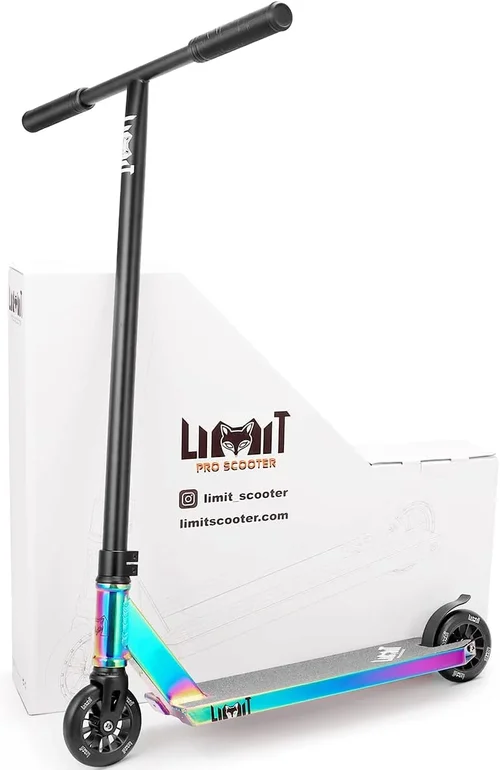
Trick scooters have evolved far beyond simple sidewalk toys—they’re now precision-engineered tools for creativity, athleticism, and self-expression. Whether you’re a beginner learning your first tailwhip, an intermediate rider mastering barspins, or a seasoned pro pushing the limits at the skatepark, choosing the right trick scooter is critical to your progression, safety, and overall enjoyment. With dozens of brands flooding the market—from budget-friendly options to high-end competition-grade models—it’s easy to feel overwhelmed. That’s exactly why this comprehensive buying guide exists: to cut through the noise, decode the specs, and help you make a smart, informed decision that aligns with your skill level, goals, and budget.
In this 2026 edition of our expert trick scooter buying guide, you’ll learn everything you need to know to pick the perfect ride. We’ll break down the most important factors to consider—like build quality, performance specs, and durability—and explain why they matter in real-world riding scenarios. You’ll discover the key differences between scooter types, avoid common purchasing pitfalls, and get insider tips on timing your purchase for maximum value. Whether you’re shopping for yourself or buying a gift for a young rider, this guide will equip you with the knowledge to choose a scooter that grows with you, not one that breaks after a few sessions. The trick scooter market has matured significantly over the past decade, with innovations in materials, geometry, and component design making today’s models more capable than ever before. From lightweight aluminum frames to reinforced steel forks and precision bearings, modern trick scooters are built to withstand the rigors of street and park riding. But not all scooters are created equal—and understanding what separates a good scooter from a great one is the first step toward unlocking your full potential.

What to Look for When Buying a Trick Scooter
1. Budget & Price Range
Your budget is the foundation of your scooter-buying journey. Trick scooters range from under $50 for entry-level models to over $400 for professional-grade setups. While it’s tempting to go for the cheapest option, especially if you’re new, investing wisely from the start can save you money in the long run. A $60 scooter might seem like a steal, but if it breaks after a month or lacks the stability needed for basic tricks, you’ll end up replacing it sooner than expected. On the other hand, dropping $400 on a pro scooter when you’re still learning ollies is overkill. The sweet spot for most riders falls between $120 and $250, where you get solid construction, reliable components, and room to grow. Consider your commitment level: if you’re serious about progressing, spending a bit more upfront ensures your scooter won’t hold you back. Also, factor in potential upgrades—some scooters allow you to swap out parts like wheels, bars, and decks as your skills improve, making them a better long-term investment.
2. Performance Specifications
Performance specs determine how a scooter handles, accelerates, and responds during tricks. Key metrics include wheel size, wheel hardness (durometer), bearing quality, and deck dimensions. Most trick scooters use 100mm to 120mm wheels—100mm is standard for park riding, offering agility and quick acceleration, while 110mm or 120mm wheels provide better speed and stability for street riding. Wheel hardness is measured in durometer (e.g., 88A, 90A); higher numbers mean harder wheels, which are faster and more durable but offer less grip. For park use, 88A–90A is ideal; for street, 90A–95A works better. Bearings are rated using the ABEC scale (1–9), but don’t rely solely on this—many high-performance scooters use non-ABEC sealed cartridge bearings that outperform ABEC-7 or ABEC-9. Look for brands like Bones Reds or similar equivalents. Deck size also affects performance: a wider deck (4.5″–5.0″) offers more foot space and stability, while a narrower deck (4.0″–4.5″) is lighter and better for technical tricks. Finally, consider the scooter’s weight—lighter scooters (under 6 lbs) are easier to flick and spin, crucial for advanced maneuvers.
3. Build Quality & Durability
Durability is non-negotiable in trick scooters. These machines endure repeated impacts, drops, and high-stress landings. The frame material is the most critical factor—aluminum (especially 6061 or 7005 series) is the standard for good reason: it’s lightweight, strong, and resistant to corrosion. Avoid scooters with plastic decks or low-grade aluminum, as they’re prone to bending or cracking. The fork should be made of reinforced steel or high-tensile aluminum, and the clamp system (used to secure the handlebars) should feature a double or triple clamp with quality bolts. Inspect welds for smoothness and consistency—poor welding is a red flag. The deck should have a concave shape and grip tape for better foot control. High-end models often include reinforced dropouts (the part where the wheels attach) and integrated headsets for added strength. Real-world testing matters: a scooter that looks tough on paper might fail under pressure. Look for brands with a track record of surviving park sessions and street grinds. Remember, a durable scooter isn’t just about surviving falls—it’s about maintaining performance over time without wobbling, loosening, or degrading.
4. Features & Functionality
Modern trick scooters come packed with features designed to enhance performance and rider experience. One of the most important is the brake system—most use a rear fender brake activated by foot pressure. Look for a brake made of durable nylon or composite material that doesn’t warp under heat. Some premium models offer adjustable brake tension for fine-tuning. Another key feature is the headset—the mechanism that allows the handlebars to turn smoothly. Integrated headsets (where the compression system is built into the deck) reduce weight and improve responsiveness compared to traditional external headsets. The compression system itself (e.g., SCS, ICS, HIC) affects how the scooter assembles and performs. SCS (Standard Compression System) is the most common and reliable, offering a clean look and strong hold. ICS (Internal Compression System) hides the bolt inside the bars for a sleek appearance but can be harder to maintain. HIC (Hidden Internal Compression) is less common but offers a balance of both. Other features include pegs (for grinding), removable spacers, and customizable bar heights. While not essential for beginners, these features become valuable as you advance. Choose a scooter with features that match your riding style—park riders may prioritize lightweight builds, while street riders might want grind pegs and larger wheels.
5. Brand Reputation
Not all scooter brands are equal. Established brands like Envy, Blunt, Root Industries, Custom, and Fuzion have earned their reputations through consistent quality, innovation, and rider support. These companies invest in R&D, test their products with professional riders, and stand behind their gear with solid warranties. In contrast, generic or no-name brands often cut corners on materials and assembly, leading to premature failures. A reputable brand also means better access to replacement parts, customer service, and community support. Look for brands that sponsor riders, host events, and engage with the scooter community—this shows commitment beyond just selling products. Reading rider testimonials and watching video reviews can give you insight into real-world performance. While brand name shouldn’t be the only factor, it’s a strong indicator of reliability. If a brand has a history of recalls or poor customer feedback, it’s worth steering clear—even if the price is tempting.
6. Warranty & Support
A strong warranty is a sign that a manufacturer believes in its product. Most reputable trick scooter brands offer at least a 6-month to 1-year warranty covering manufacturing defects. Some premium brands extend this to 2 years. Pay attention to what’s covered: does the warranty include the frame, wheels, bearings, and clamp? Or is it limited to the deck only? Also, check the claim process—some brands require you to ship the entire scooter back, while others let you replace individual parts. Customer support responsiveness matters too. If you have an issue, can you reach a real person quickly? Are replacement parts readily available? Brands with strong support networks make it easier to keep your scooter in top condition. Avoid brands with no warranty or vague terms—this often indicates low confidence in product quality. A good warranty not only protects your investment but also gives you peace of mind knowing you’re covered if something goes wrong.
7. Size & Portability
Trick scooters come in various sizes, and choosing the right one depends on your height, riding style, and how you plan to transport it. Most adult scooters have a deck length between 19″ and 22″, with a width of 4.0″ to 5.0″. Taller riders (over 5’10”) may prefer a longer deck for better foot placement, while shorter riders might find a 19″ deck more maneuverable. Handlebar height is adjustable on most models, typically ranging from 30″ to 36″ from the ground. Make sure the bars can be lowered enough for your comfort and raised as you grow. Portability is another consideration—if you’re commuting or traveling to parks, a lighter scooter (under 6.5 lbs) is easier to carry. Some models feature foldable designs, though these are less common in trick scooters due to strength concerns. If you plan to take your scooter on public transit or store it in tight spaces, consider the folded dimensions. However, don’t sacrifice performance for portability—trick scooters need rigidity, and folding mechanisms can introduce weak points.
8. User Reviews & Ratings
Never buy a trick scooter without checking user reviews. While manufacturer specs give you the basics, real riders tell you how a scooter performs under pressure. Look for detailed reviews on platforms like Amazon, YouTube, and scooter forums. Pay attention to comments about durability, comfort, and trick performance. Are riders able to land kickflips consistently? Does the scooter hold up after months of use? Watch video reviews to see the scooter in action—this gives you a sense of weight, balance, and responsiveness. Be wary of overly positive reviews that lack detail; they may be fake. Instead, focus on balanced feedback that highlights both pros and cons. Also, check the rating distribution: a 4.8-star average with hundreds of reviews is more trustworthy than a 5.0 with only five ratings. User photos can also reveal wear patterns or design flaws not visible in product images. Reviews from riders at your skill level are especially valuable—what works for a pro might be overkill (or underpowered) for a beginner.
Different Types of Trick Scooters

Common Buying Mistakes to Avoid
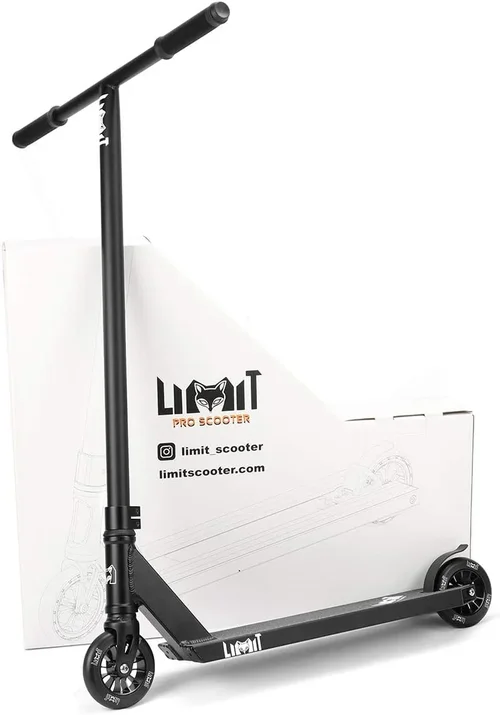
❌ Mistake: Prioritizing Price Over Quality
Why it’s bad: Going for the cheapest scooter might save you $50 upfront, but it often leads to frustration, frequent repairs, or complete failure within weeks. Low-cost models often use weak frames, poor bearings, and flimsy clamps that can’t handle even basic tricks.
What to do instead: Set a realistic budget based on your commitment level. If you’re serious about riding, invest in a mid-range scooter ($150–$250) that offers durability and performance. Think of it as a long-term investment in your progression.
❌ Mistake: Ignoring Weight and Balance
Why it’s bad: A scooter that’s too heavy or poorly balanced is hard to control, making tricks like barspins and tailwhips nearly impossible. It can also lead to fatigue and reduced confidence.
What to do instead: Test the scooter’s weight and feel if possible. Look for models under 6.5 lbs with a centered balance point. Lighter scooters are easier to flick and more responsive during technical maneuvers.
❌ Mistake: Overlooking Wheel and Bearing Quality
Why it’s bad: Cheap wheels wear down quickly, lose shape, and provide poor grip. Low-quality bearings slow you down and can seize up, especially in wet conditions.
What to do instead: Choose scooters with 88A–95A durometer wheels and sealed cartridge bearings (like Bones Reds equivalents). Avoid ABEC ratings as a sole indicator—focus on real-world performance and brand reputation.
❌ Mistake: Buying Based on Looks Alone
Why it’s bad: A scooter with flashy graphics or a trendy color might catch your eye, but aesthetics don’t affect performance. You could end up with a visually appealing but poorly built scooter.
What to do instead: Prioritize function over form. Choose a scooter with solid construction, good reviews, and the right specs for your needs. You can always customize the look later with stickers or aftermarket parts.
❌ Mistake: Skipping the Warranty Check
Why it’s bad: Without a warranty, you’re on your own if the scooter breaks due to manufacturing defects. Repair costs can add up, and some issues aren’t fixable.
What to do instead: Always check the warranty terms before buying. Aim for at least a 6-month warranty on the frame and major components. Brands with strong support make it easier to get replacements or repairs.
❌ Mistake: Not Considering Future Upgrades
Why it’s bad: Buying a scooter that can’t be upgraded limits your growth. You might outgrow it quickly and need to replace the entire setup.
What to do instead: Choose a scooter with standard sizing and compatibility with aftermarket parts. Look for models that allow you to swap wheels, bars, and decks as your skills advance.
❌ Mistake: Ignoring User Feedback
Why it’s bad: Relying solely on product descriptions or ads can lead to disappointment. Marketing claims often exaggerate performance or durability.
What to do instead: Read detailed user reviews and watch video tests. Look for feedback from riders at your skill level. Real-world experiences reveal flaws and strengths that specs alone can’t show.
Budget Guidelines: How Much Should You Spend?
- Entry-Level ($50 – $120): Ideal for beginners, kids, or casual riders. Expect basic aluminum frames, smaller wheels (100mm), and minimal features. These scooters are great for learning ollies and basic maneuvers but may lack durability for frequent use. Best for short-term or occasional riding.
- Mid-Range ($120 – $250): The sweet spot for most riders. These scooters offer strong aluminum frames, better bearings, and improved geometry. They’re durable enough for regular park and street use and often allow for upgrades. Perfect for intermediate riders looking to progress without breaking the bank.
- Premium ($250 – $400): Designed for advanced riders and frequent use. Features include reinforced frames, high-end bearings, integrated headsets, and precision engineering. These scooters can handle heavy impacts and complex tricks, making them ideal for competition or daily riding.
- Luxury ($400+): Top-tier models with custom builds, exotic materials, and pro-level components. Often used by sponsored riders and competitors. These scooters offer the best performance, durability, and aesthetics but are overkill for most recreational riders.
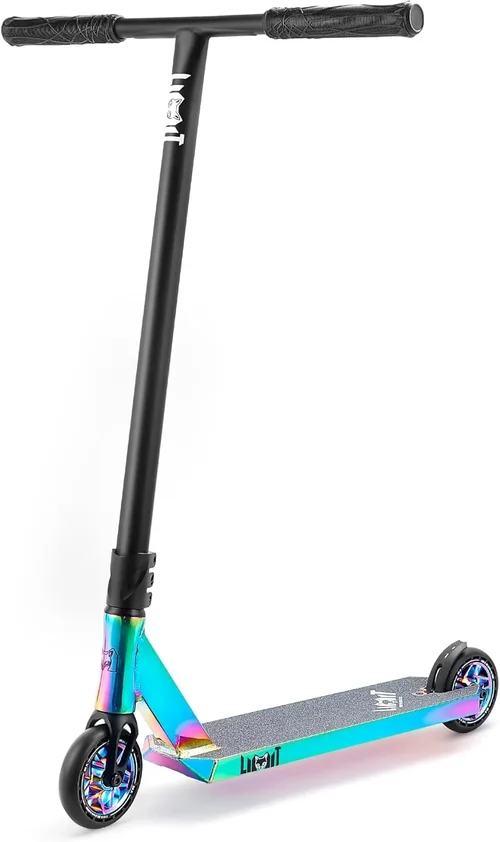
Expert Tips for Getting the Best Deal
- Buy During Off-Season Sales: Trick scooter demand peaks in spring and summer. Shop in late fall or winter for discounts—many retailers clear inventory before new models arrive.
- Check Multiple Retailers: Compare prices on Amazon, specialized scooter shops, and brand websites. Some retailers offer exclusive colors or bundles.
- Look for Bundle Deals: Some sellers include helmets, pads, or tools with the scooter. These can save you $30–$50 on safety gear.
- Consider Refurbished or Open-Box: Reputable sellers often offer certified refurbished scooters at 20–30% off. These are tested and come with warranties.
- Read Return Policies: Make sure you can return or exchange the scooter if it doesn’t fit or perform as expected. Some brands offer 30-day trial periods.
- Test Before You Buy (If Possible): Visit a local skate shop or scooter event to try different models. Feeling the weight, balance, and responsiveness makes a big difference.
- Join Online Communities: Forums and social media groups often share discount codes, flash sales, and insider deals.
- Don’t Rush: Take your time researching. A well-chosen scooter lasts years and enhances your riding experience far more than a hasty purchase.

Frequently Asked Questions
Q: What’s the difference between a trick scooter and a regular scooter?
A: Trick scooters are built for stunts, with reinforced frames, smaller wheels, and responsive handling. Regular scooters prioritize comfort and speed, often with larger wheels and less durable construction. Trick scooters can’t handle high speeds or rough terrain as well, but they excel in agility and impact resistance.
Q: Can I use a trick scooter for commuting?
A: It’s possible, but not ideal. Trick scooters are designed for short bursts of activity and tricks, not long-distance travel. Their small wheels struggle on rough pavement, and they lack features like suspension or storage. For commuting, consider a hybrid or electric scooter instead.
Q: How long does a trick scooter last?
A: With proper care, a quality trick scooter can last 1–3 years or more. Durability depends on usage frequency, riding style, and maintenance. Pro models used daily may need part replacements (like wheels or bearings) every 6–12 months.
Q: Are trick scooters safe for kids?
A: Yes, with supervision and proper safety gear. Choose a scooter appropriate for their age and size, and ensure they wear a helmet, knee pads, and elbow pads. Start with basic maneuvers and avoid high-risk tricks until they’re confident.
Q: Can I upgrade my scooter later?
A: Most mid-range and premium scooters allow upgrades. You can swap wheels, bars, decks, and bearings as your skills improve. Check compatibility before buying aftermarket parts.
Q: What’s the best wheel size for park riding?
A: 100mm wheels are standard for park riding due to their agility and quick acceleration. 110mm offers a balance of speed and control, while 120mm is better for street or rougher surfaces.
Q: Do I need grind pegs?
A: Grind pegs are optional but useful for street riding and ledge grinds. They add weight, so park riders often skip them. If you plan to grind rails or ledges, consider a scooter with peg compatibility.
Q: How do I maintain my trick scooter?
A: Regularly clean the deck, check bolt tightness, lubricate bearings, and inspect wheels for wear. Store it indoors to prevent rust and damage. Replace worn parts promptly to maintain performance.
Q: What’s the best brand for beginners?
A: Envy, Fuzion, and Root Industries offer excellent entry-level and mid-range models with good build quality and support. Avoid ultra-cheap no-name brands.
Q: Can I ride a trick scooter in the rain?
A: It’s not recommended. Water can damage bearings, warp the deck, and reduce grip. If you must ride in wet conditions, dry the scooter thoroughly afterward and avoid submerging it.
Our Final Recommendations
- Best for Budget-Conscious Buyers: Fuzion Z300 – At around $130, it offers excellent value with a strong aluminum frame, 110mm wheels, and smooth bearings. Great for beginners and intermediates.
- Best Overall Value: Envy Prodigy S9 – Priced around $200, this scooter balances performance, durability, and price. It’s lightweight, responsive, and built to last, making it ideal for progressing riders.
- Best Premium Option: Root Industries Type X – At $350+, this pro-level scooter features a reinforced frame, integrated headset, and precision components. Perfect for advanced riders and competitions.
- Best for Beginners: Blunt Nexus Pro – Around $150, it’s easy to handle, durable, and comes with a solid warranty. Great for learning fundamentals without overspending.
- Best for Advanced Users: Custom Scooters Pro Model – Fully customizable with top-tier parts, this scooter is built for riders who demand peak performance and personalization.
Conclusion: Making the Right Choice
Choosing the right trick scooter isn’t just about picking the flashiest model or the cheapest option—it’s about finding a balance between performance, durability, and value that matches your skill level and goals. Throughout this guide, we’ve covered the essential factors: budget, build quality, performance specs, brand reputation, and real-world feedback. We’ve compared scooter types, highlighted common pitfalls, and provided expert tips to help you get the best deal. Remember, the best scooter is the one that grows with you. It should feel comfortable in your hands, respond to your movements, and withstand the challenges of your riding style. Whether you’re landing your first 360 flip or grinding a handrail, your scooter is your partner in progression. Take your time, do your research, and prioritize quality over trends. With the right scooter, you’re not just buying a piece of equipment—you’re investing in confidence, creativity, and countless hours of fun. So gear up, hit the park, and let your ride speak for itself.