

Electric scooters have evolved from niche urban gadgets into mainstream transportation solutions, and by 2025, they’ve become smarter, safer, and more capable than ever. Whether you’re commuting to work, running errands across town, or simply exploring your city on two wheels, the right electric scooter can transform how you move. With advancements in battery technology, motor efficiency, and smart connectivity, today’s models offer impressive range, speed, and durability—even in challenging weather and terrain. This guide is designed to cut through the noise and help you make a confident, informed decision when choosing the best electric scooter for your lifestyle.
In this comprehensive buying guide, you’ll learn everything you need to know about selecting the perfect electric scooter in 2025. We’ll walk you through the most critical factors to consider—from performance specs and build quality to budget ranges and brand reliability. You’ll also discover the different types of scooters available, common pitfalls to avoid, and expert-backed tips to get the best value. Whether you’re a first-time buyer or upgrading from an older model, this guide will equip you with the knowledge to choose a scooter that fits your needs, budget, and daily routine. The electric scooter market has matured significantly, with options ranging from ultra-portable commuters to high-performance off-road beasts—so understanding your priorities is key.

What to Look for When Buying Electric Scooters
1. Budget & Price Range
Your budget is the foundation of your purchase decision. Electric scooters in 2025 span a wide price spectrum, from under $300 for basic entry-level models to over $3,000 for premium, feature-rich machines. Setting a realistic budget helps narrow your options and prevents overspending on features you don’t need. Consider not just the upfront cost but also long-term expenses like maintenance, replacement parts, and potential upgrades. A higher initial investment often translates to better components, longer lifespan, and fewer repairs down the line.
When evaluating price, think about value, not just cost. A $600 scooter with a reliable motor, solid tires, and good customer support may serve you better over time than a $400 model that breaks down after six months. Also, factor in hidden costs: some budget scooters use proprietary batteries or parts that are expensive or hard to replace. Look for models with standardized components or strong aftermarket support. Finally, consider financing options or seasonal sales—many brands offer payment plans or discounts during holidays, making premium models more accessible.
2. Performance Specifications
Performance is where the rubber meets the road—literally. The key specs to evaluate include motor power (measured in watts), top speed, range, and hill-climbing ability. For city commuting, a 250W to 500W motor is typically sufficient, offering speeds of 15–20 mph and ranges of 15–25 miles on a single charge. If you live in a hilly area or plan to ride longer distances, consider a 750W or 1000W motor, which can handle inclines up to 15–20% and deliver speeds over 25 mph.
Range is especially important—don’t just trust the manufacturer’s claim. Real-world range depends on rider weight, terrain, speed, and weather. A scooter advertised with a 30-mile range might only deliver 18–22 miles under typical conditions. Look for models with regenerative braking and efficient battery management systems, which help extend range. Also, check the battery type: lithium-ion (Li-ion) batteries are standard and offer good energy density, but some premium models now use lithium iron phosphate (LiFePO4), which last longer and charge faster, though they’re heavier.
3. Build Quality & Durability
A scooter is only as good as its construction. Look for a sturdy frame made from aircraft-grade aluminum or reinforced steel, which balances strength and weight. Check the weight capacity—most adult scooters support 220–300 lbs, but heavy-duty models can handle up to 400 lbs. Pay attention to the suspension system: dual suspension (front and rear) provides a smoother ride on rough roads, while single or no suspension may lead to discomfort on uneven surfaces.
Tires matter too. Pneumatic (air-filled) tires offer better shock absorption and grip but are prone to punctures. Solid or honeycomb tires are puncture-proof and low-maintenance but deliver a harsher ride. Some 2025 models feature hybrid tires—partially filled with gel or foam—that combine durability with comfort. Also, inspect the deck size and material: a wider, non-slip deck improves stability, especially at higher speeds or in wet conditions.
4. Features & Functionality
Modern electric scooters come packed with smart features that enhance safety, convenience, and usability. Essential features include LED headlights and taillights for visibility, especially if you ride at night. A bright, readable display showing speed, battery level, and riding mode is a must. Many 2025 models include Bluetooth connectivity, allowing you to lock the scooter, track rides, or update firmware via a smartphone app.
Other useful features include cruise control (great for long, flat commutes), multiple riding modes (eco, normal, sport), and app-based GPS tracking. Some high-end scooters even offer anti-theft alarms, turn signals, and regenerative braking. Water resistance is another key factor—look for an IP rating of at least IPX4 (splash-resistant) or IPX5 (water jet-resistant) if you ride in rain or wet conditions. Avoid models with no IP rating, as they’re not suitable for outdoor use in damp weather.
5. Brand Reputation
Not all scooter brands are created equal. Established brands like Segway-Ninebot, Xiaomi, Dualtron, and Apollo have built reputations for quality, innovation, and customer service. They invest in R&D, offer better warranties, and have reliable supply chains for parts and repairs. Lesser-known or generic brands may offer tempting prices, but they often cut corners on materials, safety testing, and support.
Research brand history: How long have they been in business? Do they have a track record of recalls or safety issues? Check third-party reviews and forums like Reddit or electric scooter communities. A brand with a strong community presence and active customer support team is more likely to stand behind its products. Also, consider regional availability—some brands are popular in Europe but hard to service in the U.S., and vice versa.
6. Warranty & Support
A solid warranty is a sign of a manufacturer’s confidence in their product. Most reputable brands offer at least a 12-month warranty covering the motor, battery, and frame. Premium models may include 18–24 months or even lifetime frame warranties. Read the fine print: some warranties exclude wear-and-tear items like tires, brakes, or the battery, which degrade over time.
Customer support is just as important. Can you reach a real person quickly? Are replacement parts readily available? Do they offer repair guides or video tutorials? Brands with service centers or authorized repair shops in your area make maintenance easier. Avoid brands that only offer email support with slow response times. A good warranty and responsive support can save you hundreds in repair costs and downtime.
7. Size & Portability
Portability matters if you plan to carry your scooter on public transit, store it in a small apartment, or take it on trips. Weight is the biggest factor—most adult scooters weigh between 25 and 45 lbs. Lighter models (under 30 lbs) are easier to carry but may sacrifice durability or performance. Folding mechanisms should be quick, secure, and durable. Look for scooters with one-step folding and a locking mechanism to prevent accidental collapse.
Deck size and handlebar height also affect comfort and portability. Adjustable handlebars accommodate different rider heights, while a compact folded size (under 40” x 18” x 8”) fits in car trunks or under desks. Some models include built-in carrying handles or shoulder straps for easier transport. If you’re commuting with a backpack or groceries, consider a scooter with a rear rack or basket attachment.
8. User Reviews & Ratings
Never buy a scooter based solely on specs or marketing claims. Real-world user reviews reveal strengths and weaknesses that specs alone can’t show. Look for detailed reviews on platforms like Amazon, YouTube, or specialized scooter review sites. Pay attention to recurring themes: Are multiple users reporting battery issues? Do people praise the ride comfort? Are there complaints about customer service?
Check the overall rating, but also read the 1- and 2-star reviews—they often highlight serious flaws. Be wary of fake reviews: overly generic praise or repetitive phrasing can be red flags. Look for verified purchase tags and photos/videos from real users. Also, consider the sample size: a scooter with 1,000+ reviews is more reliable than one with only 20.
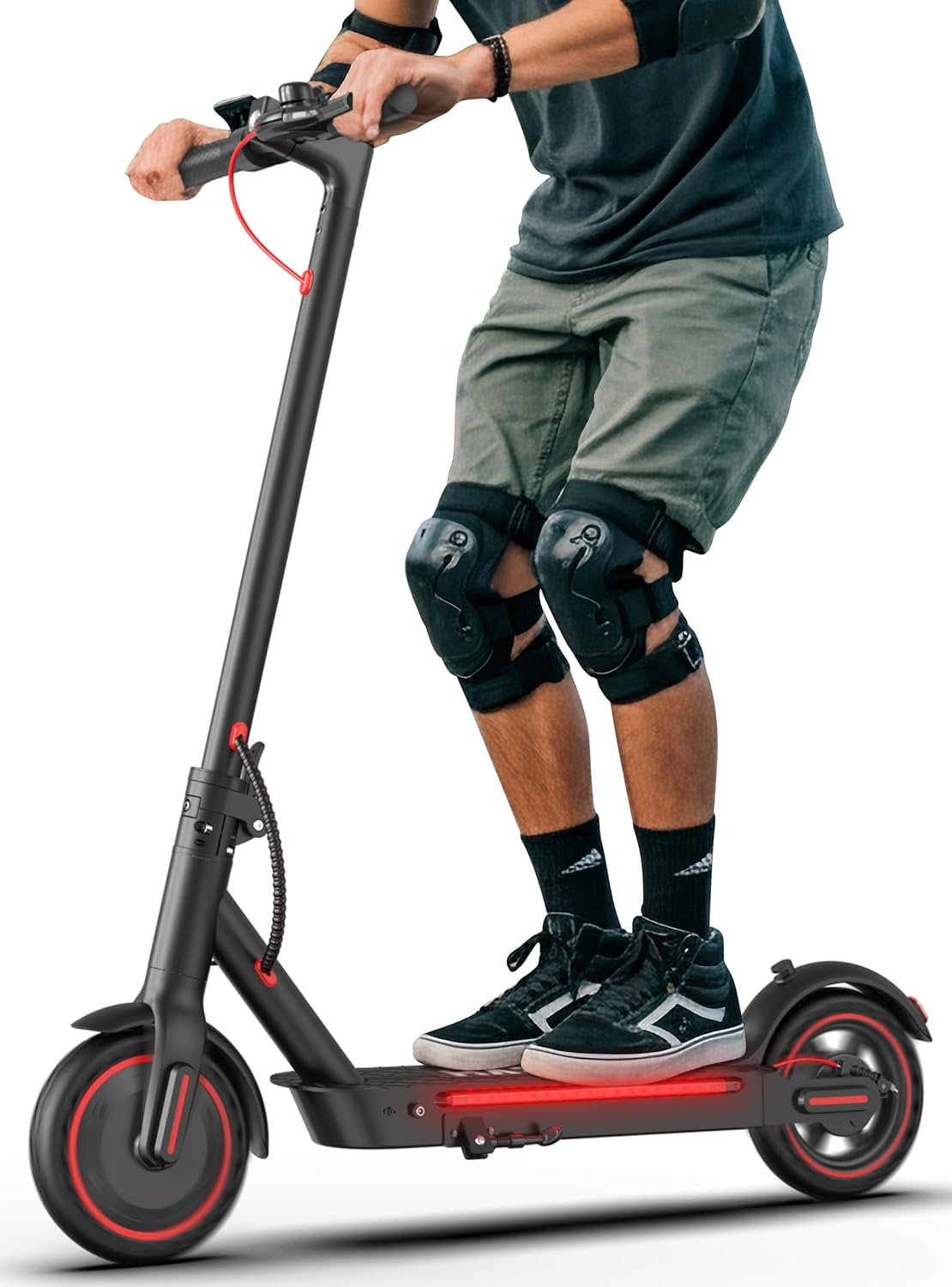
Different Types of Electric Scooters
Common Buying Mistakes to Avoid
❌ Mistake: Prioritizing Price Over Quality
Why it’s bad: The cheapest scooters often use low-grade motors, weak batteries, and flimsy frames that fail quickly. You may end up spending more on repairs or replacements than if you’d bought a better model upfront.
What to do instead: Set a realistic budget that balances cost and value. Aim for mid-range models ($600–$1,200) that offer reliable performance and durability. Look for brands with good warranties and customer reviews.
❌ Mistake: Ignoring Real-World Range Claims
Why it’s bad: Manufacturers often advertise range under ideal conditions—light rider, flat terrain, low speed. In reality, range drops significantly with hills, wind, or heavier riders.
What to do instead: Take advertised range with a grain of salt. Assume you’ll get 60–70% of the claimed range. If you need 20 miles, choose a scooter rated for 30+ miles. Check user reviews for real-world range reports.
❌ Mistake: Overlooking Weight and Portability
Why it’s bad: A heavy, bulky scooter is hard to carry up stairs, onto buses, or into offices. You may end up leaving it at home, defeating the purpose.
What to do instead: Consider how and where you’ll use the scooter. If portability is key, choose a model under 30 lbs with a compact fold. Test the weight and folding mechanism in-store if possible.
❌ Mistake: Skipping Safety Features
Why it’s bad: Riding without lights, brakes, or suspension increases accident risk, especially at night or on rough roads.
What to do instead: Prioritize scooters with front and rear lights, responsive disc or drum brakes, and at least basic suspension. Consider adding a helmet, reflective gear, and a bell.
❌ Mistake: Not Checking Warranty and Support
Why it’s bad: If your scooter breaks and the brand offers no support, you’re stuck with a costly repair or replacement.
What to do instead: Choose brands with at least a 12-month warranty and accessible customer service. Read warranty terms carefully—some exclude batteries or motors.
❌ Mistake: Buying Based on Looks Alone
Why it’s bad: A sleek design doesn’t guarantee performance or reliability. Some stylish models sacrifice build quality for aesthetics.
What to do instead: Focus on specs, reviews, and functionality. A scooter that looks great but rides poorly will quickly become a disappointment.
❌ Mistake: Ignoring Local Laws and Regulations
Why it’s bad: Some areas restrict scooter speed, require licenses, or ban them on sidewalks. Riding illegally can result in fines or confiscation.
What to do instead: Research local laws before buying. Choose a scooter that complies with speed limits (usually 15–20 mph in urban areas) and check if helmets or registration are required.
Budget Guidelines: How Much Should You Spend?
Entry-Level ($200–$500): These scooters are ideal for short, flat commutes or casual use. Expect basic features: 250W motor, 10–15 mph top speed, 8–12 mile range, and minimal suspension. Build quality may be lower, and warranties are often short. Best for light riders or occasional use. Examples include the Gotrax GXL V2 or Xiaomi Mi Essential.
Mid-Range ($500–$1,200): This is the sweet spot for most adult riders. Scooters in this range offer 350W–500W motors, 15–20 mph speeds, 15–25 mile ranges, and better build quality. Features like LED lights, app connectivity, and improved suspension are common. Brands like Segway, Apollo, and Ninebot dominate here. Great for daily commuting and moderate hills.
Premium ($1,200–$2,500): Designed for performance and durability, these scooters feature 750W–1000W motors, 20–30 mph speeds, and 25–40 mile ranges. They include dual suspension, large pneumatic tires, advanced braking, and smart features like GPS and anti-theft. Ideal for long commutes, hilly areas, or tech enthusiasts. Models like the Dualtron Thunder or Apollo Phantom fit here.
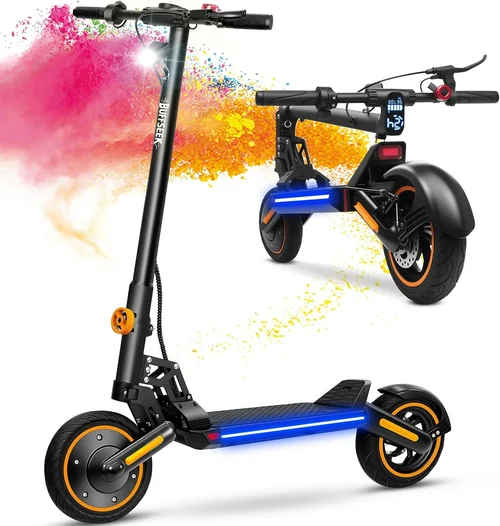
Luxury ($2,500+): Top-tier scooters with cutting-edge tech, premium materials, and exceptional performance. Expect 1000W+ motors, 30+ mph speeds, 40+ mile ranges, and features like regenerative braking, app-based diagnostics, and carbon fiber components. Built for serious riders, off-road use, or those who want the best. Examples include the Dualtron X or Kaabo Wolf King GT.
Expert Tips for Getting the Best Deal
1. Buy During Seasonal Sales: The best time to buy is during Black Friday, Cyber Monday, or end-of-season clearances (late fall/winter). Many brands offer 15–30% discounts. Sign up for newsletters to get early access.
2. Compare Retailers: Prices vary between Amazon, brand websites, and specialty retailers. Check for exclusive deals, free shipping, or bundled accessories (helmets, locks). Sometimes buying directly from the manufacturer includes extended warranties.
3. Test Before You Buy: If possible, visit a local store or attend a demo event. Test ride different models to assess comfort, handling, and braking. Online reviews are helpful, but nothing beats real-world experience.
4. Check Return Policies: Ensure the retailer offers at least a 14-day return window. Some brands allow 30 days for testing. Avoid sellers with restocking fees or no-return policies.
5. Look for Refurbished or Open-Box Deals: Certified refurbished scooters from reputable sellers can save you 20–40% off retail. They’re tested, cleaned, and often come with warranties.
6. Consider Financing: Some brands offer 0% APR financing for 6–12 months. This lets you spread payments without interest, making premium models more affordable.
7. Join Scooter Communities: Forums and Facebook groups often share exclusive discount codes, flash sales, or group buys. Members also provide honest feedback and troubleshooting tips.
8. Read the Fine Print: Check warranty terms, return policies, and shipping costs. Some “free shipping” deals have hidden fees or long delivery times.

Frequently Asked Questions
Q: How fast do electric scooters go?
A: Most adult scooters reach 15–25 mph. Performance models can hit 30–40 mph, while off-road scooters may exceed 50 mph. Speed depends on motor power, rider weight, and terrain.
Q: How far can an electric scooter travel on a single charge?
A: Range varies from 8–15 miles for entry-level models to 40+ miles for premium scooters. Real-world range is typically 60–70% of advertised claims due to hills, wind, and rider weight.
Q: Are electric scooters safe?
A: Yes, when used responsibly. Wear a helmet, follow traffic laws, and avoid riding in bad weather. Choose scooters with good brakes, lights, and suspension for added safety.
Q: Can I ride an electric scooter in the rain?
A: Only if it has an IPX4 or higher rating. Avoid submerging it or riding through deep puddles. Dry it thoroughly after wet rides to prevent corrosion.
Q: How long do electric scooter batteries last?
A: Most lithium-ion batteries last 300–500 charge cycles, or 2–4 years with regular use. Proper care—avoiding full discharges and extreme temperatures—extends lifespan.
Q: Do I need a license to ride an electric scooter?
A: It depends on your location. In many U.S. cities, no license is required for scooters under 20 mph. Check local laws for speed limits, helmet rules, and where you can ride.
Q: Can I take my scooter on public transit?
A: Most buses and trains allow folded scooters, but policies vary. Check with your transit authority. Lightweight, compact models are easiest to carry.
Q: How do I maintain my electric scooter?
A: Regularly check tire pressure (if pneumatic), tighten bolts, clean the deck, and inspect brakes. Charge the battery monthly even if not in use. Store in a dry, cool place.
Q: What’s the difference between hub motors and belt drives?
A: Hub motors are built into the wheel—quiet, low-maintenance, and common in most scooters. Belt drives offer more torque and are used in high-performance models but require occasional belt replacement.
Q: Can I upgrade my scooter’s battery or motor?
A: Some models allow upgrades, but it’s often complex and may void the warranty. Check with the manufacturer. For most users, buying a better model is more practical.
Our Final Recommendations
Best for Budget-Conscious Buyers: Gotrax GXL V2 – At under $400, it offers solid performance, a 15-mile range, and reliable build quality. Great for short commutes and first-time riders.
Best Overall Value: Segway Ninebot Max G30LP – Priced around $700, it delivers 30-mile range, IPX5 water resistance, and excellent durability. A favorite among commuters for its balance of price and performance.
Best Premium Option: Apollo Phantom – At $1,600, it features dual motors, 40-mile range, and top-tier suspension. Ideal for long, hilly commutes and tech-savvy riders.
Best for Beginners: Xiaomi Mi Electric Scooter 4 Pro – User-friendly, lightweight, and packed with smart features. Perfect for those new to electric scooters.
Best for Advanced Users: Dualtron Thunder 2 – With a 1,000W motor, 50+ mph top speed, and 70-mile range, it’s built for performance enthusiasts and off-road adventures.
Conclusion: Making the Right Choice
Choosing the best electric scooter in 2025 isn’t just about picking the fastest or most expensive model—it’s about finding the right fit for your lifestyle, budget, and daily needs. By focusing on key factors like performance, build quality, portability, and brand reputation, you can avoid common pitfalls and invest in a scooter that will serve you reliably for years. Whether you’re commuting across the city, exploring trails, or simply enjoying the freedom of two wheels, the right scooter can make every ride smoother, safer, and more enjoyable.
Take the time to assess your priorities: How far do you need to go? How often will you ride? Do you need to carry it often? Use this guide as your roadmap, and don’t rush the decision. With so many excellent options available, there’s a perfect scooter out there for you. Start your search with confidence, and get ready to embrace the future of urban mobility.