

The electric bike revolution has reached a pivotal moment in 2025, and folding e-bikes are at the heart of this transformation. As urban centers grow denser and commuting habits evolve, riders are demanding more from their transportation—something that’s not only efficient and eco-friendly but also practical for small living spaces, public transit integration, and on-the-go storage. Folding e-bikes answer that call with a blend of innovation, portability, and performance that few other vehicles can match. Whether you’re navigating crowded city streets, hopping on a train, or storing your ride in a tiny apartment closet, a well-chosen folding e-bike can be a game-changer.
This comprehensive buyer’s guide is designed to help you cut through the noise and make a confident, informed decision. With dozens of models flooding the market—from budget-friendly options to high-end performance machines—it’s easy to feel overwhelmed. That’s why we’ve done the research, testing, and analysis for you. In this guide, you’ll learn exactly what to look for in a folding e-bike, how to avoid common pitfalls, and which models deliver the best value for your needs. We’ll break down everything from motor power and battery life to frame materials, portability features, and long-term reliability. By the end, you’ll have a clear roadmap to find the perfect folding e-bike that fits your lifestyle, budget, and riding goals.
The folding e-bike market in 2025 is more dynamic than ever. Major brands like Rad Power Bikes, Aventon, and Brompton have expanded their folding lineups, while new players like Heybike, Engwe, and Fiido are pushing innovation with aggressive pricing and smart tech integration. Meanwhile, advancements in battery technology, motor efficiency, and lightweight materials have made today’s folding e-bikes faster, lighter, and more capable than their predecessors. From compact commuters to rugged off-road folders, there’s a model for nearly every use case. Whether you’re a daily commuter, weekend explorer, or someone who just wants a convenient way to get around without the hassle of car ownership, this guide will help you find the right fit.

What to Look for When Buying a Folding E-Bike
1. Budget & Price Range
Your budget is the foundation of your buying decision. Folding e-bikes range from under $600 to over $3,000, and while it’s tempting to go for the cheapest option, skimping too much can lead to poor performance, short battery life, and frequent repairs. A good rule of thumb is to set a realistic budget based on how often you’ll use the bike and what you expect from it. For occasional riders or those on a tight budget, entry-level models around $800–$1,200 can offer solid value. However, if you plan to use your e-bike daily or for longer commutes, investing $1,500–$2,500 will get you better components, longer range, and improved durability.
When evaluating price, consider the total cost of ownership. A cheaper bike might save you money upfront but could cost more in maintenance, battery replacements, or early upgrades. Look for models that offer a balance between affordability and quality. Pay attention to what’s included—some brands bundle accessories like lights, fenders, or racks, while others sell them separately. Also, watch for seasonal sales, especially around Black Friday, Earth Day, or back-to-school periods, when many retailers offer significant discounts.
2. Performance Specifications
Performance is where folding e-bikes truly differentiate themselves. The three key specs to focus on are motor power, battery capacity, and top speed. Most folding e-bikes use hub motors ranging from 250W to 750W. A 250W motor is sufficient for flat city riding, but if you live in a hilly area or want faster acceleration, aim for 500W or higher. Mid-drive motors are rare in folding models due to space constraints, so hub motors dominate—just ensure they’re geared for efficiency and torque.
Battery capacity is measured in watt-hours (Wh). A higher Wh rating means longer range. For example, a 36V 10Ah battery delivers 360Wh, while a 48V 14Ah battery offers 672Wh. Real-world range depends on terrain, rider weight, assist level, and weather, but as a general guide: 300–400Wh gives 20–30 miles, 500–600Wh delivers 35–50 miles, and 700Wh+ can exceed 60 miles. Look for lithium-ion batteries from reputable manufacturers like Samsung, LG, or Panasonic, and check if the battery is removable for easy charging and replacement.
Top speed is another critical factor. Most folding e-bikes are Class 1 or Class 2, meaning they assist up to 20 mph (32 km/h). Some high-performance models offer 28 mph (45 km/h) Class 3 speeds, but these may require registration or have restrictions in certain areas. Always verify local e-bike laws before purchasing a faster model.
3. Build Quality & Durability
A folding e-bike is only as good as its weakest hinge. Since these bikes are designed to be folded and unfolded repeatedly, the frame and folding mechanisms must be robust. Look for frames made from aluminum alloy (like 6061 or 7005), which offer a good balance of strength, weight, and corrosion resistance. Avoid steel frames unless they’re specifically designed for heavy-duty use—they’re durable but add significant weight.
The folding mechanism itself should be intuitive, secure, and durable. Test how easy it is to fold and unfold—some models take 10 seconds, while others require multiple steps. Check for locking pins, latches, or magnetic closures that prevent accidental unfolding. Also, inspect the welds and joints for smoothness and consistency. A poorly welded hinge can fail over time, especially under stress.
Suspension is another durability factor. While most folding e-bikes have rigid frames, some include front suspension forks or seat post suspension to absorb shocks. This is especially useful if you ride on rough roads or gravel paths. However, suspension adds weight and complexity, so it’s a trade-off. For city commuting on smooth pavement, a rigid frame may be preferable.
4. Features & Functionality
Modern folding e-bikes come packed with features that enhance convenience and safety. Start with the display—most models include an LCD or LED screen showing speed, battery level, assist mode, and trip distance. Higher-end bikes may offer Bluetooth connectivity, GPS tracking, or smartphone app integration for route planning and ride analytics.
Lighting is essential for safety. Look for integrated front and rear LED lights powered by the main battery. Some models even include brake-activated rear lights or turn signals. Fenders and chain guards protect you from mud and dirt, while rear racks allow you to carry bags, groceries, or a child seat. A kickstand is a small but useful feature, especially when parking in tight spaces.
Other functional upgrades include puncture-resistant tires, hydraulic disc brakes for reliable stopping power, and multiple pedal assist levels. Some bikes offer a “walk mode” that provides low-speed assistance when pushing the bike up stairs or through crowds. Consider how these features align with your daily routine—do you need to carry cargo? Ride at night? Navigate steep hills?
5. Brand Reputation
Not all e-bike brands are created equal. Established companies like Rad Power Bikes, Aventon, and Brompton have built reputations for quality, customer service, and innovation. They often invest more in R&D, use higher-grade components, and offer better warranties. In contrast, lesser-known brands may cut corners to offer lower prices, which can lead to reliability issues down the line.
Research customer reviews on trusted platforms like Trustpilot, Reddit, or specialized e-bike forums. Look for patterns—consistent complaints about battery life, poor customer support, or defective motors are red flags. Also, check if the brand has a physical presence in your country, including service centers or authorized dealers. This can make a huge difference if you need repairs or warranty service.
6. Warranty & Support
A solid warranty is a sign of a manufacturer’s confidence in their product. Most reputable brands offer at least a 1-year warranty on the frame and motor, with 6–12 months on the battery. Premium brands may extend coverage to 2–3 years. Pay attention to what’s covered—some warranties exclude wear-and-tear items like tires, brakes, or the battery, which can degrade over time.
Customer support is just as important. Can you easily reach a human being if something goes wrong? Do they offer phone, email, and live chat support? Are replacement parts readily available? Brands with U.S.-based or EU-based support teams tend to respond faster than those relying on overseas distributors. Also, check if the brand provides detailed manuals, video tutorials, or online troubleshooting guides.
Return policies matter too. Most online retailers offer 14–30 day return windows, but some charge restocking fees or require you to cover return shipping. If you’re buying online, ensure the return process is straightforward and that the bike can be shipped back safely.
7. Size & Portability
The whole point of a folding e-bike is portability, so size and weight are critical. When folded, the bike should be compact enough to fit in a car trunk, under a desk, or in a closet. Most folding e-bikes measure around 30” x 18” x 28” when folded, but some ultra-compact models are even smaller.
Weight is another key factor. Entry-level models typically weigh 40–50 lbs (18–23 kg), while premium bikes with larger batteries and frames can exceed 60 lbs (27 kg). If you plan to carry the bike up stairs or onto public transit, aim for under 50 lbs. Some brands offer lightweight carbon fiber components or step-through frames to make lifting easier.
Consider the folding mechanism’s footprint. Some bikes fold vertically, standing on their wheels, while others collapse flat. Vertical folders are easier to store in tight spaces, but flat folders may be more stable when leaned against a wall. Test the folded dimensions in your intended storage area before buying.
8. User Reviews & Ratings
Never buy a folding e-bike based solely on specs or marketing claims. Real-world user reviews provide invaluable insights into reliability, comfort, and long-term performance. Look for detailed reviews that cover daily use, weather resistance, maintenance needs, and customer service experiences.
Pay attention to recurring themes. If multiple users report the same issue—like a faulty display, weak brakes, or poor battery life—it’s likely a systemic problem. Conversely, consistent praise for ride quality, ease of folding, or responsive support is a good sign. Video reviews on YouTube can be especially helpful, as they show the bike in action, including how it folds, rides, and handles real terrain.
Different Types of Folding E-Bikes
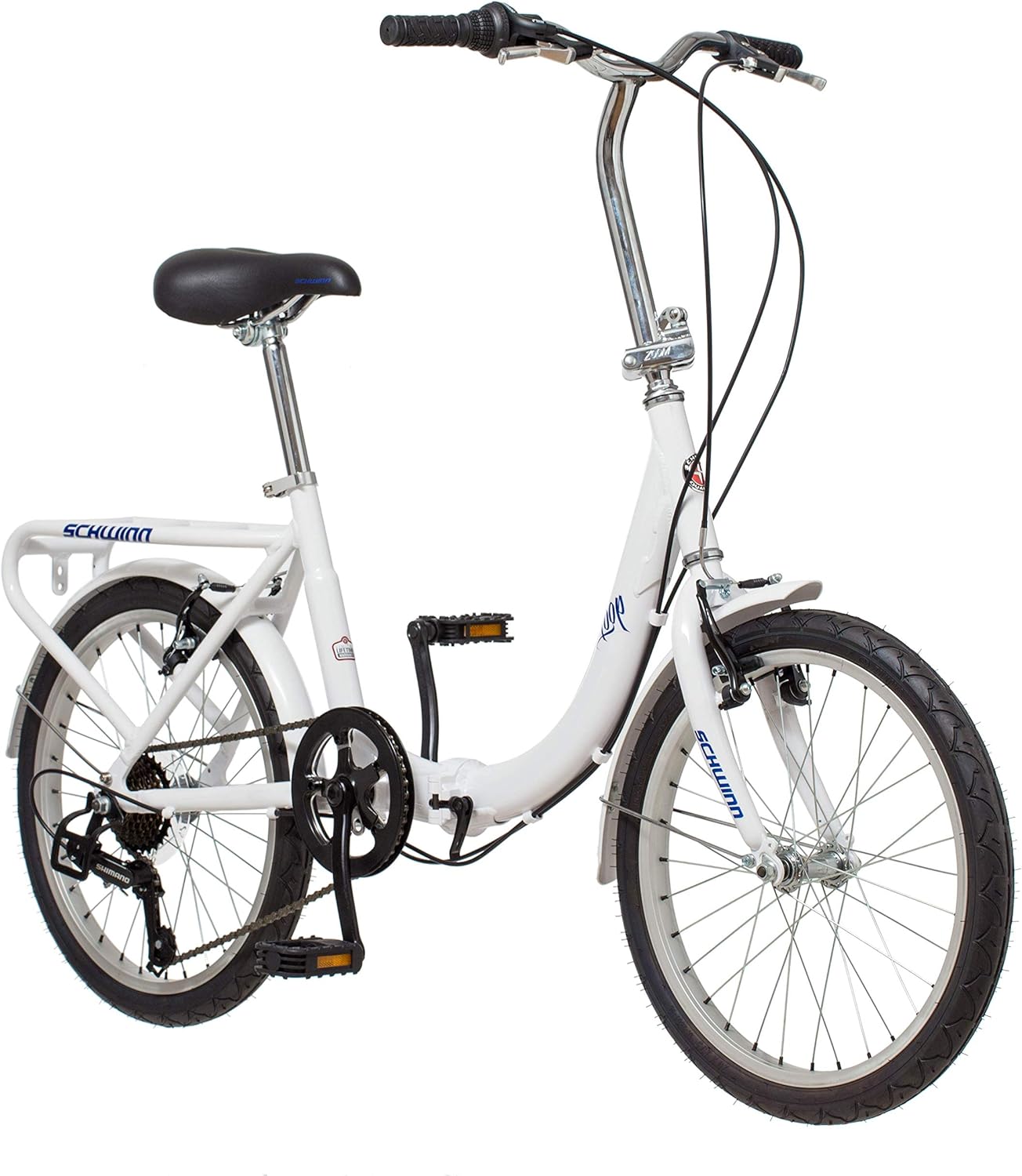
Common Buying Mistakes to Avoid
❌ Mistake: Prioritizing Price Over Quality
Why it’s bad: The cheapest folding e-bikes often use low-grade motors, weak batteries, and flimsy frames. They may save you $300 upfront but could cost more in repairs, shorter lifespan, and poor riding experience. Many budget models also lack proper safety features like reliable brakes or lights.
What to do instead: Set a minimum quality threshold. Look for bikes with at least a 500W motor, 400Wh+ battery, and aluminum frame. Spend a little more for a model with good reviews and a solid warranty. Think of it as a long-term investment in your mobility.
❌ Mistake: Ignoring Local E-Bike Laws
Why it’s bad: E-bike regulations vary by state, city, and country. Some areas restrict motor power, speed, or where you can ride. Buying a 750W, 28 mph bike might be illegal in your area, leading to fines or confiscation.
What to do instead: Research your local laws before buying. In the U.S., most states follow the three-class system (Class 1: pedal-assist up to 20 mph; Class 2: throttle up to 20 mph; Class 3: pedal-assist up to 28 mph). Choose a bike that complies with your region’s rules.
❌ Mistake: Overlooking Battery Removability
Why it’s bad: Non-removable batteries make charging inconvenient—you have to bring the entire bike indoors or run an extension cord outside. They also complicate battery replacement, which can cost $400–$800.
What to do instead: Always choose a model with a removable battery. This allows you to charge it at your desk, swap in a spare, or replace it easily when it degrades. It’s a small feature that makes a big difference in daily use.
❌ Mistake: Not Testing the Fold
Why it’s bad: Some folding mechanisms are awkward, time-consuming, or unstable. A bike that’s hard to fold defeats the purpose of owning a folding e-bike.
What to do instead: If possible, test the folding process in-store or watch detailed video demos. Look for one-hand folding, secure locks, and a compact folded size. Practice folding and unfolding before committing.
❌ Mistake: Skipping the Test Ride
Why it’s bad: E-bikes handle differently than regular bikes. Seat comfort, pedal feel, and motor responsiveness vary widely. Buying without riding can lead to buyer’s remorse.
What to do instead: Always test ride if possible. Pay attention to how the bike accelerates, brakes, and handles turns. Check if the seat is adjustable and comfortable for your height. If buying online, choose retailers with generous return policies.
❌ Mistake: Ignoring After-Sales Support
Why it’s bad: E-bikes have complex electronics and moving parts. Without reliable support, a small issue can become a major headache. Some brands take weeks to respond or don’t stock replacement parts.
What to do instead: Choose brands with strong customer service reputations. Check if they have local service centers, offer phone support, and provide clear warranty terms. Read reviews about post-purchase experiences.
❌ Mistake: Overestimating Range Needs
Why it’s bad: Many buyers assume they need 60+ miles of range, but most daily commutes are under 15 miles. Overspending on a high-capacity battery adds weight and cost without real benefit.
What to do instead: Calculate your typical ride distance and add 20% for safety. A 30–40 mile range is sufficient for most urban riders. Save money by choosing a smaller battery and charging more frequently.
Budget Guidelines: How Much Should You Spend?
Entry-Level ($600–$1,200): These bikes are ideal for occasional riders or those on a tight budget. Expect basic components: 250W–500W motors, 300–400Wh batteries, and simple displays. Brands like Heybike, Engwe, and Swagtron offer decent value here, but build quality and longevity may be limited. Best for short, flat commutes under 10 miles.
Mid-Range ($1,200–$2,000): This is the sweet spot for most buyers. You’ll get 500W–750W motors, 400–600Wh batteries, better brakes, and improved frames. Models from Rad Power Bikes, Aventon, and Fiido in this range offer excellent reliability, decent range (30–50 miles), and useful features like integrated lights and racks. Perfect for daily commuting and weekend rides.
Premium ($2,000–$3,000): For enthusiasts and serious commuters, premium folding e-bikes deliver top-tier performance. Expect 750W+ motors, 600–800Wh batteries, hydraulic disc brakes, suspension, and smart features like app connectivity. Brands like Brompton (with electric conversion kits), Tern, and Riese & Müller offer exceptional build quality and ride experience. Ideal for hilly terrain, long distances, or those who want the best.
Luxury ($3,000+): These are the Ferraris of folding e-bikes—rare, expensive, and packed with cutting-edge tech. Think carbon fiber frames, regenerative braking, GPS tracking, and ultra-lightweight designs. While impressive, they’re overkill for most riders. Only consider if you’re a collector, frequent traveler, or have very specific performance needs.
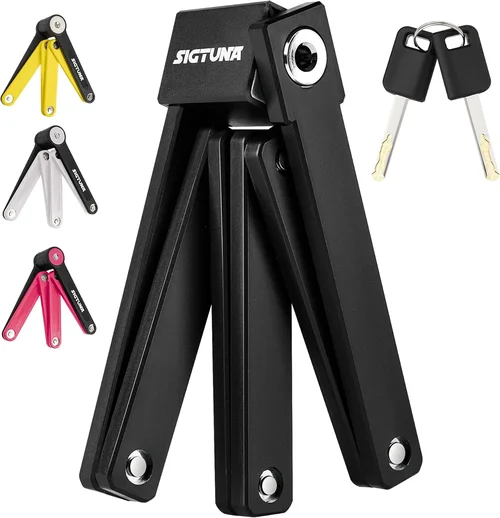
Expert Tips for Getting the Best Deal
1. Buy During Seasonal Sales: The best time to buy a folding e-bike is during major sales events. Black Friday, Cyber Monday, and Earth Day (April 22) often feature discounts of 15–30%. Some brands also offer end-of-season clearance in late summer.
2. Compare Retailers: Don’t just buy direct from the manufacturer. Check Amazon, Best Buy, REI, and specialty e-bike shops. Some retailers offer price matching, free shipping, or bundled accessories.
3. Look for Refurbished or Open-Box Deals: Many brands sell certified refurbished models at 20–40% off. These are inspected, tested, and often come with the same warranty as new bikes. A great way to save without sacrificing quality.
4. Check Return Policies: Always verify the return window and conditions. Aim for at least 14 days, preferably 30. Avoid retailers that charge restocking fees or require you to pay return shipping.
5. Test Before You Buy: If possible, visit a local dealer or attend an e-bike demo event. Hands-on experience is invaluable. If buying online, watch unboxing and review videos to see the bike in action.
6. Consider Financing Options: Some brands offer 0% APR financing for 6–12 months. This lets you spread the cost without interest, making premium models more accessible.
7. Join Loyalty Programs: Brands like Rad Power Bikes and Aventon have loyalty programs that offer discounts, early access to sales, and free accessories. Sign up for newsletters to get exclusive deals.
8. Read the Fine Print on Warranties: Understand what’s covered and for how long. Some warranties require registration within 30 days or void coverage if the bike is used commercially.

Frequently Asked Questions
Q: How far can a folding e-bike really go on a single charge?
A: Range depends on battery capacity, terrain, rider weight, and assist level. Most mid-range folding e-bikes offer 30–50 miles per charge. On eco mode with light pedaling, you might exceed 60 miles. On turbo mode uphill, range can drop to 15–20 miles. Always check real-world user reports, not just manufacturer claims.
Q: Are folding e-bikes safe to ride?
A: Yes, when properly designed and maintained. Look for models with reliable brakes (preferably hydraulic disc), bright lights, and stable frames. Avoid ultra-cheap bikes with poor welding or weak components. Always wear a helmet and follow traffic laws.
Q: Can I take a folding e-bike on public transit?
A: Most transit systems allow folding e-bikes, but rules vary. Some require the bike to be folded and covered, or restrict use during peak hours. Check your local transit authority’s policy. Compact, lightweight models are easiest to manage.
Q: How long do folding e-bike batteries last?
A: A quality lithium-ion battery should last 500–1,000 charge cycles, or 2–4 years with regular use. Capacity gradually decreases over time. Proper care—avoiding extreme temperatures, not draining to 0%, and storing at 50% charge—can extend lifespan.
Q: Do I need to register or insure my folding e-bike?
A: In most U.S. states, no registration or insurance is required for Class 1 and Class 2 e-bikes. Class 3 bikes may need registration in some areas. Check local laws. Insurance is optional but recommended for high-value models.
Q: Can I ride a folding e-bike in the rain?
A: Most folding e-bikes are water-resistant but not fully waterproof. Avoid submerging the battery or motor. Riding in light rain is generally safe, but dry and clean the bike afterward to prevent corrosion.
Q: How often do I need to maintain a folding e-bike?
A: Basic maintenance includes checking tire pressure weekly, cleaning the chain monthly, and inspecting brakes and bolts every few months. Take it to a shop for a full tune-up once a year. Folding mechanisms should be lubricated periodically.
Q: Are folding e-bikes good for hills?
A: Yes, if they have a powerful motor (500W+) and sufficient battery. Look for models with high torque and multiple assist levels. Mid-drive motors are better for hills, but most folding e-bikes use hub motors—just ensure it’s geared for climbing.
Q: Can I upgrade parts on a folding e-bike?
A: Some components like seats, pedals, and lights can be upgraded. However, motors and batteries are usually integrated and not user-replaceable. Check compatibility before buying aftermarket parts.
Q: What’s the difference between pedal assist and throttle?
A: Pedal assist (PAS) provides power only when you pedal, with multiple levels of assistance. Throttle lets you ride without pedaling, like a scooter. Class 1 bikes have PAS only; Class 2 have both. Throttle is convenient for starting from stops or climbing steep hills.
Our Final Recommendations
Best for Budget-Conscious Buyers: Heybike Cityscape – At under $900, this model offers a 500W motor, 468Wh battery, and solid build quality. It’s lightweight, folds quickly, and includes lights and a rear rack. Great for short commutes and first-time e-bike buyers.
Best Overall Value: Rad Power Bikes RadMini 4 – Priced around $1,600, the RadMini 4 delivers 750W power, 672Wh battery, and a rugged aluminum frame. It handles hills, has a 45-mile range, and comes with a comprehensive warranty. A favorite among commuters.
Best Premium Option: Tern Vektron S10 – At $2,800, this German-engineered folder combines a 500W Bosch motor, 500Wh battery, and ultra-compact fold. It’s built for performance, comfort, and long-term durability—ideal for serious riders and travelers.
Best for Beginners: Aventon Sinch.2 – With a user-friendly interface, 500W motor, and 48V 15Ah battery, the Sinch.2 is easy to ride and maintain. It’s priced at $1,799 and includes a color display, app connectivity, and a step-through frame for easy mounting.
Best for Advanced Users: Engwe Engine Pro 2.0 – This $1,899 off-road folder boasts a 750W motor, 48V 16Ah battery, full suspension, and fat tires. It’s built for adventure, with a 60-mile range and aggressive styling. Perfect for trail riders and off-grid explorers.
Conclusion: Making the Right Choice
Choosing the best folding e-bike in 2025 doesn’t have to be overwhelming. By focusing on your specific needs—whether it’s budget, range, portability, or performance—you can narrow down the options and find a model that truly enhances your lifestyle. Remember, the right e-bike isn’t just about specs; it’s about how it fits into your daily routine, how it makes you feel when you ride, and how reliably it serves you over time.
We’ve covered everything from key buying factors and common mistakes to budget guidelines and expert tips. Use this guide as your roadmap. Prioritize quality over price, test before you buy, and don’t overlook after-sales support. Whether you’re commuting to work, exploring the city, or simply looking for a fun, eco-friendly way to get around, a folding e-bike can be a transformative investment.
Now it’s your turn. Take what you’ve learned, assess your needs, and make a confident decision. The perfect folding e-bike is out there—ready to unfold a new chapter in your mobility journey.