
The electric bike revolution is in full swing, and at the heart of this transformation lies one of the most important features for riders: pedal assist. Unlike throttle-only e-bikes that do all the work for you, pedal-assist e-bikes amplify your own pedaling effort, creating a natural, intuitive, and efficient riding experience. This technology doesn’t just make hills feel flat—it extends your range, reduces fatigue, and makes longer commutes or weekend adventures not only possible but enjoyable. Whether you’re commuting to work, exploring city streets, or tackling rugged trails, a quality pedal-assist system can redefine how you move through the world.
But with so many models flooding the market in 2026, choosing the right pedal-assist e-bike has never been more confusing. From budget-friendly options under $1,000 to high-performance machines exceeding $5,000, the range is vast—and not all pedal-assist systems are created equal. Some offer smooth, responsive power delivery, while others feel jerky or unpredictable. Some integrate seamlessly with smart features like GPS tracking and app connectivity, while others rely on basic displays and manual controls. This guide cuts through the noise to help you make an informed decision based on your needs, lifestyle, and budget.
In this comprehensive buying guide, we’ll walk you through everything you need to know about selecting the best pedal-assist e-bike in 2026. You’ll learn how to evaluate key performance specs like motor power, battery capacity, and sensor type, understand the differences between hub and mid-drive motors, and discover which features truly matter for your riding style. We’ll also break down common pitfalls, compare top categories, and provide expert-backed recommendations tailored to different user profiles. By the end, you’ll have the confidence and knowledge to choose an e-bike that fits your life—not the other way around.
What to Look for When Buying a Pedal-Assist Ebike
1. Motor Type and Placement
The motor is the engine of your e-bike, and its type and placement dramatically affect performance, handling, and efficiency. There are two main types: hub motors and mid-drive motors. Hub motors are located in the front or rear wheel and are common in budget and mid-range e-bikes. They’re simple, reliable, and often quieter, but they can make the bike feel unbalanced, especially on steep climbs or uneven terrain. Rear hub motors are generally preferred over front hub motors because they provide better traction and a more natural riding feel.
Mid-drive motors, on the other hand, are mounted near the bike’s bottom bracket and power the crank directly. This setup leverages the bike’s gears, allowing for more efficient power transfer and better hill-climbing ability. Mid-drives are typically found on higher-end models and are favored by serious cyclists and off-road enthusiasts. They also tend to have a lower center of gravity, improving handling and stability. However, they’re more complex and expensive to maintain. When evaluating motor placement, consider your terrain—flat city streets may not demand a mid-drive, but hilly or off-road routes benefit greatly from one.
2. Pedal Assist Sensor Technology
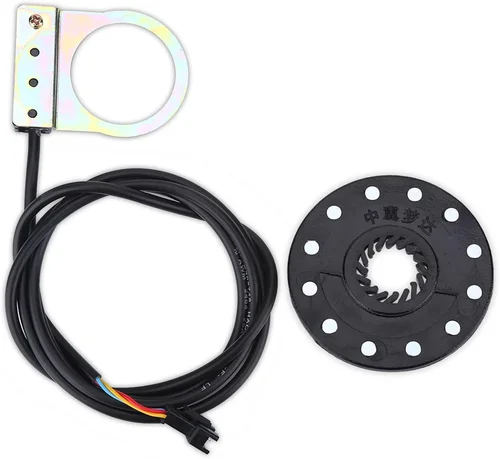
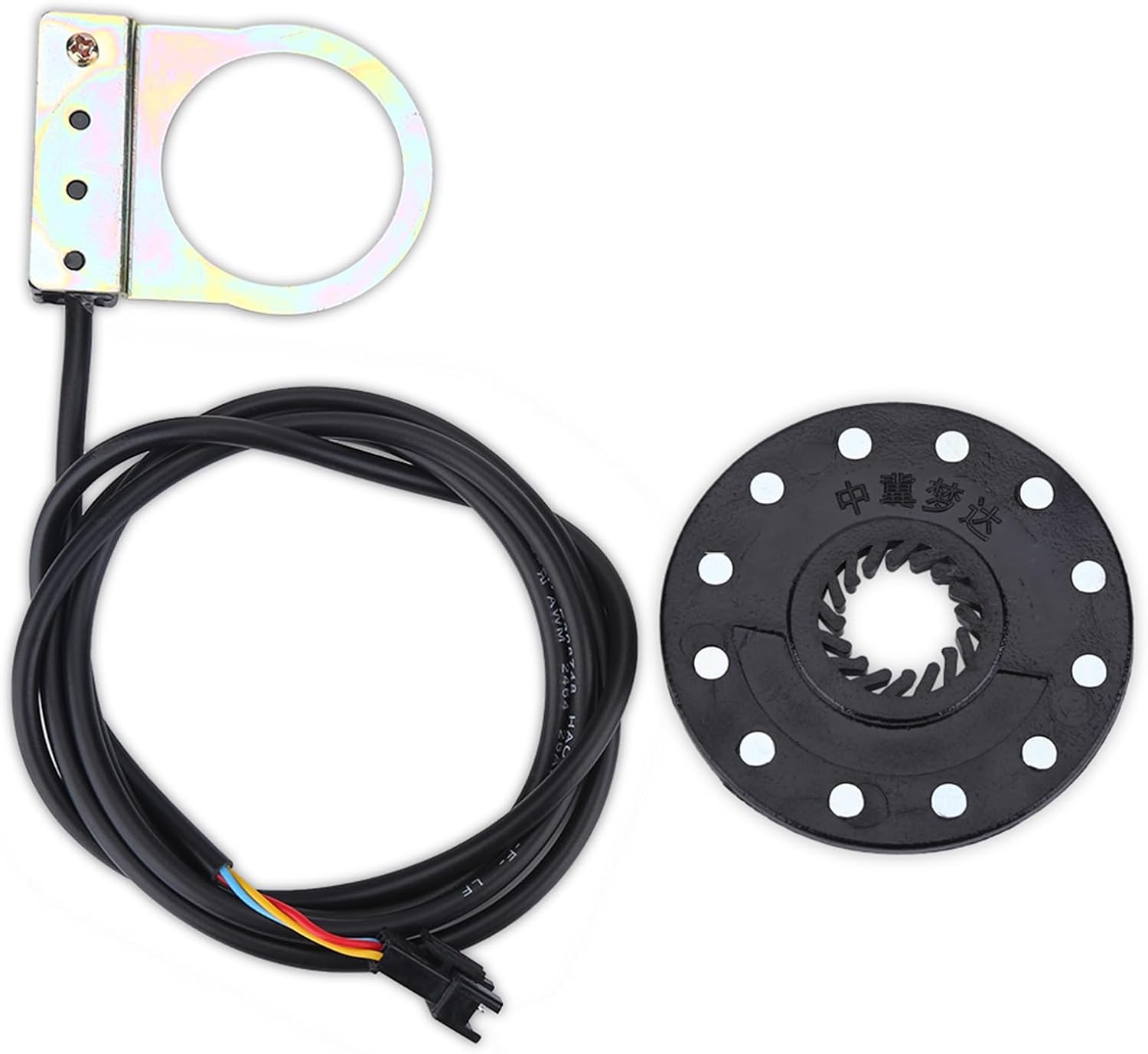
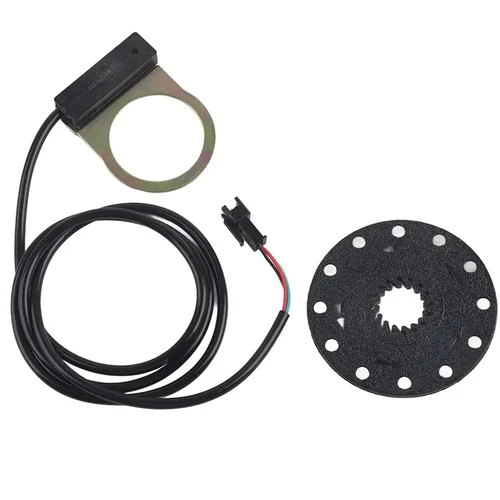
Not all pedal-assist systems feel the same, and the difference often comes down to the type of sensor used. The two primary types are cadence sensors and torque sensors. Cadence sensors detect whether you’re pedaling and provide a fixed level of assistance based on your selected mode. They’re common in entry-level e-bikes and can feel abrupt or disconnected from your effort—like a switch being flipped on or off.
Torque sensors, by contrast, measure how hard you’re pedaling and adjust motor output in real time. This creates a much more natural, responsive ride that feels like you’re being pushed forward by an invisible hand. Torque-sensing systems are standard in premium e-bikes and are especially valuable for stop-and-go city riding or technical trails. If you value a seamless, human-electric synergy, prioritize models with torque sensors. Some high-end bikes even combine both sensor types for maximum responsiveness.
3. Battery Capacity and Range
Battery capacity, measured in watt-hours (Wh), determines how far you can ride on a single charge. A higher Wh rating generally means longer range, but real-world performance depends on factors like terrain, rider weight, assist level, and weather. For example, a 500Wh battery might deliver 40–60 miles on flat terrain with moderate assist, but only 20–30 miles on hilly routes with maximum power.
Look for removable batteries, which allow you to swap in a fresh one or charge the bike without moving it to an outlet. Lithium-ion (Li-ion) batteries are the standard due to their high energy density and long lifespan. Pay attention to battery placement—integrated batteries in the downtube offer a sleek look and better weight distribution, while rear rack batteries can make the bike feel tail-heavy. Also, check charging time: most batteries take 3–6 hours to fully charge, but fast-charging options are becoming more common.
4. Assist Levels and Customization
Most pedal-assist e-bikes offer multiple assist levels—typically three to five—ranging from eco (minimal boost) to turbo (maximum power). The number of levels isn’t as important as how smoothly they transition and how customizable they are. Some bikes allow you to fine-tune assist levels via a companion app, letting you create custom profiles for different rides (e.g., “commute mode” vs. “trail mode”).
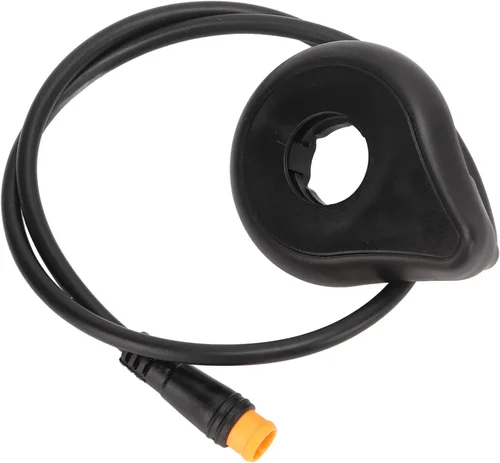
Higher-end models often include adaptive assist, which automatically adjusts power based on terrain, speed, or heart rate. This feature is especially useful for long rides where maintaining a consistent effort level is key. Additionally, look for intuitive controls—thumb shifters, handlebar-mounted displays, or touchscreens—that let you change assist levels without taking your hands off the grips.
5. Frame Material and Build Quality
The frame is the foundation of your e-bike, and its material affects weight, durability, and ride quality. Aluminum is the most common choice due to its strength, light weight, and corrosion resistance. It’s used across all price ranges and offers a good balance of performance and affordability. Steel frames are heavier but provide a smoother, more forgiving ride, making them ideal for comfort-focused models like city or touring e-bikes.
Carbon fiber frames are reserved for premium e-bikes and offer the best strength-to-weight ratio, but they come at a steep price. When evaluating build quality, inspect welds, cable routing, and component integration. A well-built frame should feel solid under load, with no creaking or flexing. Also, consider the bike’s weight—most e-bikes range from 40 to 70 pounds, and heavier models can be difficult to maneuver or transport.
6. Drivetrain and Gearing
Even with motor assistance, a good drivetrain is essential for efficiency and control. Most e-bikes use either internal gear hubs (like Shimano Nexus or Enviolo) or traditional derailleur systems. Internal hubs are low-maintenance and allow gear shifting while stopped, making them ideal for urban commuting. Derailleurs offer a wider gear range and are better suited for varied terrain, but require more upkeep.
Pay attention to the number of gears—7 to 11 speeds are common—and the quality of components. Mid-range and premium e-bikes often feature Shimano or SRAM drivetrains, which are reliable and widely supported. Some high-end models even include automatic shifting, which adjusts gears based on speed and cadence. A well-matched drivetrain ensures you can maintain an efficient pedaling rhythm, whether you’re cruising on flat roads or climbing steep hills.
7. Display and Connectivity Features
The display is your interface with the e-bike, providing critical information like speed, battery level, assist mode, and distance. Basic LED displays show essential data, while full-color LCD or OLED screens offer more detail and customization. High-end models may include GPS navigation, ride tracking, and smartphone integration via Bluetooth or ANT+.
Look for displays that are easy to read in sunlight and responsive to touch or button inputs. Some bikes sync with apps like Strava, Komoot, or the manufacturer’s own platform, allowing you to plan routes, monitor performance, and receive firmware updates. While not essential, smart features can enhance the riding experience and provide valuable insights over time.
8. Warranty and Customer Support
E-bikes are complex machines, and even the best models can encounter issues. A strong warranty and responsive customer support can save you time, money, and frustration. Most reputable brands offer at least a 1–2 year warranty on the frame and motor, with 1 year on the battery and electronics. Some premium brands extend coverage to 3–5 years, especially on key components.
Check what the warranty covers—does it include labor, parts, and shipping? Is it transferable if you sell the bike? Also, research the brand’s reputation for customer service. Read reviews about repair turnaround times, availability of replacement parts, and ease of contacting support. A bike with a great spec sheet is only as good as the support behind it.
Different Types of Pedal-Assist Ebikes

Common Buying Mistakes to Avoid
❌ Mistake: Prioritizing Price Over Performance
Why it’s bad: The cheapest e-bikes often cut corners on motor quality, battery life, and build materials, leading to poor reliability and a frustrating riding experience. You may end up replacing the bike sooner than expected, costing more in the long run.
What to do instead: Set a realistic budget based on your needs and prioritize value over the lowest price. A mid-range e-bike with a quality motor and battery will outperform a budget model in almost every way.
❌ Mistake: Ignoring Test Rides
Why it’s bad: E-bikes feel different from traditional bikes, and pedal-assist behavior varies widely between models. Skipping a test ride means you might end up with a bike that feels jerky, unbalanced, or uncomfortable.
What to do instead: Always test ride before buying, especially if purchasing in-store. If buying online, choose retailers with generous return policies (30 days or more) so you can try the bike risk-free.
❌ Mistake: Overlooking Battery Real-World Range
Why it’s bad: Manufacturers often advertise maximum range under ideal conditions (flat terrain, low assist, light rider). In reality, range can be 30–50% lower, leaving you stranded.
What to do instead: Look for independent range tests or user reviews that reflect real-world usage. Consider your typical route and choose a battery with at least 20–30% more capacity than you think you’ll need.
❌ Mistake: Choosing the Wrong Motor Type for Your Terrain
Why it’s bad: A hub motor may struggle on steep hills, while a mid-drive might be overkill for flat city streets. Mismatched motors lead to poor efficiency and reduced enjoyment.
What to do instead: Match the motor to your riding environment. Use a mid-drive for hilly or off-road riding, and a hub motor for flat, urban commutes.
❌ Mistake: Neglecting Maintenance Requirements
Why it’s bad: E-bikes require regular maintenance—brakes, drivetrain, tires, and electronics. Ignoring upkeep can lead to safety issues and costly repairs.
What to do instead: Learn basic maintenance or find a local shop that services e-bikes. Factor in annual maintenance costs when budgeting.
❌ Mistake: Buying Without Considering Weight and Portability
Why it’s bad: Heavy e-bikes (50+ lbs) are difficult to lift, store, or transport. If you need to carry it upstairs or load it into a car, weight becomes a major issue.
What to do instead: Consider your storage and transport needs. Folding or lightweight models are better for apartments or multi-modal commuting.
❌ Mistake: Skipping Warranty and Support Research
Why it’s bad: A broken motor or dead battery can leave you without a bike for weeks if the brand has poor support or long repair times.
What to do instead: Research the brand’s warranty terms and customer service reputation before buying. Choose brands with local service centers or strong online support.
Budget Guidelines: How Much Should You Spend?
Entry-Level ($600 – $1,200): These e-bikes are ideal for casual riders or those on a tight budget. Expect hub motors, basic cadence sensors, and lower-capacity batteries (300–400Wh). Build quality is functional but not premium, and features like lights or racks may be absent. Range is typically 20–35 miles. Best for flat city commutes under 10 miles.
Mid-Range ($1,200 – $2,500): This is the sweet spot for most buyers. You’ll find better motors (often rear hub or entry-level mid-drive), torque sensors, and batteries ranging from 400–600Wh. Frames are usually aluminum, and components are more reliable. Many models include integrated lights, fenders, and smartphone connectivity. Range improves to 30–50 miles, and ride quality is noticeably smoother.
Premium ($2,500 – $4,500): Designed for enthusiasts and serious riders, these e-bikes feature high-performance mid-drive motors (e.g., Bosch, Shimano, or Brose), advanced torque sensors, and large batteries (600–750Wh). Expect full suspension (on eMTBs), high-end drivetrains, and smart features like GPS and adaptive assist. Build quality is excellent, with attention to detail in cable routing and component integration. Range can exceed 60 miles.
Luxury ($4,500+): Top-tier e-bikes offer cutting-edge technology, custom builds, and premium materials like carbon fiber. Motors are whisper-quiet and ultra-responsive, with batteries that support fast charging and swappable designs. These bikes often include automatic shifting, advanced suspension systems, and app-based customization. Ideal for long-distance touring, competitive e-racing, or those who want the absolute best.
Expert Tips for Getting the Best Deal
1. Buy During Off-Peak Seasons: E-bike sales peak in spring and summer. Shop in late fall or winter (November–February) for discounts, clearance models, and manufacturer incentives. Many brands offer holiday sales or end-of-year promotions.
2. Compare Retailers and Online Options: Local bike shops offer test rides and service, but online retailers often have lower prices and wider selections. Consider hybrid options—buy online but have it assembled by a local shop.
3. Look for Bundle Deals: Some retailers offer packages that include accessories (helmet, lock, lights) at a discounted rate. These can save you money compared to buying items separately.
4. Check for Rebates and Incentives: Many cities and states offer e-bike purchase rebates or tax credits. For example, California’s Clean Vehicle Rebate Project and New York’s e-bike incentive program can save you hundreds. Research local programs before buying.
5. Read User Reviews and Watch Video Tests: Manufacturer specs can be misleading. Real-world feedback from riders reveals issues like battery degradation, software bugs, or poor customer service. YouTube reviews and forums like Reddit’s r/ebikes are excellent resources.
6. Negotiate or Ask for Extras: Even at fixed-price retailers, you may be able to negotiate free assembly, a discount on accessories, or an extended warranty. It never hurts to ask.
7. Consider Certified Pre-Owned Models: High-quality used e-bikes from reputable brands can offer significant savings. Look for certified pre-owned programs that include inspections and warranties.
8. Prioritize Serviceability: Choose brands with wide service networks and available parts. A bike that’s hard to repair will cost more over time, even if it’s cheaper upfront.

Frequently Asked Questions
Q: How does pedal assist differ from a throttle?
A: Pedal assist only provides power when you’re pedaling, amplifying your effort. A throttle lets you ride without pedaling at all. Pedal-assist systems are often more efficient, offer better range, and are legal in more regions.
Q: Can I ride an e-bike in the rain?
A: Yes, most e-bikes are designed to handle wet conditions. Look for IP ratings (e.g., IP65) that indicate water resistance. Avoid submerging the battery or motor, and dry the bike after heavy rain.
Q: How long do e-bike batteries last?
A: Most lithium-ion batteries last 500–1,000 charge cycles, equating to 3–5 years of regular use. Capacity gradually declines over time, but proper care (avoiding extreme temperatures and full discharges) can extend lifespan.
Q: Do I need a license to ride a pedal-assist e-bike?
A: In most U.S. states and countries, Class 1 and Class 2 e-bikes (pedal-assist up to 20 mph) do not require a license. Class 3 (up to 28 mph) may require a helmet or have age restrictions. Check local laws.
Q: Can I convert a regular bike to pedal assist?
A: Yes, conversion kits are available, but they vary in quality and ease of installation. Mid-drive conversions are complex and best left to professionals. Hub motor kits are simpler but may affect handling.
Q: How much does an e-bike weigh?
A: Most pedal-assist e-bikes weigh between 40 and 70 pounds, depending on motor, battery, and frame material. Folding models are lighter (30–45 lbs), while cargo bikes can exceed 70 lbs.
Q: Is pedal assist better for fitness than a regular bike?
A: Yes—pedal assist encourages more riding by reducing fatigue, allowing you to go farther and more often. You still get a workout, especially on higher assist levels or hilly terrain.
Q: What’s the difference between Class 1, 2, and 3 e-bikes?
A: Class 1: pedal-assist only, up to 20 mph. Class 2: throttle-assisted, up to 20 mph. Class 3: pedal-assist only, up to 28 mph. Class 3 bikes often have stricter regulations.
Q: Can I take my e-bike on public transportation?
A: Many transit systems allow e-bikes, but rules vary. Folding e-bikes are usually permitted, while full-size models may be restricted during peak hours. Check with your local transit authority.
Q: How do I maintain my e-bike’s motor and battery?
A: Keep the battery charged between 20–80% for longevity, store it in a cool, dry place, and avoid extreme temperatures. Clean the motor housing regularly and have it serviced annually by a professional.
Our Final Recommendations
Best for Budget-Conscious Buyers: Rad Power Bikes RadCity 5 Plus – At around $1,699, this commuter e-bike offers a powerful rear hub motor, torque sensor, 614Wh battery, and integrated lights and fenders. It’s reliable, well-supported, and perfect for daily urban use.
Best Overall Value: Trek Allant+ 7S – Priced at $3,299, this mid-drive e-bike features a Bosch Performance Line motor, 500Wh battery, and high-quality components. It’s versatile, comfortable, and built to last, making it ideal for commuters and weekend riders alike.
Best Premium Option: Specialized Turbo Vado SL 6.0 – At $4,500, this lightweight e-bike uses a custom SL 1.1 motor and 320Wh battery for an impressive 80+ mile range. It’s perfect for long-distance riders who want performance without the bulk.
Best for Beginners: Heybike Cityscape – For under $1,000, this folding e-bike offers pedal assist, a 468Wh battery, and a compact design. It’s easy to ride, store, and transport—ideal for new e-bike users.
Best for Advanced Users: Santa Cruz Heckler MX – This $6,500+ eMTB features a Shimano EP8 motor, full suspension, and aggressive trail geometry. It’s built for serious off-road performance and technical riding.
Conclusion: Making the Right Choice
Choosing the best pedal-assist e-bike in 2026 isn’t just about specs—it’s about finding a machine that fits your lifestyle, terrain, and riding goals. From motor type and sensor technology to battery life and build quality, every detail matters. By understanding the key factors, avoiding common pitfalls, and setting a realistic budget, you can navigate the crowded market with confidence.
Remember, the best e-bike is the one you’ll actually ride. Prioritize comfort, reliability, and usability over flashy features or brand names. Test ride when possible, read real user reviews, and don’t hesitate to invest in quality—especially when it comes to safety and long-term performance.
Whether you’re commuting to work, exploring nature, or simply rediscovering the joy of cycling, a pedal-assist e-bike can transform your daily routine. With the insights from this guide, you’re now equipped to make a smart, informed decision. So charge up, hop on, and enjoy the ride—your perfect e-bike is out there waiting.