

The Gotrax G2 electric scooter battery typically lasts 12–19 miles per charge, depending on rider weight, terrain, and speed. With proper care, the lithium-ion battery can maintain strong performance for 2–3 years or 300–500 charge cycles.
Key Takeaways
- Battery Range: The Gotrax G2 offers a real-world range of 12–19 miles on a single charge, ideal for short commutes and casual rides.
- Battery Type: It uses a 36V 7.8Ah lithium-ion battery, known for reliability, lightweight design, and consistent power delivery.
- Charging Time: A full charge takes approximately 4–6 hours using the included charger.
- Battery Lifespan: With proper maintenance, the battery lasts 300–500 charge cycles or about 2–3 years of regular use.
- Factors Affecting Range: Rider weight, terrain, speed, tire pressure, and weather all impact how far you can go on one charge.
- Extending Battery Life: Avoid full discharges, store in moderate temperatures, and charge regularly to prolong battery health.
- Replacement Options: Gotrax offers official battery replacements, and third-party options are available but should be used cautiously.
📑 Table of Contents
- How Long Does the Gotrax G2 Battery Last?
- Understanding the Gotrax G2 Battery Specifications
- Real-World Range: How Far Can You Really Go?
- Charging the Gotrax G2 Battery: Time and Best Practices
- Battery Lifespan: How Long Will It Last Over Time?
- Battery Replacement: When and How to Replace
- Final Thoughts: Getting the Most Out of Your Gotrax G2 Battery
How Long Does the Gotrax G2 Battery Last?
If you’re thinking about buying a Gotrax G2 electric scooter—or you already own one—you’ve probably asked yourself: *How long does the Gotrax G2 battery last?* It’s a great question, and one that every rider should know the answer to before hitting the pavement. After all, nothing kills the fun faster than running out of juice halfway to your destination.
The Gotrax G2 is one of the most popular entry-level electric scooters on the market, praised for its affordability, solid build, and user-friendly design. But like any electric vehicle, its performance hinges on one critical component: the battery. Understanding how long the battery lasts—both in terms of range per charge and overall lifespan—can help you plan your rides, maintain your scooter, and get the most value out of your investment.
In this guide, we’ll dive deep into everything you need to know about the Gotrax G2 battery. From real-world range and charging times to tips for extending battery life, we’ll cover it all. Whether you’re commuting to work, cruising around campus, or just enjoying weekend rides, knowing your scooter’s battery capabilities will make your experience smoother and more enjoyable.
Understanding the Gotrax G2 Battery Specifications
Before we talk about how long the battery lasts, let’s break down what’s actually under the hood. The Gotrax G2 is powered by a **36-volt, 7.8-ampere-hour (Ah) lithium-ion battery pack**. This is a common configuration for scooters in this price and performance range, and it strikes a good balance between power, weight, and cost.
Lithium-ion batteries are the gold standard for modern electric scooters because they’re lightweight, rechargeable, and offer high energy density. That means you get more power without adding a lot of bulk. The 36V system provides enough juice to reach the scooter’s top speed of 15.5 mph, while the 7.8Ah capacity determines how long that power lasts.
Now, here’s where things get interesting: the official range advertised by Gotrax is up to 19 miles. But in real-world conditions, most riders report getting between **12 and 19 miles per charge**. That’s a pretty wide range, and it all comes down to how and where you ride.
For example, a lightweight rider (around 120 lbs) cruising on flat pavement at moderate speeds might easily hit 18–19 miles. But a heavier rider (say, 200 lbs) climbing hills or riding aggressively could see that number drop to 12–14 miles. We’ll explore these factors in detail later, but for now, just know that the battery’s performance isn’t set in stone—it adapts to your usage.
Battery Chemistry and Why It Matters
The Gotrax G2 uses lithium-ion (Li-ion) chemistry, which is a big step up from older battery types like lead-acid or nickel-metal hydride. Li-ion batteries charge faster, last longer, and don’t suffer from the “memory effect” (where batteries lose capacity if not fully discharged before recharging).
One key advantage of Li-ion is its **flat discharge curve**. Unlike some batteries that lose power gradually as they drain, Li-ion delivers consistent voltage until it’s nearly empty. That means your scooter won’t feel sluggish halfway through your ride—it’ll maintain speed and responsiveness right up until the battery warning light kicks in.
However, Li-ion batteries do have some quirks. They don’t like extreme temperatures, and they degrade over time, even if you don’t use them. That’s why proper storage and charging habits are so important—more on that soon.
Battery Placement and Design
The battery on the Gotrax G2 is housed in the deck—the flat part you stand on. This central placement helps keep the scooter balanced and stable, which is especially helpful for new riders. It’s also protected by a durable plastic casing that shields it from dirt, moisture, and minor impacts.
While the battery isn’t user-replaceable in the traditional sense (you’d need to open the deck and disconnect wires), Gotrax does offer official replacement batteries if yours wears out. We’ll talk about replacement options later, but for now, just know that the design prioritizes safety and durability over easy swaps.
Real-World Range: How Far Can You Really Go?
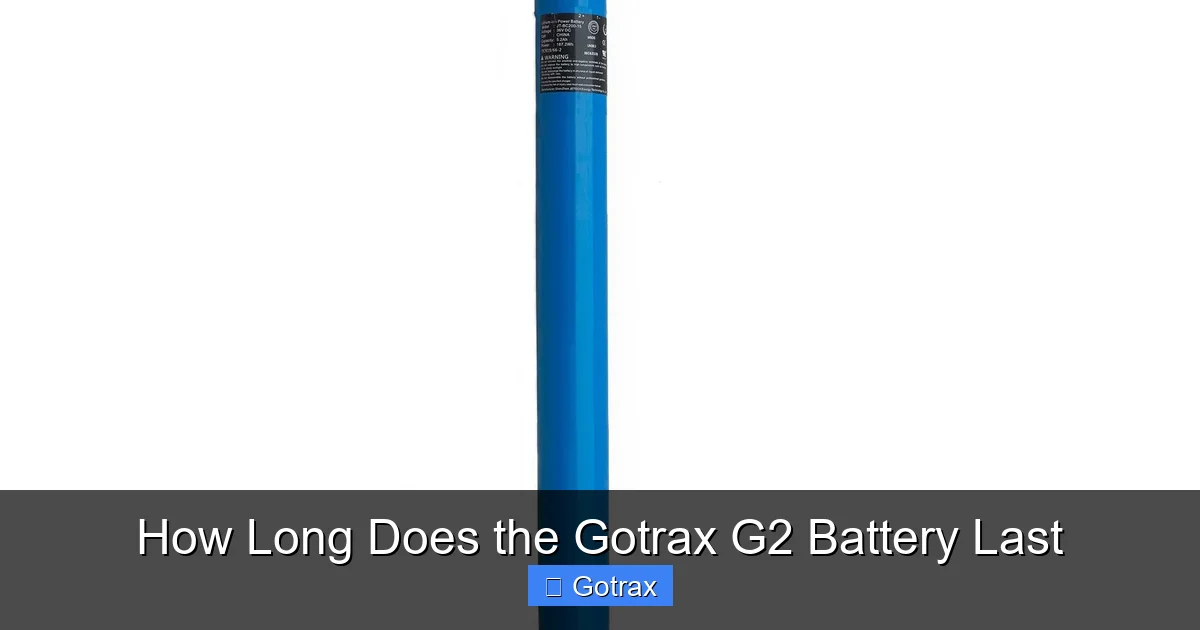
Visual guide about How Long Does the Gotrax G2 Battery Last
Image source: gotrax.com
Now for the million-dollar question: *How far can the Gotrax G2 go on a single charge?* The short answer is **12 to 19 miles**, but let’s unpack that.
Gotrax claims a maximum range of 19 miles, and under ideal conditions, that’s achievable. But “ideal” means a light rider, flat terrain, moderate speed, and mild weather. Most riders won’t hit that number consistently—and that’s totally normal.
Let’s look at some real-world scenarios:
– **Light rider (120–150 lbs), flat roads, steady pace:** 17–19 miles
This is the sweet spot. If you’re commuting on smooth sidewalks or bike lanes with minimal stops, you’ll likely get close to the advertised range.
– **Average rider (150–180 lbs), mixed terrain, some hills:** 14–16 miles
A few inclines or uneven pavement will drain the battery faster. But if you’re not pushing the scooter to its max speed, you’ll still get solid mileage.
– **Heavier rider (180–220 lbs), hilly area, frequent acceleration:** 12–14 miles
Weight and terrain have a big impact. Every hill you climb uses extra power, and heavier riders naturally consume more energy.
– **Aggressive riding (constant acceleration, high speed, frequent braking):** 10–13 miles
If you’re zipping around at top speed and braking hard, your range will drop significantly. Smooth, steady riding is key to maximizing distance.
Factors That Affect Battery Range
So what exactly determines how far your Gotrax G2 can go? Here are the main factors:
– **Rider Weight:** Heavier riders = more energy needed to move the scooter. Every extra 20–30 lbs can reduce range by 1–2 miles.
– **Terrain:** Flat roads are best. Hills, gravel, or uneven surfaces increase resistance and drain the battery faster.
– **Speed:** Riding at 15 mph uses more power than cruising at 10 mph. Frequent acceleration also cuts into range.
– **Tire Pressure:** Underinflated tires create more rolling resistance. Keep your tires at the recommended PSI (usually 40–50 PSI) for optimal efficiency.
– **Weather:** Cold temperatures reduce battery efficiency. In freezing weather, you might see a 10–20% drop in range.
– **Battery Age:** Older batteries hold less charge. After 2–3 years, you may notice a gradual decline in range.
Tips to Maximize Your Range
Want to squeeze every last mile out of your battery? Try these practical tips:
1. **Ride Smoothly:** Avoid sudden starts and stops. Accelerate gently and coast when possible.
2. **Maintain Speed:** Once you’re moving, try to keep a steady pace. Frequent speed changes waste energy.
3. **Check Tire Pressure Weekly:** Use a bike pump with a gauge to keep tires properly inflated.
4. **Avoid Extreme Speeds:** Riding at top speed cuts range. For maximum distance, stay around 10–12 mph.
5. **Plan Your Route:** Choose flat, smooth paths with minimal stops. Avoid steep hills if you’re low on charge.
6. **Reduce Weight:** Carry only what you need. Extra bags or gear add weight and reduce efficiency.
Charging the Gotrax G2 Battery: Time and Best Practices
Now that you know how far the battery can take you, let’s talk about how long it takes to recharge.
The Gotrax G2 comes with a standard 36V charger that plugs into any regular wall outlet. A full charge from empty takes **approximately 4 to 6 hours**. That’s pretty standard for scooters in this class, and it’s manageable for overnight charging.
But here’s a common mistake: many riders wait until the battery is completely dead before plugging in. That’s not ideal. Lithium-ion batteries prefer **partial discharges** and frequent top-ups. In fact, charging your scooter after every ride—even if it’s not fully drained—can actually help prolong battery life.
How to Charge Safely and Efficiently
Follow these charging best practices to keep your battery healthy:
– **Charge After Each Use:** Don’t wait for the battery to die. Plug in when you get home, even if there’s still 30% left.
– **Use the Original Charger:** Third-party chargers may not match the voltage or current, which can damage the battery.
– **Avoid Overcharging:** The Gotrax G2 has built-in protection to prevent overcharging, but it’s still best to unplug once fully charged.
– **Charge in a Cool, Dry Place:** Avoid charging in direct sunlight, near heaters, or in damp areas.
– **Don’t Charge Immediately After a Long Ride:** Let the battery cool down for 10–15 minutes before plugging in. Hot batteries charge less efficiently.
What to Do If Charging Is Slow or Inconsistent
Sometimes, you might notice that charging takes longer than usual or the battery doesn’t seem to hold a charge. Here’s what could be happening:
– **Faulty Charger:** Check the charger’s LED light. If it doesn’t turn on or flickers, the charger may be damaged.
– **Loose Connections:** Make sure the charging port on the scooter is clean and the plug fits snugly.
– **Battery Degradation:** After 2–3 years, the battery may lose capacity. If range drops significantly, it might be time for a replacement.
– **Cold Weather:** In winter, batteries charge slower. Try charging indoors at room temperature.
If you’re still having issues, contact Gotrax customer support. They offer troubleshooting guides and may replace defective batteries under warranty.
Battery Lifespan: How Long Will It Last Over Time?
So far, we’ve talked about how far the battery can take you on a single charge. But what about the long term? How many years can you expect the Gotrax G2 battery to last?
On average, the battery will last **2 to 3 years** with regular use, or about **300 to 500 full charge cycles**. A “charge cycle” means using 100% of the battery’s capacity—whether that’s one full discharge or several partial ones that add up to 100%.
For example, if you use 50% of the battery one day and recharge it, then use another 50% the next day, that counts as one full cycle. This means you could get 500 cycles even if you charge daily.
After 300–500 cycles, you’ll start to notice a decline in performance. The scooter might not go as far, charge as quickly, or hold a charge as well. This is normal battery aging—just like with a smartphone or laptop.
Signs Your Battery Is Wearing Out
Here are some red flags that your Gotrax G2 battery is nearing the end of its life:
– **Reduced Range:** You’re consistently getting 8–10 miles instead of 12–19.
– **Slow Charging:** It takes much longer than 4–6 hours to charge.
– **Sudden Power Loss:** The scooter cuts out even when the battery shows 20–30%.
– **Swelling or Heat:** If the deck feels unusually warm or you notice bulging, stop using the scooter immediately—this could indicate a dangerous battery failure.
If you notice any of these signs, it’s time to consider a replacement.
How to Extend Battery Lifespan
Want to get the most out of your battery? Follow these longevity tips:
– **Avoid Full Discharges:** Try not to let the battery drop below 20%. Frequent deep discharges stress the cells.
– **Store at 50% Charge:** If you’re not using the scooter for weeks, charge it to about 50% and store it in a cool, dry place.
– **Avoid Extreme Temperatures:** Don’t leave your scooter in a hot car or outside in freezing weather. Ideal storage temperature is 50–77°F (10–25°C).
– **Charge Regularly:** Even if you’re not riding, charge the battery every 2–3 months to prevent deep discharge.
– **Keep It Clean:** Wipe down the charging port and deck to prevent dirt and moisture buildup.
Battery Replacement: When and How to Replace
Eventually, every battery wears out. When that happens, you’ll need to replace it to keep your Gotrax G2 running.
Gotrax offers **official replacement batteries** for the G2 model. These are designed to match the original specs and are the safest option. You can purchase them directly from the Gotrax website or authorized retailers.
The replacement process isn’t too complicated, but it does require some basic tools and a bit of patience. You’ll need to:
1. Remove the deck screws.
2. Lift the deck to access the battery compartment.
3. Disconnect the battery wires (note the order or take a photo).
4. Remove the old battery and install the new one.
5. Reconnect the wires and reassemble the deck.
If you’re not comfortable doing this yourself, many local scooter repair shops can handle the swap for a small fee.
Third-Party Batteries: Should You Use Them?
You might find cheaper third-party batteries online, but proceed with caution. While some are high quality, others may not meet safety standards or could damage your scooter.
Risks of third-party batteries include:
– **Incompatible voltage or connectors**
– **Lower capacity or shorter lifespan**
– **Safety hazards like overheating or fire**
If you do go the third-party route, make sure the battery is specifically designed for the Gotrax G2 and has good customer reviews.
Cost of a Replacement Battery
A new Gotrax G2 battery typically costs between **$150 and $200**, depending on where you buy it and whether it’s on sale. While that’s not insignificant, it’s often cheaper than buying a whole new scooter—especially if your G2 is otherwise in good condition.
Some riders choose to upgrade to a higher-capacity battery (like a 10Ah or 12Ah model) for longer range, but this may require modifications and could void your warranty. Stick with the official 7.8Ah battery unless you’re experienced with electronics.
Final Thoughts: Getting the Most Out of Your Gotrax G2 Battery
So, how long does the Gotrax G2 battery last? In a nutshell: **12–19 miles per charge, and 2–3 years of regular use** with proper care. That’s more than enough for daily commutes, campus travel, or weekend adventures.
The key to maximizing both range and lifespan is understanding how your riding habits affect the battery. Light loads, smooth terrain, and gentle acceleration help you go farther. Regular charging, proper storage, and avoiding extreme conditions help the battery last longer.
Remember, the Gotrax G2 is designed to be reliable and user-friendly. With a little attention to battery care, it can serve you well for years. And if the battery ever does wear out, replacement is straightforward and affordable.
Whether you’re a first-time rider or upgrading from an older model, the Gotrax G2 offers a great balance of performance, price, and practicality. Just keep an eye on that battery, treat it right, and it’ll keep you rolling mile after mile.
Frequently Asked Questions
How long does it take to charge the Gotrax G2 battery?
It takes about 4 to 6 hours to fully charge the Gotrax G2 battery using the included charger. Charging time may vary slightly depending on the battery’s current level and environmental conditions.
Can I overcharge the Gotrax G2 battery?
No, the Gotrax G2 has built-in protection to prevent overcharging. However, it’s still best to unplug the charger once the battery is fully charged to avoid unnecessary strain.
Does riding in cold weather reduce battery range?
Yes, cold temperatures can reduce battery efficiency by 10–20%. For best performance, store and charge your scooter indoors when possible, especially in winter.
How often should I charge my Gotrax G2?
Charge your scooter after every ride, even if the battery isn’t empty. Lithium-ion batteries prefer frequent top-ups over full discharges.
Can I replace the Gotrax G2 battery myself?
Yes, the battery can be replaced at home with basic tools. Gotrax provides replacement batteries, and the process involves removing the deck and swapping the old unit.
What should I do if my Gotrax G2 battery won’t hold a charge?
First, check the charger and connections. If the issue persists, the battery may be degraded. Contact Gotrax support or consider a replacement if it’s over 2–3 years old.