
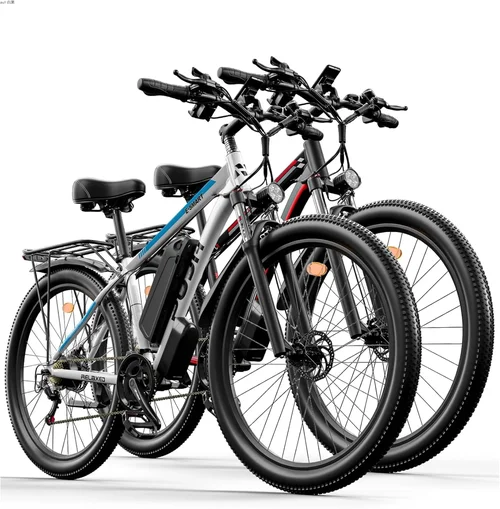
Electric bikes—or ebikes—have evolved from niche novelties into mainstream mobility solutions, and by 2026, they’re no longer just a trend. They’re a practical, eco-friendly, and increasingly affordable way to commute, explore, stay active, and even replace car trips for many urban and suburban riders. Whether you’re dodging traffic in a bustling city, cruising through scenic trails, or simply looking for a low-impact way to get around, there’s an ebike designed for your lifestyle. But with hundreds of models flooding the market—from sleek commuter rigs to rugged off-road beasts—choosing the right one can feel overwhelming.
That’s exactly why this guide exists. We’ve spent months researching, testing, and analyzing the latest ebikes launching in 2026, evaluating everything from motor performance and battery life to build quality, comfort, and real-world usability. Our goal isn’t to push a single brand or model—it’s to arm you with the knowledge you need to make a confident, informed decision. You’ll learn how to match your needs (commuting, recreation, cargo hauling, etc.) with the right features, avoid common pitfalls, understand pricing tiers, and ultimately find the best ebike for your life—not someone else’s.
The ebike market in 2026 is more dynamic than ever. Advances in battery technology, motor efficiency, and smart integration have made modern ebikes lighter, smarter, and more capable. Mid-drive motors now rival car engines in torque output, while integrated displays offer navigation, fitness tracking, and even theft alerts. At the same time, prices have become more accessible, with solid entry-level options under $1,500 and premium models pushing past $8,000. Whether you’re a first-time buyer or upgrading from an older model, this comprehensive guide will walk you through every critical factor—from budgeting and performance specs to warranty support and long-term value—so you can ride away happy, safe, and satisfied.

What to Look for When Buying an Ebike
1. Budget & Price Range
Your budget is the single most important starting point. Ebikes vary wildly in price—from under $1,000 to over $10,000—and while it’s tempting to go cheap, skimping on key components often leads to disappointment, frequent repairs, or early replacement. A good rule of thumb: treat your ebike like a car. It’s a significant investment that should last years, not months.
In 2026, you can expect:
– Entry-level models ($800–$1,500): Basic hub motors, limited range (20–30 miles), minimal features, and often heavier frames.
– Mid-range ($1,500–$3,500): Better motors (often mid-drive), improved batteries (500–750Wh), hydraulic disc brakes, and smarter electronics.
– Premium ($3,500–$6,000): High-torque motors, long-range batteries (750Wh+), premium components (Shimano, SRAM), lightweight frames, and advanced displays.
– Luxury ($6,000+): Cutting-edge tech, custom builds, ultra-light materials (carbon fiber), and concierge-level support.
Don’t forget hidden costs: helmets, locks, lights, maintenance, and potential upgrades (like a better seat or fenders). Factor these into your total budget.
2. Motor Type & Power
The motor is the heart of your ebike. In 2026, two main types dominate: hub motors and mid-drive motors.
Hub motors sit in the front or rear wheel and are common in budget and commuter bikes. They’re simple, reliable, and quiet, but less efficient on hills and uneven terrain. Most offer 250W to 750W of power—sufficient for flat city riding but struggle with steep inclines.
Mid-drive motors, mounted near the pedals, are the gold standard for performance. They leverage the bike’s gears, providing better balance, hill-climbing ability, and efficiency. Brands like Bosch, Shimano, and Brose lead here, with motors delivering 60–90Nm of torque—enough to conquer 20% grades with ease. They’re heavier and more expensive, but ideal for trail riding, long commutes, or hilly regions.
Look for motors with smooth power delivery and responsive pedal assist. Avoid “jerk-and-go” systems that surge unexpectedly. Also, check local laws: many regions cap motor power at 750W (20 mph assist limit), though off-road models may exceed this.
3. Battery Capacity & Range
Battery life determines how far you can go on a single charge. Measured in watt-hours (Wh), battery capacity directly impacts range. A 400Wh battery might give you 25–35 miles in ideal conditions; a 750Wh can deliver 50–80+ miles.
But range isn’t just about capacity—it’s also affected by:
– Terrain (hills drain batteries faster)
– Rider weight
– Assist level (Eco vs. Turbo)
– Tire pressure and rolling resistance
– Weather (cold reduces efficiency)
In 2026, most quality ebikes use lithium-ion (Li-ion) batteries, with some premium models adopting newer lithium iron phosphate (LiFePO4) for longer lifespans and better thermal stability. Look for removable batteries—they’re easier to charge indoors and replace when degraded.
Always check real-world range reviews, not just manufacturer claims. Many brands overstate range under ideal conditions. A good benchmark: divide battery capacity (Wh) by 20 to estimate realistic miles (e.g., 500Wh ≈ 25 miles).
4. Build Quality & Durability
An ebike is only as good as its frame and components. Cheap aluminum frames may crack under stress, while poorly welded joints can fail over time. Look for reinforced frames, especially on step-through or cargo models.
Key components to evaluate:
– Frame material: Aluminum is standard; carbon fiber is lighter but pricier.
– Forks: Suspension forks (front or full) improve comfort on rough roads or trails.
– Brakes: Hydraulic disc brakes are essential for safety—especially with added weight and speed.
– Drivetrain: Reliable brands like Shimano, SRAM, or Enviolo (for belt drives) ensure smooth shifting and longevity.
– Wheels & tires: Wider tires (2.0”+) offer better grip and comfort; puncture-resistant models reduce flats.
Test ride if possible. Does the bike feel stable? Are vibrations dampened? Does it handle well at speed? A well-built ebike should feel solid, not flimsy.
5. Features & Functionality
Modern ebikes come packed with features—some essential, some gimmicky. Focus on what matters for your use case.
Must-have features in 2026:
– Integrated lighting: Front and rear LED lights powered by the battery enhance safety.
– Display: A clear, backlit screen showing speed, battery, assist level, and distance. Color displays with GPS are becoming standard on mid-range and up.
– Connectivity: Bluetooth or ANT+ lets you sync with apps (Strava, Komoot) for navigation and tracking.
– Throttle: Useful for quick starts or hill launches, though not all regions allow throttle-only riding.
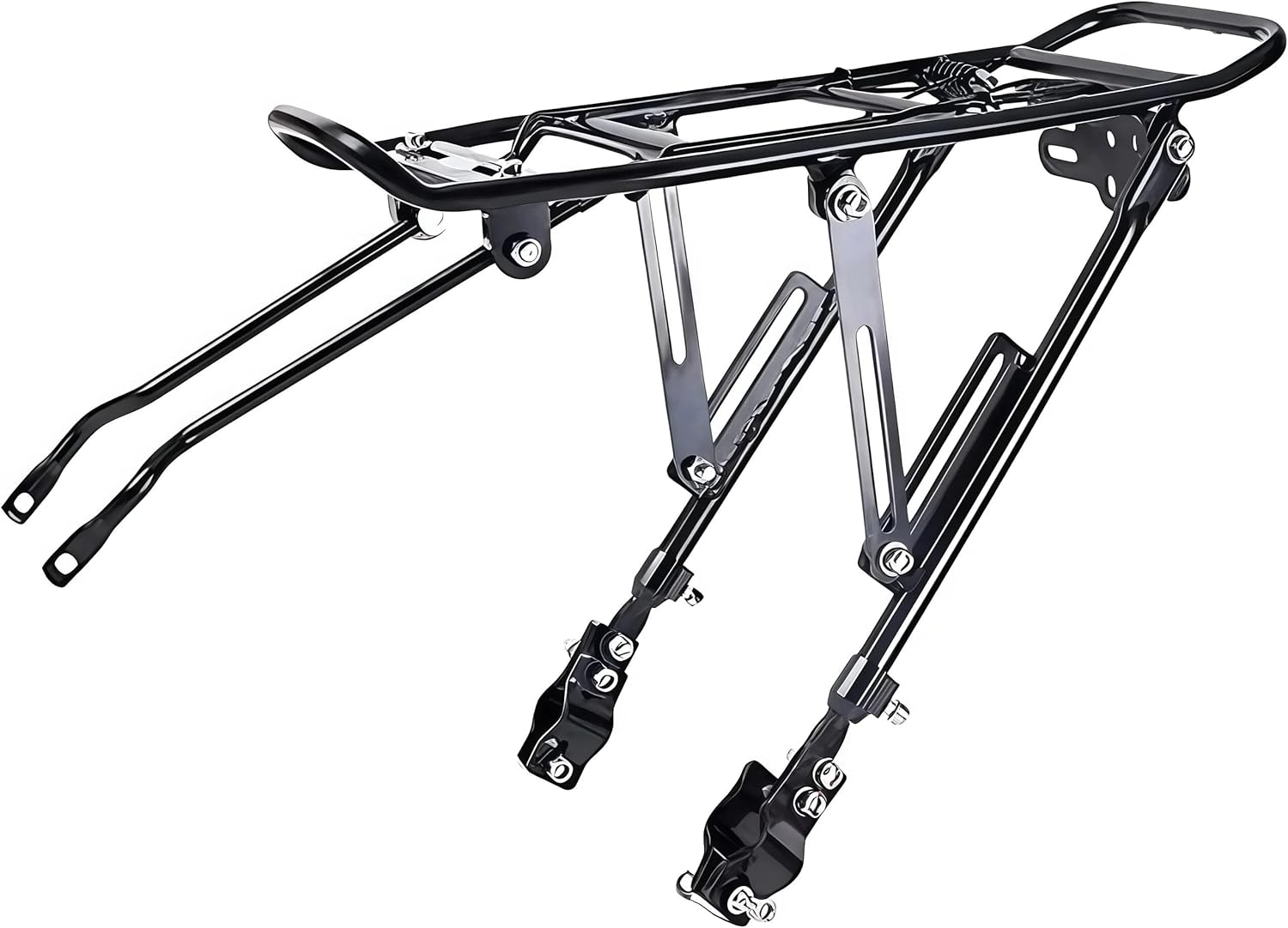
– Fenders & racks: Essential for commuting or cargo hauling.
– USB charging port: Charge your phone on the go.
Avoid bikes with overly complex electronics unless you’re tech-savvy. Glitchy firmware or unresponsive touchscreens can ruin the experience.
6. Brand Reputation & Reliability
Not all ebike brands are created equal. Established names like Trek, Specialized, Rad Power Bikes, and Gazelle have proven track records for quality and customer service. Newer direct-to-consumer brands (like Aventon, Lectric, or Heybike) offer great value but may lack long-term support.
Research brand history:
– How long have they been making ebikes?
– Do they offer consistent updates and firmware improvements?
– Are parts readily available?
– Do they have a network of service centers?
Avoid “no-name” brands sold exclusively on Amazon or eBay with vague specs and no support. A reputable brand may cost more upfront but saves money and frustration long-term.
7. Warranty & Support
A strong warranty is a sign of confidence in product quality. In 2026, expect:
– Frame: 5–10 years (lifetime on some premium brands)
– Motor & battery: 2–3 years (some offer 5 years)
– Components: 1–2 years
Check what’s covered: labor, parts, shipping? Is support local or overseas? Can you get a loaner bike during repairs?
Also, look for brands with active customer service—responsive chat, phone support, and clear repair processes. A 3-year warranty is useless if you wait weeks for a reply.
8. Size, Fit & Portability
An ill-fitting ebike is uncomfortable and unsafe. Most brands offer multiple frame sizes (S, M, L, XL). Step-through frames suit shorter riders or those with mobility issues.
Consider:
– Standover height: Can you stand over the top tube with both feet flat?
– Reach: Is the handlebar too far or too close?
– Weight: Ebikes range from 40 to 80+ pounds. Heavier models are harder to carry upstairs or load into cars.
– Folding: If you need portability (apartments, public transit), folding ebikes (like Tern or Brompton) are ideal—but often sacrifice performance and range.
Test ride different sizes. A proper fit reduces fatigue and improves control.
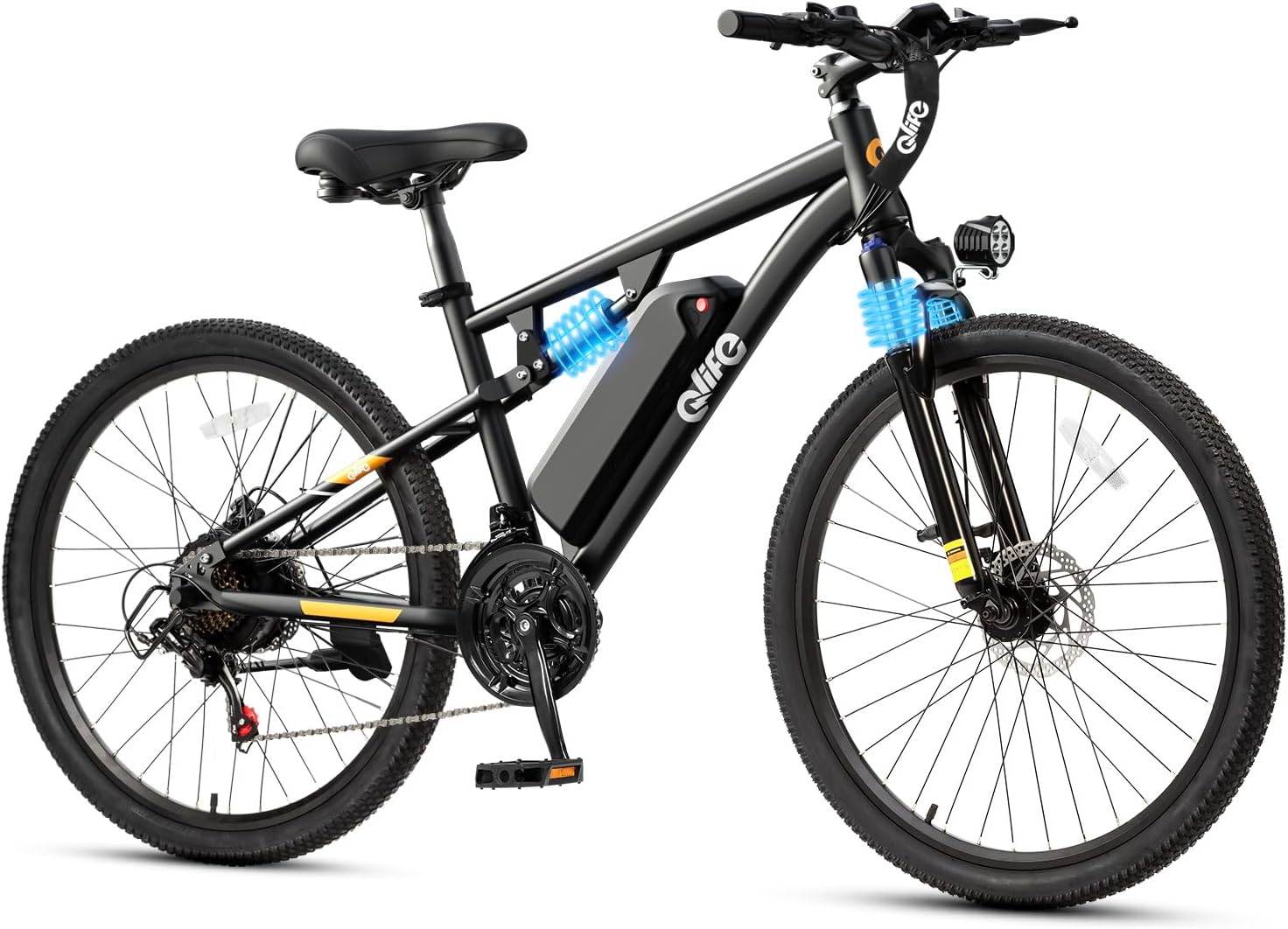
Different Types of Ebikes
Common Buying Mistakes to Avoid
❌ Mistake: Prioritizing Price Over Quality
Why it’s bad: Cheap ebikes often use low-grade motors, weak batteries, and fragile frames. They may fail within a year, costing more in repairs than a mid-range model would have.
What to do instead: Invest in a reputable brand with solid components. A $2,000 bike that lasts 5 years is better value than a $1,000 bike that dies in 18 months.
❌ Mistake: Ignoring Local Laws
Why it’s bad: Ebike regulations vary by region. Some areas restrict motor power, speed, or throttle use. Riding an illegal bike can result in fines or confiscation.
What to do instead: Check your local laws before buying. In the U.S., Class 1 (pedal-assist only, 20 mph max) and Class 2 (throttle-assisted, 20 mph) are widely allowed. Class 3 (28 mph) may require helmets or have road restrictions.
❌ Mistake: Overlooking Test Rides
Why it’s bad: Specs don’t tell the whole story. A bike might look great on paper but feel uncomfortable, unbalanced, or underpowered in real life.
What to do instead: Always test ride before buying. Visit local dealers or attend demo events. Pay attention to handling, comfort, and motor responsiveness.
❌ Mistake: Neglecting Maintenance Needs
Why it’s bad: Ebikes require regular upkeep—brake adjustments, tire checks, chain lubrication, and battery care. Ignoring maintenance shortens lifespan and risks safety.
What to do instead: Learn basic maintenance or find a reliable bike shop. Budget $100–$200/year for tune-ups.
❌ Mistake: Buying Based on Hype Alone
Why it’s bad: Flashy ads and influencer endorsements don’t guarantee quality. Some brands overpromise on range, speed, or durability.
What to do instead: Read independent reviews, watch long-term tests, and check user forums. Look for consistency across sources.
❌ Mistake: Forgetting About Theft Protection
Why it’s bad: Ebikes are prime targets for thieves. Without proper locks and tracking, you could lose your investment overnight.
What to do instead: Use a high-quality U-lock (like Kryptonite), secure both wheels and frame, and consider GPS trackers (e.g., Apple AirTag, Invoxia). Register your bike with national databases.
❌ Mistake: Not Planning for Storage
Why it’s bad: Ebikes are heavy and bulky. Storing one in a cramped apartment or outdoor space can damage the bike or create hazards.
What to do instead: Measure your space. Consider wall mounts, folding models, or indoor storage. Avoid leaving batteries in extreme temperatures.
Budget Guidelines: How Much Should You Spend?
– Entry-Level ($800–$1,500): Best for casual riders, short commutes, or occasional use. Expect basic hub motors, 300–400Wh batteries, and limited features. Brands like Lectric XP and Heybike offer solid value here. Ideal if you’re testing the waters.
– Mid-Range ($1,500–$3,500): The sweet spot for most buyers. You’ll get reliable mid-drive or high-quality hub motors, 500–750Wh batteries, hydraulic brakes, and smart displays. Models from Rad Power Bikes, Aventon, and Trek shine here. Great for daily commuting, weekend rides, and light cargo.
– Premium ($3,500–$6,000): For enthusiasts and serious riders. High-torque motors (Bosch, Shimano), long-range batteries, premium components, and advanced tech (GPS, app integration). Perfect for hilly terrain, long distances, or off-road adventures.
– Luxury ($6,000+): Top-tier performance and customization. Think carbon frames, bespoke builds, ultra-lightweight designs, and concierge service. Brands like Riese & Müller, Stromer, and Specialized Turbo dominate. Best for those who want the absolute best—no compromises.

Expert Tips for Getting the Best Deal
– Buy during off-season: Late fall and winter see fewer buyers. Many retailers offer discounts to clear inventory before spring launches.
– Watch for holiday sales: Black Friday, Memorial Day, and end-of-year sales often feature 10–25% off popular models.
– Consider refurbished or open-box: Certified pre-owned ebikes from reputable sellers can save 20–40% with full warranties.
– Shop local when possible: Local shops often price-match online deals and provide free tune-ups, assembly, and support.
– Check manufacturer rebates: Some brands offer student, military, or first-responder discounts. Others partner with employers for commuter incentives.
– Read the fine print on warranties: Some cover only parts, not labor. Others require registration within 30 days.
– Negotiate: Especially at local shops. Ask about free accessories (helmet, lock, lights) or extended warranties.
– Join loyalty programs: Brands like Rad Power Bikes offer points, early access, and exclusive deals for members.
Frequently Asked Questions
Q: How far can an ebike really go on one charge?
A: Realistic range depends on battery size, terrain, rider weight, and assist level. A 500Wh battery typically delivers 25–40 miles. Use the “Wh ÷ 20” rule for a rough estimate. Always check third-party range tests—manufacturer claims are often optimistic.
Q: Are ebikes legal everywhere?
A: Most regions allow Class 1 and 2 ebikes on bike paths and roads. Class 3 may have restrictions. Check local laws—some cities ban throttles or require helmets. Off-road use varies by trail.
Q: Do I need a license or insurance?
A: In most U.S. states and EU countries, no license or insurance is required for standard ebikes (under 750W, 20 mph). Some high-speed models may be classified as mopeds.
Q: How long do ebike batteries last?
A: Most Li-ion batteries last 500–1,000 charge cycles (2–4 years with daily use). Capacity degrades over time—expect 70–80% after 3 years. Proper care (avoid extreme temps, don’t drain to 0%) extends life.
Q: Can I ride an ebike in the rain?
A: Yes—most modern ebikes are water-resistant (IP65 or higher). Avoid submerging the battery or motor. Dry the bike after wet rides to prevent corrosion.
Q: Are ebikes good for exercise?
A: Absolutely. Even with assist, you’re still pedaling and burning calories. Use lower assist levels for more workout. Many riders report improved fitness and reduced car dependency.
Q: What’s the difference between pedal assist and throttle?
A: Pedal assist (PAS) provides power only when you pedal, with adjustable levels. Throttle lets you ride without pedaling (like a scooter). Both have uses—PAS for efficiency, throttle for convenience.
Q: Can I upgrade my ebike later?
A: Some components (tires, seat, lights) are easy to swap. Motors and batteries are harder—often require professional help. Check compatibility before upgrading.
Q: How do I secure my ebike from theft?
A: Use a heavy-duty U-lock through frame and rear wheel. Add a secondary lock for the front wheel. Consider GPS trackers and register your bike. Never leave it unattended in high-risk areas.
Q: Are ebikes worth it compared to regular bikes?
A: If you commute, live in a hilly area, have mobility concerns, or want to extend your range, yes. They make cycling accessible to more people and reduce reliance on cars. For pure fitness, a regular bike may offer more workout—but ebikes encourage more frequent riding.
Our Final Recommendations
– Best for Budget-Conscious Buyers: Lectric XP 3.0 ($999) – A folding fat-tire ebike with 45-mile range, 750W motor, and solid build. Great for city and light trail use.
– Best Overall Value: Rad Power Bikes RadCity 5 Plus ($1,999) – Reliable mid-drive motor, 615Wh battery, integrated lights, and excellent customer support. Ideal for daily commuting.
– Best Premium Option: Specialized Turbo Vado SL 5.0 ($4,500) – Lightweight, powerful, and packed with tech. Perfect for long-distance riders who want performance and comfort.
– Best for Beginners: Aventon Level.2 ($1,799) – Easy to ride, intuitive display, and great balance of price and features. Step-through option available.
– Best for Advanced Users: Trek Fuel EXe 9.9 XTR ($7,999) – Full-suspension eMTB with Bosch Performance Line CX motor. Built for serious trail riders who demand top-tier performance.
Conclusion: Making the Right Choice
Choosing the best ebike in 2026 isn’t about finding the most powerful or expensive model—it’s about finding the one that fits your life. Whether you’re commuting to work, exploring mountain trails, hauling groceries, or simply rediscovering the joy of cycling, the right ebike can transform your daily routine.
Remember: prioritize your needs over flashy specs. Invest in quality components and reputable brands. Test ride whenever possible. And don’t forget the hidden costs—accessories, maintenance, and security matter just as much as the bike itself.
The ebike revolution is here, and it’s more accessible than ever. With the insights from this guide, you’re equipped to make a smart, confident decision. So go ahead—take that test ride, compare your options, and find the ebike that will carry you forward, one pedal stroke at a time. Your perfect ride is out there. Now go find it.