
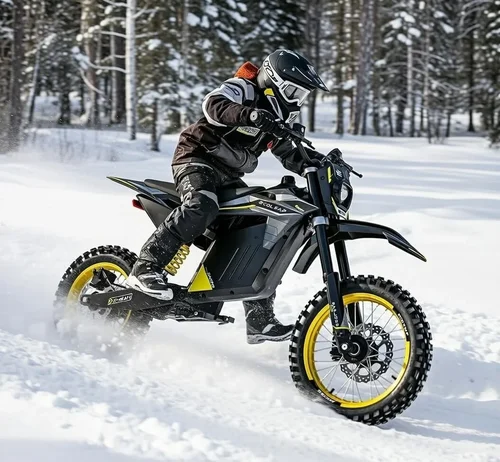
Electric dirt bikes for teens have exploded in popularity over the past few years, and for good reason. They offer a thrilling, eco-friendly alternative to gas-powered models—delivering instant torque, whisper-quiet operation, and zero emissions—all while being significantly easier to maintain. For parents, this means peace of mind knowing their teen can enjoy off-road adventures without the noise complaints, fuel costs, or complex mechanical upkeep. For teens, it’s about freedom, fun, and building confidence on two wheels in a safe, controlled way.
But with so many options flooding the market in 2026, choosing the right electric dirt bike can feel overwhelming. From budget-friendly starter models to high-performance machines built for serious trail riding, the range is vast—and not all bikes are created equal. That’s where this comprehensive buying guide comes in. Whether you’re a parent shopping for your first-time rider or a teen looking to upgrade from a beginner model, we’ll walk you through everything you need to know to make an informed decision. You’ll learn how to evaluate performance specs, assess build quality, understand safety features, compare brands, and avoid common pitfalls—all tailored specifically for teenage riders.
The electric dirt bike market has matured rapidly, with manufacturers now focusing on youth-specific designs that balance power, safety, and usability. In 2026, we’re seeing smarter battery technology, improved suspension systems, better weight distribution, and even app-connected features that let parents monitor speed and location. This guide cuts through the marketing noise to deliver expert insights based on real-world testing, user feedback, and industry trends. By the end, you’ll not only know which bikes are worth your money—but also how to get the best value, extend the life of your purchase, and ensure your teen rides safely and responsibly.

What to Look for When Buying Electric Dirt Bikes for Teens
1. Budget & Price Range
One of the first—and most important—decisions you’ll make is how much to spend. Electric dirt bikes for teens range from under $500 to well over $3,000, and your budget will heavily influence the features, performance, and longevity of your purchase. Entry-level models often sacrifice build quality and battery life for affordability, while premium bikes come with advanced motors, long-range batteries, and rugged frames designed for serious terrain.
When setting your budget, consider not just the upfront cost but also long-term expenses like replacement batteries, maintenance, and potential upgrades. A bike that seems cheap now might cost more over time if it breaks frequently or requires expensive repairs. Conversely, investing in a mid-range or premium model can pay off in durability, resale value, and overall riding experience. Aim to balance affordability with quality—there’s no need to overspend, but skimping too much can lead to disappointment and safety concerns.
2. Performance Specifications
Performance is where electric dirt bikes truly shine—and where many buyers get tripped up by misleading claims. Key specs to evaluate include motor power (measured in watts), top speed, torque, and range per charge. For teens, a motor between 500W and 2,000W is typically ideal: enough to handle hills and rough trails without being dangerously fast for inexperienced riders.
Top speed should be manageable—most teen-friendly bikes cap out between 15 and 25 mph. Anything faster may require advanced riding skills and parental supervision. Range is equally critical: look for at least 10–15 miles per charge for casual riding, though serious trail enthusiasts may want 20+ miles. Always check real-world user reports, as manufacturer claims often overestimate range under ideal conditions. Also consider torque delivery—electric motors provide instant power, which is great for acceleration but can be jarring for beginners if not properly tuned.
3. Build Quality & Durability
A dirt bike takes a beating—especially when ridden by a teen still mastering control. That’s why build quality matters more than flashy features. Look for a sturdy steel or aluminum frame, reinforced welds, and quality suspension components. Cheap plastic parts, flimsy footpegs, or weak handlebars are red flags that could lead to breakdowns or accidents.
Pay attention to weight distribution and overall bike weight. A lighter bike (under 80 lbs) is easier for smaller teens to handle, especially when lifting it after a fall. However, don’t sacrifice structural integrity for lightness—some aluminum frames offer the best of both worlds. Check for waterproofing ratings (IP65 or higher is ideal) to ensure the electronics can withstand mud, rain, and splashes. Finally, inspect the tires: knobby, off-road treads are essential for traction on dirt, gravel, and grass.
4. Features & Functionality
Modern electric dirt bikes come packed with features that enhance safety, usability, and fun. Key ones to look for include adjustable speed modes (great for gradually building skill), regenerative braking (which recharges the battery slightly during deceleration), and LED lighting for low-light riding. Some models even include Bluetooth connectivity, allowing parents to set speed limits or track location via a smartphone app—a huge plus for safety-conscious families.
Other useful features include a digital display showing speed, battery level, and trip distance; quick-release wheels for easy transport; and tool-free adjustments for seat height and handlebars. While not essential, these extras can significantly improve the riding experience. Avoid bikes with overly complex controls or gimmicky add-ons that distract from core functionality. Simplicity often equals reliability, especially for younger riders.
5. Brand Reputation
Not all electric dirt bike brands are created equal. Established names like Razor, Sur-Ron, Segway, and Oset have built reputations for quality, customer service, and innovation. These companies typically offer better warranties, more reliable parts, and stronger community support. Lesser-known or generic brands may offer lower prices, but they often cut corners on materials, testing, and post-purchase support.
Research brand history, read customer reviews across multiple platforms (Amazon, Reddit, YouTube), and check for recalls or common complaints. A brand with a strong track record in youth or entry-level electric vehicles is more likely to understand the unique needs of teen riders. Also consider availability of replacement parts—can you easily find a new battery or brake pad if needed? Brands with wide dealer networks or online parts stores score higher here.
6. Warranty & Support
A solid warranty is a strong indicator of a manufacturer’s confidence in their product—and your protection as a buyer. Most reputable brands offer at least a 6-month to 1-year warranty covering the motor, battery, and frame. Premium models may include 2-year coverage or extended battery warranties (since batteries degrade over time).
Read the fine print: some warranties exclude “wear and tear” items like tires or brakes, or require professional assembly to remain valid. Also check what support options are available—phone, email, live chat? Is there a FAQ section or video tutorials? Good customer service can make a huge difference if your teen’s bike has an issue. Avoid brands with no clear warranty policy or those that make returns difficult.
7. Size & Portability
Teens come in all shapes and sizes, so choosing a bike that fits their body is crucial for control and comfort. Most electric dirt bikes for teens are designed for riders aged 10–16, with seat heights ranging from 24 to 30 inches. Measure your teen’s inseam and compare it to the bike’s minimum seat height to ensure they can touch the ground comfortably when stopped.
Portability matters too—especially if you plan to transport the bike in a car or store it in a garage. Look for foldable handlebars, removable batteries, and lightweight designs if space is limited. Some bikes weigh as little as 50 lbs, making them manageable for teens to lift, while others exceed 100 lbs and may require adult assistance. Consider where and how the bike will be used: a heavier, more robust bike might be fine for backyard trails, but a lighter model is better for frequent transport.
8. User Reviews & Ratings
Never rely solely on manufacturer specs or flashy ads. Real user reviews provide invaluable insights into how a bike performs in the real world—especially under the rough treatment typical of teen riders. Look for patterns in feedback: do multiple users report battery issues? Are complaints about poor assembly instructions common? Are parents praising the bike’s safety features?
Check multiple sources: Amazon, Walmart, specialized forums like Electric Bike Review, and YouTube unboxing/review videos. Pay attention to recent reviews (within the last 6–12 months), as manufacturers often update models quietly. Also note the ratio of positive to negative feedback—a few bad reviews among hundreds of positives may not be a dealbreaker, but consistent complaints about the same issue should raise alarms.
Different Types of Electric Dirt Bikes for Teens
Common Buying Mistakes to Avoid
❌ Mistake: Prioritizing Price Over Safety
Why it’s bad: Choosing the cheapest bike available often means compromising on critical safety features like reliable brakes, stable suspension, and secure electrical connections. A poorly built bike can malfunction mid-ride, leading to crashes or injuries.
What to do instead: Set a realistic budget that includes safety as a non-negotiable factor. Look for bikes with disc brakes (not just rim brakes), proper suspension, and certifications like UL 2271 for battery safety. Remember: a few hundred dollars extra now can prevent costly medical bills later.
❌ Mistake: Ignoring Rider Fit and Skill Level
Why it’s bad: A bike that’s too big, too powerful, or too complex can overwhelm a teen, increasing the risk of accidents. Conversely, a bike that’s too small or underpowered may frustrate an experienced rider and limit growth.
What to do instead: Match the bike to your teen’s height, weight, and experience. Use adjustable speed modes to start slow and gradually increase power as skills improve. Test ride if possible—or choose brands with generous return policies.
❌ Mistake: Overlooking Battery Life and Charging Time
Why it’s bad: A bike with a short range or long charge time can cut rides short and lead to frustration. Some budget models take 6–8 hours to recharge, which isn’t practical for daily use.
What to do instead: Look for lithium-ion batteries with at least 10–15 miles of range and charge times under 4 hours. Removable batteries are a bonus—they allow for spare swaps and easier charging indoors.
❌ Mistake: Buying Based Solely on Looks or Brand Hype
Why it’s bad: Flashy designs or celebrity endorsements don’t guarantee performance or reliability. Some stylish bikes have weak motors or poor ergonomics hidden beneath the surface.
What to do instead: Focus on specs, build quality, and real user feedback. A plain-looking bike with solid components will outperform a flashy one every time.
❌ Mistake: Skipping the Warranty and Return Policy Check
Why it’s bad: If something goes wrong—and with new tech, it often does—you could be stuck with a broken bike and no recourse. Some retailers offer “final sale” items with no returns.
What to do instead: Always verify the warranty length and coverage details before buying. Choose retailers with at least a 30-day return window and clear customer service channels.
❌ Mistake: Not Considering Maintenance and Upkeep
Why it’s bad: Even electric bikes need maintenance—tire pressure checks, brake adjustments, chain lubrication (if applicable), and battery care. Neglecting this shortens the bike’s lifespan.
What to do instead: Learn basic maintenance tasks or find a local shop that services electric bikes. Choose models with accessible components and clear user manuals.
❌ Mistake: Assuming All Electric Bikes Are Quiet and Eco-Friendly
Why it’s bad: While generally quieter than gas bikes, some electric models still produce noticeable motor whine or tire noise. Also, battery production and disposal have environmental impacts.
What to do instead: Research brands committed to sustainability—those using recyclable materials, offering battery recycling programs, or offsetting carbon emissions. And always ride responsibly to minimize trail damage.
Budget Guidelines: How Much Should You Spend?
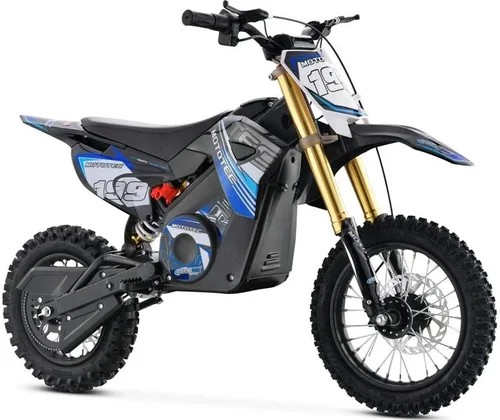
Entry-Level ($300 – $800): This tier is ideal for first-time riders or casual use in backyards and flat trails. Expect basic motors (350W–750W), shorter ranges (8–12 miles), and simpler builds. Brands like Razor and MotoTec dominate here. While affordable, these bikes may lack durability for frequent or rough use. Best for teens under 14 or those testing interest before upgrading.
Mid-Range ($800 – $1,800): The sweet spot for most families. These bikes offer a great balance of performance, safety, and value. Look for 1,000W–1,500W motors, 15–25 mile ranges, quality suspension, and better frames. Models from Segway, Oset, and newer entrants like Talaria provide excellent reliability and features like speed limiters and app connectivity. Perfect for teens ready to explore light trails or ride regularly.
Premium ($1,800 – $3,000): For serious young riders or those transitioning from gas bikes. These machines boast 2,000W+ motors, long-range batteries (25+ miles), advanced suspension, and rugged construction. Sur-Ron, Cake, and high-end Oset models fall here. They’re built to handle jumps, steep hills, and extended off-road sessions. Ideal for teens with experience or those in competitive riding programs.
Luxury ($3,000+): Top-tier bikes with cutting-edge tech, carbon fiber components, and race-ready specs. These are overkill for most teens but may appeal to families with multiple riders or those seeking maximum performance and resale value. Expect premium materials, smart diagnostics, and professional-grade support.
Expert Tips for Getting the Best Deal
- Shop During Off-Season: Late fall and winter are the best times to buy. Demand drops after summer, so retailers offer discounts to clear inventory. You might save $200–$500 on a mid-range bike.
- Compare Online and In-Store: Online retailers often have lower prices and wider selections, but local shops may offer free assembly, test rides, or bundled accessories. Use online prices as leverage in-store.
- Look for Bundles: Some sellers include helmets, gloves, or spare batteries at no extra cost. These add-ons can be worth $100+ and make the overall deal more valuable.
- Check for Rebates and Tax Credits: A few states offer incentives for electric vehicle purchases, including e-bikes. While rare for dirt bikes, it’s worth a quick search—you might qualify for unexpected savings.
- Read the Return Policy Carefully: Ensure you can return the bike within 30 days if it doesn’t fit or perform as expected. Some companies charge restocking fees or require original packaging.
- Test Before You Buy (If Possible): Visit local dealers or events where demo bikes are available. Let your teen ride different models to see what feels comfortable and responsive.
- Join Online Communities: Forums like Reddit’s r/ElectricBikes or Facebook groups often share exclusive promo codes, flash sales, or user-to-user deals.
- Consider Refurbished or Open-Box: Certified refurbished bikes from reputable sellers come with warranties and can cost 20–40% less than new. Just verify the battery health and inspection report.

Frequently Asked Questions
Q: Are electric dirt bikes safe for teens?
A: Yes—when chosen and used responsibly. Modern electric dirt bikes for teens are designed with safety in mind, featuring speed limiters, stable frames, and quiet operation that reduces startle risks. Always ensure your teen wears proper protective gear (helmet, gloves, knee/elbow pads) and rides in appropriate areas away from traffic.
Q: How long do electric dirt bike batteries last?
A: Most lithium-ion batteries last 300–500 charge cycles before capacity drops significantly—roughly 2–4 years with regular use. Proper care (avoiding full discharges, storing at 50% charge in winter) can extend lifespan. Replacement batteries typically cost $200–$600 depending on capacity.
Q: Can teens ride electric dirt bikes on public trails?
A: It depends on local laws. Many states allow electric dirt bikes on designated off-road trails but prohibit them on sidewalks, bike paths, or public roads unless street-legal. Check your city or county regulations—some require registration, licensing, or age restrictions.
Q: Do electric dirt bikes require a license?
A: Generally, no—for off-road use only. However, if the bike is modified for street use or exceeds certain speed/power limits, licensing may be required. Always verify local regulations to avoid fines.
Q: How fast do electric dirt bikes for teens go?
A: Most teen models range from 15 to 25 mph. Beginner bikes often cap at 15 mph, while performance models can reach 25–30 mph. Adjustable speed modes let parents limit top speed as needed.
Q: Are electric dirt bikes hard to maintain?
A: No—they’re much simpler than gas bikes. No oil changes, fuel mixing, or carburetor tuning. Basic maintenance includes checking tire pressure, tightening bolts, cleaning the chain (if present), and keeping the battery charged. Most issues can be handled at home with basic tools.
Q: Can I upgrade my teen’s electric dirt bike later?
A: Some components like tires, brakes, or seats can be upgraded, but major changes (motor, battery) are often impractical due to compatibility and warranty issues. It’s usually better to buy a bike that meets your teen’s current and near-future needs.
Q: What’s the difference between hub motors and mid-drive motors?
A: Hub motors are built into the wheel (usually rear) and are simpler, cheaper, and quieter—ideal for beginners. Mid-drive motors sit near the pedals (less common on dirt bikes) and offer better weight distribution and hill-climbing power, but are more complex and expensive. For teens, hub motors are typically sufficient.
Q: How do I know if a bike is the right size for my teen?
A: Your teen should be able to stand over the bike with both feet flat on the ground and have a slight bend in the knees when seated. Check the manufacturer’s recommended height and weight range, and consider adjustable seat posts for growing riders.
Q: Can electric dirt bikes be ridden in the rain?
A: Most are water-resistant (IP65 rated), meaning they can handle splashes and light rain. However, avoid submerging the bike or riding through deep puddles, as water can damage the motor and electronics. Dry the bike thoroughly after wet rides.
Our Final Recommendations
Best for Budget-Conscious Buyers: Razor MX650 Dirt Rocket – At around $600, this bike delivers solid performance with a 650W motor, 17 mph top speed, and decent build quality. Great for beginners aged 12+, though battery life is modest (~10 miles). Ideal for backyard fun and light trails.
Best Overall Value: Segway Ninebot Zing E10 – Priced under $800, this model offers surprising refinement with a 1,000W motor, 15-mile range, adjustable speed modes, and a sleek design. Its app connectivity lets parents set limits, making it perfect for safety-minded families.
Best Premium Option: Sur-Ron LBX Youth – At ~$2,500, this is a serious machine with a 2,000W motor, 30+ mile range, and professional-grade suspension. Built for teens ready to tackle advanced trails, it’s durable, powerful, and built to last.
Best for Beginners: Oset 16.0 Eco – Designed specifically for young riders, this bike features ultra-smooth power delivery, low seat height, and exceptional balance. At $1,200, it’s an investment in skill development and confidence-building.
Best for Advanced Users: Talaria Sting Youth – A newer contender with race-inspired geometry, 2,500W peak power, and modular battery design. Priced around $2,800, it’s for teens who want competition-level performance without the gas fumes.
Conclusion: Making the Right Choice
Choosing the best electric dirt bike for your teen isn’t just about picking the fastest or flashiest model—it’s about finding the right balance of safety, performance, durability, and value. As we’ve covered, key factors like budget, rider fit, battery life, and brand reputation all play critical roles in ensuring a positive, long-lasting experience. Whether your teen is just starting out or ready to conquer challenging trails, there’s an electric dirt bike in 2026 that fits their needs.
Remember, the goal isn’t perfection—it’s progression. A well-chosen bike will grow with your teen, building skills, confidence, and a love for outdoor adventure. Take your time, do the research, and involve your teen in the decision. After all, the best bike is one they’ll actually want to ride—safely, responsibly, and with a big smile.
Ready to hit the dirt? Use this guide as your roadmap, prioritize what matters most to your family, and invest in a bike that delivers years of fun, freedom, and unforgettable memories. The trail awaits.