

The moped market has evolved dramatically over the past decade, transforming from a niche mode of transportation into a mainstream, eco-conscious mobility solution for adults. Whether you’re navigating congested city streets, seeking an affordable alternative to car ownership, or simply looking for a fun and efficient way to commute, modern mopeds offer a compelling blend of practicality, performance, and sustainability. With advancements in electric motor technology, battery efficiency, and smart features, today’s adult mopeds are more capable and accessible than ever before. This comprehensive buying guide is designed to cut through the noise and help you make an informed decision based on your lifestyle, budget, and performance needs.
In this guide, you’ll learn everything you need to know to choose the best moped for adults in 2026. We’ll break down the most important factors to consider—from motor power and battery life to build quality and safety features—so you can confidently compare models and avoid common pitfalls. You’ll also find detailed comparisons of different moped types, expert tips for getting the best deal, and real-world insights based on user experiences and professional testing. Whether you’re a first-time buyer or upgrading from an older model, this guide will equip you with the knowledge to invest wisely in a moped that fits your daily routine and long-term goals.
The market today offers a diverse range of options, from lightweight electric scooters with moped-like features to full-sized gas-powered models capable of highway speeds. Brands like Gotrax, Segway, Vespa, NIU, and Super Soco have expanded their offerings to cater to adult riders seeking reliability, comfort, and style. As cities continue to adopt low-emission zones and promote micromobility, the demand for efficient, zero-emission vehicles has surged. This guide will help you navigate this growing landscape and identify the moped that delivers the best balance of performance, value, and usability for your specific needs.

What to Look for When Buying a Moped
1. Budget & Price Range
Your budget is the foundation of your moped purchase. Mopeds for adults range from under $500 for basic electric models to over $5,000 for premium gas-powered or high-performance electric scooters. Setting a realistic budget helps narrow your options and prevents overspending on features you don’t need. Consider not only the upfront cost but also long-term expenses like maintenance, insurance, charging, and potential repairs.
For most adult commuters, a mid-range electric moped priced between $1,200 and $2,500 offers the best balance of performance, durability, and features. These models typically include reliable batteries, decent range (30–60 miles), and essential safety components like LED lighting and disc brakes. Entry-level models under $800 may save money initially but often sacrifice build quality, range, and longevity. On the other hand, premium models above $3,000 often include advanced tech like GPS tracking, smartphone integration, and superior suspension—ideal for enthusiasts or those who ride daily in varied conditions.
2. Performance Specifications
Performance is where mopeds truly differentiate themselves. Key specs to evaluate include motor power (measured in watts), top speed, acceleration, and hill-climbing ability. For adult riders, a motor between 500W and 1,500W is ideal for city commuting, providing enough power to handle stop-and-go traffic and moderate inclines. Electric mopeds with 750W to 1,000W motors are especially popular for their balance of speed and efficiency.
Top speed is another critical factor. Most adult mopeds cap out between 20 mph and 30 mph, which is sufficient for urban and suburban travel. However, if you plan to ride on highways or faster roads, look for models capable of 35+ mph—though be aware that higher speeds may require registration or licensing in some regions. Acceleration matters too; a moped that takes too long to reach cruising speed can be frustrating in traffic.
Range is equally important. Electric mopeds typically offer 20 to 80 miles per charge, depending on battery capacity (measured in watt-hours or Ah), terrain, rider weight, and riding style. A 48V 15Ah battery, for example, can deliver around 40–50 miles under normal conditions. Always check real-world range reviews, as manufacturer claims are often optimistic.
3. Build Quality & Durability
A moped is a long-term investment, so build quality should never be overlooked. Look for sturdy frames made from aluminum alloy or reinforced steel, which offer strength without excessive weight. Check the quality of welds, joints, and fasteners—poor construction can lead to rattling, loosening parts, or even structural failure over time.
Suspension systems also play a major role in durability and comfort. Front suspension (or dual suspension on higher-end models) absorbs shocks from potholes and uneven pavement, reducing wear on components and improving ride quality. Tires matter too: pneumatic (air-filled) tires provide better grip and cushioning than solid rubber, though they’re more prone to punctures.
Water resistance is another durability factor. While no moped is fully waterproof, models with IP54 or higher ratings can withstand light rain and splashes. Avoid riding in heavy downpours unless the manufacturer explicitly states the model is weather-resistant.
4. Features & Functionality
Modern mopeds come packed with features that enhance convenience, safety, and usability. Essential features for adult riders include:
– LED Lighting: Bright headlights, taillights, and brake lights improve visibility and safety, especially during early morning or evening rides.
– Digital Display: A clear LCD or LED screen shows speed, battery level, trip distance, and sometimes GPS or Bluetooth connectivity.
– Regenerative Braking: Found on many electric models, this feature recaptures energy during braking to extend battery life.
– Smart Connectivity: Some mopeds sync with smartphone apps for ride tracking, anti-theft alerts, firmware updates, and remote locking.
– Cargo Capacity: Rear racks, front baskets, or under-seat storage are useful for carrying groceries, backpacks, or work gear.
– Adjustable Seat & Handlebars: Ensures a comfortable fit for riders of different heights.
Advanced features like cruise control, USB charging ports, and keyless ignition add convenience but may increase cost. Evaluate which features align with your daily use. For example, if you commute long distances, cruise control can reduce fatigue. If you’re often out after dark, high-lumen headlights are a must.
5. Brand Reputation
Choosing a reputable brand can save you headaches down the road. Established manufacturers like Gotrax, Segway-Ninebot, NIU, and Vespa have proven track records for reliability, customer service, and parts availability. These brands often invest more in R&D, quality control, and post-purchase support.
Research customer reviews, professional ratings, and industry awards. Look for brands that offer transparent warranties, responsive customer service, and accessible repair networks. Avoid unknown or no-name brands that may disappear after a few years, leaving you without support or replacement parts.
That said, newer brands can offer innovative designs and competitive pricing. Just be sure to verify their reputation through third-party reviews and user forums. A brand with a strong social media presence and active community support is often a good sign.
6. Warranty & Support
A solid warranty is a strong indicator of a manufacturer’s confidence in their product. Most reputable moped brands offer warranties ranging from 6 months to 2 years, covering the motor, battery, and frame. Some premium models include extended warranties or service plans.
Pay close attention to what’s covered and what’s not. For example, batteries often have separate warranties (e.g., 12 months) due to their limited lifespan. Labor costs for repairs may not be included, so check if the brand offers free in-home service or requires you to ship the unit.
Customer support is just as important. Can you reach a real person quickly? Is there a local service center? Brands with strong support networks make it easier to resolve issues without long delays. Online resources like FAQs, video tutorials, and user manuals also enhance the ownership experience.
7. Size & Portability
While most adult mopeds are designed for stability and comfort, size and weight still matter—especially if you need to store or transport your moped. Full-sized models can weigh 80–120 pounds, making them difficult to lift or carry upstairs. If you live in an apartment or frequently take your moped on public transit, consider a lighter, foldable model.
Foldable electric mopeds, like those from Gotrax or Segway, offer a compromise between performance and portability. They can be collapsed for storage in a closet, car trunk, or under a desk. However, folding mechanisms may reduce structural rigidity, so ensure the model is rated for adult weight and regular use.
Seat height and wheelbase also affect ride comfort and maneuverability. Taller riders should look for models with adjustable or higher seats, while shorter riders may prefer a lower center of gravity for easier mounting and dismounting.
8. User Reviews & Ratings
Never rely solely on manufacturer specs or marketing claims. Real-world user reviews provide invaluable insights into a moped’s performance, reliability, and quirks. Look for patterns in feedback—if multiple users report the same issue (e.g., battery degradation after 6 months), it’s likely a genuine concern.
Check multiple sources: Amazon, Reddit, YouTube reviews, and dedicated micromobility forums. Pay attention to long-term reviews (6+ months of use) to assess durability. Also, consider the reviewer’s use case—someone commuting 10 miles daily may have different priorities than a weekend rider.
Different Types of Mopeds
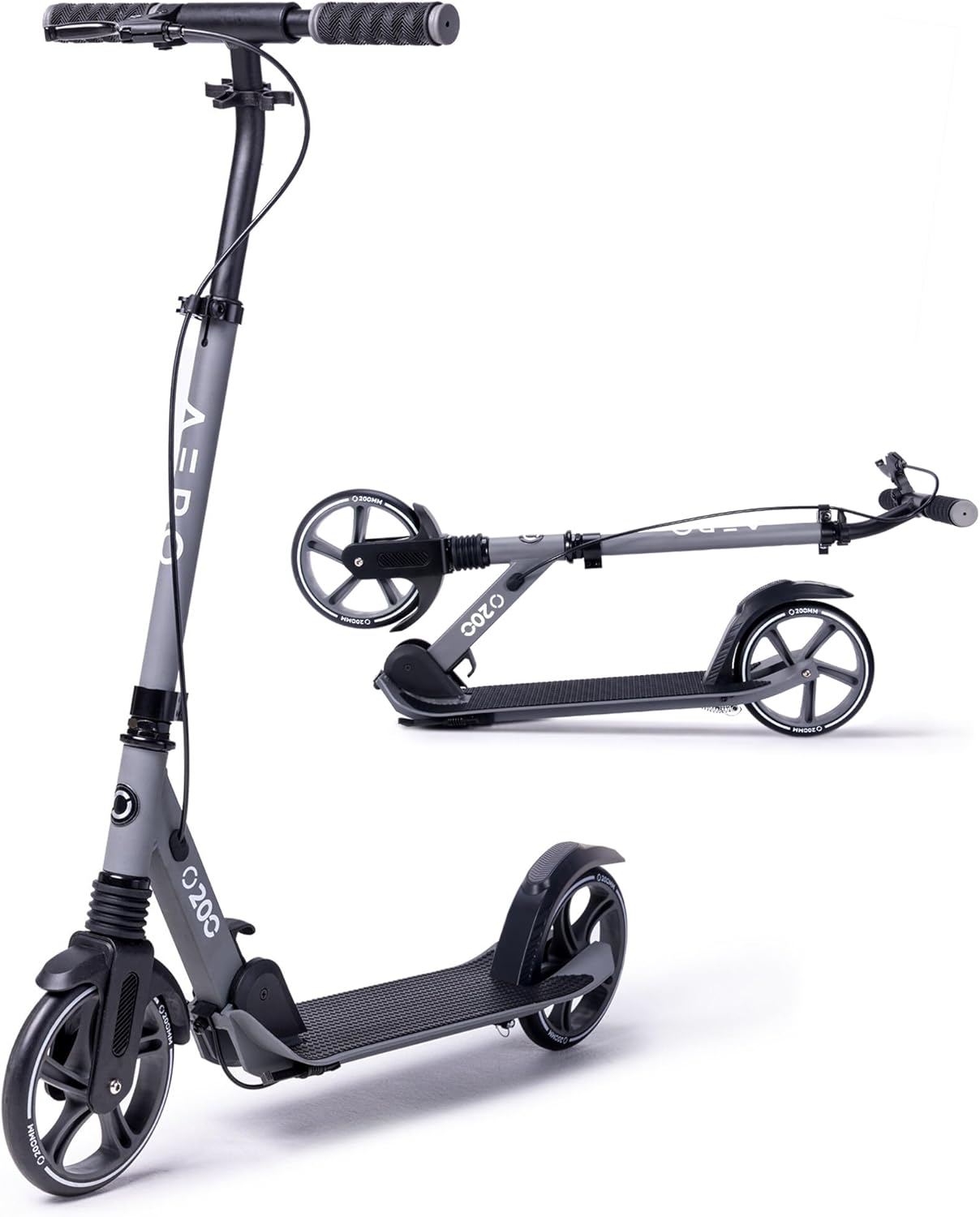
Common Buying Mistakes to Avoid

❌ Mistake: Ignoring Local Laws and Regulations
Why it’s bad: Moped laws vary widely by state, city, and country. Some regions require registration, licensing, helmets, or restrict where mopeds can be ridden. Riding illegally can result in fines, impoundment, or accidents due to lack of proper training.
What to do instead: Research your local Department of Motor Vehicles (DMV) or transportation authority guidelines before purchasing. Ensure your chosen moped complies with speed, power, and equipment requirements.
❌ Mistake: Choosing Based Solely on Price
Why it’s bad: The cheapest moped often comes with hidden costs—poor battery life, fragile parts, or no warranty. You may end up replacing it within a year, costing more in the long run.
What to do instead: Focus on value, not just price. Compare features, build quality, and total cost of ownership. A slightly more expensive model with a better warranty and longer lifespan is often the smarter choice.
❌ Mistake: Overlooking Battery Life and Charging Time
Why it’s bad: A moped with a 20-mile range may seem sufficient, but real-world conditions (hills, wind, cold weather) can reduce it by 30–50%. Frequent charging or unexpected dead batteries disrupt your routine.
What to do instead: Choose a model with at least 20–30% more range than your daily needs. Check charging time—most take 4–8 hours. Consider models with fast-charging or removable batteries for convenience.
❌ Mistake: Skipping the Test Ride
Why it’s bad: Photos and specs don’t reveal how a moped feels to ride. Comfort, balance, and handling are critical for daily use. A poorly fitting moped can cause fatigue or accidents.
What to do instead: Always test ride before buying, especially for in-store purchases. If buying online, look for retailers with generous return policies (30 days or more).
❌ Mistake: Neglecting Safety Features
Why it’s bad: Mopeds are more vulnerable in traffic than cars. Without proper lighting, brakes, or reflectors, you’re at higher risk of accidents, especially at night or in bad weather.
What to do instead: Prioritize models with dual disc brakes, ABS (on premium models), bright LED lights, and reflective elements. Always wear a helmet and consider additional safety gear like gloves and reflective clothing.
❌ Mistake: Buying Without Considering Maintenance
Why it’s bad: Some mopeds require specialized tools or service centers, making repairs costly and time-consuming. Others have proprietary parts that are hard to replace.
What to do instead: Choose brands with wide service networks and available spare parts. Check if common components (tires, brakes, batteries) are standard or custom. Electric mopeds generally require less maintenance than gas models.
❌ Mistake: Ignoring Weather and Terrain
Why it’s bad: A moped designed for flat city streets may struggle in hilly areas or rainy climates. Poor traction or water damage can lead to breakdowns or safety hazards.
What to do instead: Match your moped to your environment. For hills, choose a model with high torque and suspension. For wet climates, prioritize water resistance and quality tires.
Budget Guidelines: How Much Should You Spend?
– Entry-Level ($500 – $1,000): Ideal for occasional use or short commutes. These are typically lightweight electric scooters with moped-like features. Expect basic motors (350W–500W), limited range (15–25 miles), and minimal features. Best for students or budget-conscious riders who don’t need daily reliability.
– Mid-Range ($1,000 – $2,500): The sweet spot for most adult commuters. These models offer 500W–1,000W motors, 30–60 mile range, better build quality, and essential features like LED lights, digital displays, and disc brakes. Brands like Gotrax, Segway, and NIU dominate this category with reliable, well-reviewed options.
– Premium ($2,500 – $5,000): For enthusiasts and daily riders who demand performance and comfort. These include high-end electric mopeds and gas-powered models with advanced suspension, smart connectivity, fast charging, and superior range (60+ miles). Expect premium materials, better warranties, and dealer support.
– Luxury ($5,000+): Top-tier models from brands like Vespa, BMW, or Zero Motorcycles. These offer cutting-edge technology, luxury finishes, long-range batteries, and high-speed capabilities. Often include features like GPS tracking, app integration, and custom styling. Best for collectors, long-distance riders, or those who view their moped as a lifestyle investment.

Expert Tips for Getting the Best Deal
– Buy During Off-Season: Prices often drop in late fall and winter when demand is lower. Retailers may offer discounts to clear inventory before new models arrive in spring.
– Shop Online and In-Store: Compare prices across platforms like Amazon, Best Buy, manufacturer websites, and local dealers. Online retailers often have lower overhead and better deals, but in-store purchases allow test rides and immediate pickup.
– Look for Bundles and Promotions: Some brands offer free accessories (helmets, locks, phone mounts) with purchase. Seasonal sales like Black Friday or Earth Day can yield significant savings.
– Check Manufacturer Rebates and Incentives: Some states and cities offer rebates for electric vehicle purchases. Check programs like California’s Clean Vehicle Rebate Project (CVRP) or local utility incentives.
– Read the Fine Print on Warranties: Ensure the warranty covers both parts and labor, and understand the process for claims. Some brands require registration within 30 days to activate coverage.
– Consider Refurbished or Open-Box Models: Certified pre-owned mopeds from reputable sellers can save 20–40% off retail. These are typically inspected, tested, and come with a limited warranty.
– Test Before You Buy: If possible, rent or borrow a similar model for a day. This helps you assess comfort, handling, and real-world performance.
– Join Online Communities: Forums like Reddit’s r/electricvehicles or Facebook groups often share exclusive deals, discount codes, and user experiences.

Frequently Asked Questions
Q: Do I need a license to ride a moped?
A: It depends on your location and the moped’s specifications. In most U.S. states, electric mopeds under 20 mph may not require a license, but gas-powered models or those exceeding 30 mph often do. Always check your local DMV regulations.
Q: How long do moped batteries last?
A: Most lithium-ion batteries last 500–1,000 charge cycles, equating to 2–4 years of daily use. Proper care—avoiding full discharges and extreme temperatures—can extend lifespan.
Q: Can I ride a moped in the rain?
A: Yes, but with caution. Models with IP54 or higher ratings can handle light rain. Avoid deep puddles and heavy downpours. Dry the moped thoroughly after riding to prevent corrosion.
Q: Are electric mopeds worth the investment?
A: Absolutely, especially for daily commuters. They cost pennies per mile to operate, require minimal maintenance, and reduce your carbon footprint. Over time, savings on gas, parking, and public transit can offset the initial cost.
Q: How fast can adult mopeds go?
A: Most electric mopeds reach 20–30 mph, while high-performance models can hit 40–50 mph. Gas-powered mopeds may exceed 60 mph. Speed depends on motor power, weight, and terrain.
Q: Can I carry a passenger on a moped?
A: Only if the model is designed for it. Most adult mopeds are single-rider only. Check the manufacturer’s specifications and local laws—carrying passengers on unauthorized models can be illegal and unsafe.
Q: How do I maintain my moped?
A: Regular maintenance includes checking tire pressure, cleaning the chain (on gas models), inspecting brakes, and keeping the battery charged. Electric mopeds need less upkeep but should be serviced annually.
Q: What’s the difference between a moped and an electric scooter?
A: Mopeds typically have larger wheels, full suspension, a seat, and higher speed/range. Electric scooters are usually stand-up, lighter, and less powerful. Some models blur the line, offering moped-like features in a scooter format.
Q: Can I upgrade my moped’s battery?
A: Some models allow battery upgrades, but it’s not always straightforward. Check compatibility and warranty terms. Unauthorized modifications may void coverage.
Q: Where can I charge my electric moped?
A: Most can be charged at home using a standard outlet. Some workplaces and public stations offer EV charging. Portable chargers are also available for on-the-go top-ups.
Our Final Recommendations
– Best for Budget-Conscious Buyers: Gotrax Elite Electric Moped – Priced around $1,200, it offers 40-mile range, 20 mph top speed, and solid build quality. Great for city commuting with essential features like LED lights and a digital display.
– Best Overall Value: Segway Ninebot Max G30LP – A versatile electric scooter with moped-like performance. Features a 40-mile range, 19 mph speed, IPX5 water resistance, and excellent reliability. Priced under $1,000, it’s a top pick for daily use.
– Best Premium Option: NIU NQi GT – A stylish electric moped with 60+ mile range, 30 mph speed, app connectivity, and premium suspension. Ideal for urban riders who want performance and design.
– Best for Beginners: Super Soco CPX – Easy to ride, with a low seat height, smooth acceleration, and 50-mile range. Perfect for new riders transitioning from bicycles or scooters.
– Best for Advanced Users: Zero SR/F – A high-performance electric motorcycle with 161-mile range, 100+ mph top speed, and advanced tech. For riders seeking speed, range, and cutting-edge innovation.
Conclusion: Making the Right Choice
Choosing the best moped for adults in 2026 is about more than just speed or style—it’s about finding a reliable, efficient, and enjoyable mode of transportation that fits your lifestyle. By considering factors like budget, performance, build quality, and local regulations, you can narrow down your options and avoid common pitfalls. Whether you’re commuting to work, running errands, or exploring the city, the right moped can transform your daily routine.
Remember, the best moped is the one that meets your specific needs. Don’t rush the decision—take time to research, test ride, and compare. Use the insights from this guide to evaluate your priorities and make a confident, informed purchase. With the right moped, you’ll enjoy freedom, savings, and sustainability for years to come.
Ready to ride? Start your search today, and join the growing community of adult riders embracing the future of personal mobility.