

Electric bikes have revolutionized personal transportation, offering a sustainable, efficient, and enjoyable way to commute, explore, or simply get around town. Whether you’re looking to reduce your carbon footprint, avoid traffic congestion, or add some excitement to your daily routine, an e-bike can be a game-changer. But with so many models flooding the market—especially under the $2,000 mark—it’s easy to feel overwhelmed by choices. That’s exactly why this comprehensive buying guide exists: to cut through the noise and help you make a smart, informed decision.
In this guide, we’ll walk you through everything you need to know before purchasing an e-bike under $2,000. You’ll learn how to evaluate key features like motor power, battery life, build quality, and ride comfort. We’ll compare different types of e-bikes, highlight common pitfalls to avoid, and share expert tips for getting the best value. Whether you’re a first-time buyer or upgrading from a basic model, this guide is designed to equip you with the knowledge to choose the perfect e-bike that fits your lifestyle, budget, and riding goals.
The e-bike market has exploded in recent years, with manufacturers pushing innovation while keeping prices competitive. Under $2,000, you can now find surprisingly capable models that offer solid performance, reliable components, and thoughtful design. However, not all e-bikes in this price range are created equal. Some prioritize speed and range, while others focus on portability or off-road capability. By understanding what matters most—and what’s just marketing fluff—you’ll be able to separate the gems from the gimmicks and invest in a bike that truly delivers.
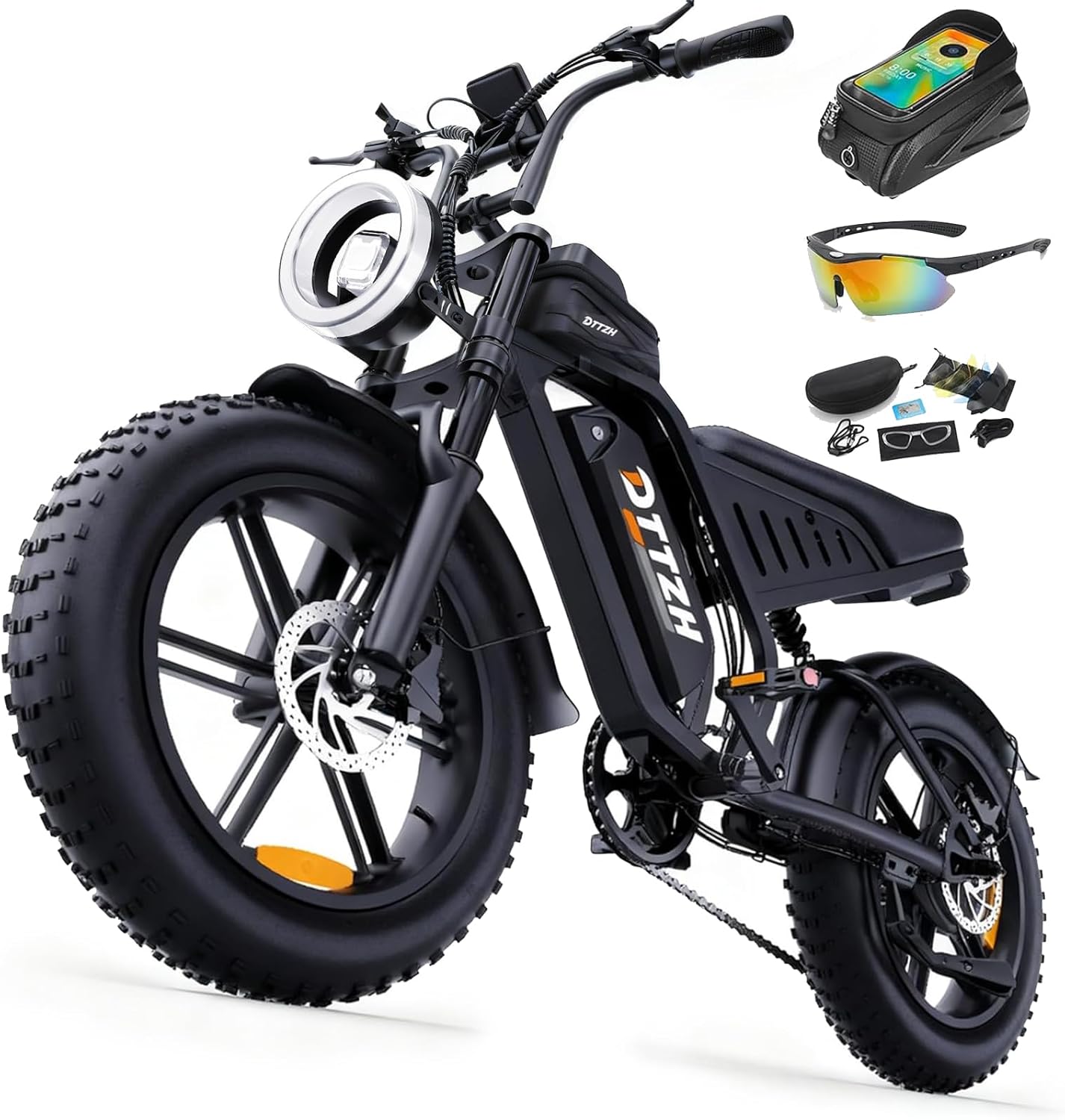
What to Look for When Buying an E-Bike
1. Budget & Price Range
Setting a clear budget is the first and most important step in your e-bike journey. While our focus is on models under $2,000, it’s crucial to understand what you’re getting—and not getting—at this price point. Most e-bikes in this range use mid-drive or hub motors, lithium-ion batteries, and aluminum frames. You won’t find top-tier components like carbon fiber frames or premium drivetrains, but you can still get excellent value.
When budgeting, also consider hidden costs: helmets, locks, lights, maintenance, and potential upgrades. Some brands include accessories in the box, while others sell them separately. Always check what’s included. Additionally, factor in shipping fees if buying online, and remember that cheaper isn’t always better—investing a little more upfront can save you money on repairs down the line.
2. Motor Type & Power
The motor is the heart of your e-bike. Under $2,000, you’ll typically encounter two types: hub motors (located in the wheel) and mid-drive motors (mounted near the pedals). Hub motors are more common in this price range because they’re simpler and cheaper to produce. They provide direct power to the wheel and are great for flat terrain and casual riding. Mid-drive motors, while rarer under $2,000, offer better weight distribution and efficiency, especially on hills.
Motor power is measured in watts (W). Most e-bikes in this category range from 250W to 750W. In the U.S., 750W is the legal limit for Class 3 e-bikes (which can reach speeds up to 28 mph). A 500W motor is usually sufficient for city commuting and light hills, while a 750W motor gives you extra oomph for steeper inclines or heavier loads. Look for continuous power ratings rather than peak power, which can be misleading.
3. Battery Capacity & Range
Battery performance directly impacts how far you can ride on a single charge. Battery capacity is measured in watt-hours (Wh), calculated by multiplying voltage (V) by amp-hours (Ah). For example, a 36V 10.4Ah battery equals 374.4Wh. Higher Wh means longer range, but real-world results depend on terrain, rider weight, assist level, and weather.
Under $2,000, expect batteries ranging from 300Wh to 600Wh. A 400Wh battery typically offers 25–40 miles of range in eco mode, while a 600Wh battery can push 50+ miles. Removable batteries are a major plus—they allow you to charge indoors and swap in a spare for extended trips. Always check if the battery is UL-certified for safety, and avoid no-name brands with questionable cell quality.
4. Frame Material & Build Quality
The frame determines the bike’s durability, weight, and ride feel. Most e-bikes under $2,000 use aluminum alloys, which offer a great balance of strength, lightness, and corrosion resistance. Steel frames are heavier but more durable and absorb vibrations better—ideal for rough roads. Carbon fiber is rare in this price range but may appear in select models.
Pay attention to weld quality, tube thickness, and overall construction. A well-built frame should feel solid when you lift it and show no signs of flex or rattling. Look for reinforced motor mounts and battery housings, as these areas endure the most stress. Brands like Rad Power Bikes, Aventon, and Lectric emphasize robust builds even in their budget models.
5. Braking System
Safety starts with reliable brakes. Mechanical disc brakes are common in entry-level e-bikes, but hydraulic disc brakes offer superior stopping power, especially in wet conditions. Rim brakes (V-brakes) are outdated for e-bikes due to their limited performance at higher speeds and under load.
Always prioritize disc brakes—preferably hydraulic—if you plan to ride in hilly areas or carry heavy loads. Check brake lever feel: they should engage smoothly without excessive pull. Some models include regenerative braking, but this feature is rare and minimally effective under $2,000. Remember, better brakes can mean the difference between a close call and a collision.
6. Drivetrain & Gearing
The drivetrain includes the chain, cassette, derailleur, and shifters. Most e-bikes under $2,000 use 7- to 8-speed Shimano Tourney or Altus groupsets, which are reliable for casual riding. Higher-end models may feature 9- or 10-speed drivetrains for smoother shifting and better gear range.
Consider your terrain: flat cities need fewer gears, while hilly areas benefit from a wider range. Single-speed e-bikes exist but are rare and only suitable for very flat routes. Also, check if the bike has a torque sensor (which adjusts assist based on pedaling force) or just a cadence sensor (which activates based on pedal rotation). Torque sensors provide a more natural, responsive ride.
7. Tires & Suspension
Tires affect comfort, grip, and rolling resistance. Wider tires (2.0” to 4.0”) offer better stability and cushioning, ideal for gravel, trails, or rough pavement. Narrower tires (1.75” to 2.0”) are faster on smooth roads but less forgiving. Look for puncture-resistant tires with good tread patterns.
Suspension comes in two forms: front suspension forks and full suspension. Most e-bikes under $2,000 have front suspension only, which absorbs bumps from the front wheel. Full suspension is rare in this range but may appear in fat-tire models. If you ride on smooth pavement, rigid forks save weight and cost. For off-road or uneven surfaces, suspension is worth the investment.
8. Display & Connectivity
The display shows speed, battery level, assist mode, and sometimes navigation or ride stats. Basic LCD screens are common, while color displays with Bluetooth connectivity are found in pricier models. Some e-bikes sync with smartphone apps for route tracking, firmware updates, and anti-theft features.
Even a simple display should be readable in sunlight and easy to navigate. Look for intuitive controls—thumb throttles or button-based systems. Avoid bikes with no display at all, as you’ll be flying blind on battery and speed. Mid-drive bikes often have more advanced displays due to their integration with the motor system.
Different Types of E-Bikes

Common Buying Mistakes to Avoid

❌ Mistake: Ignoring Local E-Bike Laws
Why it’s bad: E-bike regulations vary by state and country. In the U.S., Class 1, 2, and 3 e-bikes have different speed and throttle rules. Riding an illegal bike can result in fines or confiscation.
What to do instead: Research your local laws before buying. Most bikes under $2,000 are Class 1 or 2, which are widely permitted. Avoid modified or “chipped” bikes that exceed legal limits unless you’re in a regulated off-road area.
❌ Mistake: Overlooking Test Rides
Why it’s bad: E-bikes feel different from regular bikes. Weight distribution, motor responsiveness, and handling can vary widely. Buying without riding risks discomfort or poor fit.
What to do instead: Always test ride if possible. Many brands offer demo days or partner with local shops. If buying online, choose retailers with generous return policies (30+ days) so you can try it at home.
❌ Mistake: Prioritizing Speed Over Range
Why it’s bad: High-speed modes drain the battery quickly. A bike that hits 28 mph might only last 15 miles, leaving you stranded.
What to do instead: Balance speed with range. Use eco or tour modes for longer rides. Check real-world range reviews—manufacturer claims are often optimistic.
❌ Mistake: Skimping on Accessories
Why it’s bad: Riding without lights, a helmet, or a lock increases safety risks and theft chances. Many accidents happen due to poor visibility.
What to do instead: Budget for essential gear. At minimum, get a helmet, front/rear lights, and a U-lock. Reflective clothing and mirrors are also wise investments.
❌ Mistake: Ignoring Warranty & Support
Why it’s bad: E-bikes have complex electronics. Without warranty coverage, a dead battery or faulty motor can cost hundreds to repair.
What to do instead: Choose brands with at least a 1-year comprehensive warranty and responsive customer service. Read reviews about post-purchase support—some companies are notoriously slow to respond.
❌ Mistake: Buying Based on Looks Alone
Why it’s bad: A stylish bike with weak components will disappoint quickly. Flashy designs often hide poor engineering.
What to do instead: Focus on specs and build quality. A plain-looking bike with a reliable motor and good brakes is better than a sleek model that breaks down often.
❌ Mistake: Not Considering Maintenance Needs
Why it’s bad: E-bikes require regular upkeep: brake adjustments, tire checks, chain lubrication, and battery care. Neglect leads to costly repairs.
What to do instead: Learn basic maintenance or find a local shop that services e-bikes. Some brands offer maintenance packages or online tutorials.
Budget Guidelines: How Much Should You Spend?
- Entry-Level ($800–$1,200): These bikes are great for beginners or occasional riders. Expect basic components, lower-capacity batteries (300–400Wh), and simpler displays. Models like the Lectric XP 3.0 or Ancheer AN-EB003 offer solid value. Ideal for flat commutes under 15 miles.
- Mid-Range ($1,200–$1,600): This is the sweet spot for most buyers. You’ll find better motors (500–750W), larger batteries (400–520Wh), hydraulic brakes, and improved frames. Brands like Aventon, Rad Power Bikes, and Heybike dominate here. Perfect for daily commuting, light trails, and longer rides.
- Premium ($1,600–$2,000): Near the top of our range, these bikes offer near-professional features: torque sensors, color displays, app connectivity, and higher-end drivetrains. Models like the RadRover 6 Plus or Aventon Level.2 deliver exceptional performance and durability. Ideal for enthusiasts and serious commuters.
- Luxury ($2,000+): While outside our scope, bikes above $2,000 offer carbon frames, full suspension, and advanced tech. If your needs exceed $2,000, consider saving a bit more—but for most, the premium tier under $2,000 is more than sufficient.

Expert Tips for Getting the Best Deal
- Buy During Sales Seasons: Look for discounts during Black Friday, Memorial Day, or end-of-year clearance events. Many brands offer $100–$300 off or free accessories.
- Compare Online vs. In-Store: Online retailers often have lower prices and wider selections, but local shops offer test rides and immediate support. Some stores price-match online deals.
- Check Refurbished or Open-Box Options: Certified refurbished e-bikes from reputable sellers can save 20–30% and come with warranties. Just ensure they’re inspected and functional.
- Read Real User Reviews: Manufacturer websites can be biased. Check independent review sites, YouTube, and forums like Reddit’s r/ebikes for honest feedback.
- Negotiate Accessories: Ask if the seller will throw in a free helmet, lock, or lights. Many are willing to sweeten the deal to close a sale.
- Verify Return & Exchange Policies: Ensure you can return the bike within 30 days if it doesn’t meet expectations. Some companies charge restocking fees—read the fine print.
- Consider Financing: If cash is tight, look for 0% APR financing options. Brands like Rad Power Bikes and Aventon offer payment plans that make high-end models more accessible.
- Join Owner Communities: Online groups often share discount codes, maintenance tips, and upgrade advice. You might even find a used bike in excellent condition.
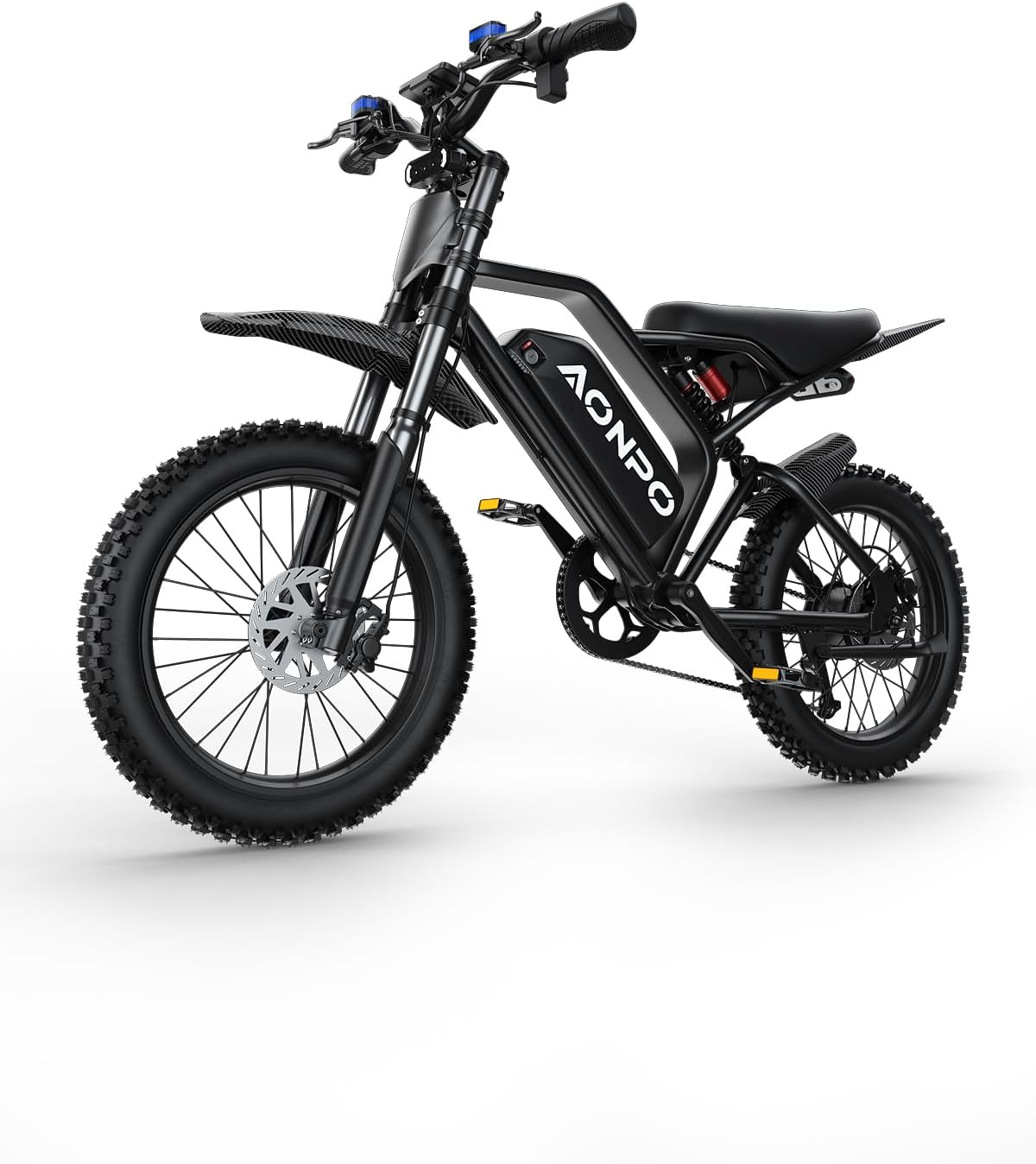
Frequently Asked Questions
Q: Can I ride an e-bike in the rain?
A: Yes, most e-bikes under $2,000 are water-resistant (IP65 rated), meaning they can handle light rain and splashes. However, avoid submerging the battery or motor, and dry the bike after wet rides to prevent corrosion.
Q: How long does the battery last?
A: A lithium-ion battery typically lasts 500–1,000 charge cycles, equating to 2–5 years of daily use. Proper care—like avoiding extreme temperatures and not draining to 0%—extends lifespan.
Q: Do I need a license or insurance?
A: In most U.S. states, no license or insurance is required for Class 1 and 2 e-bikes. Class 3 may require a helmet and have age restrictions. Check local laws to be sure.
Q: Can I pedal without the motor?
A: Absolutely. E-bikes are fully functional bicycles. If the battery dies, you can pedal normally—though they’re heavier than regular bikes.
Q: How fast can e-bikes go under $2,000?
A: Most are limited to 20 mph (Class 1/2) or 28 mph (Class 3). Actual speed depends on terrain, weight, and assist level. Throttle-only models cap at 20 mph.
Q: Are e-bikes good for hills?
A: Yes, especially models with 750W motors and torque sensors. Fat-tire and mountain e-bikes excel on steep inclines. Look for bikes with low gear ratios for easier climbing.
Q: Can I upgrade components later?
A: Some parts like tires, seats, and lights are easy to upgrade. Motors and batteries are more complex and may require professional help. Check compatibility before modifying.
Q: How do I charge the battery?
A: Most batteries charge via a standard wall outlet. Charging takes 4–6 hours. Use only the manufacturer’s charger to avoid damage.
Q: What’s the difference between pedal assist and throttle?
A: Pedal assist (PAS) provides power only when you pedal, offering a more natural ride. Throttle lets you ride without pedaling, like a scooter. Many bikes offer both.
Q: Are e-bikes worth it under $2,000?
A: Absolutely. You can get a reliable, feature-rich e-bike that transforms your commute, fitness, and lifestyle—all without breaking the bank.
Our Final Recommendations
- Best for Budget-Conscious Buyers: Lectric XP 3.0 ($999) – A folding fat-tire e-bike with 500W motor, 45+ mile range, and solid build quality. Perfect for urban adventurers on a tight budget.
- Best Overall Value: Aventon Level.2 ($1,699) – Combines a 750W motor, torque sensor, hydraulic brakes, and sleek design. Ideal for commuters who want performance and style.
- Best Premium Option: Rad Power Bikes RadRover 6 Plus ($1,999) – A full-featured fat-tire e-bike with 750W motor, 48V battery, and excellent customer support. Built for serious riders.
- Best for Beginners: Heybike Cityscape ($1,299) – Easy to assemble, comfortable ride, and includes fenders, rack, and lights. Great first e-bike with minimal learning curve.
- Best for Advanced Users: Juiced CrossCurrent X ($1,899) – High-speed Class 3 performance, 52V battery, and aggressive styling. For riders who want speed and range without going over budget.
Conclusion: Making the Right Choice
Choosing the best e-bike under $2,000 doesn’t have to be overwhelming. By focusing on your specific needs—whether it’s commuting, off-roading, or portability—you can narrow down the options and find a model that truly enhances your life. Remember to prioritize safety, build quality, and real-world performance over flashy specs or low prices alone.
Take your time, do your research, and don’t hesitate to ask questions. Test ride when possible, read user reviews, and consider the total cost of ownership. An e-bike is more than a purchase—it’s an investment in your health, freedom, and sustainability.
With the right bike, every ride becomes an adventure. So gear up, charge up, and get ready to experience the joy of electric cycling. Your perfect e-bike is out there—and now you know exactly how to find it.