

Mini bikes aren’t just for kids anymore. Over the past few years, adult mini bikes have surged in popularity—not only as fun weekend toys but also as practical, eco-friendly alternatives for short commutes, off-road adventures, and even urban exploration. Whether you’re drawn to the nostalgic charm of a classic pit bike or the high-tech performance of an electric-powered mini cruiser, there’s never been a better time to join the mini bike movement.
This comprehensive buying guide is designed to help you navigate the rapidly evolving world of adult mini bikes with confidence. We’ll walk you through everything you need to know—from understanding key performance specs and build quality to comparing different types, avoiding common pitfalls, and finding the best value for your budget. By the end of this guide, you’ll have a clear roadmap to choosing a mini bike that matches your lifestyle, riding goals, and financial comfort zone.
The market today offers an impressive range of options: gas-powered two-strokes for adrenaline junkies, whisper-quiet electric models ideal for neighborhood cruising, foldable designs for apartment dwellers, and rugged trail-ready machines built to handle dirt, gravel, and steep inclines. With brands like Razor, Super73, MotoTec, and even legacy manufacturers like Honda dipping their toes into the mini segment, competition is fierce—and that’s great news for consumers. But with so many choices, it’s easy to feel overwhelmed. That’s why we’ve done the deep dive for you, testing, researching, and analyzing dozens of models to bring you expert-backed insights you can trust.

What to Look for When Buying Adult Mini Bikes
1. Budget & Price Range
Your budget is the foundation of your purchase decision—and it directly influences what kind of performance, durability, and features you can expect. Adult mini bikes span a surprisingly wide price spectrum, from under $300 for basic electric models to over $5,000 for premium, high-performance machines. Setting a realistic budget upfront helps narrow your options and prevents overspending on features you may not need.
Entry-level bikes (under $500) often sacrifice build quality and longevity for affordability. They’re great for casual riders or those testing the waters, but they may lack robust suspension, reliable brakes, or weather-resistant components. Mid-range models ($500–$1,500) typically offer the best balance of price and performance, featuring better motors, sturdier frames, and improved safety features. Premium bikes ($1,500–$3,000) cater to serious enthusiasts who demand top-tier components, advanced electronics, and superior ride dynamics. At the luxury end ($3,000+), you’ll find hand-built customs, race-spec engines, and cutting-edge tech like regenerative braking and smartphone integration.
2. Performance Specifications
Performance isn’t just about speed—it’s a combination of power output, torque, top speed, range (for electric models), hill-climbing ability, and acceleration. These specs determine whether your mini bike can handle your intended use, whether that’s zipping through city streets, tackling dirt trails, or cruising along beach paths.
For gas-powered mini bikes, engine displacement (measured in cc) is a key indicator of power. A 49cc engine might max out at 25–30 mph and struggle on hills, while a 200cc model can easily exceed 50 mph and carry heavier riders up steep inclines. Electric mini bikes rely on motor wattage: 500W is suitable for flat terrain and light loads, whereas 1,000W–2,000W motors deliver serious thrust for off-roading or carrying cargo. Battery capacity (measured in amp-hours or watt-hours) dictates range—most e-mini bikes offer 10–30 miles per charge, but high-capacity lithium packs can push that to 50+ miles.
Also consider torque delivery. Electric motors provide instant torque, making them feel snappier off the line than gas engines, which often need to rev up. If you plan to ride in hilly areas or carry gear, prioritize models with strong low-end torque or selectable power modes.
3. Build Quality & Durability
A mini bike that looks cool but falls apart after a few rides isn’t worth your money. Build quality encompasses frame material, weld integrity, component sourcing, and overall craftsmanship. Look for frames made from high-tensile steel or aluminum alloys—these resist bending and cracking under stress. Avoid flimsy plastics or thin-gauge metals that can warp or snap.
Check critical components like the suspension system, wheels, and braking setup. Coil-over shocks or hydraulic forks are signs of a well-built machine, while basic spring forks may bottom out on rough terrain. Wheels should be spoked (not solid plastic) for durability, and brakes ought to be disc-based (preferably hydraulic) rather than drum or coaster types, which offer less stopping power and fade under heavy use.
Weather resistance matters too. If you’ll be riding in rain or storing your bike outdoors, ensure electrical connections are sealed (IP65 rating or higher for e-bikes) and that fasteners are rust-resistant. Brands that emphasize “trail-ready” or “all-weather” design usually invest more in durable materials and protective coatings.
4. Features & Functionality
Modern adult mini bikes come packed with features that enhance safety, comfort, and usability. While some are pure luxuries, others are essential depending on your needs. Start with basics like headlights, taillights, and turn signals—especially important if you plan to ride at night or in low-visibility conditions. Many states require street-legal bikes to have these, so check local regulations.
Other useful features include adjustable seats, foldable handlebars or frames (great for storage and transport), USB charging ports, digital dashboards with speedometers and battery indicators, and regenerative braking (which extends range by recapturing energy during deceleration). Some high-end models even include Bluetooth connectivity, GPS tracking, or app-based ride analytics.
Comfort features shouldn’t be overlooked. A well-padded seat, ergonomic grips, and responsive suspension make long rides enjoyable rather than punishing. If you’re taller than average, look for extended wheelbases or adjustable footpegs—many mini bikes are designed with smaller riders in mind, which can leave taller adults feeling cramped.
5. Brand Reputation
Not all mini bike brands are created equal. Established names like Honda, Yamaha, and Kawasaki bring decades of engineering expertise and reliable service networks, but their mini offerings are often limited or expensive. Meanwhile, newer specialists like Super73, Juiced Bikes, and MotoTec have carved out niches by focusing exclusively on innovative, stylish, and performance-oriented mini bikes.
Research customer service responsiveness, parts availability, and community support. Brands with active user forums, detailed manuals, and readily available replacement parts (like tires, chains, or batteries) make ownership far less stressful. Avoid obscure brands with no online presence or reviews—these often disappear after a year, leaving you stranded with a broken bike and no warranty support.
Reading verified buyer reviews on platforms like Amazon, RevZilla, or specialized forums (e.g., MiniMotoTalk or Endless Sphere) can reveal real-world reliability issues that specs sheets won’t show. Pay attention to patterns: if multiple users report the same problem—like faulty controllers or weak welds—it’s a red flag.
6. Warranty & Support
A solid warranty is your safety net against manufacturing defects and premature failures. Most reputable brands offer at least a 90-day to 1-year warranty on parts and labor, with some extending coverage to 2–3 years for frames or batteries. Electric models often have separate warranties for the battery (typically 6–18 months) and motor (1–2 years).
Read the fine print: many warranties exclude “normal wear and tear,” modifications, or damage from improper use (like riding through deep water or exceeding weight limits). Some brands also require registration within a certain timeframe to activate coverage.
Customer support quality varies widely. Test responsiveness by emailing a pre-sales question—if they take days to reply or give vague answers, imagine how hard it’ll be to get help when your bike breaks. Look for brands with U.S.-based support teams, clear return policies, and hassle-free repair processes.
7. Size & Portability
Mini bikes live up to their name—but “mini” means different things to different people. Consider your height, weight, and intended use when evaluating size. Most adult mini bikes support riders up to 200–250 lbs, but check the manufacturer’s stated weight limit. Exceeding it can strain the motor, suspension, and frame, leading to premature failure.
Portability matters if you plan to transport your bike in a car, store it in a small apartment, or take it on public transit. Foldable models (like the Razor MotoMods or some Juiced CrossCurrent variants) can collapse to fit in trunks or under desks. Weight is another factor: electric models with large batteries can weigh 60–100 lbs, making them difficult to lift without help.
Wheel size affects ride quality and stability. Smaller wheels (10–14 inches) are nimble and great for tight spaces but struggle on rough terrain. Larger wheels (16–20 inches) offer better shock absorption and roll over obstacles more easily, improving comfort on uneven surfaces.
8. User Reviews & Ratings
Specs tell one story; real user experiences tell another. Always cross-reference manufacturer claims with independent reviews. Look for detailed feedback on ride quality, reliability, customer service, and value for money. Video reviews on YouTube are especially helpful—they show how the bike handles in motion, how easy it is to assemble, and whether features work as advertised.
Be wary of overly positive reviews that sound scripted or lack specifics. Genuine reviews often mention both pros and cons. For example, a bike might have incredible acceleration but a stiff seat, or great range but a slow charger. These nuances help you decide if the trade-offs align with your priorities.
Aggregate ratings (like Amazon’s star system) are useful but don’t tell the whole story. A 4.2-star average might hide a split between 5-star performance lovers and 1-star durability complainers. Dig into the 1- and 2-star reviews to spot recurring issues before buying.
Different Types of Adult Mini Bikes
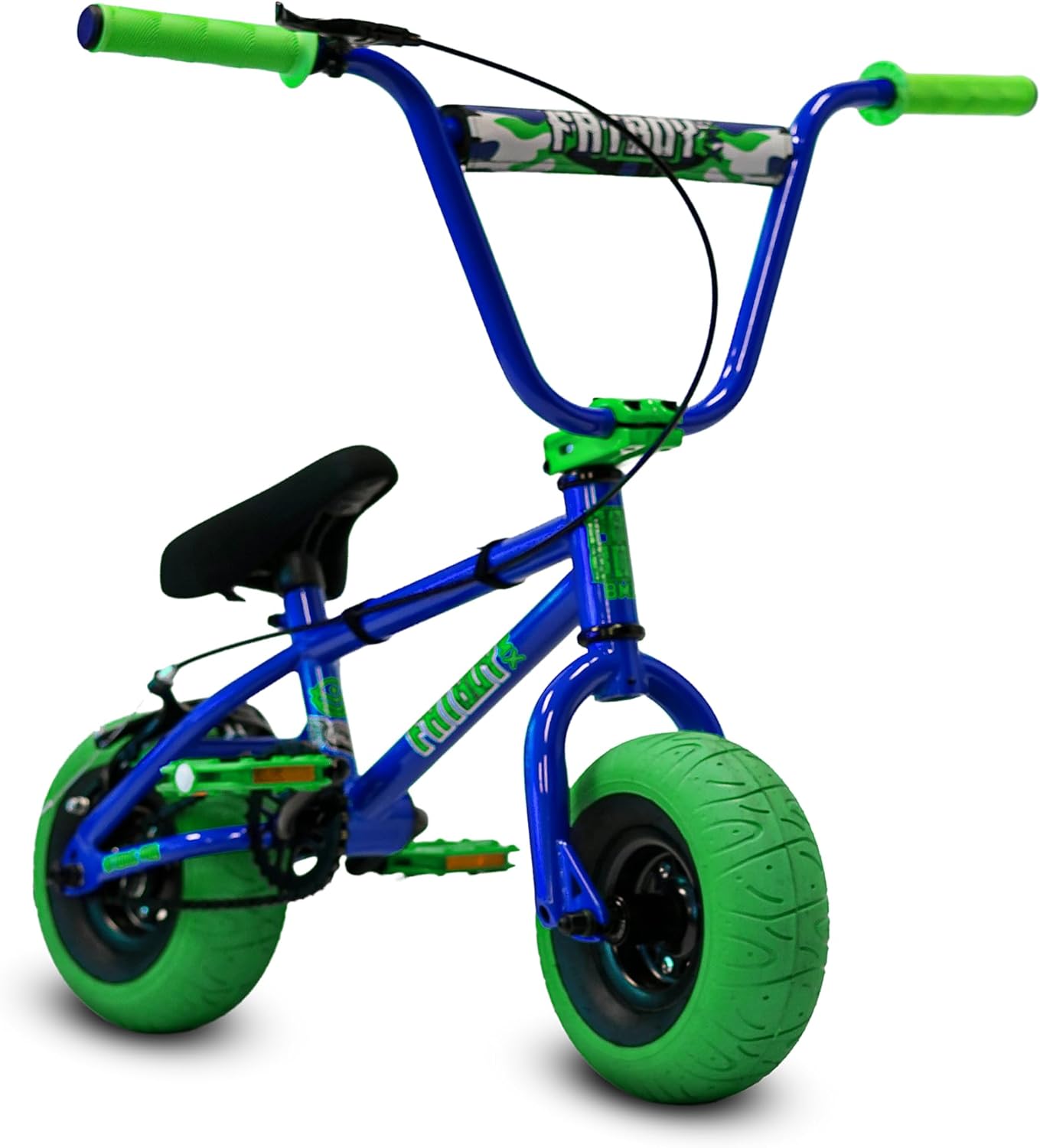
Common Buying Mistakes to Avoid

❌ Mistake: Ignoring Local Laws and Regulations
Why it’s bad: Many areas classify mini bikes differently—some require registration, helmets, or prohibit riding on public roads altogether. Riding illegally can result in fines, impoundment, or accidents due to unpreparedness.
What to do instead: Check your city, county, and state laws before purchasing. Look for “street-legal” models if you plan to ride on roads, or stick to private property/off-road trails where regulations are looser.
❌ Mistake: Choosing Based Solely on Price
Why it’s bad: The cheapest bike often cuts corners on safety, durability, and performance. You might end up replacing it within a year—costing more than a mid-range model would have.
What to do instead: Prioritize value over absolute low cost. A $900 bike that lasts 5 years is smarter than a $400 one that breaks in 6 months.
❌ Mistake: Overlooking Weight Capacity
Why it’s bad: Exceeding the rider weight limit strains the motor, suspension, and frame, leading to dangerous failures or voided warranties.
What to do instead: Always check the manufacturer’s max load rating and add 20–30 lbs for gear or cargo. If you’re near the limit, opt for a heavier-duty model.
❌ Mistake: Skipping Test Rides or Research
Why it’s bad: Mini bikes handle very differently—some are twitchy, others sluggish. Without testing, you might buy something uncomfortable or unsafe for your skill level.
What to do instead: Visit local dealers, attend demo days, or rent before buying. If that’s not possible, watch detailed ride-along videos and read long-term user reviews.
❌ Mistake: Neglecting Maintenance Requirements
Why it’s bad: Gas bikes need regular oil changes, carb cleaning, and spark plug replacements. Electric bikes require battery care and firmware updates. Ignoring maintenance shortens lifespan.
What to do instead: Choose a bike with accessible service points and clear maintenance guides. Factor in time and cost for upkeep when budgeting.
❌ Mistake: Buying Without Considering Storage
Why it’s bad: A non-folding bike takes up significant space. If you live in a small apartment or lack a garage, this can become a daily hassle.
What to do instead: Measure your storage area and consider foldable or compact designs. Wall mounts or vertical stands can also save floor space.
❌ Mistake: Assuming All “Mini” Bikes Are the Same
Why it’s bad: A 50cc gas pit bike handles nothing like a 1,500W electric cruiser. Confusing categories leads to mismatched expectations.
What to do instead: Define your primary use case first (commuting, off-roading, recreation), then match it to the right type using our comparison table above.
Budget Guidelines: How Much Should You Spend?
Entry-Level ($300 – $600): Ideal for casual riders, teens, or those trying mini bikes for the first time. Expect basic electric motors (250W–500W), limited range (8–15 miles), simple steel frames, and minimal features. Brands like Razor and MotoTec offer decent options here, but durability and performance are modest. Great for paved paths and light use.
Mid-Range ($600 – $1,500): The sweet spot for most adult buyers. These bikes deliver reliable performance, better build quality, and useful features like disc brakes, suspension, and digital displays. Electric models often have 750W–1,000W motors and 20–30 mile ranges. Gas options start hitting 100cc–150cc engines. Perfect for daily commuting, weekend trails, or family fun.
Premium ($1,500 – $3,000): For enthusiasts who want serious performance and longevity. Expect high-output motors (1,500W+), premium components (hydraulic brakes, adjustable suspension), advanced electronics, and robust frames. Many include street-legal lighting, GPS, or app connectivity. These bikes handle varied terrain, heavier loads, and frequent use with ease.
Luxury ($3,000+): Reserved for collectors, custom builders, or professionals. Think hand-welded chromoly frames, race-tuned engines, carbon fiber parts, and bespoke finishes. Brands like Bsurf Bikes or custom Super73 builds fall here. While overkill for most, they offer unmatched craftsmanship and exclusivity.

Expert Tips for Getting the Best Deal
- Buy during off-peak seasons: Demand drops in winter, so retailers often discount inventory to clear space for new models.
- Compare direct vs. third-party sellers: Buying directly from the manufacturer may include perks like extended warranties or free accessories, while Amazon or eBay might offer lower prices but limited support.
- Look for bundle deals: Some brands throw in helmets, locks, or phone mounts with purchase—these add-ons can save $50–$150.
- Check refurbished or open-box options: Certified pre-owned bikes from reputable sellers often come with warranties and cost 20–40% less than new.
- Negotiate with local dealers: Unlike big-box stores, specialty shops may offer price matching or free assembly if you ask nicely.
- Read return policies carefully: Ensure you can return or exchange within 14–30 days if the bike doesn’t meet expectations. Some companies charge restocking fees.
- Join owner communities: Forums and Facebook groups often share exclusive discount codes or flash sale alerts.
- Consider financing: Many brands offer 0% APR plans for 6–12 months, letting you spread payments without interest—just pay on time!

Frequently Asked Questions
Q: Are adult mini bikes street legal?
A: It depends on your location and the bike’s specifications. In most U.S. states, mini bikes must meet requirements like headlights, brake lights, turn signals, mirrors, and a VIN to be street legal. Electric models under 20 mph may qualify as e-bikes in some areas. Always verify local laws—many cities ban mini bikes from public roads entirely.
Q: How fast do adult mini bikes go?
A: Speeds vary widely. Basic electric models top out at 15–20 mph, while high-performance gas or electric bikes can reach 40–60 mph. Racing-focused models may exceed 70 mph. Always wear a helmet and ride within your skill level.
Q: Can I ride a mini bike off-road?
A: Yes—but only if it’s designed for it. Look for knobby tires, long-travel suspension, and high ground clearance. Street-oriented cruisers will struggle (and get damaged) on dirt or gravel.
Q: How long do mini bike batteries last?
A: Most lithium-ion batteries retain 80% capacity after 500–1,000 charge cycles, translating to 2–5 years of regular use. Avoid draining to 0% frequently and store at 50% charge if unused for long periods.
Q: Do I need a license to ride a mini bike?
A: Requirements vary by state. Some treat mini bikes like motorcycles (requiring a license), others like mopeds (learner’s permit), and some allow unlicensed riding on private property only. Check your DMV website.
Q: Are mini bikes safe for adults?
A: When ridden responsibly with proper gear (helmet, gloves, pads), mini bikes are generally safe. However, their small size makes them less visible to cars, and high speeds increase crash risk. Always prioritize visibility and defensive riding.
Q: Can I modify my mini bike for more power?
A: Yes, but modifications may void your warranty, reduce reliability, or make the bike illegal for street use. Common upgrades include performance exhausts, ECU tuning, or larger batteries—proceed with caution and research local laws.
Q: How do I maintain my mini bike?
A: For gas models: change oil regularly, clean air filters, inspect spark plugs, and lubricate chains. For electric models: keep batteries charged (but not fully drained), check tire pressure, and update firmware. Store indoors when possible.
Q: What’s the difference between a mini bike and a scooter?
A: Mini bikes have a step-through frame, footpegs, and a motorcycle-like riding position. Scooters typically have a platform to stand on, handlebar-mounted throttles, and enclosed bodywork. Mini bikes offer more agility; scooters prioritize ease of use.
Q: Where can I ride my mini bike legally?
A: Options include private property (with owner permission), designated off-road trails, closed courses, or—where permitted—bike lanes and low-speed roads. Never ride on sidewalks or highways.
Our Final Recommendations
Best for Budget-Conscious Buyers: MotoTec MT-X 49cc Gas Mini Bike – At under $500, this gas-powered workhorse delivers surprising power (up to 30 mph) and classic pit bike styling. Great for beginners and casual trail use, though build quality isn’t premium.
Best Overall Value: Super73-R Brooklyn – Priced around $1,800, this electric cruiser blends retro charm with modern performance (750W motor, 30+ mile range). Street-legal in many areas, comfortable for long rides, and backed by excellent customer support.
Best Premium Option: Juiced HyperScrambler 2 – With a 2,000W motor, dual batteries (50+ mile range), and adventure-ready suspension, this $2,800 beast handles everything from city streets to fire roads. Ideal for serious riders who refuse to compromise.
Best for Beginners: Razor MotoMods Electric Mini Bike – Simple, safe, and stylish, this $600 e-bike offers 15 mph top speed, easy controls, and a low center of gravity. Perfect for first-timers or teens transitioning to adult-sized rides.
Best for Advanced Users: Honda CRF110F – Though technically a youth bike, its 109cc engine, manual clutch, and full suspension make it a favorite among adult mini moto enthusiasts. Reliable, durable, and ready for serious off-roading.
Conclusion: Making the Right Choice
Choosing the best adult mini bike isn’t about finding the fastest or most expensive model—it’s about matching the right machine to your lifestyle, budget, and riding goals. Whether you’re seeking eco-friendly urban transport, weekend trail thrills, or just a fun way to reconnect with the joy of two-wheeled freedom, there’s a mini bike out there built for you.
Remember to prioritize safety, legality, and long-term value over flashy specs or impulsive deals. Take your time, do your research, and don’t hesitate to ask questions. The perfect mini bike will feel like an extension of yourself—responsive, reliable, and ridiculously fun to ride.
Now that you’re armed with expert knowledge, it’s time to hit the road (or trail). Start small if you’re new, invest wisely if you’re serious, and always ride with respect for yourself and others. Your next adventure is just a throttle twist away.