
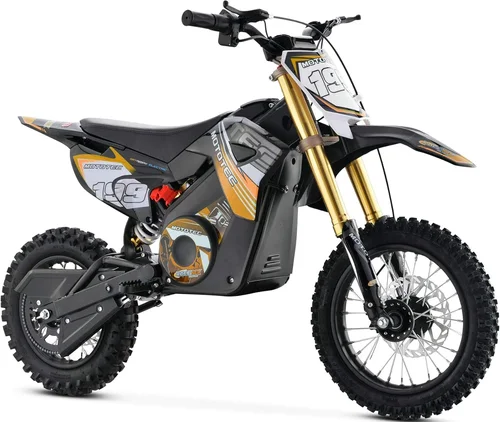
Electric dirt bikes are revolutionizing off-road riding. Once considered a niche alternative to gas-powered machines, e dirt bikes have surged in popularity thanks to advancements in battery technology, motor efficiency, and environmental awareness. Whether you’re a weekend trail rider, a competitive motocross enthusiast, or a parent looking for a safe, quiet ride for your child, there’s never been a better time to go electric. These bikes offer instant torque, near-silent operation, zero emissions, and lower maintenance costs—making them an increasingly smart choice for riders of all levels.
This comprehensive buyer’s guide is designed to help you navigate the growing market of electric dirt bikes in 2025. We’ll walk you through everything you need to know to make an informed decision: from understanding key performance specs and build quality to comparing different models and avoiding common pitfalls. You’ll learn how to match your riding style, budget, and terrain needs with the right bike. By the end of this guide, you’ll have the confidence and knowledge to choose the best e dirt bike for your adventures—whether you’re hitting backcountry trails, practicing jumps at the local track, or simply exploring nature with minimal environmental impact.
The e dirt bike market has matured significantly over the past few years. What was once dominated by a handful of startups now includes offerings from established powersports brands like KTM, Husqvarna, and Yamaha, alongside innovative newcomers such as Sur Ron, Cake, and Segway. With options ranging from lightweight youth models under $1,000 to high-performance adult machines exceeding $15,000, the choices can feel overwhelming. But don’t worry—we’ve done the research so you don’t have to. This guide cuts through the noise with expert analysis, real-world testing insights, and practical advice tailored to help you find the perfect electric dirt bike for your needs.

What to Look for When Buying an E Dirt Bike
1. Budget & Price Range
Your budget is the foundation of your buying decision. E dirt bikes span a wide price spectrum, from entry-level youth models starting around $600 to premium competition-ready machines costing over $20,000. Setting a realistic budget upfront helps narrow your options and prevents overspending on features you may not need. Consider not just the upfront cost but also long-term expenses like battery replacements, maintenance, and potential upgrades.
When evaluating price, think about value rather than just the lowest number. A $1,200 bike might seem like a steal, but if it uses outdated lithium-ion cells with poor cycle life or lacks essential safety features, it could end up costing more in repairs or early replacement. Conversely, spending $15,000 on a top-tier model may be overkill if you’re only riding casually on weekends. Aim to balance affordability with reliability and performance that matches your usage.
2. Performance Specifications
Performance is where e dirt bikes truly shine—and where they differ most from traditional gas bikes. Key specs to evaluate include motor power (measured in watts or horsepower), torque (in lb-ft), top speed, range (how far you can ride on a single charge), and battery capacity (measured in watt-hours or amp-hours).
Motor power determines how quickly the bike accelerates and how well it handles steep climbs. Most adult e dirt bikes range from 3,000W (about 4 hp) for lightweight trail models to 15,000W+ (20+ hp) for high-performance motocross machines. Torque is even more critical off-road—electric motors deliver 100% torque instantly, giving you immediate throttle response without clutch modulation.
Range varies widely based on terrain, rider weight, and riding style. Aggressive riding drains batteries faster than casual trail cruising. Expect 15–40 miles per charge on most mid-range models, though some high-capacity bikes now offer 60+ miles. Always check real-world user reports, as manufacturer claims often reflect ideal conditions.
Top speed matters less than you might think—most e dirt bikes cap out between 35–55 mph, which is more than enough for trail and motocross use. Focus instead on how the bike performs at low and mid-range speeds, where most off-road riding happens.
3. Build Quality & Durability
Off-road riding is tough on equipment. Your e dirt bike must withstand jumps, rocks, mud, water, and repeated impacts. Look for a robust frame made from high-tensile steel or aluminum alloy, quality suspension (front forks and rear shock with adequate travel), and sealed electronics to protect against moisture and dust.
Check the IP (Ingress Protection) rating of the battery and motor—IP67 or higher means the components are dust-tight and can withstand immersion in water up to 1 meter deep for 30 minutes. This is crucial for muddy or wet conditions.
Suspension travel should be at least 8–10 inches for serious off-road use. Entry-level bikes often have shorter travel and softer setups, which are fine for flat trails but struggle on technical terrain. Also inspect weld quality, bolt tightness, and overall fit-and-finish. A well-built bike feels solid and balanced, even when standing still.
Don’t overlook wheel and tire quality. Knobby, tubeless tires with reinforced sidewalls provide better grip and puncture resistance. Spoked wheels are standard on most dirt bikes and offer superior strength over cast alloys.
4. Features & Functionality
Modern e dirt bikes come packed with features that enhance safety, performance, and convenience. Key ones to consider include:
– Regenerative braking: Recovers energy during deceleration, extending range slightly.
– Multiple riding modes: Eco, Trail, Sport, and Race modes let you tailor power delivery to conditions.
– Removable batteries: Allow for quick swaps on long rides or easy charging off the bike.
– Digital dashboard: Displays speed, battery level, trip data, and error codes.
– LED lighting: Essential for night riding; look for bright headlights and brake lights.
– Bluetooth connectivity: Some models sync with apps for ride tracking, diagnostics, and firmware updates.
Advanced features like traction control, launch control, and adjustable power curves are found on premium models and can significantly improve rideability, especially for beginners or in slippery conditions.
Also consider ergonomics: seat height, handlebar position, and footpeg placement should suit your body size and riding style. A bike that fits well reduces fatigue and improves control.
5. Brand Reputation & Reliability
Not all e dirt bike brands are created equal. Established names like KTM (with their Freeride E-XC), Husqvarna (TE 3i), and Yamaha (WR250X) bring decades of off-road engineering experience and global service networks. These brands typically offer better long-term support, genuine parts availability, and proven reliability.
However, innovative newcomers like Sur Ron (Light Bee series), Cake (Kalk series), and Segway (Dirt eBike X260) have disrupted the market with cutting-edge designs, modular batteries, and aggressive pricing. Many of these brands have built strong reputations through direct-to-consumer sales and active rider communities.
Research brand history, read owner forums, and check for recalls or widespread issues. A brand with responsive customer service and transparent warranty policies is worth paying a bit more for—especially if you plan to keep the bike for years.
6. Warranty & Support
A solid warranty protects your investment and reflects the manufacturer’s confidence in their product. Most reputable brands offer 1–2 years of coverage on the frame and motor, and 6–12 months on the battery (which degrades over time). Some premium brands extend battery warranties to 2–3 years or offer degradation guarantees (e.g., “80% capacity after 2 years”).
Check what’s covered: labor, parts, shipping, and whether you need to register the warranty. Also verify if the warranty is valid internationally if you travel abroad.
Customer support matters too. Can you easily reach a technician? Are spare parts readily available? Do they offer firmware updates or tuning support? Brands with local dealers or service centers provide a significant advantage over those that require shipping the entire bike for repairs.
7. Size & Portability
Size affects both performance and practicality. Youth models (under 100 lbs) are lightweight and low to the ground, making them ideal for kids and beginners. Adult trail and motocross bikes typically weigh 120–200 lbs—still lighter than most gas bikes due to the absence of an engine, exhaust, and fuel system.
Consider how you’ll transport the bike. Can it fit in your SUV or truck bed? Do you need a ramp or trailer? Some models fold or have removable batteries to reduce size for storage.
Seat height is another critical factor. Most adult e dirt bikes have seat heights between 32–37 inches. Taller riders may prefer higher seats for better legroom, while shorter riders should look for lower-profile models or those with adjustable suspension.
Portability also ties into battery design. Removable batteries make charging easier if you don’t have a garage outlet, and allow you to carry a spare for extended rides.
8. User Reviews & Ratings
Never rely solely on manufacturer specs. Real-world user reviews reveal how a bike performs in everyday conditions—its reliability, comfort, quirks, and hidden flaws. Look for detailed reviews on forums like ThumperTalk, Reddit’s r/electricmotorcycles, and YouTube channels dedicated to e dirt bikes.
Pay attention to patterns: if multiple users report the same issue (e.g., battery overheating, loose wiring, poor suspension), it’s likely a design flaw. Conversely, consistent praise for smooth power delivery or excellent build quality is a strong endorsement.
Also check professional reviews from outlets like BikeBandit, Electrek, or Dirt Rider, which often include dyno tests, range trials, and long-term evaluations.
Different Types of E Dirt Bikes

Common Buying Mistakes to Avoid
❌ Mistake: Prioritizing Price Over Performance
Why it’s bad: Choosing the cheapest bike often means sacrificing motor power, battery life, and build quality. A $800 bike may look like a bargain, but if it can’t handle hills or dies after 10 miles, it becomes a frustrating paperweight.
What to do instead: Set a minimum performance threshold based on your needs. For example, if you plan to ride technical trails, ensure the bike has at least 5,000W motor power and 2kWh battery capacity. Spend a little more for reliability.
❌ Mistake: Ignoring Battery Technology
Why it’s bad: Not all lithium batteries are equal. Older Li-ion cells degrade faster, charge slower, and perform poorly in cold weather. A bike with a low-quality battery will lose range quickly and may need replacement within 1–2 years.
What to do instead: Look for bikes using modern lithium iron phosphate (LiFePO4) or high-nickel NMC cells, which offer better cycle life, thermal stability, and cold-weather performance. Check the battery management system (BMS)—it should protect against overcharging, deep discharge, and overheating.
❌ Mistake: Overlooking Maintenance Needs
Why it’s bad: While e dirt bikes require less maintenance than gas bikes (no oil changes, air filters, or carburetors), they still need regular care. Neglecting chain tension, brake pads, suspension settings, or tire pressure can lead to poor performance or safety issues.
What to do instead: Learn basic maintenance tasks or find a local shop familiar with electric motorcycles. Keep a toolkit handy and inspect your bike before and after each ride.
❌ Mistake: Buying Without Test Riding
Why it’s bad: Specs don’t tell the whole story. A bike might have great numbers on paper but feel unbalanced, jerky, or uncomfortable in real life. Ergonomics, throttle response, and suspension tune are best judged by riding.
What to do instead: Whenever possible, test ride multiple models. Many dealers and expos offer demo days. If buying online, check return policies and look for retailers with generous trial periods.
❌ Mistake: Assuming All E Bikes Are Quiet
Why it’s bad: While e dirt bikes are much quieter than gas bikes, some still produce noticeable motor whine or chain noise. In noise-sensitive areas (like state parks or residential zones), this can be an issue.
What to do instead: Research decibel levels and read user feedback about noise. Some brands, like Cake, prioritize ultra-quiet operation for stealth riding.
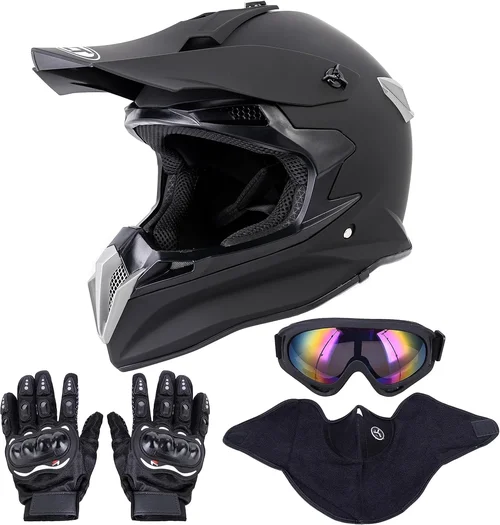
❌ Mistake: Skipping Safety Gear
Why it’s bad: Electric bikes accelerate instantly and can reach high speeds quickly. Without proper gear, a fall can result in serious injury.
What to do instead: Invest in a DOT/ECE-certified helmet, armored jacket, gloves, boots, and knee/elbow pads. Consider a neck brace for aggressive riding.
❌ Mistake: Not Planning for Charging
Why it’s bad: Running out of juice in the middle of nowhere is a real risk. Many riders underestimate charging time or don’t have access to outlets on trails.
What to do instead: Carry a portable charger or spare battery if your bike supports it. Plan routes with charging stops, or invest in a solar charger for remote adventures.
Budget Guidelines: How Much Should You Spend?
Entry-Level ($600 – $1,500): Ideal for kids, teens, or casual adult riders on flat terrain. Expect basic components, limited range (10–15 miles), and lower power (1,000–3,000W). Brands like Razor, MotoTec, and Segway offer reliable options in this range. Great for learning but not suited for serious off-roading.
Mid-Range ($2,500 – $6,000): The sweet spot for most buyers. These bikes offer solid performance (3,000–8,000W), decent range (20–35 miles), and better build quality. Models like the Sur Ron Light Bee X, Segway X260, and Cake Kalk OR are popular here. Suitable for trail riding, light motocross, and weekend adventures.
Premium ($7,000 – $12,000): For enthusiasts and serious riders. High-performance motors (8,000–15,000W), advanced suspension, removable batteries, and race-ready features. Includes bikes like the KTM Freeride E-XC, Husqvarna TE 3i, and upgraded Sur Ron models. Excellent for competitive riding and technical terrain.
Luxury ($12,000+): Top-tier machines with cutting-edge tech, carbon fiber components, custom tuning, and extended warranties. Examples include the Cake Kalk& and limited-edition race models. These are for collectors, professionals, or those who want the absolute best.

Expert Tips for Getting the Best Deal
– Buy during off-season: Prices often drop in late fall and winter when demand is low. Many dealers offer discounts to clear inventory before new models arrive in spring.
– Shop directly from manufacturers: Brands like Sur Ron, Cake, and Segway sell online with free shipping, exclusive bundles, and better customer support than third-party retailers.
– Look for bundle deals: Some sellers include helmets, chargers, spare batteries, or maintenance kits at no extra cost—especially during holiday sales.
– Check return and trial policies: Aim for at least a 14-day return window. Some companies offer 30-day money-back guarantees if you’re not satisfied.
– Join rider communities: Forums and Facebook groups often share exclusive discount codes, flash sales, or group buy opportunities.
– Negotiate with dealers: Even if the sticker price is fixed, you may be able to get free accessories, extended warranties, or reduced shipping fees.
– Consider financing: Many brands offer 0% APR financing for 6–12 months, making premium bikes more accessible.
– Verify local incentives: Some states and municipalities offer rebates for electric vehicle purchases—check with your DMV or energy provider.

Frequently Asked Questions
Q: How long does an e dirt bike battery last?
A: Most lithium batteries last 500–1,000 charge cycles before capacity drops to 80%. With proper care (avoiding full discharges and extreme temperatures), this translates to 2–4 years of regular use. High-quality LiFePO4 batteries can last even longer.
Q: Can I ride an e dirt bike in the rain?
A: Yes, if the bike has an IP67 or higher rating. Avoid submerging it in deep water or riding through flooded trails, as this can still damage electronics. Always dry and inspect the bike after wet rides.
Q: Are e dirt bikes street-legal?
A: Most are not street-legal out of the box. However, some models (like the Cake Kalk&) can be equipped with lights, mirrors, and horns to meet DOT standards. Check your local laws—requirements vary by state and country.
Q: How fast do e dirt bikes go?
A: Top speeds range from 25 mph (youth models) to 55+ mph (high-performance adult bikes). Speed depends on motor power, gearing, and rider weight.
Q: Do e dirt bikes require a license?
A: In most U.S. states, off-road e dirt bikes do not require a license if ridden on private property or designated trails. However, street-legal versions may need registration and a motorcycle endorsement.
Q: How long does it take to charge an e dirt bike?
A: Standard chargers take 3–6 hours for a full charge. Fast chargers can reduce this to 1–2 hours but may reduce battery lifespan if used frequently.
Q: Can I upgrade my e dirt bike?
A: Yes—many components are upgradeable: batteries, motors, suspension, tires, and controllers. However, modifications may void warranties, so check with the manufacturer first.
Q: Are e dirt bikes environmentally friendly?
A: Yes, significantly more than gas bikes. They produce zero tailpipe emissions, use recyclable batteries, and consume less energy per mile. The carbon footprint depends on your local electricity source.
Q: What’s the difference between hub motor and mid-drive motor?
A: Hub motors are built into the wheel and offer simplicity and direct drive. Mid-drive motors sit near the crank and use the bike’s gears for better efficiency and weight distribution. Most e dirt bikes use hub motors for durability and instant torque.
Q: Can kids ride e dirt bikes safely?
A: Absolutely—with proper supervision and age-appropriate models. Look for bikes with speed limiters, adjustable power modes, and lightweight frames. Always ensure they wear full safety gear.
Our Final Recommendations
Best for Budget-Conscious Buyers: Sur Ron Light Bee X ($4,500) – Offers exceptional value with 6,000W motor, 2.4kWh removable battery, and rugged build. Perfect for trail riding and light motocross.
Best Overall Value: Segway Dirt eBike X260 ($3,999) – Combines affordability, 7,000W power, 30+ mile range, and sleek design. Great for beginners and intermediate riders.
Best Premium Option: KTM Freeride E-XC ($12,999) – A true performance machine with WP suspension, race-tuned geometry, and brand-backed reliability. Ideal for serious off-road enthusiasts.
Best for Beginners: Cake Kalk OR ($7,900) – Quiet, intuitive, and built for learning. Features multiple ride modes and excellent ergonomics for new riders.
Best for Advanced Users: Husqvarna TE 3i ($13,499) – Lightweight, powerful, and competition-ready. Used by professional riders in electric motocross events.
Conclusion: Making the Right Choice
Choosing the best e dirt bike isn’t just about picking the most powerful or expensive model—it’s about finding the right fit for your riding style, terrain, budget, and long-term goals. Electric dirt bikes offer a cleaner, quieter, and increasingly capable alternative to traditional gas bikes, and the technology continues to improve every year.
As you weigh your options, remember to prioritize safety, build quality, and real-world performance over flashy specs. Test ride when possible, read user reviews, and don’t hesitate to invest in quality gear and accessories. Whether you’re a first-time rider or a seasoned veteran, there’s an e dirt bike out there that will elevate your off-road experience.
Take your time, do your research, and choose wisely. The perfect electric dirt bike is waiting to take you on unforgettable adventures—without the noise, fumes, or hassle. Happy riding!