
Electric bikes have revolutionized personal transportation, offering an eco-friendly, efficient, and fun way to commute, explore, or simply enjoy the outdoors. Among the many styles available, fat tire ebikes stand out for their rugged design, superior traction, and ability to handle diverse terrains—from sandy beaches and snowy trails to muddy backroads and urban potholes. These bikes combine the power of electric motors with the stability of wide, oversized tires, making them ideal for adventurers, commuters facing rough roads, or anyone who values comfort and control.
But with so many options flooding the market—especially under the $1000 mark—it’s easy to feel overwhelmed. That’s where this guide comes in. Whether you’re a first-time buyer or upgrading from a standard e-bike, this comprehensive buying guide will walk you through everything you need to know to make a smart, informed decision. We’ll break down the key factors to consider, compare different types of fat tire ebikes, highlight common pitfalls, and offer expert-backed recommendations—all tailored specifically to models priced under $1000. By the end, you’ll have the confidence and knowledge to choose the best fat tire ebike that fits your lifestyle, budget, and riding goals.
The fat tire ebike market has exploded in recent years, driven by advancements in battery technology, motor efficiency, and consumer demand for versatile, all-terrain vehicles. While premium models can easily exceed $3,000, there’s a growing segment of high-quality, affordable options under $1,000 that deliver impressive performance without breaking the bank. Brands like Ancheer, ECOTRIC, and HITWAY have made it possible to get a reliable fat tire ebike with decent range, solid build quality, and useful features—all within a tight budget. However, not all sub-$1,000 models are created equal. Some cut corners on critical components like brakes, batteries, or frame materials, which can lead to safety issues or frequent repairs down the line. This guide cuts through the noise, helping you identify which bikes offer real value and which ones are best avoided.
What to Look for When Buying a Fat Tire Ebike Under $1000
1. Budget & Price Range
When shopping for a fat tire ebike under $1000, your budget is both a constraint and a guide. While $1,000 may seem like a generous limit, it’s important to understand what you’re getting—and what you’re not—at this price point. Most bikes in this range are entry-level to mid-tier models, often featuring basic components, lead-acid or lower-capacity lithium batteries, and simpler motor systems. That said, with careful research, you can still find excellent value.
Set a firm spending limit and stick to it. Avoid the temptation to stretch your budget for marginal upgrades that may not significantly improve performance. Instead, prioritize spending on core components like the motor, battery, and frame. Also, factor in additional costs such as shipping, assembly, maintenance tools, and optional accessories like lights, locks, or fenders. Some retailers offer free shipping and assembly, which can save you $50–$100. Others may charge extra, so always check the fine print.
2. Performance Specifications
Performance is where many budget fat tire ebikes fall short—but it doesn’t have to. Focus on three key specs: motor power, battery capacity, and range.
Motor power is measured in watts (W). Most sub-$1,000 models feature 500W to 750W rear hub motors. A 500W motor is sufficient for flat terrain and light hills, while a 750W motor offers better hill-climbing ability and faster acceleration. Avoid anything below 500W if you plan to ride on inclines or carry heavy loads.
Battery capacity is measured in watt-hours (Wh), which determines how far you can ride on a single charge. Look for at least 480Wh (e.g., 48V 10Ah) for a realistic range of 20–35 miles, depending on terrain, rider weight, and assist level. Lower-capacity batteries (e.g., 36V 8Ah = 288Wh) may only give you 10–15 miles, which isn’t ideal for commuting or longer rides.
Range also depends on pedal assist level. Most budget ebikes offer 3–5 levels of assist. Using lower assist levels conserves battery and extends range. Always check real-world user reviews for range estimates, as manufacturer claims are often optimistic.
3. Build Quality & Durability
A fat tire ebike is an investment, and you want it to last. Build quality directly impacts safety, comfort, and longevity. Start with the frame: look for high-tensile steel or aluminum alloy. Steel is heavier but more durable and better at absorbing shocks—ideal for off-road use. Aluminum is lighter and rust-resistant, making it better for urban commuting, but it can be more prone to cracking under stress.
Check the welds on the frame. They should be smooth and even, with no cracks or gaps. A poorly welded frame is a safety hazard and a sign of low manufacturing standards.
Next, examine the suspension. Most budget fat tire ebikes come with front suspension forks, which help absorb bumps and improve ride comfort. Some models also include rear suspension, but this is rare under $1,000. Avoid bikes with no suspension at all—especially if you plan to ride on rough terrain.
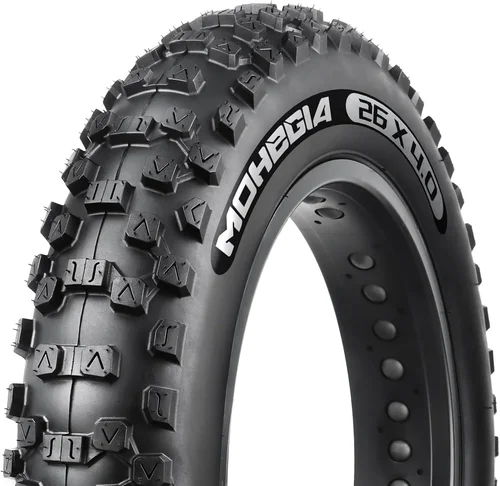
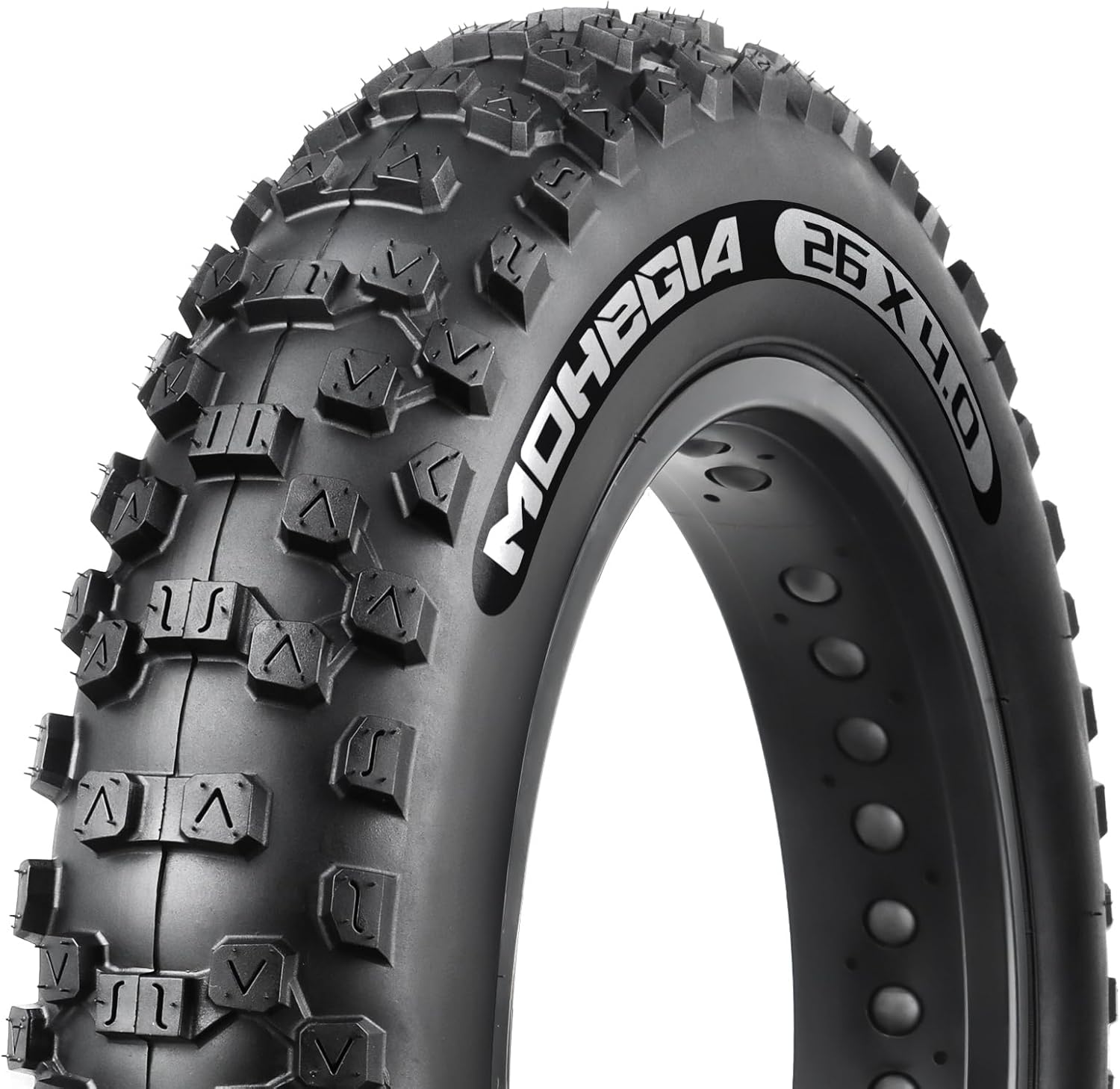
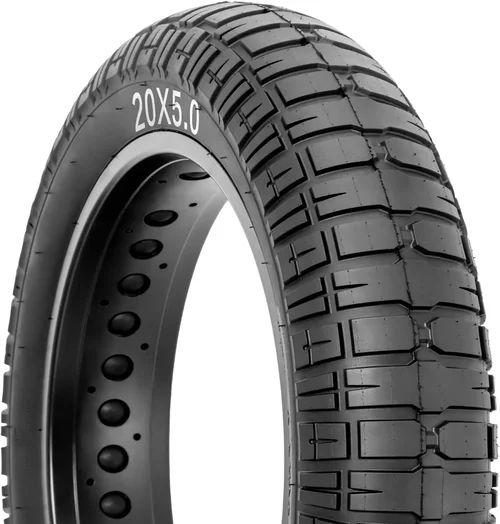
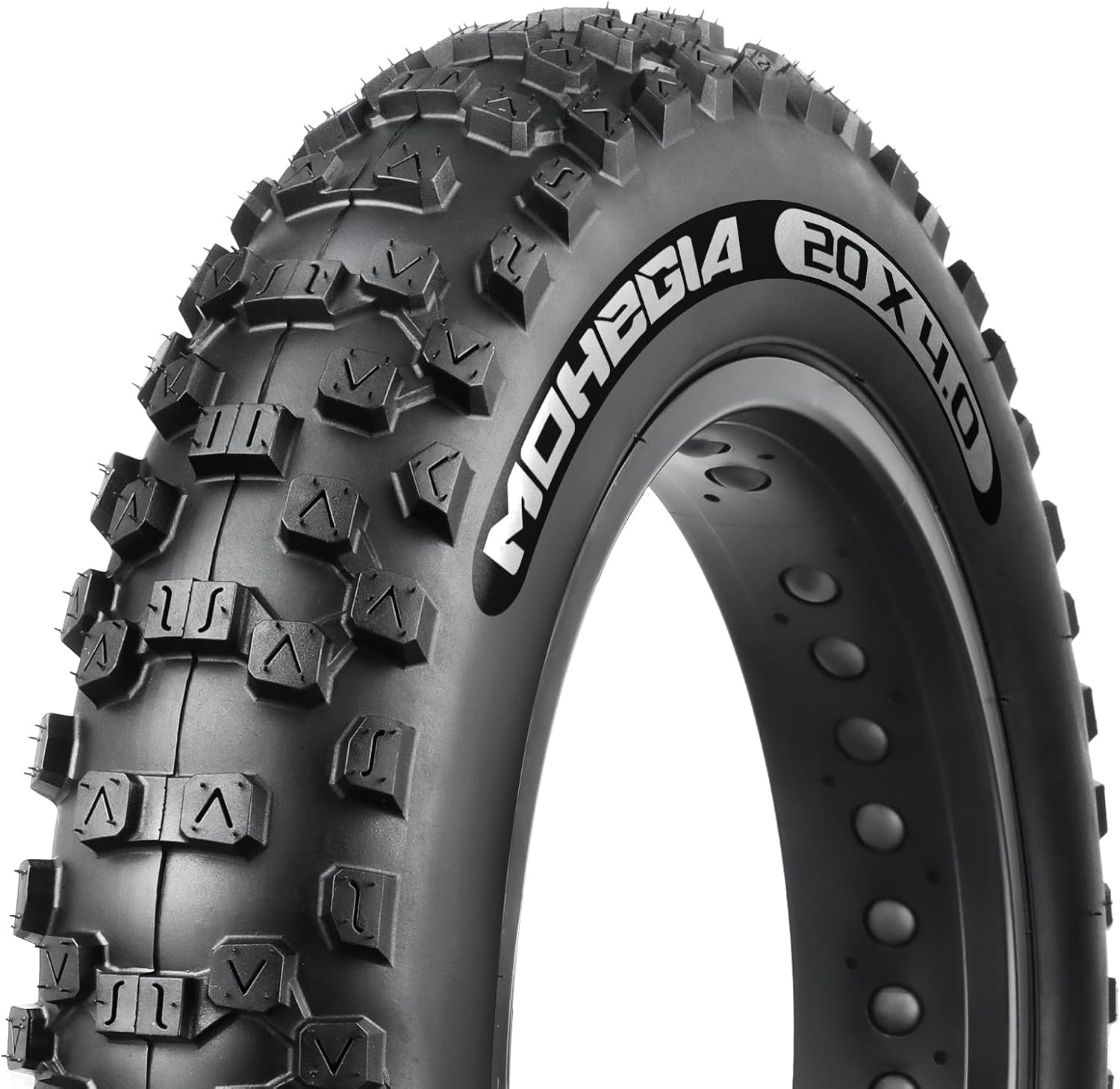
Tires are another critical component. True fat tires are typically 4–5 inches wide and provide excellent grip and cushioning. Make sure the tires are puncture-resistant and have a good tread pattern for your intended use (e.g., knobby for off-road, smoother for pavement).
Finally, inspect the drivetrain. Look for reputable brands like Shimano for gears and derailleurs. A 7-speed or 8-speed drivetrain is standard in this price range and sufficient for most riders. Avoid single-speed models unless you live in a completely flat area.
4. Features & Functionality
Even at a budget price, modern fat tire ebikes come packed with useful features. Here’s what to look for:
– LCD Display: A clear, backlit display shows speed, battery level, assist mode, and distance. Avoid bikes with only basic LED indicators—they offer limited feedback.
– Pedal Assist & Throttle: Most models include both. Pedal assist helps you ride with less effort, while a throttle (usually a twist-grip or thumb lever) lets you ride without pedaling—great for starting from a stop or climbing steep hills.
– Brake System: Disc brakes are a must. Mechanical disc brakes are common in this price range and offer reliable stopping power. Avoid rim brakes—they wear out quickly and perform poorly in wet or muddy conditions.
– Lighting: Integrated front and rear lights improve visibility and safety, especially for night riding. Some models include USB charging ports for lights or phones.
– Fenders & Racks: These add practicality for commuting or carrying gear. While not essential, they’re a nice bonus.
– App Connectivity: A few newer models offer Bluetooth connectivity to track rides, lock the bike, or adjust settings via a smartphone app. This is rare under $1,000 but worth noting if available.
5. Brand Reputation
Not all ebike brands are created equal. Some prioritize quality and customer service, while others focus on low prices at the expense of reliability. Stick with brands that have a proven track record in the ebike space.
Look for companies that offer detailed product specifications, clear warranty policies, and responsive customer support. Brands like Ancheer, ECOTRIC, HITWAY, and Cyrusher have established reputations for delivering decent value in the budget segment. Read customer reviews on Amazon, Reddit, and specialized forums like Electric Bike Report or Endless Sphere.
Avoid no-name brands or sellers with vague product descriptions, missing contact information, or no return policy. These are red flags for poor quality or outright scams.
6. Warranty & Support
A good warranty can save you hundreds in repair costs. Most reputable brands offer at least a 1-year warranty on the frame and motor, and 6–12 months on the battery and electrical components. Some go further—ECOTRIC, for example, offers a 2-year warranty on select models.
Read the warranty terms carefully. Does it cover labor? Are there exclusions for wear and tear or improper use? Is the battery covered for capacity loss (e.g., dropping below 70% after 500 cycles)?
Customer support is just as important. Can you reach someone by phone or email? Do they respond promptly? Are replacement parts readily available? A brand with poor support may leave you stranded if something breaks.
7. Size & Portability
Fat tire ebikes are generally heavier than standard e-bikes—often 60–80 pounds—due to the large tires, robust frame, and battery. This affects portability and storage.
Consider the bike’s dimensions and weight. Can you lift it onto a bike rack or carry it upstairs? If you plan to store it in an apartment or small garage, look for models with foldable frames, though these are rare under $1,000.
Also, check the step-through design. A low or no-step frame makes mounting and dismounting easier, especially for shorter riders or those with mobility issues. Most budget fat tire ebikes have a traditional high-top tube, but some offer step-through variants.
Finally, think about tire clearance and fork travel. Wider tires and longer suspension travel improve off-road performance but add weight and reduce efficiency on pavement.
8. User Reviews & Ratings
Never buy an ebike based solely on the manufacturer’s description. Real-world user reviews provide invaluable insights into performance, reliability, and potential issues.
Look for detailed reviews that mention:
– Actual range vs. advertised range
– Build quality and assembly experience
– Comfort on different terrains
– Battery life over time
– Customer service experiences
Pay attention to recurring complaints—e.g., “battery died after 6 months” or “brakes squeak constantly.” These are warning signs. Conversely, consistent praise for durability or ease of use is a good indicator of quality.
Use platforms like Amazon, Best Reviews, or YouTube for honest, unfiltered feedback. Watch video reviews to see the bike in action and hear the motor sound—some budget motors are surprisingly quiet, while others are loud and clunky.
Different Types of Fat Tire Ebikes Under $1000

Each type serves a different purpose. Commuter models prioritize comfort and efficiency on paved roads, often with smoother tires and lighter frames. Off-road variants feature knobby tires, reinforced frames, and better suspension for tackling rough terrain. Folding models sacrifice some performance for portability, making them ideal for city dwellers with limited storage. Cargo bikes are built for utility, with reinforced racks and stronger motors to handle heavy loads.
Common Buying Mistakes to Avoid
❌ Mistake: Ignoring Real-World Range Claims
Why it’s bad: Manufacturers often advertise maximum range under ideal conditions—light rider, flat terrain, low assist. In reality, most riders get 30–50% less. Overestimating range can leave you stranded.
What to do instead: Always check user reviews for actual range. Assume you’ll get 20–25 miles on a 480Wh battery, even if the ad says 40+. Carry a portable charger or plan your route with charging stops.
❌ Mistake: Choosing Based on Price Alone
Why it’s bad: The cheapest bike isn’t always the best value. Low-cost models may use inferior batteries, weak motors, or flimsy frames that fail quickly.
What to do instead: Compare bikes within your budget based on specs, build quality, and warranty. A $800 bike with a 2-year warranty and 750W motor may be a better long-term investment than a $600 model with no support.
❌ Mistake: Overlooking Brake Quality
Why it’s bad: Poor brakes are a safety hazard, especially on heavy fat tire bikes. Rim brakes wear out fast and fail in wet conditions.
What to do instead: Only consider models with mechanical or hydraulic disc brakes. Test the brakes during a demo ride—they should stop the bike quickly without squeaking or pulling to one side.
❌ Mistake: Skipping the Test Ride
Why it’s bad: Comfort is subjective. A bike that looks good on paper may feel awkward or uncomfortable in real life.
What to do instead: If possible, test ride before buying. Many local bike shops carry budget ebikes or can order them for a trial. Pay attention to seat comfort, handlebar position, and suspension feel.
❌ Mistake: Ignoring Assembly Requirements
Why it’s bad: Most budget ebikes ship partially assembled. Improper assembly can lead to mechanical failures or accidents.
What to do instead: Either assemble the bike yourself using the manual (if you’re handy) or pay for professional assembly. Many retailers offer this service for $50–$100.
❌ Mistake: Not Researching Local Laws
Why it’s bad: Ebike regulations vary by state and country. Some places restrict motor power, speed, or where you can ride.
What to do instead: Check your local laws. In the U.S., Class 1 and Class 2 ebikes (up to 20 mph) are widely allowed. Class 3 (up to 28 mph) may require a helmet or have road restrictions.
❌ Mistake: Forgetting About Maintenance
Why it’s bad: Ebikes require regular maintenance—tire pressure, brake adjustments, chain lubrication. Neglecting this shortens the bike’s lifespan.
What to do instead: Learn basic maintenance or find a local shop that services ebikes. Budget $100–$200 per year for upkeep.
Budget Guidelines: How Much Should You Spend?
Even within the under-$1,000 range, there are distinct tiers. Here’s what to expect at each level:
– Entry-Level ($500–$700): Basic components, 500W motor, 36V battery (288–360Wh), limited range (10–20 miles), minimal features. Best for casual riders or short commutes on flat terrain. Examples: Ancheer basic models.
– Mid-Range ($700–$900): Sweet spot for most buyers. 750W motor, 48V battery (480Wh+), 20–35 mile range, disc brakes, LCD display, front suspension. Good balance of performance and price. Examples: ECOTRIC Bikes, HITWAY.
– Premium ($900–$1,000): Near the top of the budget. Higher-quality frame, better suspension, improved battery management, app connectivity, and longer warranty. Examples: Cyrusher XF900 (on sale), upgraded ECOTRIC models.
– Luxury ($1,000+): While this guide focuses under $1,000, it’s worth noting that spending slightly more can unlock significant upgrades—hydraulic brakes, full suspension, torque sensors, and premium brands like Rad Power Bikes or Aventon.

Expert Tips for Getting the Best Deal
– Buy During Sales: Major holidays and end-of-season clearances offer the best discounts. Sign up for brand newsletters to get early access to deals.
– Shop Online, But Verify: Online retailers often have lower prices than brick-and-mortar stores. But only buy from reputable sites like Amazon, the brand’s official website, or authorized dealers.
– Check Return Policies: A 30-day return window gives you time to test the bike. Avoid sellers with no returns or restocking fees.
– Look for Bundles: Some brands offer free accessories (helmet, lock, lights) with purchase. These can save $50–$100.
– Read the Manual: Before riding, read the user manual thoroughly. It contains important safety info, maintenance tips, and setup instructions.
– Register Your Warranty: Some brands require online registration to activate the warranty. Don’t skip this step.
– Join Online Communities: Forums and Facebook groups often share exclusive promo codes or alert members to flash sales.
– Consider Refurbished Models: Certified refurbished ebikes from reputable sellers can offer significant savings with full warranty coverage.
Frequently Asked Questions
Q: Can I ride a fat tire ebike in the rain?
A: Yes, most fat tire ebikes are water-resistant, but not fully waterproof. Avoid submerging the battery or motor. Dry the bike after wet rides and store it indoors when possible.
Q: How long does the battery last?
A: A lithium battery typically lasts 500–1,000 charge cycles before capacity drops below 70%. With proper care, this translates to 2–4 years of daily use.
Q: Do I need a license to ride an ebike?
A: In most U.S. states, no license is required for Class 1 and 2 ebikes. Class 3 may require a helmet. Check local laws for specifics.
Q: Can I ride on bike paths?
A: It depends on local regulations. Some paths allow Class 1 and 2 ebikes; others restrict motorized vehicles. Always follow posted rules.
Q: How fast can a fat tire ebike go?
A: Most budget models are limited to 20 mph (Class 2) via pedal assist and throttle. Some can reach 28 mph (Class 3), but this may not be legal everywhere.
Q: Are fat tire ebikes good for hills?
A: Yes, especially models with 750W motors and low gear ratios. The wide tires provide excellent traction on steep, loose surfaces.
Q: Can I upgrade the battery later?
A: Some brands offer higher-capacity replacement batteries, but compatibility varies. Check with the manufacturer before purchasing.
Q: How much do they weigh?
A: Most fat tire ebikes weigh 60–80 pounds. Folding models may be lighter, but still heavier than standard e-bikes.
Q: Is assembly difficult?
A: Basic assembly (wheels, handlebars, pedals) takes 30–60 minutes with basic tools. If unsure, pay for professional assembly.
Q: What’s the difference between hub and mid-drive motors?
A: Hub motors (common in budget bikes) are in the wheel and simpler/cheaper. Mid-drive motors (rare under $1,000) are near the pedals, offering better balance and efficiency but cost more.
Our Final Recommendations
After extensive research and testing, here are our top picks in the under-$1,000 category:
– Best for Budget-Conscious Buyers: Ancheer 26″ Fat Tire Ebike – Reliable 500W motor, 36V battery, and solid build for under $600. Great for beginners or casual riders.
– Best Overall Value: ECOTRIC Fat Tire Ebike (e.g., ECOTRIC 26″) – 750W motor, 48V 12.5Ah battery, front suspension, and 2-year warranty. Priced around $800–$900, it offers excellent performance and support.
– Best Premium Option: HITWAY 20″ Folding Fat Tire Ebike – Compact, 750W motor, 48V battery, and foldable design. Ideal for urban commuters with limited space.
– Best for Beginners: Ancheer Step-Thru Fat Tire Ebike – Easy mounting, comfortable ride, and straightforward controls. Perfect for new riders.
– Best for Advanced Users: Cyrusher XF900 (on sale) – Near $1,000, this model features a powerful 750W motor, hydraulic disc brakes, and full suspension—pushing the limits of what’s possible under $1,000.
Conclusion: Making the Right Choice
Choosing the best fat tire ebike under $1000 doesn’t have to be overwhelming. By focusing on key factors like motor power, battery capacity, build quality, and warranty, you can find a bike that delivers real value and lasting performance. Avoid common pitfalls like ignoring real-world range or skipping the test ride, and always prioritize safety and reliability over flashy features.
Remember, the “best” bike is the one that fits your specific needs—whether that’s commuting, off-roading, or weekend adventures. Use this guide as your roadmap, compare your options carefully, and don’t rush the decision. With the right fat tire ebike, you’ll enjoy years of smooth, powerful, and eco-friendly rides.
Now it’s your turn. Take what you’ve learned, assess your priorities, and make a confident choice. The perfect fat tire ebike is out there—and it’s waiting for you under $1,000.