
Electric bikes, or e-bikes, have revolutionized personal transportation, offering a sustainable, efficient, and fun way to get around. Among the global leaders in e-bike innovation and manufacturing, Chinese brands stand out for their cutting-edge technology, aggressive pricing, and rapid development cycles. From sleek urban commuters to rugged off-road machines, Chinese e-bike companies are pushing the boundaries of what’s possible in personal mobility. This comprehensive guide is designed to help you navigate the vast and often overwhelming world of Chinese e-bikes, empowering you to make a smart, informed decision that aligns with your needs, budget, and lifestyle.
Whether you’re a daily commuter looking to ditch traffic, an outdoor enthusiast seeking adventure, or simply someone curious about the e-bike revolution, this guide will equip you with everything you need to know. We’ll break down the key factors to consider—from motor power and battery life to build quality and after-sales support—so you can compare models with confidence. You’ll also learn about the different types of Chinese e-bikes available, common pitfalls to avoid, and expert tips for getting the best value. By the end of this guide, you’ll have a clear roadmap to choosing the best Chinese e-bike for your unique situation.
The Chinese e-bike market is vast, dynamic, and constantly evolving. With hundreds of brands and thousands of models available online, it’s easy to feel overwhelmed. Brands like Engwe, Lectric, Heybike, Ancheer, and Fiido are gaining international recognition for their high-performance, feature-rich bikes at competitive prices. These companies leverage China’s advanced manufacturing ecosystem to deliver innovative designs, powerful motors, long-range batteries, and smart features—all while keeping costs lower than many Western competitors. However, not all Chinese e-bikes are created equal. Quality, reliability, and customer support can vary significantly between brands and models. That’s why it’s crucial to understand what to look for before making a purchase. This guide will help you cut through the noise and focus on the essentials, ensuring you invest in a bike that delivers long-term value, performance, and satisfaction.
What to Look for When Buying a Chinese Ebike
1. Motor Power and Type
The motor is the heart of any e-bike, and it plays a crucial role in determining performance, especially when tackling hills, carrying loads, or riding at higher speeds. Chinese e-bikes typically feature either hub motors (located in the front or rear wheel) or mid-drive motors (positioned near the pedals). Hub motors are more common in budget and mid-range models due to their simplicity and lower cost. Rear hub motors offer better traction and a more natural riding feel, while front hub motors can sometimes cause steering instability. Mid-drive motors, though rarer in Chinese e-bikes, provide superior weight distribution and efficiency, especially on varied terrain.
Motor power is measured in watts (W), with most Chinese e-bikes ranging from 250W to 1000W. In many countries, including the U.S. and EU, e-bikes are legally limited to 250W–750W for pedal-assist models, with speed capped at 20–28 mph (32–45 km/h). A 250W motor is sufficient for flat city riding, but if you plan to ride uphill or carry heavy loads, consider a 500W or 750W motor. Be cautious of brands advertising “peak power” instead of continuous power—this can be misleading. Always check the continuous wattage rating for a realistic assessment of performance.
2. Battery Capacity and Range
The battery determines how far you can ride on a single charge, making it one of the most important factors in your decision. Chinese e-bikes typically use lithium-ion (Li-ion) batteries, which offer a good balance of energy density, lifespan, and weight. Battery capacity is measured in watt-hours (Wh), calculated by multiplying voltage (V) by amp-hours (Ah). For example, a 48V 15Ah battery delivers 720Wh of energy.
Range varies widely based on terrain, rider weight, assist level, and weather. A 500Wh battery might offer 30–50 miles (48–80 km) on eco mode, but only 15–25 miles (24–40 km) on high assist. Look for batteries with at least 10Ah capacity for reliable daily commuting. Removable batteries are a major advantage—they allow you to charge indoors and reduce theft risk. Also, check the battery’s cycle life (typically 500–1000 full charges) and whether it uses high-quality cells from brands like Samsung, LG, or Panasonic.
3. Build Quality and Frame Material
The frame is the foundation of your e-bike, and its quality directly impacts durability, comfort, and safety. Most Chinese e-bikes use aluminum alloy frames, which are lightweight, rust-resistant, and strong enough for daily use. Higher-end models may feature hydroformed or double-butted aluminum for added strength and reduced weight. Avoid steel frames unless you need extreme durability—they’re heavier and prone to rust.
Pay attention to welding quality, paint finish, and overall fit and finish. A well-built bike will have smooth welds, consistent paint, and tight tolerances. Check for reinforced joints, especially around the motor mount and battery compartment. Suspension systems (front fork, rear shock, or full suspension) improve ride comfort on rough terrain but add weight and cost. For city riding, a front suspension fork is usually sufficient.
4. Braking System
Brakes are critical for safety, especially on heavier e-bikes that can reach high speeds. Chinese e-bikes typically use either mechanical disc brakes, hydraulic disc brakes, or rim brakes. Hydraulic disc brakes offer the best stopping power, modulation, and reliability, especially in wet conditions. Mechanical disc brakes are more affordable and easier to maintain but require more hand force. Rim brakes (V-brakes) are outdated for e-bikes and should be avoided due to poor performance under load and wet conditions.
Look for 160mm or 180mm rotors for optimal braking. Some high-end models include regenerative braking, which recaptures energy during deceleration—though this feature is rare and has limited real-world benefit. Always test brakes before buying, especially if purchasing online. A good brake system should stop the bike quickly and smoothly without squealing or pulling to one side.
5. Display and Smart Features
The display is your interface with the e-bike, providing essential information like speed, battery level, assist mode, and distance. Most Chinese e-bikes come with LCD or LED displays, with higher-end models offering color screens, Bluetooth connectivity, and smartphone integration. Features like GPS tracking, anti-theft alarms, and ride analytics are becoming more common.
Look for displays with backlighting, clear readability in sunlight, and intuitive controls. Some brands offer companion apps that allow you to customize assist levels, track rides, and even lock the bike remotely. While smart features are nice, prioritize core functionality—battery life, motor performance, and reliability matter more than flashy tech.
6. Weight and Portability
E-bikes are inherently heavier than traditional bikes due to the motor and battery. Most Chinese e-bikes weigh between 45–70 lbs (20–32 kg). If you need to carry your bike upstairs, load it into a car, or store it in a small apartment, weight becomes a major factor. Folding e-bikes, like those from Fiido or Engwe, are excellent for portability but often sacrifice performance and range.
Consider the bike’s dimensions when folded and whether it includes a carrying handle or wheels. Some models feature step-through frames for easier mounting and dismounting. If portability is a priority, look for lightweight aluminum frames and removable batteries.
7. Tires and Suspension
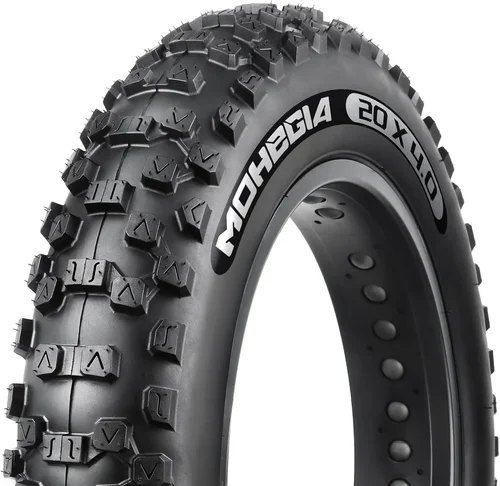
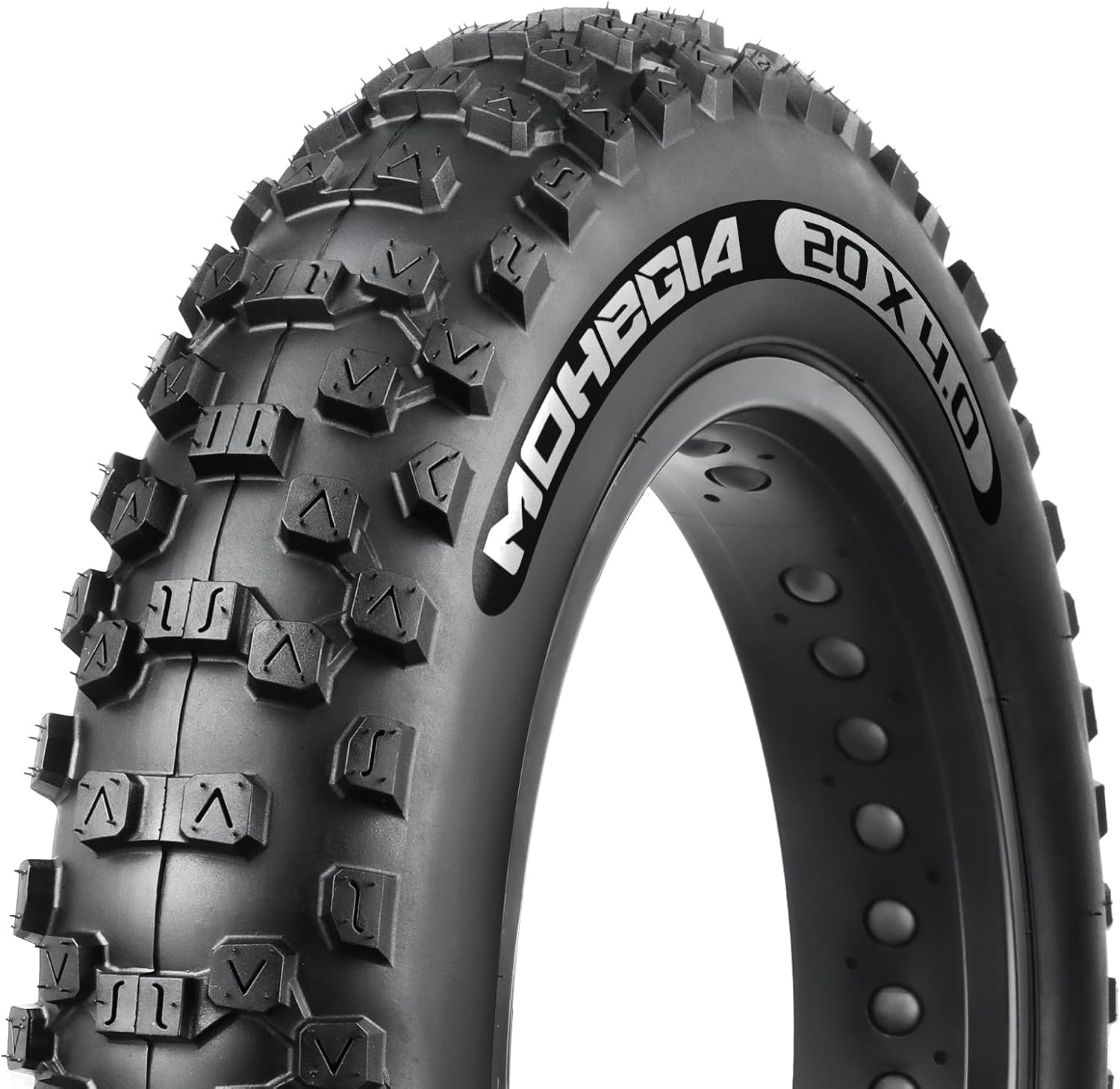
Tires affect comfort, grip, and rolling resistance. Chinese e-bikes typically use 20”, 24”, 26”, or 27.5” wheels with widths ranging from 2.0” to 4.0”. Wider tires (2.5”+) provide better stability and cushioning, ideal for off-road or rough pavement. Knobby tires are great for trails, while slick or semi-slick tires are better for city riding.
Suspension improves ride quality by absorbing shocks. Front suspension forks are standard on most mid-range and premium models. Full suspension (front and rear) is rare but available on high-end mountain e-bikes. For urban commuting, a front suspension fork with 80–100mm of travel is sufficient.
8. Warranty and Customer Support
Warranty and support are often overlooked but can save you hundreds in repair costs. Reputable Chinese brands typically offer 1–2 years of warranty on the frame, motor, and battery. Some, like Lectric and Heybike, provide 18–24 months of coverage. Check what’s included—batteries often have shorter warranties (6–12 months) due to wear and tear.
Customer support varies widely. Look for brands with responsive email or chat support, detailed FAQs, and active social media communities. Avoid brands with no contact information or poor reviews about after-sales service. Consider purchasing from retailers with return policies, such as Amazon or specialized e-bike stores.
Different Types of Chinese Ebikes

Common Buying Mistakes to Avoid
❌ Mistake: Focusing Only on Price
Why it’s bad: The cheapest e-bike often comes with poor components, weak motors, and unreliable batteries. You may end up spending more on repairs or replacements than if you’d bought a quality model upfront.
What to do instead: Set a realistic budget and prioritize value over the lowest price. Look for models with good reviews, solid warranties, and reputable components.
❌ Mistake: Ignoring Local Laws and Regulations
Why it’s bad: E-bike laws vary by country and region. In the U.S., Class 1 and 2 e-bikes are legal on most bike paths, but Class 3 (28 mph) may be restricted. In the EU, 250W motors with speed limiters are required.
What to do instead: Research your local regulations before buying. Ensure the bike complies with power, speed, and safety standards.
❌ Mistake: Overlooking Battery Quality
Why it’s bad: Low-quality batteries degrade quickly, lose range, and can be fire hazards. Some brands use recycled or uncertified cells to cut costs.
What to do instead: Choose batteries with known cell brands (Samsung, LG) and look for certifications like UL or CE. Avoid batteries with no brand or vague specifications.
❌ Mistake: Not Testing the Bike
Why it’s bad: E-bikes feel different from regular bikes. A model that looks great online might be uncomfortable, unbalanced, or poorly assembled.
What to do instead: If possible, test ride before buying. If purchasing online, choose retailers with generous return policies (30 days or more).
❌ Mistake: Choosing the Wrong Size
Why it’s bad: An ill-fitting bike causes discomfort, reduces control, and increases injury risk. E-bikes are heavy, so proper fit is crucial.
What to do instead: Check the manufacturer’s size chart. Consider standover height, reach, and seat adjustability. Step-through frames are better for shorter riders.
❌ Mistake: Ignoring After-Sales Support
Why it’s bad: If something breaks, you need reliable support. Some Chinese brands have no service network outside China.
What to do instead: Buy from brands with local service centers or strong online support. Check warranty terms and user forums for feedback.
❌ Mistake: Believing All Marketing Claims
Why it’s bad: Some brands exaggerate range, speed, or power. “Up to 100 miles” might be under ideal conditions with minimal assist.
What to do instead: Read independent reviews and real-world tests. Look for third-party verification of specs.
Budget Guidelines: How Much Should You Spend?
Entry-Level ($400 – $700): These bikes are ideal for casual riders or those on a tight budget. Expect basic components, 250W–500W motors, and 300–500Wh batteries. Range is typically 20–30 miles. Brands like Ancheer and Ecotric offer decent options, but build quality and support may be limited. Best for flat terrain and short commutes.
Mid-Range ($700 – $1,200): This is the sweet spot for most buyers. You’ll find better motors (500W–750W), higher-capacity batteries (500–750Wh), and improved components like hydraulic disc brakes and suspension. Brands like Heybike, Engwe, and Lectric excel here. Expect 30–50 miles of range and solid build quality.
Premium ($1,200 – $2,000): For enthusiasts and daily commuters who demand performance and reliability. These bikes feature high-end motors, 750Wh+ batteries, full suspension, and smart features. Look for brands like Fiido, Bafang-powered models, or limited-edition releases. Range can exceed 60 miles with efficient riding.
Luxury ($2,000+): Top-tier models with cutting-edge tech, premium materials, and exceptional craftsmanship. These include full-suspension mountain e-bikes, high-speed commuters, and custom builds. Expect advanced displays, regenerative braking, and extended warranties. Ideal for serious riders and professionals.

Expert Tips for Getting the Best Deal
1. Shop During Sales Events: Chinese brands often run promotions during Black Friday, Cyber Monday, Chinese New Year, and Amazon Prime Day. Sign up for newsletters to get early access to discounts.
2. Buy Direct from the Manufacturer: Many Chinese brands sell directly through their websites, offering lower prices and exclusive bundles. Just ensure they ship to your country and provide support.
3. Check Return and Warranty Policies: Look for at least a 30-day return window and a 1-year warranty. Some brands offer free returns or extended warranties for an extra fee.
4. Read Real User Reviews: Don’t rely solely on product descriptions. Check YouTube reviews, Reddit forums, and e-bike communities for honest feedback.
5. Consider Refurbished or Open-Box Models: These can save you 20–30% and often come with the same warranty as new bikes. Ensure they’re certified and inspected.
6. Test Ride When Possible: If you live near a retailer or pop-up event, take the bike for a spin. Pay attention to comfort, handling, and noise levels.
7. Upgrade Components Later: Start with a solid base model and upgrade tires, saddle, or lights over time. This spreads out costs and lets you customize to your needs.
8. Join Owner Communities: Online groups can provide troubleshooting tips, accessory recommendations, and even group discounts.

Frequently Asked Questions
Q: Are Chinese e-bikes reliable?
A: Yes, many Chinese e-bikes are highly reliable, especially from established brands like Lectric, Heybike, and Engwe. However, quality varies, so research specific models and read reviews. Look for brands with good warranties and customer support.
Q: Can I ride a Chinese e-bike in the rain?
A: Most Chinese e-bikes are water-resistant (IP54 or higher), meaning they can handle light rain and splashes. Avoid submerging the battery or motor. Dry the bike after wet rides and store it indoors.
Q: How long do Chinese e-bike batteries last?
A: A quality lithium-ion battery lasts 500–1000 charge cycles, or about 2–4 years with regular use. Proper care—avoiding extreme temperatures and not draining to 0%—can extend lifespan.
Q: Do I need a license to ride a Chinese e-bike?
A: In most countries, no license is required for Class 1 and 2 e-bikes (pedal-assist up to 20 mph). Class 3 bikes (28 mph) may require registration or insurance in some regions. Check local laws.
Q: Can I upgrade the battery on a Chinese e-bike?
A: Some brands offer compatible upgrade batteries, but not all. Check compatibility with the manufacturer. Upgrading may void the warranty.
Q: Are Chinese e-bikes safe?
A: When purchased from reputable brands and used responsibly, yes. Look for certifications like CE, UL, or EN 15194. Avoid counterfeit or uncertified models.
Q: How fast do Chinese e-bikes go?
A: Most are limited to 20 mph (32 km/h) for pedal-assist, but some can reach 28 mph (45 km/h) or higher in “off-road” mode. Speed depends on motor power and local regulations.
Q: What’s the difference between pedal-assist and throttle?
A: Pedal-assist (PAS) provides power only when you pedal, while throttle lets you ride without pedaling. Both are common on Chinese e-bikes, but throttle use may be restricted in some areas.
Q: Can I take a Chinese e-bike on a plane?
A: Most airlines prohibit lithium batteries over 100Wh in checked luggage. Removable batteries under 160Wh may be allowed in carry-on with approval. Check airline policies.
Q: How do I maintain my Chinese e-bike?
A: Regular maintenance includes cleaning, checking tire pressure, lubricating the chain, and inspecting brakes. Store the battery at 50–80% charge if not used for long periods.
Our Final Recommendations
Best for Budget-Conscious Buyers: Heybike Cityscape – A reliable commuter e-bike with a 500W motor, 48V 12.5Ah battery, and step-through frame. Priced under $700, it offers excellent value for city riding.
Best Overall Value: Lectric XP 3.0 – A versatile folding fat-tire e-bike with a 500W motor, 48V 13Ah battery, and hydraulic disc brakes. At around $999, it’s a top performer in its class.
Best Premium Option: Fiido D11 Pro – A sleek, high-performance folding e-bike with a 750W motor, 48V 15Ah battery, and full suspension. Ideal for tech-savvy riders who want power and portability.
Best for Beginners: Engwe Engine Pro – Easy to assemble, user-friendly, and packed with features like a color display and app connectivity. Great for first-time e-bike owners.
Best for Advanced Users: Bafang-powered Full-Suspension MTB – For off-road enthusiasts, these custom builds offer 1000W motors, 72V batteries, and rugged frames. Expect to pay $2,000+.
Conclusion: Making the Right Choice
Choosing the best Chinese e-bike doesn’t have to be overwhelming. By focusing on key factors like motor power, battery capacity, build quality, and after-sales support, you can narrow down your options and find a bike that truly meets your needs. Remember, the “best” e-bike is the one that fits your lifestyle, budget, and riding goals—not necessarily the most expensive or feature-packed model.
Take your time, do your research, and don’t rush into a purchase. Read reviews, compare specs, and consider your long-term needs. Whether you’re commuting to work, exploring trails, or simply enjoying the freedom of electric mobility, a well-chosen Chinese e-bike can transform your daily routine.
Ready to make the switch? Start by identifying your priorities—range, portability, power, or price—and use this guide as your roadmap. With the right information and a clear plan, you’ll be riding confidently in no time. Happy cycling!