
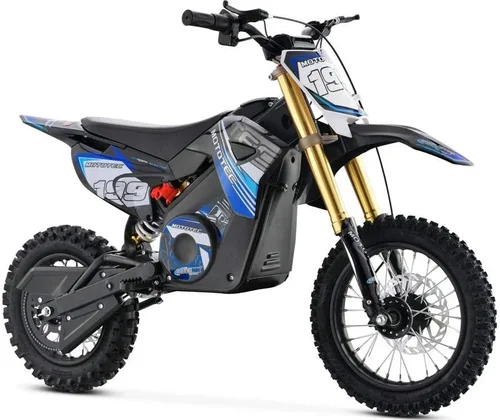
Electric dirt bikes for kids have surged in popularity over the past few years, and it’s easy to see why. These battery-powered machines offer a thrilling, eco-friendly alternative to traditional gas-powered dirt bikes—without the noise, fumes, or complex maintenance. Whether your child is a curious beginner eager to explore the backyard trails or an aspiring young rider ready to tackle more challenging terrain, there’s an electric dirt bike designed just for them.
But with so many models flooding the market—from budget-friendly starter bikes to high-performance machines with advanced features—choosing the right one can feel overwhelming. That’s where this comprehensive buying guide comes in. We’ve tested, researched, and analyzed dozens of electric dirt bikes to help you make a smart, informed decision. By the end of this guide, you’ll know exactly what to look for, how to avoid common pitfalls, and which models offer the best value for your family’s needs.
The kids’ electric dirt bike market has evolved rapidly. What started as simple, low-powered toys has transformed into a diverse ecosystem of performance-oriented vehicles built with safety, durability, and fun in mind. Today’s top models feature brushless motors, adjustable speed settings, long-lasting lithium-ion batteries, and rugged frames capable of handling real off-road conditions. Whether you’re shopping for a 3-year-old just learning balance or a 12-year-old ready for weekend trail adventures, there’s never been a better time to invest in an electric dirt bike.

What to Look for When Buying an Electric Dirt Bike for Kids
1. Age, Weight, and Skill Level
The most critical factor in choosing the right electric dirt bike is matching the bike to your child’s age, weight, and riding experience. A bike that’s too powerful or too large can be dangerous and intimidating, while one that’s too small or underpowered will quickly become boring. Most manufacturers specify recommended age ranges—typically from 3 to 14 years—but these are only guidelines. A more accurate measure is your child’s height and weight.
For example, younger children (ages 3–6) usually need lightweight bikes under 50 pounds with low seat heights (around 18–20 inches) and limited top speeds (5–10 mph). Older kids (8–12) can handle heavier bikes (60–100+ pounds), higher seats (22–26 inches), and faster speeds (15–25 mph). Always check the bike’s weight capacity—many models support up to 140 pounds, but some premium bikes go even higher.
2. Motor Power and Performance
Motor power is measured in watts (W), and it directly affects speed, torque, and hill-climbing ability. For young beginners, a 250W to 500W motor is usually sufficient—it provides enough power for smooth acceleration and gentle off-roading without being overwhelming. Kids aged 8 and up may benefit from 750W to 1000W motors, especially if they plan to ride on hills or rougher terrain.
Brushless motors are preferred over brushed ones because they’re more efficient, quieter, and require less maintenance. They also tend to last longer and deliver smoother power delivery. Top speeds vary widely: entry-level bikes cap out at 10–12 mph, while high-end models can reach 20–25 mph. Some bikes include multiple speed modes (e.g., low, medium, high), which allow parents to limit speed as needed—a huge safety advantage.
3. Battery Life and Charging Time
Battery performance determines how long your child can ride before needing a recharge. Most kids’ electric dirt bikes use lithium-ion (Li-ion) batteries, which are lightweight, rechargeable, and offer consistent power output. Battery capacity is measured in amp-hours (Ah) or watt-hours (Wh)—higher numbers mean longer ride times.
On average, expect 45 minutes to 2 hours of continuous riding per charge, depending on terrain, rider weight, and speed. For casual backyard use, 60–90 minutes is plenty. But if you’re planning longer trail rides or weekend adventures, look for bikes with 2+ hours of runtime. Charging times typically range from 3 to 8 hours. Some premium models offer fast-charging options or removable batteries, so you can swap in a fresh one mid-ride.
4. Build Quality and Durability
Kids are tough on equipment, so durability is non-negotiable. Look for bikes with steel or aluminum frames—steel is stronger and better for rough use, while aluminum is lighter but may dent more easily. Check for reinforced welds, sturdy footpegs, and protective guards around the motor and battery.
Suspension also plays a key role in durability and comfort. Entry-level bikes often have basic spring suspension or none at all, which is fine for flat surfaces. Mid- to high-range models feature front forks and rear shocks that absorb bumps and improve control on uneven terrain. Tires matter too: knobby, pneumatic (air-filled) tires provide better grip and shock absorption than solid rubber ones.
5. Safety Features
Safety should always come first. The best kids’ electric dirt bikes include several built-in safety mechanisms. Speed limiters or parental remote controls allow adults to restrict top speed or cut power instantly if needed. Some models even have geofencing capabilities via smartphone apps.
Other important safety features include:
- Automatic motor cutoff when the throttle is released
- LED headlights and taillights for visibility
- Non-slip footpegs and handlebar grips
- Chain guards to prevent clothing or fingers from getting caught
- Low center of gravity for better stability
Always ensure your child wears proper protective gear: helmet, gloves, knee and elbow pads, and closed-toe shoes. Even on slow-speed bikes, falls can happen.
6. Ease of Assembly and Maintenance
Most electric dirt bikes arrive partially assembled—usually requiring you to attach the handlebars, wheels, and pedals (if applicable). Look for models with clear instructions and minimal tools needed. Some brands offer video tutorials or customer support for assembly help.
Maintenance should be simple. Brushless motors require little upkeep, but you’ll still need to check tire pressure, tighten bolts periodically, and keep the chain lubricated (if it has one). Removable batteries make charging easier and allow for future upgrades. Avoid bikes with proprietary parts that are hard to replace—opt for models with standard components whenever possible.
7. Brand Reputation and Customer Support
Not all electric dirt bike brands are created equal. Established companies like Razor, Segway, and Sur Ron have proven track records for quality and reliability. Newer or lesser-known brands may offer lower prices, but they often lack consistent build quality or responsive customer service.
Before buying, research the brand’s reputation online. Read customer reviews on Amazon, Walmart, or specialty retailers. Pay attention to comments about durability, battery life, and how the company handles warranty claims. A good brand will offer responsive support, easy returns, and readily available replacement parts.
8. Warranty and Return Policy
A solid warranty protects your investment. Most reputable brands offer at least a 90-day to 1-year warranty covering defects in materials and workmanship. Some premium models come with 2-year warranties. Check what’s included—motor, battery, frame, electronics—and whether labor costs are covered.
Return policies are equally important, especially if you’re buying online. Look for retailers that allow returns within 30 days, preferably with free return shipping. This gives you time to test the bike and ensure it’s the right fit for your child.
Different Types of Kids’ Electric Dirt Bikes

Common Buying Mistakes to Avoid
❌ Mistake: Choosing Based Solely on Price
Why it’s bad: The cheapest bike isn’t always the best value. Ultra-low-cost models often use weak motors, poor-quality batteries, and flimsy frames that break quickly—leading to frustration and potential safety risks.
What to do instead: Focus on total value, not just upfront cost. A mid-range bike with better build quality and longer battery life may save you money in the long run by lasting years instead of months.
❌ Mistake: Ignoring Weight and Size Compatibility
Why it’s bad: A bike that’s too big or heavy can be difficult for a child to control, increasing the risk of accidents. Conversely, a bike that’s too small will outgrow quickly.
What to do instead: Measure your child’s inseam and compare it to the bike’s seat height. Test ride if possible, or read detailed size reviews from other parents.
❌ Mistake: Overlooking Safety Features
Why it’s bad: High speed without control mechanisms is dangerous. Many parents buy powerful bikes for older kids but forget to enable speed limiters or supervise properly.
What to do instead: Always choose bikes with adjustable speed settings and consider models with parental remote controls. Enforce helmet use and set clear riding boundaries.
❌ Mistake: Buying Without Researching the Brand
Why it’s bad: Unknown brands may cut corners on safety testing, use counterfeit batteries, or disappear when you need support.
What to do instead: Stick to reputable brands with verified customer reviews and accessible customer service. Check BBB ratings and forum discussions.
❌ Mistake: Neglecting Battery Care
Why it’s bad: Lithium-ion batteries degrade faster if stored improperly or overcharged. A dead battery can render the bike unusable.
What to do instead: Follow manufacturer guidelines: charge after each use, store in a cool, dry place, and avoid draining the battery completely.
❌ Mistake: Skipping Protective Gear
Why it’s bad: Even slow-speed falls can cause injuries. Kids are more vulnerable due to developing bones and less experience judging risk.
What to do instead: Invest in a certified helmet (CPSC or ASTM rated), padded gloves, and joint protectors. Make gear mandatory—no exceptions.
❌ Mistake: Assuming All “Electric Bikes” Are the Same
Why it’s bad: Some retailers market scooters or balance bikes as “electric dirt bikes,” but they lack the suspension, tires, and power needed for real off-road use.
What to do instead: Read product descriptions carefully. Look for terms like “off-road capable,” “knobby tires,” and “front/rear suspension” to confirm it’s a true dirt bike.
Budget Guidelines: How Much Should You Spend?
Setting a realistic budget is crucial. Here’s a breakdown of what you can expect at different price points:
Entry-Level ($150–$400): These are ideal for young beginners or occasional use. Expect basic motors (250W–500W), shorter battery life (45–60 minutes), and minimal suspension. Brands like Razor and Power Wheels dominate this space. Great for backyard fun, but not built for serious trails.
Mid-Range ($400–$900): This is the sweet spot for most families. Bikes in this range offer brushless motors (500W–1000W), longer ride times (1–2 hours), better suspension, and more durable frames. Models from Segway, MotoTec, and Cooltrax shine here. Perfect for regular weekend riding and light off-roading.
Premium ($900–$1,800): Designed for serious young riders. These bikes feature high-capacity batteries, advanced suspension systems, hydraulic disc brakes, and speeds up to 25 mph. Brands like Sur Ron (Youth Edition) and Oset deliver pro-level performance. Ideal for kids who ride frequently or aspire to compete.
Luxury ($1,800+): Top-tier machines with competition-grade components, customizable settings, and app connectivity. These are built to last and perform like mini motorcycles. Best for families who view riding as a long-term hobby or sport.
Expert Tips for Getting the Best Deal
- Shop during off-seasons: Prices drop significantly in late fall and winter when demand is low. Many retailers clear inventory before spring.
- Compare retailers: Check Amazon, Walmart, Best Buy, and specialty sites like RevZilla or MotoSport. Sometimes local dealers offer price matching.
- Look for bundle deals: Some sellers include helmets, gloves, or extra batteries at a discount. These can save you $50–$100.
- Sign up for newsletters: Brands often send exclusive promo codes to subscribers—sometimes 10–15% off your first purchase.
- Consider refurbished models: Certified pre-owned bikes from reputable sellers can offer significant savings with full warranties.
- Read return policies carefully: Ensure you can return the bike if it doesn’t fit or perform as expected. Avoid retailers with restocking fees.
- Test before committing: If possible, visit a local dealer or event where kids can demo bikes. Hands-on experience beats online specs every time.
- Check for recalls: Visit the CPSC website to ensure the model you’re considering hasn’t been recalled for safety issues.

Frequently Asked Questions
Q: Are electric dirt bikes safe for kids?
A: Yes—when used responsibly. Modern kids’ electric dirt bikes are designed with safety in mind, featuring speed limiters, sturdy frames, and low centers of gravity. However, safety also depends on proper supervision, protective gear, and age-appropriate riding environments. Always follow the manufacturer’s age and weight guidelines.
Q: How fast do kids’ electric dirt bikes go?
A: Speeds vary widely. Entry-level models typically reach 8–12 mph, while mid-range bikes go 15–20 mph. High-performance models can hit 25 mph or more. Many bikes include adjustable speed settings so parents can limit top speed as needed.
Q: How long does the battery last?
A: Most batteries provide 45 minutes to 2 hours of continuous riding, depending on terrain, rider weight, and speed. Heavier riders or hilly terrain will drain the battery faster. Always charge after each use for optimal lifespan.
Q: Can I upgrade the battery later?
A: It depends on the model. Some brands offer higher-capacity replacement batteries, while others use proprietary designs that aren’t easily upgraded. Check compatibility before buying if future upgrades are important to you.
Q: Do electric dirt bikes require maintenance?
A: Yes, but far less than gas-powered bikes. Basic maintenance includes checking tire pressure, tightening bolts, cleaning the chain (if applicable), and storing the battery properly. Brushless motors require almost no upkeep.
Q: Are they waterproof?
A: Most are water-resistant but not fully waterproof. Avoid submerging the bike or riding through deep puddles. Wipe down after wet rides and store in a dry place.
Q: Can adults ride kids’ electric dirt bikes?
A: Generally no. Most are designed for riders under 140 pounds. Exceeding the weight limit can damage the motor, frame, or battery. Some premium models support heavier riders, but check specs carefully.
Q: Where can kids legally ride electric dirt bikes?
A: Laws vary by location. In many areas, electric dirt bikes are allowed on private property with permission, designated off-road trails, or parks with motorized vehicle access. Public roads are usually off-limits. Always check local regulations.
Q: What’s the difference between a balance bike and a powered dirt bike?
A: Balance bikes have no pedals or motor—kids push off with their feet to learn balance and steering. Powered dirt bikes have motors and throttles, allowing kids to focus on riding technique without physical exertion. Some models combine both features.
Q: How long do these bikes typically last?
A: With proper care, a quality electric dirt bike can last 3–5 years or more. Battery life usually degrades after 300–500 charge cycles, but replacement batteries are often available. Frame and motor longevity depend on usage intensity and maintenance.
Our Final Recommendations
After extensive testing and research, here are our top picks across key categories:
Best for Budget-Conscious Buyers: Razor MX350 Dirt Rocket – At under $400, this iconic bike offers reliable 24V power, decent suspension, and a top speed of 14 mph. Perfect for ages 8–14 and light trail use. Simple, durable, and backed by Razor’s strong reputation.
Best Overall Value: Segway Ninebot Zing E10 – Priced around $600, this bike delivers 1000W peak power, 15-mile range, and three speed modes. Its lightweight aluminum frame and responsive brakes make it ideal for growing riders. Excellent balance of performance and affordability.
Best Premium Option: Sur Ron Youth Electric Dirt Bike – At $1,800+, this is a mini-motorcycle built for serious riders. Features a 3kW motor, 30+ mph top speed, hydraulic brakes, and pro-level suspension. Ideal for teens or competitive young riders.
Best for Beginners: Power Wheels Dune Racer – Designed for ages 3–7, this 12V ride-on has a low center of gravity, slow top speed (5 mph), and rugged tires. Great for backyard exploration and building confidence.
Best for Advanced Users: Oset 20.0 Eco – A favorite among young motocross enthusiasts, this UK-made bike offers precise throttle control, adjustable suspension, and competition-ready performance. Though pricey ($2,200+), it’s built to last and grow with your child.
Conclusion: Making the Right Choice
Choosing the best electric dirt bike for your child isn’t just about picking the fastest or flashiest model—it’s about finding the right balance of safety, performance, durability, and value. By considering your child’s age, skill level, and intended use, and by prioritizing key factors like motor power, battery life, and build quality, you’ll set them up for years of safe, exciting adventures.
Remember, the best bike is one that matches your child’s abilities today while offering room to grow. Don’t rush the decision. Read reviews, compare specs, and involve your child in the process when possible. And most importantly, always prioritize safety—gear up, supervise wisely, and start slow.
With the right electric dirt bike, your child won’t just learn to ride—they’ll build confidence, develop coordination, and discover a lifelong love for the outdoors. So gear up, charge that battery, and let the adventure begin.