
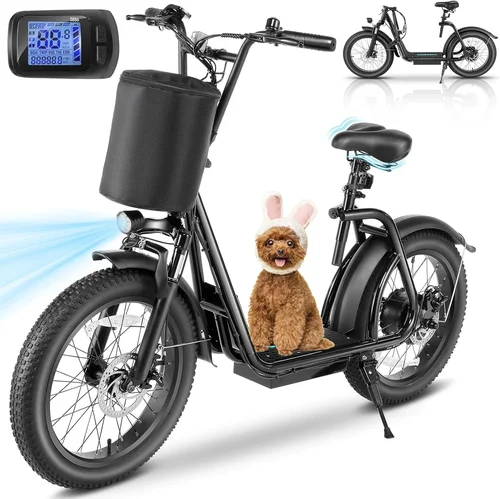
Electric bikes have revolutionized the way we think about cycling—blending human power with electric assistance to deliver speed, efficiency, and pure riding enjoyment. Among the fastest-growing segments in the e-bike market, sport ebikes stand out as high-performance machines designed for riders who crave speed, agility, and an adrenaline-pumping experience. Whether you’re commuting through city streets at breakneck speeds, tackling challenging mountain trails, or simply enjoying weekend rides with a boost, a sport ebike can transform your ride into something truly exhilarating.
But with so many models flooding the market—each boasting different motors, batteries, frame materials, and tech features—choosing the right one can feel overwhelming. That’s where this guide comes in. We’ve spent months researching, testing, and analyzing the top sport ebikes of 2025 to bring you a comprehensive, expert-level buying guide that cuts through the noise. You’ll learn exactly what to look for, how to avoid common pitfalls, and which models deliver the best value for your needs and budget.
From understanding motor power and battery range to comparing frame designs and braking systems, this guide covers every critical factor you need to make an informed decision. Whether you’re a seasoned cyclist looking to upgrade or a newcomer curious about electric-assisted performance, we’ll walk you through everything step by step. By the end, you’ll know not only what makes a great sport ebike but also how to find one that fits your lifestyle, terrain, and riding goals.

What to Look for When Buying a Sport Ebike
1. Motor Type and Power Output
The motor is the heart of any sport ebike—it determines how much assistance you get, how quickly you accelerate, and how well the bike handles hills or headwinds. Most modern sport ebikes use either mid-drive or hub motors, each with distinct advantages.
Mid-drive motors are mounted near the bike’s bottom bracket and work directly with the drivetrain. This setup offers superior weight distribution, better balance, and more natural pedal feel—especially important when climbing steep inclines or navigating technical terrain. They’re commonly found on higher-end models and are favored by performance-oriented riders. Brands like Bosch, Shimano, and Brose dominate this space with motors ranging from 250W to 750W (and even higher in off-road legal markets).
Hub motors, on the other hand, are integrated into the front or rear wheel. Rear hub motors are more common on sport ebikes because they provide strong torque and direct drive, making them ideal for flat-road speed and urban commuting. While they can feel slightly less natural than mid-drives, advancements in torque sensing and responsiveness have narrowed the gap significantly.
Power output is measured in watts (W), and while many countries cap e-bike motors at 250W–750W for legal compliance, sport models often push toward the upper limit. A 500W–750W motor is typical for sport ebikes and provides ample power for sustained speeds of 20–28 mph (32–45 km/h), depending on local regulations. Look for motors with high torque ratings (measured in Newton-meters, or Nm)—60Nm or higher is excellent for sport use, offering quick acceleration and hill-climbing ability.
2. Battery Capacity and Range
Battery life is arguably the most critical factor for long-distance or high-performance riding. A sport ebike’s battery determines how far you can go before needing a recharge—and how much power it can deliver during intense efforts like sprinting or climbing.
Battery capacity is measured in watt-hours (Wh), which reflects the total energy stored. Higher Wh means longer range. For sport ebikes, expect batteries ranging from 400Wh to 700Wh+. A 500Wh battery is a solid baseline, offering 30–60 miles (48–96 km) of range depending on terrain, rider weight, assist level, and riding style. Aggressive riders using high assist modes on hilly routes may see range drop to 25 miles, while conservative use on flat roads can extend it beyond 70 miles.
Look for lithium-ion (Li-ion) batteries from reputable manufacturers like Samsung, LG, or Panasonic. These offer better energy density, longer lifespan (typically 500–1,000 charge cycles), and more consistent performance than older battery chemistries. Removable batteries are a major plus—they allow you to charge indoors, swap in a spare, or replace the battery easily when it eventually degrades.
Battery placement also matters. Integrated batteries (built into the downtube) offer a sleek, aerodynamic look and better weight distribution. External or rear rack batteries are easier to remove but can affect handling. Some high-end models even feature dual-battery systems for extended range—ideal for endurance riders or multi-day adventures.
3. Frame Material and Geometry
The frame is the foundation of your sport ebike’s performance, affecting everything from weight and stiffness to ride comfort and durability. Most sport ebikes use aluminum or carbon fiber frames, each with distinct trade-offs.
Aluminum is the most common choice due to its strength-to-weight ratio, affordability, and corrosion resistance. Modern hydroformed aluminum frames are lightweight (typically 4–6 lbs for the frame alone) and can be shaped for optimal aerodynamics and stiffness. They’re ideal for riders who want a responsive, agile ride without breaking the bank.
Carbon fiber frames are lighter (often under 4 lbs) and offer superior vibration damping, making them more comfortable on rough roads. They’re also stiffer, which translates to better power transfer—especially important when sprinting or climbing. However, carbon is significantly more expensive and can be more susceptible to impact damage (like drops or crashes).
Geometry plays an equally important role. Sport ebikes typically feature aggressive, performance-oriented geometry: shorter wheelbases, steeper head tube angles, and lower handlebars. This setup enhances cornering precision, acceleration, and overall responsiveness. However, it may sacrifice some comfort on long rides. If you plan to ride for hours, consider models with slightly more relaxed geometry or adjustable stems.
Pay attention to frame size and fit. A properly sized bike ensures efficient pedaling, reduces strain, and improves control. Most brands offer size charts based on rider height, but test rides are invaluable—especially for sport models where handling is critical.
4. Drivetrain and Gearing
The drivetrain determines how smoothly and efficiently you can shift gears, which is crucial for maintaining momentum and optimizing motor assistance. Sport ebikes often come with high-quality derailleur systems from brands like Shimano, SRAM, or Campagnolo.
Look for at least a 9-speed drivetrain, though 11-speed and 12-speed systems are increasingly common on mid-to-high-end models. More gears provide finer cadence control, allowing you to find the perfect ratio for any terrain—whether you’re cruising on flat roads or grinding up a steep hill. A wide-range cassette (e.g., 11–51T) is especially useful for sport ebikes, offering both high-speed top-end and low-gear climbing ability.
Some sport ebikes now feature belt drives instead of traditional chains. Belt drives are cleaner, quieter, and require less maintenance—no lubrication or frequent cleaning needed. They’re often paired with internal gear hubs (like the Shimano Alfine or Gates Carbon Drive), which are sealed and protected from dirt and weather. While belt drives add a bit of weight and cost, they’re ideal for urban riders who prioritize low maintenance.
Electronic shifting is another premium feature found on top-tier models. Systems like Shimano Di2 or SRAM eTap allow precise, lightning-fast shifts with the push of a button—no cable tension adjustments needed. While not essential, electronic shifting enhances the sport riding experience with seamless gear changes under load.
5. Braking System
With speeds often exceeding 25 mph, reliable braking is non-negotiable on a sport ebike. Disc brakes are standard on all modern sport models, but not all disc brakes are created equal.
Hydraulic disc brakes are the gold standard. They offer superior stopping power, consistent performance in wet or muddy conditions, and require less hand effort than mechanical (cable-actuated) systems. Look for 4-piston calipers and 180–203mm rotors for maximum braking force—especially if you ride in hilly areas or carry heavy loads.
Mechanical disc brakes are cheaper and easier to maintain but lack the modulation and power of hydraulic systems. They’re acceptable on entry-level models but not recommended for aggressive riding.
Some high-end sport ebikes now feature regenerative braking, which recovers a small amount of energy during deceleration to recharge the battery. While the energy gain is minimal (typically 5–10% range extension), it’s a nice efficiency boost for eco-conscious riders.
Always test the brakes during a demo ride. Squeeze the levers firmly—they should engage smoothly without excessive travel. Listen for squealing or grinding, which could indicate poor alignment or worn pads.
6. Suspension and Ride Comfort
While many sport ebikes are designed for paved roads and prioritize stiffness over comfort, suspension can make a big difference—especially if you ride on rough surfaces or mixed terrain.
Front suspension forks are common on sport ebikes, offering 80–120mm of travel to absorb bumps and improve control. Look for air-sprung forks (like RockShox or Fox) for adjustable stiffness and lighter weight. Coil forks are cheaper but heavier and less tunable.
Full-suspension sport ebikes exist but are rarer and typically reserved for high-end mountain or trail-oriented models. They add weight and complexity but provide superior traction and comfort on technical trails. For road-focused sport riding, a rigid fork or short-travel suspension is usually sufficient.
Even without suspension, frame design and tire choice can enhance comfort. Wider tires (2.0”–2.4”) with lower pressure absorb vibrations better than narrow road tires. Some brands integrate seatpost suspension or elastomer dampers into the frame for added compliance.
If you plan to ride long distances or on uneven pavement, prioritize comfort features. A well-padded saddle, ergonomic grips, and a slightly upright riding position can reduce fatigue and improve endurance.
7. Weight and Portability
Sport ebikes are inherently heavier than traditional bikes due to the motor, battery, and reinforced frame. However, weight distribution and total mass still impact handling, acceleration, and ease of transport.
Most sport ebikes weigh between 45 and 65 pounds (20–30 kg). Lighter models (under 50 lbs) are easier to maneuver, accelerate faster, and are more practical for carrying upstairs or loading onto racks. Carbon fiber frames and compact batteries help reduce weight, but they come at a premium.
Consider how you’ll transport or store the bike. If you need to lift it frequently, look for models with integrated handles or step-through frames. Folding sport ebikes exist but are rare and often compromise on performance due to smaller wheels and frames.
Weight distribution is just as important as total weight. A well-balanced bike with the battery low and centered will feel more stable and responsive, especially during high-speed turns or sudden stops.
8. Smart Features and Connectivity
Modern sport ebikes are increasingly equipped with smart technology that enhances safety, performance, and convenience. These features can elevate your riding experience—if they’re well-integrated and useful.
Integrated displays show real-time data like speed, battery level, distance, and assist mode. Color touchscreens (like those from Bosch or Garmin) offer better visibility and navigation, while simpler LED displays are more durable and energy-efficient.
Bluetooth and app connectivity allow you to customize settings, track rides, and receive firmware updates. Some apps even offer route planning, theft tracking, and performance analytics. Look for brands with robust ecosystems—like Specialized’s Mission Control or Trek’s Bosch app.
Additional smart features include automatic lights (which turn on in low light), GPS tracking, anti-theft alarms, and smartphone integration. While not essential, these can add significant value—especially for commuters or riders in urban areas.
Be cautious of overloaded tech. Some bikes come with unnecessary gimmicks that drain battery life or complicate the interface. Focus on features that genuinely improve your ride.
Different Types of Sport Ebikes

Common Buying Mistakes to Avoid
❌ Mistake: Prioritizing Price Over Performance
Why it’s bad: Choosing the cheapest sport ebike often means compromising on motor quality, battery life, and build durability. Low-cost models may use underpowered motors, weak brakes, or poorly integrated components that lead to frequent repairs and a disappointing ride experience.
What to do instead: Set a realistic budget based on your riding needs. A $2,000–$3,000 mid-range sport ebike often delivers better long-term value than a $1,200 entry-level model. Invest in quality components—especially the motor, battery, and brakes—since these are costly to upgrade later.
❌ Mistake: Ignoring Local E-Bike Laws
Why it’s bad: Riding an illegal e-bike can result in fines, confiscation, or even accidents due to mismatched speed and road use. Some sport ebikes exceed local speed or power limits, making them unsuitable for public roads or bike lanes.
What to do instead: Research your country’s or state’s e-bike regulations before buying. In the U.S., Class 1, 2, and 3 e-bikes are defined by speed and throttle use. In Europe, EN 15194 standards apply. Choose a model that complies with local laws to ensure safe, legal riding.
❌ Mistake: Overlooking Test Rides
Why it’s bad: Buying online without testing can lead to poor fit, uncomfortable geometry, or handling issues. Sport ebikes are performance machines—small differences in weight distribution or responsiveness can drastically affect the ride.
What to do instead: Always test ride before purchasing. Visit local dealers, attend demo events, or use brands that offer trial periods. Pay attention to how the bike feels during acceleration, cornering, and braking.
❌ Mistake: Neglecting Maintenance Requirements
Why it’s bad: Sport ebikes endure more stress than casual e-bikes. Neglecting maintenance—like brake checks, chain lubrication, or battery care—can lead to component failure, reduced range, or safety hazards.
What to do instead: Learn basic maintenance or find a reliable bike shop. Follow the manufacturer’s service schedule. Keep the battery charged between 20% and 80% for longevity, and store it in a cool, dry place.
❌ Mistake: Choosing the Wrong Size
Why it’s bad: An ill-fitting bike causes discomfort, inefficient pedaling, and reduced control—especially dangerous at high speeds. Riders often choose based on height alone, ignoring reach, stack, and standover height.
What to do instead: Use detailed size charts and consult with experts. If possible, get professionally fitted. A properly sized sport ebike improves performance, safety, and enjoyment.
❌ Mistake: Focusing Only on Range Claims
Why it’s bad: Manufacturers often advertise maximum range under ideal conditions (flat terrain, low assist, light rider). Real-world range is usually 30–50% lower, especially with aggressive riding.
What to do instead: Take range estimates with a grain of salt. Look for reviews with real-world testing. Choose a battery with at least 20–30% more capacity than your expected needs to account for variables.
❌ Mistake: Ignoring Warranty and Support
Why it’s bad: E-bike components are complex and expensive to repair. A weak warranty or poor customer support can leave you stranded with a broken bike and high repair bills.
What to do instead: Choose brands with strong warranties (at least 2 years on the frame, 1–2 years on motor/battery). Check online reviews for customer service experiences. Local dealer support is a major advantage.
Budget Guidelines: How Much Should You Spend?
Sport ebikes vary widely in price, and your budget should align with your riding goals, frequency, and performance expectations. Here’s a breakdown of what to expect at each tier:
Entry-Level ($1,200 – $2,200): These models are ideal for casual riders or those new to e-bikes. Expect basic hub motors (250W–500W), smaller batteries (400Wh–500Wh), and aluminum frames. Components like brakes and drivetrains are functional but not high-performance. Range is typically 25–40 miles. Great for city commuting or weekend rides, but may struggle on hills or long distances.
Mid-Range ($2,200 – $4,000): This is the sweet spot for most sport ebike buyers. You’ll find mid-drive or high-quality hub motors (500W–750W), larger batteries (500Wh–625Wh), and better components like hydraulic disc brakes and 10–11 speed drivetrains. Frame quality improves, and many models include smart features like app connectivity and integrated lights. Range: 40–70 miles. Perfect for serious commuters, fitness riders, and weekend adventurers.
Premium ($4,000 – $7,000): Designed for enthusiasts and performance-focused riders. Expect top-tier motors (Bosch Performance Line, Shimano EP8), carbon or high-end aluminum frames, advanced suspension, and electronic shifting. Batteries are often 625Wh–750Wh with fast-charging capability. Smart tech, aerodynamic design, and premium finishes are common. Range: 60–100+ miles. Ideal for long-distance touring, competitive riding, or technical terrain.
Luxury ($7,000+): These are the Ferraris of the e-bike world. Hand-built frames, custom components, dual batteries, and cutting-edge tech define this tier. Brands like Riese & Müller, Stromer, or custom builders offer bespoke options. Weight is minimized, and every detail is optimized for performance and comfort. Range can exceed 120 miles with dual batteries. Best for collectors, professionals, or those who demand the absolute best.

Expert Tips for Getting the Best Deal
- Buy During Off-Season: Late fall and winter are the best times to find discounts. Retailers clear inventory for new models, and demand is lower. Look for holiday sales (Black Friday, Cyber Monday) or end-of-year promotions.
- Shop at Local Dealers: While online prices may seem lower, local shops offer test rides, expert advice, assembly, and ongoing support. Many also price-match online retailers.
- Check for Demo or Returned Models: Some shops sell demo bikes at 10–20% off. These are often in excellent condition and come with full warranties.
- Negotiate Accessories: Ask for free or discounted add-ons like helmets, locks, lights, or racks. Dealers often bundle these to close a sale.
- Consider Certified Pre-Owned: Reputable brands like Trek, Specialized, or Giant offer certified used e-bikes with warranties. These can save you hundreds while ensuring quality.
- Read the Fine Print on Warranties: Understand what’s covered (motor, battery, frame) and for how long. Some brands prorate battery coverage, meaning you pay more as it ages.
- Test Before You Buy: Never skip a test ride. Pay attention to motor responsiveness, braking feel, and overall comfort. If a shop won’t let you ride it, walk away.
- Join Online Communities: Forums like Reddit’s r/ebikes or Facebook groups offer real-user insights, deal alerts, and buying advice from experienced riders.

Frequently Asked Questions
Q: How fast can a sport ebike go?
A: Most sport ebikes are limited to 20 mph (32 km/h) or 28 mph (45 km/h) depending on local laws. Class 3 models in the U.S. can reach 28 mph with pedal assist. Some off-road or unlocked models can go faster, but this may violate regulations.
Q: Do I need a license to ride a sport ebike?
A: In most countries, no license is required for e-bikes under legal power and speed limits. However, some regions require registration or insurance for higher-powered models. Always check local laws.
Q: How long does the battery last?
A: A quality e-bike battery lasts 500–1,000 charge cycles, or roughly 3–5 years with regular use. Proper care (avoiding full discharges, storing at 20–80% charge) can extend lifespan.
Q: Can I ride a sport ebike in the rain?
A: Yes, most sport ebikes are water-resistant (IP65 or higher). Avoid submerging the battery or motor, and dry the bike after wet rides to prevent corrosion.
Q: Are sport ebikes good for commuting?
A: Absolutely. Their speed, range, and comfort make them excellent for urban commuting. Look for models with lights, fenders, and racks for practicality.
Q: How often should I service my sport ebike?
A: Basic maintenance (tire pressure, chain lubrication) should be done monthly. Full service (brakes, drivetrain, motor check) is recommended every 6–12 months or 1,000 miles.
Q: Can I upgrade components later?
A: Some components like tires, saddles, or lights are easy to upgrade. However, motors, batteries, and drivetrains are often integrated and costly to replace. Choose a bike with room for future upgrades.
Q: What’s the difference between pedal assist and throttle?
A: Pedal assist (PAS) provides power only when you pedal, while throttle lets you ride without pedaling. Most sport ebikes use PAS for better efficiency and legal compliance. Throttle models are less common in sport categories.
Q: Are sport ebikes worth the investment?
A: If you ride frequently, value speed and performance, or want to extend your range and reduce fatigue, yes. The upfront cost is offset by savings on fuel, gym memberships, and transportation over time.
Our Final Recommendations
Best for Budget-Conscious Buyers: Rad Power Bikes RadCity 5 Plus – At around $1,999, this hybrid sport ebike offers a powerful 750W motor, 672Wh battery, and hydraulic disc brakes. It’s versatile, reliable, and perfect for urban riders who want performance without the premium price.
Best Overall Value: Specialized Turbo Vado SL 5.0 – Priced at $4,200, this lightweight road sport ebike features a smooth mid-drive motor, 700Wh battery, and premium components. It’s fast, efficient, and ideal for fitness and commuting.
Best Premium Option: Trek Allant+ 9.9S – At $6,500, this top-tier model boasts a Bosch Performance Line CX motor, carbon frame, and advanced tech. It’s built for serious riders who demand the best in performance and comfort.
Best for Beginners: Juiced CrossCurrent X – With a user-friendly interface, strong 750W motor, and 992Wh battery, this $2,799 hybrid is perfect for new riders transitioning to electric performance.
Best for Advanced Users: Santa Cruz Heckler Carbon CC X01 – This $8,500 full-suspension eMTB is built for trail domination. With a powerful Shimano EP8 motor, 720Wh battery, and race-ready geometry, it’s a dream machine for off-road enthusiasts.
Conclusion: Making the Right Choice
Choosing the right sport ebike is about more than just speed or specs—it’s about finding a machine that matches your lifestyle, terrain, and riding ambitions. Whether you’re zipping through city streets, exploring mountain trails, or pushing your limits on long-distance rides, the perfect sport ebike can transform your experience.
Remember to prioritize key factors like motor power, battery capacity, frame quality, and braking performance. Avoid common pitfalls by testing before you buy, understanding local laws, and investing in a reputable brand with strong support. And don’t forget to consider your budget wisely—there’s a great sport ebike for every price point.
Ultimately, the best sport ebike is the one that makes you excited to ride. Take your time, do your research, and trust your instincts. With the right choice, you’ll enjoy years of fast, fun, and effortless adventures. Now get out there and ride!