
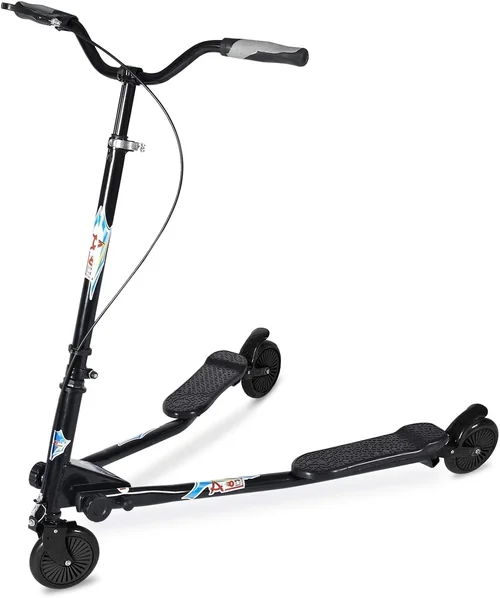
Scooters have evolved far beyond the simple kick scooters of childhood. Today, they’re high-performance machines that blend fun, fitness, and practical transportation—especially for boys who crave speed, style, and adventure. Whether your son is zipping through the neighborhood, commuting to school, or mastering tricks at the skate park, choosing the right scooter can make all the difference in safety, enjoyment, and long-term use. With so many models flooding the market—from budget-friendly kick scooters to electric powerhouses—it’s easy to feel overwhelmed. That’s exactly why this comprehensive buying guide exists: to cut through the noise and help you make a smart, informed decision.
In this guide, you’ll learn everything you need to know about selecting the best scooter for boys in 2026. We’ll break down the key factors that matter most—like build quality, performance specs, safety features, and age-appropriateness—so you can match your child’s needs with the perfect ride. You’ll also discover the different types of scooters available, common pitfalls to avoid, budget guidelines, and expert tips for getting the best value. Whether you’re shopping for a 6-year-old just learning balance or a 14-year-old aspiring stunt rider, this guide covers it all with real-world insights and practical advice.
The scooter market today is more diverse than ever. Traditional aluminum kick scooters remain popular for younger kids, while electric scooters are gaining traction among teens due to their speed, range, and tech-forward features. Brands like Gotrax, Razor, Segway-Ninebot, and Micro have raised the bar with durable frames, responsive brakes, LED lighting, and even app connectivity. But with innovation comes complexity—and cost. Our goal is to simplify your search by focusing on what truly matters: safety, durability, usability, and fun. By the end of this guide, you’ll not only know which scooter to buy but also why it’s the right choice for your boy.

What to Look for When Buying Gotrax
1. Budget & Price Range
Setting a realistic budget is the first step in any scooter purchase. Scooters for boys range widely in price—from under $50 for basic kick models to over $600 for high-end electric versions. While it’s tempting to go for the cheapest option, especially for younger kids who may outgrow their gear quickly, skimping on quality can lead to safety issues, frequent repairs, or a frustrating riding experience. Conversely, overspending on features your child won’t use is equally unwise.
A good rule of thumb: allocate more budget as your child grows older and uses the scooter more frequently. For ages 5–8, a $60–$100 kick scooter is usually sufficient. For tweens and teens interested in commuting or longer rides, investing $200–$400 in an electric model makes sense. Always factor in potential add-ons like helmets, lights, or replacement parts when planning your total spend.
2. Performance Specifications
Performance isn’t just about speed—it’s a combination of power, range, acceleration, and handling. For electric scooters, key specs include motor wattage (typically 250W to 500W for youth models), top speed (most cap at 15–20 mph for safety), and battery range (5–15 miles on a single charge). Higher wattage generally means better hill-climbing ability and faster acceleration, but also drains the battery quicker.
Kick scooters rely on rider effort, so “performance” here translates to weight, wheel size, and deck stability. Larger wheels (125mm–200mm) offer smoother rides over cracks and bumps, while smaller wheels are lighter and more agile for tricks. Deck width and grip tape quality affect foot placement and control—critical for younger riders still developing coordination.
Always check the manufacturer’s recommended weight limit and age range. Exceeding these limits can compromise braking efficiency and structural integrity, increasing accident risk.
3. Build Quality & Durability
A scooter that bends, cracks, or wobbles after a few weeks is worse than useless—it’s dangerous. Look for frames made from aircraft-grade aluminum or reinforced steel, which resist corrosion and withstand drops. Forks, handlebars, and folding mechanisms should feel solid, not flimsy. Test the folding latch (if applicable) to ensure it locks securely; a loose hinge can cause sudden collapses mid-ride.
Wheels matter too. Polyurethane (PU) wheels are standard—they’re quiet, grippy, and absorb shock well. Avoid plastic wheels, which wear down fast and offer poor traction. Bearings (rated ABEC-5 or higher) ensure smooth rolling and reduce friction. For electric models, check if the battery compartment is sealed against moisture—a must for rainy climates.
Real-world durability often shows up in user reviews. Pay attention to comments about rust, loose bolts, or cracked decks after a few months of use.
4. Safety Features
Safety should never be an afterthought. Essential features include reliable braking systems (disc brakes for e-scooters, foot brakes or hand levers for kick models), non-slip decks, and reflective elements for visibility. Many modern scooters now include front and rear LED lights—critical for evening rides.
For younger children, adjustable handlebars allow the scooter to grow with them, maintaining proper posture and control. Wider decks provide better balance, reducing the chance of slipping off. Some advanced models even feature speed limiters or beginner modes that cap acceleration until the rider gains confidence.
Always pair the scooter with a certified helmet (CPSC or ASTM F1447 standard). Knee and elbow pads are strongly recommended for beginners or trick riders.
5. Age & Skill Level Appropriateness
Not all scooters are created equal—and neither are riders. A scooter designed for a 12-year-old will likely be too tall, heavy, or fast for a 6-year-old. Most manufacturers specify age ranges (e.g., 8+, 13+), but these are guidelines, not guarantees. Consider your child’s height, weight, coordination, and experience level.
Beginners benefit from lower decks, smaller wheels, and simpler controls. Intermediate riders can handle more responsive models with better suspension. Advanced users—especially those into freestyle or park riding—need lightweight, durable scooters with reinforced decks and precision steering.
Electric scooters are generally best suited for ages 12 and up due to speed and complexity. Always supervise younger riders and enforce safe riding zones (avoid busy streets or steep hills).
6. Portability & Storage
If your boy plans to carry the scooter on buses, store it under a desk, or toss it in the trunk, portability is key. Folding mechanisms should be quick and intuitive—ideally one-step folding with a secure lock. Weight matters too: under 10 lbs for kick scooters, under 30 lbs for electric models.
Check folded dimensions. Some e-scooters fold compactly (around 40″ x 16″ x 18″), while others remain bulky. Handlebar height adjustability also affects storage—telescoping bars save space.
For families with limited storage, consider models with removable batteries (easier to charge indoors) or wall-mount compatibility.
7. Brand Reputation & Customer Support
Stick with established brands known for quality and reliability. Gotrax, Razor, and Micro have years of positive user feedback and robust customer service. Avoid no-name brands sold exclusively through third-party marketplaces—they often lack warranties, spare parts, or responsive support.
Research how the company handles repairs, replacements, and complaints. Do they offer live chat? Is there a U.S.-based service center? A strong reputation for post-purchase support can save you headaches down the road.
8. Warranty & Return Policy
A solid warranty reflects manufacturer confidence. Most reputable brands offer 6–12 months on kick scooters and 12–24 months on electric models (with battery coverage often shorter). Read the fine print: some exclude “wear and tear” or accidental damage.
Return policies vary. Amazon and major retailers typically allow 30-day returns, while direct-from-brand purchases may have stricter windows. Always keep the original packaging during the trial period in case you need to return or exchange.
Different Types of Gotrax

Common Buying Mistakes to Avoid
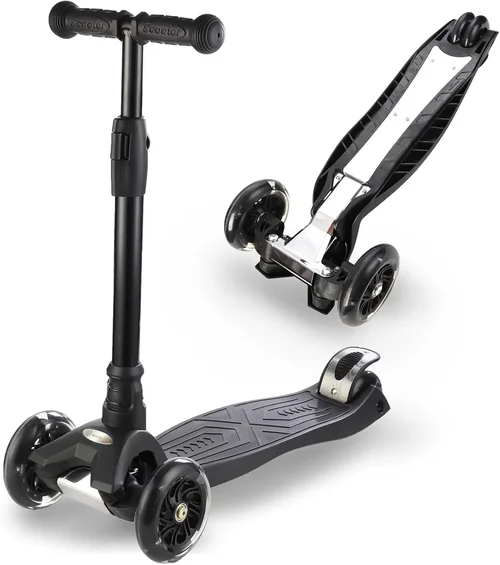
❌ Mistake: Prioritizing Price Over Safety
Why it’s bad: Cheap scooters often use subpar materials, weak brakes, and unstable frames—increasing the risk of accidents. A $40 scooter might save money upfront but could cost more in medical bills or replacements.
What to do instead: Invest in a reputable brand with certified safety standards. Even budget models from trusted companies like Gotrax or Razor include essential safety features.
❌ Mistake: Ignoring Weight Limits
Why it’s bad: Overloading a scooter strains the motor (on e-scooters) or bends the deck (on kick models). This leads to premature failure and unsafe riding conditions.
What to do instead: Always check the max rider weight before buying. If your child is near the limit, choose a model with a 20–30 lb buffer.
❌ Mistake: Buying Too Big or Too Small
Why it’s bad: A scooter that’s too tall forces awkward posture; one that’s too short limits growth and comfort. Both reduce control and enjoyment.
What to do instead: Measure your child’s height and compare it to the scooter’s adjustable range. Most kick scooters accommodate 4′ to 6′ riders.
❌ Mistake: Overlooking Maintenance Needs
Why it’s bad: Neglecting tire pressure, loose bolts, or dirty bearings leads to poor performance and safety hazards. Electric scooters require regular battery care too.
What to do instead: Teach your child basic upkeep: tightening bolts monthly, cleaning wheels, and storing e-scooters indoors. Keep a small toolkit handy.
❌ Mistake: Skipping the Test Ride
Why it’s bad: Online specs don’t reveal how a scooter feels in real life. Stiff steering, wobbly wheels, or uncomfortable grips can ruin the experience.
What to do instead: Visit a local retailer to test ride similar models. If buying online, choose stores with generous return policies.
❌ Mistake: Forgetting About Local Laws
Why it’s bad: Some cities restrict electric scooter use on sidewalks or require helmets/registration. Violating these can result in fines.
What to do instead: Check your municipality’s regulations before purchasing an e-scooter. Encourage responsible riding habits from day one.
Budget Guidelines: How Much Should You Spend?
- Entry-Level ($40–$100): Ideal for young beginners (ages 5–8). Expect aluminum frames, 125mm PU wheels, and basic foot brakes. Great for short neighborhood rides but not built for heavy use or tricks.
- Mid-Range ($100–$250): The sweet spot for most families. Includes better suspension, larger wheels (150–180mm), and improved durability. Electric models in this range offer 8–12 mile ranges and speeds up to 15 mph—perfect for tweens.
- Premium ($250–$500): For serious riders and commuters. Features include high-capacity batteries, disc brakes, smartphone apps, and rugged builds. These scooters handle daily use, hills, and longer distances with ease.
- Luxury ($500+): Top-tier performance with advanced tech: regenerative braking, GPS tracking, ultra-long range (20+ miles), and premium materials. Best for teens who rely on their scooter for transportation or enthusiasts seeking the ultimate ride.

Expert Tips for Getting the Best Deal
- Shop During Off-Peak Seasons: Scooter demand peaks in spring and summer. Buy in winter (January–March) for deeper discounts as retailers clear inventory.
- Compare Retailers: Prices vary significantly between Amazon, Walmart, Best Buy, and brand websites. Use price-tracking tools like Honey or CamelCamelCamel to spot deals.
- Check Refurbished Options: Certified refurbished scooters from Gotrax or Razor offer near-new performance at 20–40% off. They come with warranties and are thoroughly tested.
- Read Recent Reviews: Focus on reviews from the past 6 months—manufacturers often tweak designs, and older feedback may be outdated.
- Bundle Accessories: Some brands offer starter kits (scooter + helmet + lock) at a discount. These save money and ensure compatibility.
- Use Student or Military Discounts: Brands like Segway-Ninebot offer 10–15% off for students, teachers, or military personnel—just verify eligibility online.
- Consider Resale Value: High-quality scooters from known brands hold value better. If your child outgrows it quickly, you can recoup some cost by selling it secondhand.

Frequently Asked Questions
Q: Are electric scooters safe for 10-year-olds?
A: It depends on the model and supervision. Most manufacturers recommend e-scooters for ages 12+. If your 10-year-old is mature, wears protective gear, and rides in safe areas, a low-speed (under 12 mph) entry-level model like the Gotrax GXL V2 can be suitable—but always supervise closely.
Q: How long do scooter batteries last?
A: Electric scooter batteries typically last 2–4 years or 300–500 charge cycles. Proper care (avoiding extreme temps, not overcharging) extends lifespan. Replace batteries when range drops below 70% of original capacity.
Q: Can kick scooters be used on rough terrain?
A: Standard kick scooters are designed for smooth pavement. For gravel, grass, or trails, look for all-terrain models with pneumatic tires and suspension—but these are heavier and pricier.
Q: Do I need to assemble the scooter?
A: Most scooters require minimal assembly (attaching handlebars, inflating tires). Electric models may need battery installation. Always follow the manual—and keep tools handy.
Q: What’s the difference between ABEC ratings?
A: ABEC (Annular Bearing Engineers’ Committee) rates bearing precision. Higher numbers (ABEC-7 vs. ABEC-3) mean smoother, faster rolls—but for casual riding, ABEC-5 is more than sufficient.
Q: How do I maintain my scooter’s brakes?
A: For foot brakes, clean debris regularly and sand lightly if glazed. For disc brakes, check pad thickness and rotor alignment monthly. Replace worn pads immediately.
Q: Can I ride in the rain?
A: Most kick scooters handle light drizzle, but avoid deep puddles—water can damage bearings. Electric scooters vary: some are IP54-rated (splash-resistant), but none are fully waterproof. Dry thoroughly after wet rides.
Q: What should I do if my scooter stops working?
A: Check the basics first: battery charge, loose connections, blown fuses. Consult the manual or contact customer support. Many issues are fixable with simple troubleshooting.
Our Final Recommendations
- Best for Budget-Conscious Buyers: Gotrax GKS – A reliable kick scooter under $70 with adjustable handlebars, 125mm wheels, and a sturdy aluminum frame. Perfect for ages 5–10.
- Best Overall Value: Gotrax GXL V2 – Priced around $250, this electric scooter offers 12-mile range, 15 mph top speed, and solid build quality. Great for ages 10+ transitioning to motorized riding.
- Best Premium Option: Segway Ninebot Max G30LP – With a 37-mile range, 20 mph speed, and IPX5 water resistance, this is the ultimate teen commuter scooter—worth the $550 investment for daily use.
- Best for Beginners: Micro Mini Original – Swiss-engineered for stability and ease of use. The lean-to-steer mechanism helps young kids learn balance naturally. Ideal for ages 3–7.
- Best for Advanced Users: Razor Pro X Trick Scooter – Lightweight, reinforced, and built for skate parks. Features a threaded headset, 110mm core wheels, and a sleek design favored by pros. Ages 8+.
Conclusion: Making the Right Choice
Choosing the best scooter for your boy isn’t just about picking the flashiest model or the cheapest deal—it’s about matching his age, skill level, and riding goals with a safe, durable, and enjoyable product. Throughout this guide, we’ve covered the essential factors: from budget and performance to safety and brand trust. We’ve compared scooter types, warned against common mistakes, and shared insider tips to help you get the most value for your money.
Remember, the right scooter grows with your child—not just in size, but in confidence and capability. Whether he’s cruising the sidewalk, mastering ollies at the park, or commuting to school, a well-chosen scooter becomes more than a toy; it’s a tool for independence, exercise, and fun. Prioritize safety, invest in quality, and don’t rush the decision. Take your time, read reviews, test when possible, and involve your son in the process. After all, the best scooter is the one he’ll actually want to ride—every single day.
Now that you’re armed with expert knowledge, it’s time to make your move. Browse our top recommendations, compare prices, and choose the scooter that fits your family’s needs. Happy riding!