
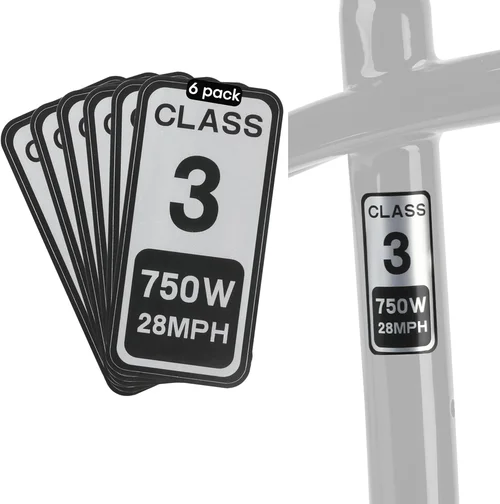
Electric bikes have revolutionized urban commuting, recreational riding, and even long-distance touring—offering a perfect blend of pedal power and electric assistance. Among the various classifications of e-bikes, Class 3 models stand out for their high-speed capabilities and performance-oriented design. Unlike Class 1 and Class 2 e-bikes, which cap speeds at 20 mph, Class 3 electric bikes are engineered to assist riders up to 28 mph, making them ideal for faster commutes, hilly terrain, and riders who want a more dynamic experience. As cities become more congested and sustainability takes center stage, Class 3 e-bikes are emerging as a smart, efficient, and eco-friendly alternative to cars and motorcycles.
This comprehensive buyer’s guide is designed to help you navigate the rapidly evolving world of Class 3 electric bikes in 2026. Whether you’re a daily commuter, a weekend adventurer, or someone looking to reduce your carbon footprint without sacrificing speed and comfort, this guide will equip you with everything you need to make an informed decision. We’ll break down the essential factors to consider—from motor power and battery life to frame materials and safety features—and compare different types of Class 3 e-bikes to match your lifestyle. You’ll also learn how to avoid common purchasing pitfalls, understand budget expectations, and discover expert tips to get the best value for your investment.
The market for Class 3 e-bikes has exploded in recent years, with major brands like Rad Power Bikes, Trek, Specialized, Aventon, and Juiced Bikes leading the charge. Newer entrants such as Velotric, Heybike, and Lectric are also making waves with innovative designs and competitive pricing. With advancements in battery technology, motor efficiency, and smart connectivity, today’s Class 3 e-bikes are more capable, reliable, and user-friendly than ever before. However, this abundance of choice can be overwhelming. That’s why this guide focuses on delivering clarity, objectivity, and actionable insights—so you can confidently choose the best Class 3 electric bike for your needs.

What to Look for When Buying a Class 3 Electric Bike
1. Motor Power and Performance
The motor is the heart of any electric bike, and for Class 3 models, it needs to deliver consistent power to reach and maintain 28 mph. Most Class 3 e-bikes feature mid-drive or hub motors ranging from 500W to 750W, with some high-performance models exceeding 1000W. Mid-drive motors, typically found on premium bikes, offer better weight distribution and efficiency, especially on hills, because they leverage the bike’s gears. Hub motors, usually located in the rear or front wheel, are simpler and often more affordable but may feel less responsive on steep inclines.
When evaluating motor performance, look for torque ratings—measured in Newton-meters (Nm)—which indicate how well the bike accelerates and climbs. A torque rating of 60–80 Nm is excellent for most urban and suburban environments. Also, consider whether the motor offers smooth power delivery or abrupt surges. A well-tuned motor should feel natural and responsive, not jerky or overwhelming. For example, the Specialized Turbo Vado SL features a custom 240W mid-drive motor with 35 Nm of torque, optimized for efficiency and quiet operation, while the Juiced CrossCurrent X boasts a 750W rear hub motor with 80 Nm of torque for aggressive acceleration.
2. Battery Capacity and Range
Battery life is one of the most critical factors in determining how far you can go on a single charge. Class 3 e-bikes typically use lithium-ion batteries with capacities ranging from 400Wh to 1000Wh. The higher the watt-hour (Wh) rating, the longer the range—but real-world performance depends on terrain, rider weight, assist level, and speed. For instance, a 500Wh battery might give you 40–60 miles on eco mode, but only 20–30 miles at full throttle on a hilly route.
Look for removable batteries, as they allow you to charge the pack separately from the bike—ideal for apartment dwellers or office commuters. Also, check the charging time: most batteries take 4–6 hours to fully charge, but some fast-charging models can reach 80% in under 3 hours. Brands like Bosch and Shimano offer smart batteries with integrated management systems that monitor health, temperature, and charge cycles. The Rad Power Bikes RadRover 6 Plus, for example, includes a 672Wh battery with a claimed range of up to 45 miles, while the Aventon Aventure.2 offers a 720Wh option for extended adventures.
3. Build Quality and Frame Material
A Class 3 e-bike is a significant investment, so durability and construction quality matter. Most models use aluminum alloy frames due to their balance of strength, weight, and corrosion resistance. Higher-end bikes may incorporate carbon fiber components or hydroformed aluminum for reduced weight and improved ride quality. Pay attention to welding quality, cable routing, and overall finish—sloppy welds or exposed wires can indicate poor manufacturing.
The frame geometry also affects comfort and handling. Step-through frames are easier to mount and dismount, making them ideal for casual riders or those with mobility concerns. Traditional diamond frames offer better rigidity and are preferred by performance-oriented riders. Additionally, consider suspension: front suspension forks absorb bumps on rough roads, while full-suspension models (like the Heybike Mars) provide maximum comfort on trails. However, suspension adds weight and cost, so it’s only necessary if you plan to ride off-road.
4. Braking System and Safety Features
At 28 mph, stopping power is non-negotiable. Class 3 e-bikes must be equipped with reliable, high-performance brakes. Hydraulic disc brakes are the gold standard—they offer superior modulation, consistent performance in wet conditions, and require less hand force than mechanical disc or rim brakes. Look for 180mm or 203mm rotors for maximum stopping power.
Safety extends beyond brakes. Integrated lighting—front and rear LED lights powered by the main battery—is essential for visibility. Some models include brake light activation, turn signals, and daytime running lights. Reflective elements, fenders, and chain guards also enhance safety and practicality. The Trek Allant+ 7S, for example, features Bosch’s Intuvia display with built-in lights and a brake light that activates when you slow down.
5. Display and Connectivity
The display is your interface with the bike’s systems. Most Class 3 e-bikes come with LCD or LED screens that show speed, battery level, assist mode, distance, and sometimes GPS or navigation. Higher-end models offer full-color touchscreens with smartphone integration via Bluetooth or ANT+. This allows you to track rides, adjust settings, receive firmware updates, and even lock the bike remotely.
Brands like Specialized and Bosch provide companion apps (e.g., Mission Control and Bosch eBike Connect) that sync with the bike’s display. These apps can log your routes, monitor battery health, and provide maintenance reminders. Some bikes even support over-the-air updates, ensuring your e-bike stays up to date with the latest features and improvements.
6. Weight and Portability
Class 3 e-bikes are inherently heavier than traditional bikes due to motors, batteries, and reinforced frames. Most weigh between 50 and 70 pounds, with some cargo-oriented models exceeding 80 pounds. This weight affects maneuverability, storage, and transport. If you plan to carry the bike upstairs or load it onto a car rack, consider a lighter model or one with a step-through frame.
Portability features like folding mechanisms (e.g., the Lectric XP 3.0) or integrated rear racks can make a big difference. However, folding bikes often sacrifice performance and stability at high speeds, so they’re better suited for mixed-mode commuting (bike + public transit) rather than pure speed riding.
7. Warranty and Customer Support
A solid warranty reflects a manufacturer’s confidence in their product. Most reputable brands offer at least a 1-year comprehensive warranty, with some extending to 2–3 years on the frame and motor. Battery warranties typically cover 1–2 years or a certain number of charge cycles (e.g., 500–1000 cycles). Always read the fine print—some warranties are voided if the bike is modified or used commercially.
Customer support is equally important. Look for brands with responsive service teams, local dealer networks, and accessible repair parts. Rad Power Bikes, for example, has a large network of service centers across the U.S., while smaller brands may rely on mail-in repairs. Online communities and user forums can also be valuable resources for troubleshooting and advice.
8. User Reviews and Real-World Feedback
While specs and marketing materials provide a baseline, real-world user reviews offer invaluable insights. Platforms like Reddit (r/ebikes), YouTube, and specialized review sites (e.g., Electric Bike Review) feature detailed experiences from long-term owners. Pay attention to recurring issues—such as battery degradation, motor noise, or software glitches—and how the company responds.
Look for reviews that match your use case. A bike praised for off-road performance may not be ideal for daily commuting, and vice versa. Also, consider the reviewer’s weight, riding style, and climate—factors that significantly impact performance and longevity.
Different Types of Class 3 Electric Bikes

Common Buying Mistakes to Avoid

❌ Mistake: Prioritizing Speed Over Safety
Why it’s bad: Class 3 e-bikes are fast, but speed without proper safety features can lead to accidents. Riders often overlook braking systems, lighting, and helmet use, assuming the bike’s power compensates for poor preparation.
What to do instead: Always invest in a high-quality helmet, reflective gear, and ensure your bike has hydraulic disc brakes and integrated lights. Practice braking at high speeds in a safe environment.
❌ Mistake: Ignoring Local Laws and Regulations
Why it’s bad: Class 3 e-bikes are subject to stricter regulations than lower classes. In many U.S. states, they require helmets, are restricted from bike paths, and may need registration or insurance.
What to do instead: Check your state and local laws before purchasing. Some cities ban Class 3 e-bikes from sidewalks or multi-use trails. Consider a Class 2 bike if you plan to ride in parks or shared paths.
❌ Mistake: Overestimating Battery Range
Why it’s bad: Manufacturer range claims are often optimistic. Real-world factors like wind, hills, and rider weight can reduce range by 30–50%.
What to do instead: Use online range calculators and read user reviews. Plan routes with charging stations or carry a backup battery if needed.
❌ Mistake: Choosing Based on Price Alone
Why it’s bad: The cheapest bike may lack durability, safety, or support. A $1,000 e-bike might save money upfront but cost more in repairs and replacements.
What to do instead: Focus on value—consider warranty, brand reputation, and long-term reliability. A mid-range bike often offers the best balance.
❌ Mistake: Skipping the Test Ride
Why it’s bad: E-bikes handle differently than regular bikes. Weight distribution, motor response, and ergonomics vary widely.
What to do instead: Always test ride before buying. Pay attention to comfort, balance, and how the bike feels at speed.
❌ Mistake: Neglecting Maintenance
Why it’s bad: E-bikes require regular upkeep—brake pads, chain lubrication, tire pressure, and software updates. Ignoring maintenance shortens lifespan.
What to do instead: Follow the manufacturer’s maintenance schedule and learn basic repairs. Join online communities for tips.
❌ Mistake: Buying Without a Plan for Storage or Charging
Why it’s bad: E-bikes are heavy and need secure, dry storage. Charging in hallways or outdoors can be unsafe or impractical.
What to do instead: Measure your storage space and ensure access to power. Consider wall mounts or indoor bike racks.
Budget Guidelines: How Much Should You Spend?
Entry-Level ($1,200 – $2,000): These bikes offer basic Class 3 performance with hub motors, 400–500Wh batteries, and mechanical disc brakes. Ideal for casual riders or those on a tight budget. Examples include the Heybike Cityscape and Lectric XP 3.0. Expect shorter range, heavier weight, and limited features.
Mid-Range ($2,000 – $3,500): This is the sweet spot for most buyers. Bikes in this range feature 500–750W motors, 600–750Wh batteries, hydraulic brakes, and better displays. Models like the Aventon Level.2 and Rad Power Bikes RadCity 5 Plus offer excellent value with reliable performance, good range, and solid build quality.
Premium ($3,500 – $5,000): Designed for enthusiasts and daily commuters who demand top-tier performance. Expect mid-drive motors (Bosch, Shimano), 750–1000Wh batteries, full suspension options, and advanced connectivity. The Trek Allant+ 9.9S and Specialized Turbo Vado SL 6.0 fall into this category, offering lightweight frames, smart features, and exceptional ride quality.
Luxury ($5,000+): These are the Ferraris of e-bikes—handcrafted, limited-edition, or ultra-high-performance models. Think Riese & Müller, Stromer, or custom builds. They feature cutting-edge tech, carbon frames, and concierge-level support. Best for collectors or those who want the absolute best.
Expert Tips for Getting the Best Deal
– Buy During Off-Season Sales: Late fall and winter (October–February) are prime times for discounts as retailers clear inventory. Black Friday and Cyber Monday often feature significant markdowns.
– Check Manufacturer Refurbished Programs: Brands like Rad Power Bikes and Aventon sell certified refurbished models at 20–30% off, with full warranties.
– Compare Online vs. In-Store: Online retailers often have lower prices and better selection, but local bike shops offer test rides, assembly, and service. Some shops price-match online deals.
– Look for Bundle Deals: Many brands offer packages with helmets, locks, lights, and racks at a discount. These can save $100–$200 compared to buying separately.
– Consider Financing Options: Brands like Trek and Specialized offer 0% APR financing for 6–12 months, making premium bikes more accessible.
– Read the Return Policy: Ensure you can return or exchange the bike within 14–30 days if it doesn’t meet expectations. Some retailers charge restocking fees.
– Join Loyalty Programs: Sign up for newsletters to receive exclusive discounts, early access to sales, and free shipping.
– Use Cashback and Rewards: Purchase through cashback sites like Rakuten or use credit card rewards to offset costs.
Frequently Asked Questions
Q: Are Class 3 e-bikes legal everywhere?
A: No. While Class 3 e-bikes are legal in most U.S. states under federal law (21 CFR Part 1512), local regulations vary. Some cities restrict them from bike paths or require helmets and registration. Always check your local laws before riding.
Q: Do I need a license or insurance for a Class 3 e-bike?
A: In most states, no license or insurance is required. However, a few states (e.g., New York, New Jersey) have specific rules. Helmets are mandatory in many areas for riders under 18 or all ages.
Q: How fast can a Class 3 e-bike actually go?
A: Class 3 e-bikes are limited to 28 mph with motor assistance. Beyond that, you must pedal without electric help. Some riders report slightly higher speeds downhill, but the motor cuts off at 28 mph.
Q: Can I ride a Class 3 e-bike in the rain?
A: Yes, most are designed for wet conditions with IP65 or higher water resistance. However, avoid deep puddles and high-pressure washes. Dry and lubricate the chain after riding in rain.
Q: How long do Class 3 e-bike batteries last?
A: A well-maintained lithium-ion battery typically lasts 500–1,000 charge cycles, or 3–5 years of regular use. Capacity may degrade to 70–80% over time.
Q: Can I upgrade my Class 2 e-bike to Class 3?
A: Technically possible with a motor swap and firmware update, but not recommended. It may void warranties, violate laws, and compromise safety. Buy the right class from the start.
Q: Are Class 3 e-bikes good for hills?
A: Absolutely. With high-torque motors and efficient gearing, they excel on inclines. Mid-drive motors are especially effective, as they use the bike’s gears to maintain power.
Q: How much maintenance do Class 3 e-bikes require?
A: Regular maintenance includes checking tire pressure, brake pads, chain lubrication, and software updates. Service the motor and battery annually. Expect to spend $100–$200 per year on upkeep.
Q: Can I take my Class 3 e-bike on public transit?
A: Policies vary. Most buses and trains allow e-bikes, but some restrict them during peak hours or require folding models. Check with your local transit authority.
Q: What’s the difference between Class 3 and a moped?
A: Class 3 e-bikes require pedaling to activate the motor and are limited to 28 mph. Mopeds can operate without pedaling and often exceed 30 mph, requiring registration, insurance, and a license.
Our Final Recommendations
Best for Budget-Conscious Buyers: Lectric XP 3.0 – At under $1,500, this folding Class 3 e-bike offers surprising performance with a 750W motor, 48V battery, and hydraulic brakes. Ideal for city dwellers and mixed-mode commuters.
Best Overall Value: Aventon Level.2 – Priced around $2,300, it combines a 750W motor, 720Wh battery, hydraulic brakes, and a sleek design. Excellent range, comfort, and reliability for daily use.
Best Premium Option: Specialized Turbo Vado SL 6.0 – With a lightweight carbon frame, 240W mid-drive motor, and Mission Control app, this $4,500 bike delivers a premium riding experience with unmatched efficiency and smart features.
Best for Beginners: Rad Power Bikes RadCity 5 Plus – User-friendly, well-supported, and packed with practical features like integrated lights, fenders, and a rear rack. Great for first-time e-bike buyers.
Best for Advanced Users: Trek Allant+ 9.9S – A high-performance commuter with Bosch’s Performance Line CX motor, 750Wh battery, and advanced connectivity. Perfect for tech-savvy riders who want speed, range, and intelligence.
Conclusion: Making the Right Choice
Choosing the best Class 3 electric bike is about more than speed and specs—it’s about finding a machine that fits your lifestyle, budget, and values. Whether you’re zipping through city streets, conquering mountain trails, or hauling groceries, the right e-bike can transform how you move through the world. By focusing on motor performance, battery life, safety, and real-world usability, you’ll avoid common pitfalls and invest in a bike that delivers years of reliable service.
Remember, the most expensive bike isn’t always the best, and the cheapest may cost you more in the long run. Prioritize your needs: Do you value range over portability? Comfort over speed? Smart features over simplicity? Use this guide as your roadmap, test ride whenever possible, and don’t hesitate to ask questions.
As we move into 2026, the future of transportation is electric, sustainable, and personal. A Class 3 e-bike isn’t just a vehicle—it’s a statement. It says you care about efficiency, freedom, and the planet. So take the leap, charge up, and ride into the future with confidence. Your perfect Class 3 electric bike is out there—now it’s time to find it.