
Commuting in modern cities has evolved dramatically over the past decade, and electric scooters have emerged as one of the most practical, eco-friendly, and efficient solutions for daily travel. Whether you’re navigating congested urban streets, dodging public transit delays, or simply looking to reduce your carbon footprint, a reliable commuter scooter can transform your daily routine. But with so many models flooding the market—each boasting different speeds, ranges, weights, and features—it’s easy to feel overwhelmed. That’s where this guide comes in.
This comprehensive buying guide is designed to cut through the noise and help you make an informed decision tailored to your specific needs. We’ll walk you through every critical factor—from budget considerations and performance specs to build quality and brand reputation—so you can confidently choose the best commuter scooter for your lifestyle. Whether you’re a first-time buyer or upgrading from an older model, you’ll learn how to avoid common pitfalls, understand what truly matters in real-world use, and get the most value for your money. By the end of this article, you’ll have a clear roadmap to selecting a scooter that’s not just flashy or trendy, but genuinely useful, durable, and worth the investment.
The electric scooter market has matured significantly, with brands like Gotrax, Xiaomi, Segway-Ninebot, and Apollo leading the charge. These companies now offer a wide spectrum of options—from ultra-portable foldables under $300 to high-performance machines capable of 40+ mph speeds and 40+ mile ranges. Yet, despite the abundance of choices, not all scooters are created equal when it comes to commuting. Some prioritize speed over comfort, others sacrifice range for portability, and many cut corners on build quality to hit lower price points. Our goal is to help you identify which trade-offs matter most to you and guide you toward a scooter that balances performance, reliability, and practicality for everyday use.

What to Look for When Buying Gotrax
1. Budget & Price Range
Your budget is the foundation of your scooter-buying journey. It dictates not only what you can afford upfront but also influences long-term value, durability, and available features. Gotrax offers a wide range of models priced from around $250 to over $1,000, making it accessible to both casual riders and serious commuters. However, it’s crucial to understand that price often correlates directly with performance, build quality, and longevity.
At the lower end of the spectrum ($250–$400), you’ll find entry-level models like the Gotrax GXL V2 or the Gotrax G4. These scooters are ideal for short commutes (under 5 miles), light riders, or those new to electric mobility. They typically feature modest motors (250W–350W), smaller batteries (7.8Ah–10.4Ah), and basic suspension—if any. While they’re affordable and easy to handle, they may struggle on hills or with heavier loads.
Mid-range models ($400–$700), such as the Gotrax GMAX or the Gotrax XR Ultra, offer a sweet spot for most commuters. These scooters usually come with 350W–500W motors, larger batteries (10.4Ah–13Ah), and improved suspension systems. They provide better hill-climbing ability, longer range (15–25 miles), and sturdier frames, making them suitable for daily use across varied terrain.
Premium models ($700+) like the Gotrax Titan or the Gotrax G6 are built for performance and durability. With dual motors, high-capacity batteries, and advanced features like regenerative braking and app connectivity, these scooters are designed for longer commutes, heavier riders, or those who demand reliability in all weather conditions.
2. Performance Specifications
Performance is where the rubber meets the road—literally. When evaluating a commuter scooter, focus on three core specs: motor power, top speed, and range. These determine how well the scooter will handle your daily route, whether it’s flat city streets or hilly suburban roads.
Motor power is measured in watts (W). A 250W motor is sufficient for flat terrain and light riders, but if your commute includes hills or you weigh over 160 lbs, aim for at least 350W–500W. Dual-motor scooters (1000W total) offer exceptional torque and acceleration, ideal for steep inclines or quick starts in traffic.
Top speed matters for efficiency. Most commuter scooters cap out between 15–20 mph, which is fast enough to keep up with urban traffic without being reckless. Some models offer “sport” modes that push speeds to 25+ mph, but these drain the battery faster and may not be legal in all areas. Always check local regulations—many cities limit e-scooter speeds to 15–20 mph on public roads.
Range is perhaps the most misunderstood spec. Manufacturers often quote “ideal” range under perfect conditions (flat ground, light rider, no wind). In reality, expect 60–80% of the advertised range. For example, a scooter claiming 20 miles might realistically deliver 12–16 miles. If your round-trip commute is 10 miles, choose a scooter with at least a 15-mile rated range to ensure you don’t run out of juice.
3. Build Quality & Durability
A commuter scooter isn’t a toy—it’s a daily workhorse. That means it needs to withstand rain, potholes, curbs, and constant folding/unfolding. Build quality directly impacts how long your scooter lasts and how safe it feels on the road.
Start with the frame material. Most Gotrax models use aluminum alloy, which offers a good balance of strength and weight. Higher-end models may use reinforced aluminum or even carbon fiber components for added rigidity. Avoid scooters with plastic frames or weak joints—these are prone to cracking under stress.
Check the wheels. Solid rubber tires are puncture-proof and low-maintenance but offer a rougher ride. Pneumatic (air-filled) tires provide better shock absorption and grip, especially on uneven pavement, but require occasional inflation and are vulnerable to flats. Some models, like the Gotrax G6, feature hybrid tires—solid center with air-filled outer layers—for a compromise between comfort and durability.
Suspension is another key factor. Entry-level scooters often lack suspension, leading to a jarring ride on bumpy roads. Mid-range and premium models typically include front, rear, or dual suspension systems that absorb shocks and improve stability. If your commute includes cobblestones, gravel, or poorly maintained sidewalks, suspension is non-negotiable.
Finally, inspect the folding mechanism. A secure, one-click fold is essential for portability and safety. Look for scooters with reinforced locking hinges and anti-rattle designs. Test the fold in-store or via video reviews—some models feel flimsy when folded, making them awkward to carry or store.
4. Features & Functionality
Modern commuter scooters come packed with features that enhance safety, convenience, and usability. While not all are essential, some can significantly improve your riding experience.
Lighting is critical for visibility, especially if you ride at dawn, dusk, or night. Look for bright LED headlights (at least 100 lumens), rear brake lights, and side reflectors. Some models, like the Gotrax GMAX, include ambient under-deck lighting for added style and safety.
Braking systems vary widely. Mechanical disc brakes offer strong stopping power but require manual adjustment. Electronic brakes are low-maintenance but less effective in emergencies. The best commuter scooters combine both—electronic braking for everyday use and a mechanical disc brake as a backup. Regenerative braking, which recharges the battery during deceleration, is a nice bonus that extends range.
Display and controls should be intuitive. A clear LCD screen showing speed, battery level, and mode is standard on most models. Some scooters include Bluetooth connectivity and companion apps that allow you to track rides, lock the scooter, or customize settings. While not essential, these features add convenience and security.
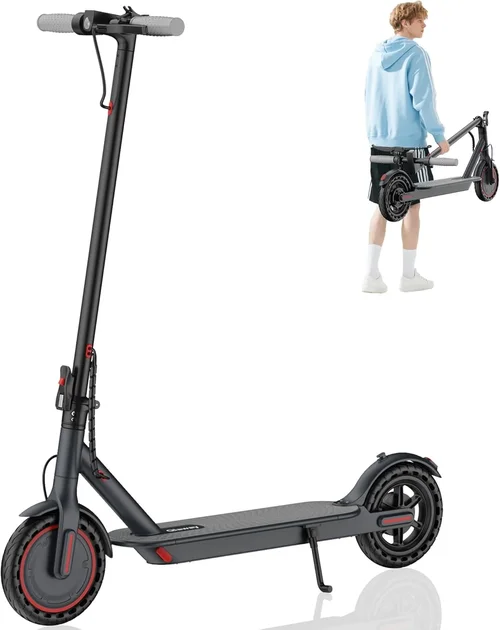
Portability features matter if you need to carry the scooter on public transit or store it in a small apartment. Weight is a big factor—most commuter scooters range from 25 to 40 lbs. Models under 30 lbs are easier to lift, but may sacrifice durability. A foldable design with a compact footprint is ideal for urban living.
5. Brand Reputation
Brand reputation isn’t just about marketing—it’s a reflection of reliability, customer service, and long-term support. Gotrax has built a solid reputation in the e-scooter market, particularly for offering high value at competitive prices. Founded in 2018, the company quickly gained traction by focusing on affordable, user-friendly models that appeal to everyday commuters.
One of Gotrax’s strengths is its commitment to safety and compliance. All their scooters meet UL 2272 certification, a rigorous safety standard for electrical systems that reduces fire and shock risks. This is especially important given past incidents with poorly manufactured batteries.
Customer reviews consistently praise Gotrax for responsive support and transparent policies. Unlike some budget brands that disappear after a sale, Gotrax offers accessible customer service via phone and email, with a dedicated support team based in the U.S. They also provide detailed user manuals, video tutorials, and firmware updates for app-connected models.
However, no brand is perfect. Some users report that entry-level models feel “plasticky” or have shorter lifespans under heavy use. Others note that replacement parts (like tires or brake pads) can be harder to find than with larger brands like Segway. Still, for the price point, Gotrax delivers exceptional value and reliability.
6. Warranty & Support
A good warranty is your safety net. It protects your investment and gives you peace of mind knowing the manufacturer stands behind their product. Gotrax offers a standard 1-year limited warranty on all scooters, covering defects in materials and workmanship. This includes the motor, battery, controller, and frame—but not wear-and-tear items like tires, brakes, or the display.
The warranty process is straightforward: contact customer service, provide proof of purchase, and ship the scooter back for inspection. Repairs or replacements are typically handled within 2–3 weeks. For added protection, consider purchasing an extended warranty or third-party coverage, especially if you plan to use the scooter daily.
Support extends beyond the warranty. Gotrax provides online resources, including FAQs, troubleshooting guides, and firmware updates. Their app (for compatible models) allows you to monitor battery health, track usage, and receive maintenance reminders. This proactive approach helps prevent issues before they become problems.
7. Size & Portability
Portability is a major advantage of electric scooters over cars or bikes—but only if the scooter is truly easy to carry and store. Size and weight play a huge role in daily usability, especially if you need to take your scooter on public transit, up stairs, or into an office.
Most Gotrax commuter scooters weigh between 26 and 38 lbs. The lighter models, like the Gotrax GXL V2 (26.5 lbs), are ideal for students or office workers who need to carry the scooter frequently. Heavier models, such as the Gotrax Titan (38 lbs), are more stable and durable but can be cumbersome to lift.
Folding mechanism is equally important. A good fold should be quick, secure, and compact. Look for scooters that fold down to under 45 inches in length and have a locking mechanism that prevents accidental unfolding. Some models include a carrying handle or strap, making them easier to transport.
Storage space matters too. If you live in a small apartment or work in a crowded office, a scooter that fits under a desk or in a closet is a huge plus. Measure your available space before buying—some scooters, even when folded, are too wide or tall for tight spots.
8. User Reviews & Ratings
While specs and marketing materials give you the basics, real-world user reviews reveal the truth about performance, reliability, and usability. Before buying, spend time reading reviews on trusted platforms like Amazon, Best Buy, or specialized forums like Reddit’s r/ElectricScooters.
Look for patterns in feedback. If multiple users mention the same issue—like poor battery life, wobbly handlebars, or weak brakes—it’s likely a real problem. Conversely, consistent praise for comfort, build quality, or customer service is a strong indicator of a good product.
Pay attention to long-term reviews. A scooter might perform well in the first month but degrade quickly due to poor battery management or weak components. Reviews from users who’ve owned the scooter for 6+ months are especially valuable.
Also, consider the reviewer’s context. A scooter that works great for a 130-lb rider in a flat city might struggle for a 200-lb rider in a hilly suburb. Match the reviewer’s profile to your own for the most relevant insights.
Different Types of Gotrax

Common Buying Mistakes to Avoid
❌ Mistake: Prioritizing Price Over Performance
Why it’s bad: Choosing the cheapest scooter without considering your commute needs can lead to frustration, frequent breakdowns, and even safety risks. A $250 scooter might seem like a bargain, but if it can’t handle hills or runs out of battery halfway through your trip, it’s not a good value.
What to do instead: Match the scooter to your specific use case. If you have a 10-mile commute with hills, invest in a mid-range model with at least 500W motor and 15+ mile range. Think of it as buying a reliable pair of shoes—you wouldn’t wear flip-flops on a mountain hike.
❌ Mistake: Ignoring Real-World Range
Why it’s bad: Manufacturers often exaggerate range under ideal conditions. Relying on advertised range can leave you stranded with a dead battery.
What to do instead: Use the 80% rule and add a safety buffer. If your round trip is 12 miles, choose a scooter rated for at least 20 miles. Consider carrying a portable charger or planning charging stops.
❌ Mistake: Overlooking Weight and Portability
Why it’s bad: A heavy, bulky scooter is difficult to carry on buses, trains, or up stairs. This can make your commute more stressful, not less.
What to do instead: Test the weight and fold in person if possible. Aim for under 35 lbs if you need to carry it frequently. Look for models with ergonomic handles and secure locks.
❌ Mistake: Skipping Safety Features
Why it’s bad: Riding without proper lights, brakes, or suspension increases the risk of accidents, especially in low visibility or on rough terrain.
What to do instead: Prioritize scooters with dual braking systems, bright LED lights, and suspension. Always wear a helmet and reflective gear.
❌ Mistake: Not Researching Local Laws
Why it’s bad: E-scooter regulations vary by city and state. Riding an illegal scooter can result in fines, confiscation, or accidents.
What to do instead: Check your local laws before buying. Some areas limit speed, require helmets, or ban scooters on sidewalks. Choose a scooter that complies with your jurisdiction.
❌ Mistake: Buying Without Reading Reviews
Why it’s bad: Marketing materials highlight strengths but hide weaknesses. Without real user feedback, you might end up with a scooter that looks good on paper but fails in practice.
What to do instead: Read at least 10–20 detailed reviews from verified buyers. Focus on long-term experiences and match the reviewer’s profile to your own.
❌ Mistake: Neglecting Maintenance
Why it’s bad: Even the best scooter will degrade without proper care. Ignoring tire pressure, brake adjustments, or battery health can shorten its lifespan.
What to do instead: Follow the manufacturer’s maintenance schedule. Clean the scooter regularly, check tire pressure, and store it in a dry place. Invest in a basic toolkit.
Budget Guidelines: How Much Should You Spend?
– Entry-Level ($250–$400): Ideal for short commutes (under 5 miles), light riders, or occasional use. Expect basic features, modest performance, and shorter lifespan. Best for students or casual riders.
– Mid-Range ($400–$700): The sweet spot for most commuters. Offers reliable performance, decent range (15–25 miles), and better build quality. Suitable for daily use on varied terrain.
– Premium ($700–$1,000): For serious commuters who need durability, long range, and advanced features. Built to last 3–5 years with minimal issues.
– Luxury ($1,000+): Top-tier performance with dual motors, long range (30+ miles), and rugged construction. Best for enthusiasts, long-distance riders, or those who demand the best.
Expert Tips for Getting the Best Deal
– Buy during seasonal sales: Black Friday, Cyber Monday, and back-to-school periods often feature discounts of 15–30% on Gotrax models.
– Shop from authorized retailers: Buy directly from Gotrax.com or trusted sellers like Amazon, Best Buy, or Walmart to ensure warranty coverage and avoid counterfeit products.
– Check for bundle deals: Some retailers offer free helmets, locks, or phone mounts with purchase—adding value without extra cost.
– Read the return policy: Ensure you can return or exchange the scooter within 30 days if it doesn’t meet your needs.
– Test before you buy: If possible, visit a local store or borrow a friend’s scooter to test ride. Pay attention to comfort, stability, and ease of use.
– Consider refurbished models: Gotrax offers certified refurbished scooters at 20–40% off, with full warranty coverage. These are a great way to save without sacrificing quality.
– Join online communities: Forums and Facebook groups often share exclusive promo codes, early access to sales, and honest reviews.

Frequently Asked Questions
Q: How far can a Gotrax scooter go on a single charge?
A: Range varies by model. Entry-level scooters offer 8–12 miles, mid-range 15–25 miles, and premium models 25–40 miles. Real-world range is typically 60–80% of advertised specs.
Q: Are Gotrax scooters waterproof?
A: Most Gotrax scooters have an IP54 rating, meaning they’re splash-resistant but not fully waterproof. Avoid riding in heavy rain or submerging in water.
Q: Can I ride a Gotrax scooter in the rain?
A: Light rain is generally safe, but avoid deep puddles or storms. Wet conditions reduce traction and increase braking distance.
Q: How long does it take to charge a Gotrax scooter?
A: Charging time ranges from 4 to 8 hours, depending on battery size. Use only the included charger to avoid damage.
Q: What’s the weight limit for Gotrax scooters?
A: Most models support up to 220–265 lbs. Check the specific model’s specs to ensure it can handle your weight.
Q: Do I need a license to ride a Gotrax scooter?
A: In most U.S. states, no license is required for scooters under 20 mph. However, some cities require registration or restrict where you can ride.
Q: Can I take my Gotrax scooter on a plane?
A: Most airlines prohibit lithium batteries over 100Wh in checked luggage. Gotrax batteries are typically under this limit, but check with your airline before traveling.
Q: How often should I maintain my scooter?
A: Perform basic checks weekly (tire pressure, brakes, bolts) and a full inspection every 3–6 months. Replace worn parts promptly.
Q: What happens if my scooter breaks under warranty?
A: Contact Gotrax customer service with your proof of purchase. They’ll guide you through the repair or replacement process, usually within 2–3 weeks.
Q: Can I upgrade my Gotrax scooter’s battery?
A: Officially, no—Gotrax does not support battery upgrades. Modifying the scooter may void the warranty and pose safety risks.
Our Final Recommendations
– Best for Budget-Conscious Buyers: Gotrax GXL V2 – Affordable, lightweight, and reliable for short commutes. Great for students and casual riders.
– Best Overall Value: Gotrax GMAX – Excellent balance of performance, range, and durability. Ideal for daily commuters.
– Best Premium Option: Gotrax Titan – High-capacity battery, dual suspension, and robust build. Perfect for long commutes and heavy use.
– Best for Beginners: Gotrax G4 – Simple controls, stable ride, and easy maintenance. A safe choice for first-time riders.
– Best for Advanced Users: Gotrax G6 – App connectivity, regenerative braking, and high-speed performance. Built for tech-savvy riders who demand more.
Conclusion: Making the Right Choice
Choosing the best commuter scooter isn’t about finding the fastest or most expensive model—it’s about finding the right fit for your lifestyle, commute, and budget. By focusing on key factors like performance, build quality, and real-world usability, you can avoid common pitfalls and invest in a scooter that truly enhances your daily routine.
Remember, the best scooter is the one you’ll actually use. A flashy model with 30 mph speed won’t help if it’s too heavy to carry or breaks down after a month. Prioritize reliability, comfort, and practicality. Take the time to research, read reviews, and test ride when possible.
Whether you’re ditching the car for environmental reasons, escaping traffic jams, or simply enjoying the freedom of two wheels, a well-chosen commuter scooter can make your journey safer, faster, and more enjoyable. Use this guide as your roadmap, and you’ll be rolling confidently in no time.