
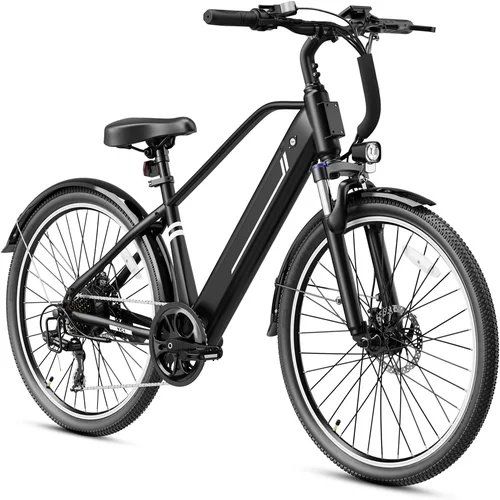
Electric bikes have revolutionized the way we think about cycling—especially on paved roads. Whether you’re commuting to work, exploring scenic routes, or training for endurance rides, a road electric bike (e-bike) offers the perfect blend of human power and motor-assisted speed. As we move into 2026, the market for road e-bikes has matured significantly, with manufacturers pushing the boundaries of battery efficiency, lightweight frames, smart connectivity, and aerodynamic design. With so many options available, choosing the right one can feel overwhelming.
This comprehensive buyer’s guide is designed to cut through the noise and help you make an informed decision. Whether you’re a seasoned cyclist looking to upgrade or a newcomer curious about how e-bikes can enhance your riding experience, this guide covers everything you need to know. We’ll walk you through the key factors to consider, compare different types of road e-bikes, highlight common pitfalls to avoid, and provide expert-backed recommendations based on real-world performance and value.
The road e-bike market in 2026 is more diverse than ever. From sleek, minimalist commuter models to high-performance machines capable of tackling long-distance rides, there’s a bike for nearly every need and budget. Advances in mid-drive motors, regenerative braking, and integrated GPS systems mean today’s road e-bikes are smarter, faster, and more efficient than their predecessors. But with innovation comes complexity—and cost. That’s why understanding what truly matters in a road e-bike is essential before making a purchase.

What to Look for When Buying Road Electric Bikes
1. Motor Type and Power Output
The motor is the heart of any electric bike, and for road models, it needs to deliver smooth, responsive assistance without adding excessive weight or drag. In 2026, two main types dominate the market: hub motors and mid-drive motors.
Hub motors are typically found in the front or rear wheel and are common in entry-level and mid-range e-bikes. They’re simple, reliable, and cost-effective, but they can feel unbalanced and less efficient on hills or during rapid acceleration. Mid-drive motors, on the other hand, are mounted near the bike’s bottom bracket and power the crankset directly. This placement offers better weight distribution, improved hill-climbing ability, and more natural pedaling dynamics—making them ideal for serious road riders.
When evaluating motor power, look at both wattage (W) and torque (Nm). Most road e-bikes in the U.S. are limited to 750W under federal law, which is sufficient for legal Class 1 and Class 3 operation. However, torque is often more important than raw wattage—especially for maintaining speed on inclines. A motor with 85–100 Nm of torque will feel significantly stronger than one with 60 Nm, even if both are rated at 750W.
2. Battery Capacity and Range
Battery technology has seen major improvements in recent years, with lithium-ion cells becoming more energy-dense, durable, and lightweight. For road e-bikes, battery capacity is measured in watt-hours (Wh), which directly impacts how far you can ride on a single charge.
A typical road e-bike battery ranges from 400Wh to 750Wh. A 500Wh battery, for example, might give you 40–60 miles of range under moderate assistance, depending on terrain, rider weight, and riding style. Higher-capacity batteries (600Wh+) are ideal for long-distance touring or riders who prefer higher assist levels.
But capacity isn’t the only factor. Battery placement matters too. Integrated batteries that sit inside the downtube offer a cleaner look and better aerodynamics, while removable batteries make charging more convenient—especially if you don’t have easy access to an outlet near your storage area.
Also consider charging time. Most modern batteries charge fully in 3–6 hours, but some premium models now support fast charging (80% in under 2 hours). If you plan to use your e-bike daily for commuting, fast charging can be a game-changer.
3. Frame Material and Weight
The frame is the foundation of your e-bike’s performance, comfort, and durability. In 2026, the most common materials are aluminum, carbon fiber, and steel—each with distinct advantages.
Aluminum is the most popular choice due to its excellent strength-to-weight ratio, corrosion resistance, and affordability. Most mid-range road e-bikes use hydroformed aluminum frames that balance stiffness and compliance, offering a smooth ride over rough pavement.
Carbon fiber is lighter and absorbs vibrations better, making it ideal for high-end models aimed at performance-oriented riders. However, it’s significantly more expensive and can be prone to damage from impacts.
Steel frames are rare in road e-bikes but offer exceptional durability and a plush ride quality. They’re heavier, though, which can offset some of the benefits of electric assistance.
Weight is a critical consideration. A lighter bike is easier to handle, accelerates faster, and climbs hills more efficiently. Aim for a total weight under 50 pounds (23 kg) for optimal road performance. Premium models now dip below 40 pounds, rivaling traditional road bikes.
4. Drivetrain and Gearing
A quality drivetrain ensures smooth shifting, reliable performance, and efficient power transfer—especially important when combining human and motor input. Most road e-bikes in 2026 come equipped with either Shimano, SRAM, or Campagnolo groupsets.
For e-bikes, Shimano’s STEPS system (E6100, E7000, or E8000) and SRAM’s Eagle drivetrains are popular choices. These systems are designed to work seamlessly with electric motors and offer precise shifting even under load.
Pay attention to the number of gears. While 8–9 speeds are sufficient for flat urban commutes, 11–12 speed setups are better for varied terrain and high-speed riding. Some high-end models now feature electronic shifting (e.g., Shimano Di2 or SRAM AXS), which delivers lightning-fast, accurate shifts at the push of a button.
Also consider whether the bike uses a traditional chain or a belt drive. Belt drives are cleaner, quieter, and require less maintenance—but they’re heavier and not compatible with all rear hubs. They’re common on premium commuter e-bikes but less so on performance-oriented road models.
5. Braking System
Safety is paramount, and brakes are one of the most critical components—especially at higher speeds enabled by electric assistance. Disc brakes have become the standard for road e-bikes, offering superior stopping power and modulation in all weather conditions.
There are two types: mechanical (cable-actuated) and hydraulic. Hydraulic disc brakes provide better lever feel, require less hand force, and perform more consistently over time. They’re worth the extra cost, especially if you ride frequently or in hilly areas.
Look for 160mm or 180mm rotors for optimal braking performance. Larger rotors dissipate heat better and offer more stopping power, which is important when carrying extra weight from batteries and motors.
Avoid rim brakes on e-bikes—they wear out faster under heavy use and lose effectiveness when wet or dirty.
6. Tires and Wheelset
Tires play a huge role in ride quality, speed, and puncture resistance. Road e-bikes typically use 28c to 32c tires, balancing rolling efficiency with comfort. Wider tires (up to 35c) are becoming more common as riders prioritize comfort over marginal speed gains.
Look for puncture-resistant tires with reinforced casings—especially if you ride on city streets with debris. Brands like Schwalbe, Continental, and Vittoria offer excellent e-bike-specific models like the Schwalbe Marathon E-Plus or Continental Grand Prix 5000 E.
The wheelset should be sturdy enough to handle the added weight and torque of an electric motor. Double-wall rims with 24–32 spokes are standard. Carbon wheels are available on high-end models but are expensive and may not be necessary unless you’re racing or doing serious endurance riding.
Tubeless setups are also gaining popularity. They reduce the risk of pinch flats and allow lower tire pressures for better grip and comfort—just ensure your wheels and tires are compatible.
7. Display and Connectivity Features
Modern road e-bikes come with sophisticated displays that show speed, battery level, assist mode, distance, and more. Entry-level models may have basic LCD screens, while premium bikes feature full-color TFT displays with touchscreens and smartphone integration.
Connectivity is a growing trend. Many 2026 models support Bluetooth and ANT+ to sync with fitness apps like Strava, Komoot, or Garmin. Some even include built-in GPS, allowing you to track routes without a phone.
Smart features like theft tracking, ride analytics, and over-the-air firmware updates add convenience and peace of mind. However, they can also increase complexity and cost. Decide whether these extras are worth it for your use case.
8. Warranty and After-Sales Support
A good warranty can save you thousands in repair costs down the line. Most reputable brands offer at least a 2-year warranty on the frame and motor, and 1 year on the battery. Premium manufacturers like Specialized, Trek, and Canyon often extend coverage to 5 years on frames and 2–3 years on electrical components.
Check what’s covered: labor, parts, battery degradation (most warranties cover batteries that drop below 60–70% capacity within the warranty period), and whether you need to register the bike.
Also consider the availability of local service centers. Buying from a brand with strong dealer support ensures faster repairs and access to genuine parts.
Different Types of Road Electric Bikes

Common Buying Mistakes to Avoid
❌ Mistake: Prioritizing Price Over Quality
Why it’s bad: Cheap e-bikes often use low-quality motors, weak batteries, and flimsy frames that degrade quickly. You may end up spending more on repairs or replacements than if you’d bought a better bike upfront.
What to do instead: Set a realistic budget and focus on value, not just the lowest price. Look for bikes with reputable components and solid warranties. A $2,500 bike with a mid-drive motor and hydraulic brakes will outperform a $1,200 model with a hub motor and mechanical discs.
❌ Mistake: Ignoring Fit and Geometry
Why it’s bad: An ill-fitting bike causes discomfort, reduces efficiency, and increases injury risk—especially on long rides. Road e-bikes come in various geometries: relaxed (upright), sport (moderate), and aggressive (aero).
What to do instead: Test ride multiple sizes and styles. Pay attention to reach, stack height, and saddle position. Many brands offer online fit calculators, but nothing beats a real-world test.
❌ Mistake: Overlooking Battery Degradation
Why it’s bad: Lithium-ion batteries lose capacity over time. A 500Wh battery might only deliver 350Wh after 3–5 years, drastically reducing range.
What to do instead: Choose a brand with a strong battery warranty (at least 2 years). Avoid leaving the battery fully charged or fully depleted for long periods. Store it at 40–60% charge if not used for weeks.
❌ Mistake: Buying Without Test Riding
Why it’s bad: E-bikes feel different from regular bikes. Motor engagement, weight distribution, and handling vary widely between models.
What to do instead: Always test ride before buying. If purchasing online, choose retailers with generous return policies (30 days or more). Some brands even offer demo programs.
❌ Mistake: Neglecting Local Laws and Classifications
Why it’s bad: E-bikes are classified by speed and motor activation. Class 1 (pedal-assist up to 20 mph) and Class 3 (up to 28 mph) are legal on most roads and bike paths. Class 2 (throttle-assisted) may be restricted in some areas.
What to do instead: Verify your local regulations. Choose a bike that matches your intended use and complies with local laws to avoid fines or confiscation.
❌ Mistake: Skipping Accessories and Upgrades
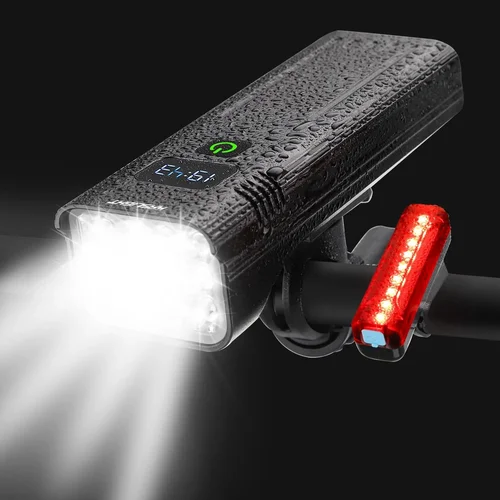
Why it’s bad: A bike without lights, fenders, or a rack limits its practicality—especially for commuting.
What to do instead: Factor in accessory costs when budgeting. Many brands sell complete packages. At minimum, invest in a good lock, helmet, and lights.
❌ Mistake: Assuming All E-Bikes Are the Same
Why it’s bad: Road e-bikes vary widely in performance, comfort, and intended use. A commuter model won’t handle like a performance bike.
What to do instead: Define your primary use case (commuting, fitness, touring) and choose a bike designed for that purpose.
Budget Guidelines: How Much Should You Spend?
– Entry-Level ($1,200 – $2,500): Expect hub motors, basic aluminum frames, 400–500Wh batteries, and mechanical disc brakes. These are great for casual riders and short commutes but may lack refinement and long-term durability.
– Mid-Range ($2,500 – $4,500): The sweet spot for most buyers. Look for mid-drive motors (Shimano STEPS or Bosch), hydraulic disc brakes, 500–625Wh batteries, and better components. These bikes offer excellent performance, comfort, and reliability.
– Premium ($4,500 – $7,000): For enthusiasts and serious riders. Features include carbon frames, high-torque motors, 625–750Wh batteries, electronic shifting, and advanced displays. Ideal for long-distance rides and performance training.
– Luxury ($7,000+): Top-tier engineering with ultra-lightweight materials, custom builds, regenerative braking, and smart integration. These are for collectors, racers, or those who want the absolute best.
Expert Tips for Getting the Best Deal
– Buy in the Off-Season: Late fall and winter are the best times to find discounts. Retailers clear inventory for new models, and you can save 10–20%.
– Shop Direct vs. Retail: Brands like Rad Power Bikes and Aventon sell direct-to-consumer, often at lower prices. However, local bike shops offer service, fitting, and test rides—worth the premium for many.
– Look for Bundles: Some retailers offer packages with free accessories (lights, locks, racks) or extended warranties. These can add significant value.
– Check for Rebates and Incentives: Many cities and states offer e-bike purchase incentives—up to $1,500 in some cases. Check local programs before buying.
– Read Real User Reviews: Look beyond marketing claims. Sites like Electric Bike Review and YouTube channels offer honest, long-term feedback.
– Negotiate: Especially at local shops. Ask about price matching, free tune-ups, or accessory discounts.
– Consider Certified Pre-Owned: High-end e-bikes depreciate quickly. Certified used models from reputable dealers can offer huge savings with full warranties.
– Test Before You Commit: If buying online, choose retailers with 30-day return policies. Ride the bike in real conditions—commute, hills, traffic—before deciding.

Frequently Asked Questions
Q: Are road e-bikes legal everywhere?
A: In most U.S. states and EU countries, Class 1 and Class 3 e-bikes are legal on roads and bike paths. However, local regulations vary—some cities ban throttle-assisted models or restrict speeds in parks. Always check local laws.
Q: How far can a road e-bike go on one charge?
A: Range depends on battery capacity, assist level, terrain, and rider weight. A 500Wh battery typically provides 40–70 miles. Eco mode extends range; Turbo mode reduces it significantly.
Q: Do I need a license or insurance?
A: In most places, no. E-bikes under 750W and 20 mph (Class 1) are treated like regular bicycles. However, some states require helmets or have age restrictions.
Q: Can I ride a road e-bike in the rain?
A: Yes, most are water-resistant (IP65 or higher). Avoid submerging the battery or motor. Dry the bike after wet rides to prevent corrosion.
Q: How often should I charge the battery?
A: Charge when it drops to 20–30%. Avoid letting it sit at 0% or 100% for long periods. Partial charges (e.g., 30% to 80%) are best for longevity.
Q: Are e-bikes hard to maintain?
A: Not really. Basic maintenance includes cleaning, tire checks, brake adjustments, and chain lubrication. Mid-drive systems may need occasional motor servicing, but most issues are covered under warranty.
Q: Can I pedal without the motor?
A: Absolutely. All e-bikes function as regular bikes when the motor is off. This is useful for extending range or getting a workout.
Q: What’s the difference between a road e-bike and a hybrid e-bike?
A: Road e-bikes are lighter, faster, and built for paved surfaces with drop handlebars and narrow tires. Hybrids are more upright, wider-tired, and suited for mixed terrain.
Q: Do e-bikes require special tools for repairs?
A: Most repairs use standard bike tools. However, motor and battery servicing should be done by certified technicians to avoid voiding warranties.
Q: How long do e-bike batteries last?
A: Typically 500–1,000 charge cycles, or 3–7 years with proper care. After that, capacity drops below 70%, and replacement may be needed.
Our Final Recommendations
– Best for Budget-Conscious Buyers: Aventon Level.2 – At $1,999, it offers a reliable hub motor, 520Wh battery, and integrated lights. Great for city commuting with solid build quality.
– Best Overall Value: Specialized Turbo Vado SL 4.0 – Priced at $3,750, it features a lightweight SL 1.1 motor, 604Wh battery, and premium components. Ideal for fitness and commuting.
– Best Premium Option: Trek Domane+ SLR 9 – At $8,499, this carbon-framed beast includes a Bosch Performance Line CX motor, 625Wh battery, and electronic shifting. Perfect for long-distance performance.
– Best for Beginners: Rad Power Bikes RadCity 5 Plus – User-friendly, with step-through frame, 672Wh battery, and excellent customer support. Great entry point at $2,199.
– Best for Advanced Users: Canyon Grail:ON CF 9 – A gravel-road hybrid with a Shimano STEPS E8000 motor, 630Wh battery, and race-ready geometry. Priced at $6,299, it’s built for speed and versatility.
Conclusion: Making the Right Choice
Choosing the right road electric bike in 2026 is about balancing performance, comfort, and practicality with your budget and riding goals. The market offers incredible diversity, from affordable commuters to high-end performance machines. By focusing on key factors like motor type, battery capacity, frame quality, and after-sales support, you can avoid common pitfalls and find a bike that enhances your riding experience for years to come.
Remember, the best e-bike isn’t necessarily the most expensive—it’s the one that fits your lifestyle, meets your needs, and brings you joy every time you ride. Take your time, test ride when possible, and don’t hesitate to ask questions. Whether you’re reducing your carbon footprint, improving your fitness, or simply enjoying the open road, a road electric bike can be a transformative investment.
Now that you’re armed with expert knowledge, it’s time to take the next step. Explore your options, compare models, and choose the bike that feels right. The road ahead is electric—and it’s waiting for you.