
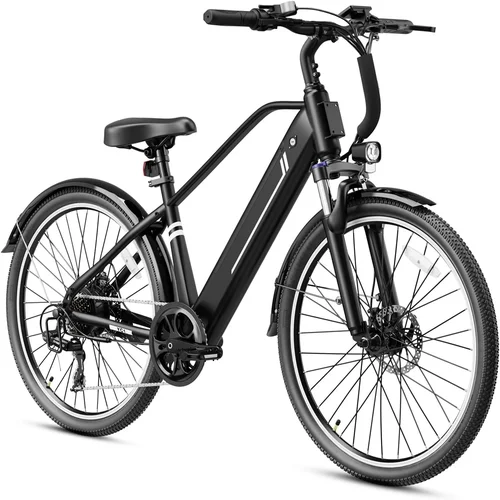
Electric bikes, or e-bikes, have revolutionized personal transportation for adults in ways few could have predicted even a decade ago. No longer just a niche curiosity, e-bikes are now a mainstream solution for commuting, recreation, fitness, and even cargo hauling. Whether you’re navigating city traffic, exploring mountain trails, or simply looking for a more sustainable way to get around, there’s an e-bike designed to meet your needs. With advancements in battery technology, motor efficiency, and smart integration, 2026 is shaping up to be one of the most exciting years yet for adult e-bike adoption.
This comprehensive buying guide is designed to cut through the noise and help you make a confident, informed decision. We’ll walk you through every critical factor—from budget and performance to build quality and brand reputation—so you can find the perfect e-bike for your lifestyle. You’ll learn how to compare different models, avoid common pitfalls, and understand what truly matters when investing in an electric bike. Whether you’re a first-time buyer or upgrading from an older model, this guide will equip you with the knowledge to choose wisely.
The e-bike market has exploded in recent years, with hundreds of brands and thousands of models now available. From sleek urban commuters to rugged off-road machines, the variety can be overwhelming. But with the right guidance, you can narrow your options and find a bike that delivers on performance, comfort, and value. In this guide, we’ll explore the key considerations, compare major categories, highlight expert tips, and provide actionable recommendations to ensure you get the best possible e-bike for your needs.

What to Look for When Buying an Adult E-Bike
1. Budget & Price Range
Your budget is the foundation of your e-bike purchase. E-bikes range from under $1,000 to over $10,000, and while it’s tempting to go for the cheapest option, doing so can lead to disappointment. A low-cost e-bike often means compromises in motor power, battery life, build quality, and after-sales support. On the other hand, spending thousands doesn’t guarantee the best fit—your needs should always come first.
To determine your ideal budget, consider how often you’ll ride, the terrain you’ll cover, and whether you need features like cargo capacity or long-range commuting. Most adult riders find excellent value in the $1,500–$3,500 range, where you get reliable motors, decent batteries, and solid warranties. If you’re using the e-bike for daily commuting or heavy use, investing more upfront can save money in the long run by reducing maintenance and replacement costs.
2. Performance Specifications
Performance is where e-bikes truly differentiate themselves. The two most critical components are the motor and the battery. Motors are typically rated in watts (W), with common ranges from 250W to 750W. In the U.S., Class 1 and Class 2 e-bikes are limited to 750W, while Class 3 can reach up to 28 mph with pedal assist. Higher wattage doesn’t always mean better performance—motor placement (hub vs. mid-drive) and torque matter more.
Mid-drive motors, found on higher-end models, are mounted near the pedals and offer better weight distribution, improved climbing ability, and more natural pedaling feel. Hub motors, usually in the rear or front wheel, are simpler and cheaper but can feel less balanced on hills. Torque, measured in Newton-meters (Nm), indicates how much force the motor can deliver—ideal for hill climbing and acceleration.
Battery capacity is measured in watt-hours (Wh). A 400Wh battery is standard for city riding, offering 20–40 miles per charge. For longer commutes or hilly terrain, aim for 500Wh or more. Lithium-ion batteries are the standard, but pay attention to the cell quality (e.g., Samsung, LG, or Panasonic cells are more reliable than generic ones). Also, check if the battery is removable—this makes charging and replacement much easier.
3. Build Quality & Durability
An e-bike is a significant investment, so durability should be a top priority. Look for frames made from high-quality aluminum alloys (like 6061 or 7005) or carbon fiber for premium models. Steel frames are strong but heavy, making them less ideal for most adult riders. Check for reinforced welds, internal cable routing, and weather-resistant components—especially if you’ll be riding in rain or snow.
Suspension systems also play a role in durability and comfort. Hardtail bikes (front suspension only) are common and effective for city and light trail use. Full-suspension models are better for rough terrain but add weight and cost. For urban riders, a suspension seatpost or ergonomic saddle may be sufficient.
Brakes are another critical durability factor. Mechanical disc brakes are adequate for casual use, but hydraulic disc brakes offer superior stopping power and require less maintenance. Avoid rim brakes on e-bikes—they wear out quickly under the added weight and speed.
Finally, inspect the drivetrain. A well-maintained chain and quality derailleur (like Shimano or SRAM) will last longer and perform better. Some e-bikes now feature belt drives, which are quieter, cleaner, and require no lubrication—ideal for commuters.
4. Features & Functionality
Modern e-bikes come packed with features that enhance usability and safety. A clear, backlit LCD display is essential for monitoring speed, battery level, assist mode, and distance. Some models include Bluetooth connectivity, allowing you to sync with smartphone apps for navigation, ride tracking, and firmware updates.
Integrated lighting is a must for safety. Front and rear LED lights powered by the main battery ensure visibility without needing separate chargers. Fenders and rear racks are practical for commuting and cargo, especially if you plan to carry groceries, a laptop, or a child seat.
Smart features are becoming more common. GPS tracking, anti-theft alarms, and automatic gear shifting are now available on select models. While not essential, these can add peace of mind and convenience. However, be cautious—overly complex electronics can increase repair costs and reduce reliability.
Consider ergonomics too. Adjustable handlebars, step-through frames, and multiple seat positions improve comfort, especially for longer rides. Test ride whenever possible to assess fit and handling.
5. Brand Reputation
Not all e-bike brands are created equal. Established names like Trek, Specialized, Rad Power Bikes, and Giant have proven track records for quality, innovation, and customer support. These brands often invest more in R&D, use higher-grade components, and offer better warranties.
Emerging brands can offer great value, but do your homework. Check online reviews, forums, and social media for real user feedback. Look for brands that are transparent about their supply chain, battery sourcing, and manufacturing standards. Avoid companies with vague websites, poor customer service, or no physical support network.
Also, consider where the bike is assembled. Bikes assembled in North America or Europe often have better quality control than those shipped fully assembled from overseas. Local assembly also means easier access to service and parts.
6. Warranty & Support
A strong warranty is a sign of a manufacturer’s confidence in their product. Most reputable brands offer at least a 1–2 year warranty on the frame and motor, and 6–12 months on the battery. Some premium brands extend coverage to 3–5 years, especially on the frame and motor.
Pay attention to what’s covered. A comprehensive warranty should include defects in materials and workmanship, but may exclude wear items like tires, brakes, and chains. Battery warranties often cover capacity degradation—look for guarantees that the battery will retain at least 70% of its original capacity after 2–3 years.
Customer support matters just as much. Can you reach a real person quickly? Are replacement parts readily available? Do they offer repair guides or video tutorials? Brands with strong online communities and active support forums tend to provide better long-term ownership experiences.
Finally, check if the warranty is transferable. If you plan to sell the bike later, a transferable warranty can increase its resale value.
7. Size & Portability
E-bikes are heavier than traditional bikes—typically 40–70 pounds—so size and portability are important considerations. If you need to carry your bike upstairs, load it into a car, or store it in a small apartment, look for lightweight models or those with folding capabilities.
Folding e-bikes, like those from Brompton or Tern, are ideal for urban dwellers with limited space. They can be stowed under a desk or in a closet, and many are airline-approved for travel. However, they often sacrifice range and performance due to smaller batteries and motors.
Step-through frames are easier to mount and dismount, especially for riders with limited mobility or those wearing skirts or suits. Traditional diamond frames offer more rigidity and are preferred by performance-oriented riders.
Always check the bike’s dimensions and weight before buying. Measure your storage space and consider how you’ll transport the bike. Some models come with integrated handles or wheels for easier maneuvering.
8. User Reviews & Ratings
Never rely solely on manufacturer specs. Real-world user reviews provide invaluable insights into reliability, comfort, and real-world performance. Platforms like Amazon, REI, and specialized e-bike forums (like Electric Bike Review or Reddit’s r/ebikes) are excellent resources.
Look for patterns in reviews. If multiple users report the same issue—like battery failure, poor customer service, or uncomfortable seating—it’s a red flag. Conversely, consistent praise for ride quality, durability, or support is a good sign.
Pay attention to long-term reviews (6+ months of use). These reveal how the bike holds up over time, which is critical for such a significant purchase. Also, check if the brand responds to negative reviews—this shows accountability and commitment to improvement.
Video reviews are especially helpful. They show the bike in action, demonstrate features, and often include test rides on different terrains. YouTube channels like Electric Bike Report or Benno Bikes offer detailed, unbiased evaluations.
Different Types of Adult E-Bikes

Common Buying Mistakes to Avoid
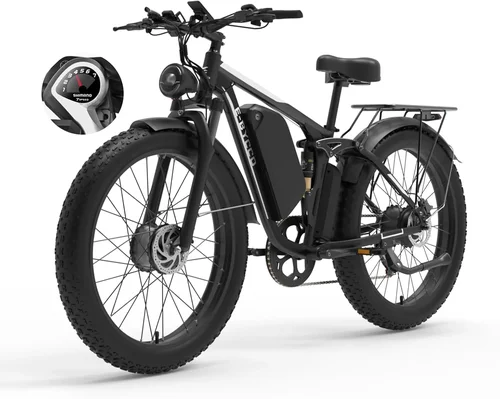
❌ Mistake: Ignoring Local E-Bike Laws
Why it’s bad: E-bike regulations vary by state, country, and even city. In the U.S., Class 1, 2, and 3 e-bikes have different speed and motor power limits. Riding a Class 3 bike on a trail that only allows Class 1 can result in fines or bans. Some areas prohibit e-bikes on sidewalks or require helmets and registration.
What to do instead: Research your local laws before buying. Check with your city’s transportation department or parks authority. Choose a bike that complies with local regulations to avoid legal issues and ensure access to bike lanes and trails.
❌ Mistake: Overlooking Test Rides
Why it’s bad: An e-bike that looks great on paper might feel uncomfortable or unbalanced in real life. Fit, handling, and ergonomics are subjective and can’t be fully assessed from specs alone.
What to do instead: Always test ride before buying, especially for higher-priced models. Visit local dealers or attend e-bike demo events. Pay attention to seat comfort, handlebar reach, and how the bike accelerates and brakes.
❌ Mistake: Choosing Based on Price Alone
Why it’s bad: The cheapest e-bike often uses low-quality components that wear out quickly. You may end up spending more on repairs and replacements than if you’d bought a better model upfront.
What to do instead: Focus on value, not just price. Consider total cost of ownership, including maintenance, battery life, and resale value. A mid-range bike with a strong warranty often offers better long-term value.
❌ Mistake: Neglecting Battery Range Claims
Why it’s bad: Manufacturers often quote “up to” range figures based on ideal conditions—flat terrain, minimal assist, and light riders. Real-world range is usually 30–50% less, especially in hills or cold weather.
What to do instead: Use range calculators (available on many brand websites) and read user reviews for real-world estimates. Add a safety buffer—if you need 30 miles, choose a bike rated for at least 45–50 miles.
❌ Mistake: Skipping Insurance or Theft Protection
Why it’s bad: E-bikes are expensive and attractive to thieves. Without insurance, a stolen bike could cost you thousands. Standard homeowners’ policies may not cover e-bikes fully.
What to do instead: Invest in a high-quality U-lock or chain lock. Register your bike with national databases like Bike Index. Consider adding e-bike coverage to your insurance policy or purchasing standalone insurance.
❌ Mistake: Buying Without Considering Maintenance
Why it’s bad: E-bikes require regular maintenance—brake adjustments, tire checks, battery care, and software updates. If you can’t perform basic upkeep or lack access to service, your bike may deteriorate quickly.
What to do instead: Learn basic maintenance or find a reliable local shop. Choose brands with good service networks. Some companies offer free tune-ups or maintenance plans with purchase.
❌ Mistake: Ignoring Resale Value
Why it’s bad: E-bike technology evolves rapidly. A bike that’s cutting-edge today may be outdated in 3–5 years. Poor resale value means you lose more when upgrading.
What to do instead: Buy from reputable brands with strong resale markets. Keep your bike well-maintained and retain original packaging and documentation. Consider certified pre-owned models for better value.
Budget Guidelines: How Much Should You Spend?
Entry-Level ($800 – $1,500): These e-bikes are ideal for casual riders, short commutes, or weekend adventures. Expect hub motors, basic batteries (300–400Wh), and minimal features. Brands like Ancheer, Swagtron, and Ecotric offer budget options, but quality can vary. Best for light use and flat terrain.
Mid-Range ($1,500 – $3,500): This is the sweet spot for most adult riders. You’ll find reliable mid-drive or high-quality hub motors, 400–600Wh batteries, hydraulic disc brakes, and integrated lights. Brands like Rad Power Bikes, Aventon, and Lectric offer excellent value. Perfect for daily commuting, moderate hills, and longer rides.
Premium ($3,500 – $6,000): Designed for enthusiasts and serious commuters. These bikes feature top-tier components—Shimano or SRAM drivetrains, high-capacity batteries (600Wh+), full suspension (on eMTBs), and advanced displays. Brands like Trek, Specialized, and Riese & Müller dominate this space. Ideal for performance, durability, and long-term use.
Luxury ($6,000+): For those who want the best. These e-bikes offer cutting-edge technology, carbon frames, ultra-long range, and luxury finishes. Examples include the Stromer ST5, Bosch-powered models, and custom builds. Best for professionals, long-distance travelers, or collectors.
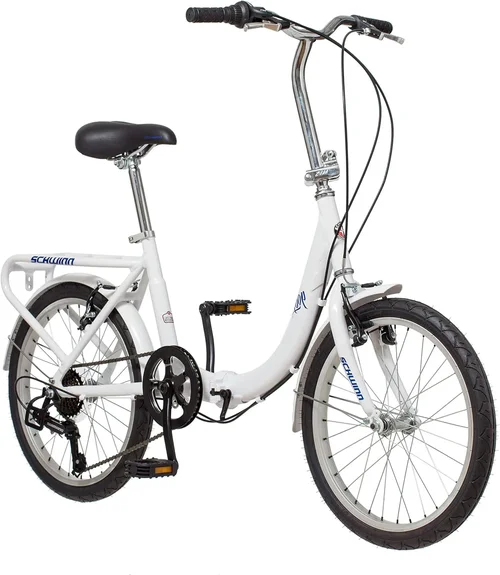
Expert Tips for Getting the Best Deal
- Buy during off-seasons: Late fall and winter are the best times to find discounts. Many retailers clear inventory before new models arrive in spring.
- Shop at certified dealers: They often offer better warranties, free tune-ups, and expert advice. Online-only brands may save money but lack local support.
- Look for bundle deals: Some retailers include helmets, locks, or racks for free. These can save $100–$200.
- Consider certified pre-owned: Many brands now offer refurbished e-bikes with warranties. These can be 20–40% cheaper than new.
- Check for rebates and incentives: Some cities and employers offer e-bike purchase incentives. California, for example, has a state rebate program.
- Negotiate: Especially at local shops, you may be able to negotiate price, especially on floor models or end-of-season stock.
- Read the fine print: Understand return policies, restocking fees, and warranty terms before buying.
- Join loyalty programs: Some brands offer discounts, early access to sales, or free maintenance for members.
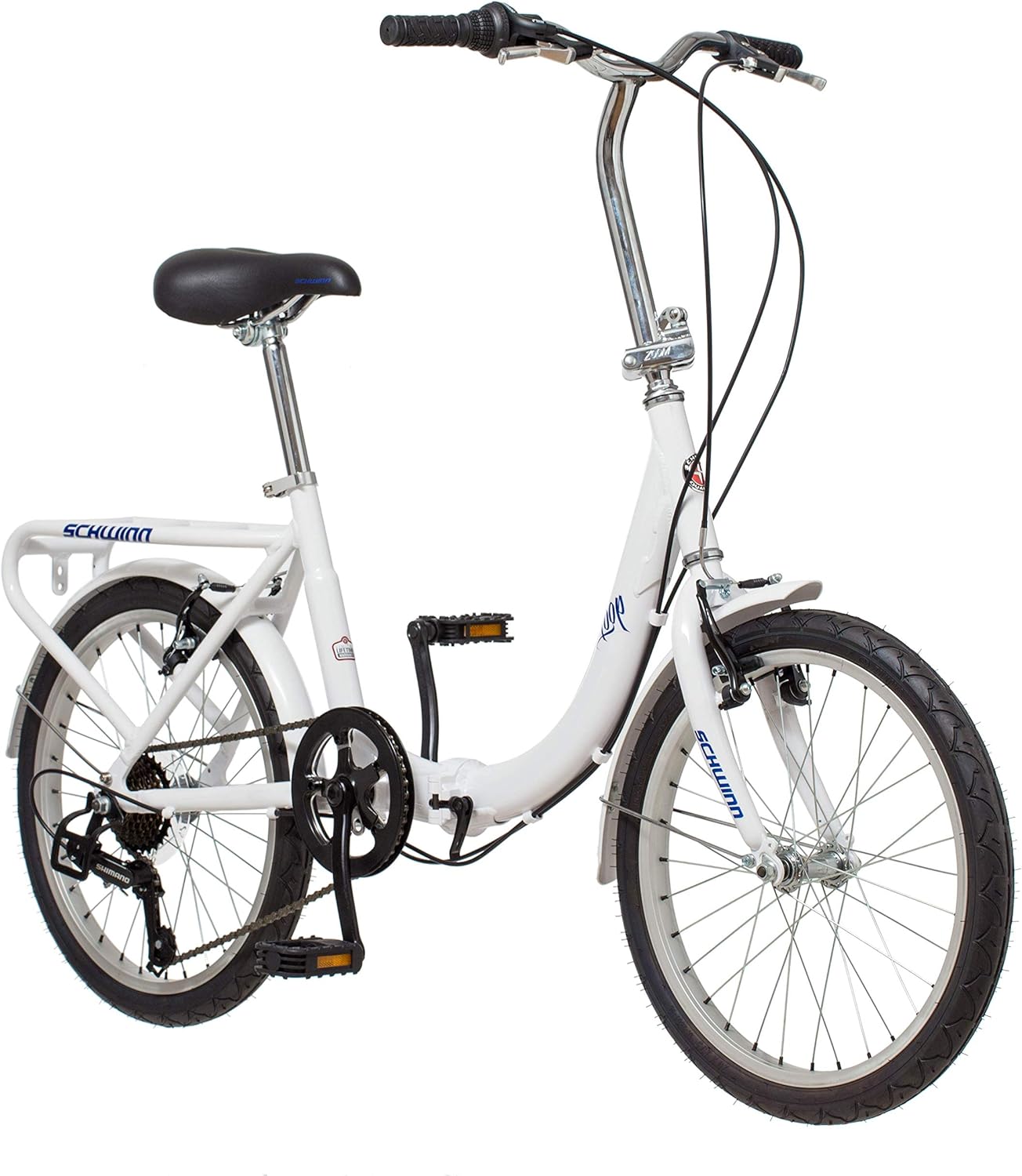
Frequently Asked Questions
Q: How far can an e-bike go on a single charge?
A: Range depends on battery capacity, terrain, rider weight, assist level, and weather. Most e-bikes offer 20–70 miles per charge. A 500Wh battery typically provides 30–50 miles in real-world conditions. Use the bike’s eco mode and pedal more to extend range.
Q: Do I need a license or insurance to ride an e-bike?
A: In most U.S. states, no license or insurance is required for Class 1 and 2 e-bikes. Class 3 may require a helmet and have age restrictions. Laws vary by location, so check your local regulations.
Q: Can I ride an e-bike in the rain?
A: Yes, most e-bikes are water-resistant and can handle light to moderate rain. Avoid submerging the battery or motor. Dry the bike after wet rides and store it indoors when possible.
Q: How often should I charge the battery?
A: Charge regularly but avoid letting the battery drop below 20% or stay at 100% for long periods. Partial charges (e.g., 30%–80%) are best for longevity. Most batteries last 500–1,000 charge cycles.
Q: Can I pedal an e-bike without power?
A: Yes, all e-bikes can be ridden like regular bikes if the battery dies. The motor adds some resistance, but it’s manageable on flat terrain.
Q: Are e-bikes good for exercise?
A: Absolutely. Even with pedal assist, you’re still pedaling and burning calories. Using lower assist levels or turning off the motor increases workout intensity.
Q: How do I maintain my e-bike?
A: Regularly check tire pressure, brake pads, and chain lubrication. Clean the bike after muddy rides. Have a professional service it annually. Keep the battery charged and stored properly.
Q: Can I upgrade my e-bike’s battery?
A: Some models allow battery upgrades, but compatibility varies. Check with the manufacturer. Upgrading may void the warranty, so proceed with caution.
Q: Are e-bikes safe?
A: When used responsibly, e-bikes are safe. Wear a helmet, follow traffic laws, and use lights at night. Be aware of your speed, especially in crowded areas.
Q: What’s the difference between Class 1, 2, and 3 e-bikes?
A: Class 1: Pedal-assist only, up to 20 mph. Class 2: Throttle-assisted, up to 20 mph. Class 3: Pedal-assist only, up to 28 mph. Class 3 bikes often require helmets and may have access restrictions.
Our Final Recommendations
- Best for Budget-Conscious Buyers: Rad Power Bikes RadCity 5 Plus – At around $1,999, it offers excellent value with a 672Wh battery, hydraulic brakes, and integrated lights. Ideal for city commuting.
- Best Overall Value: Aventon Level.2 – Priced at $1,799, it features a mid-drive motor, 520Wh battery, and sleek design. Great for urban and light trail use.
- Best Premium Option: Specialized Turbo Vado SL 5.0 – At $4,500, it’s lightweight, powerful, and packed with smart features. Perfect for serious commuters.
- Best for Beginners: Lectric XP 3.0 – A folding e-bike under $1,000 with surprising performance. Easy to use and store, great for first-time buyers.
- Best for Advanced Users: Trek Allant+ 9.9S – A high-end commuter with Bosch motor, 625Wh battery, and premium components. Built for long-distance, high-performance riding.
Conclusion: Making the Right Choice
Choosing the right adult e-bike is a personal decision that depends on your lifestyle, budget, and riding goals. By focusing on key factors like performance, build quality, and brand reputation, you can avoid common pitfalls and find a bike that delivers years of reliable service. Whether you’re commuting to work, exploring trails, or simply enjoying the freedom of electric-assisted travel, the right e-bike can transform your daily routine.
Remember, the best e-bike isn’t necessarily the most expensive or feature-packed—it’s the one that fits your needs and feels right when you ride it. Take your time, do your research, and don’t hesitate to seek expert advice. With the insights from this guide, you’re well-equipped to make a confident, informed purchase. Happy riding!