

Road biking is more than just a mode of transportation—it’s a lifestyle, a fitness routine, and for many, a passion. Whether you’re commuting to work, training for your first century ride, or simply exploring scenic routes on weekends, having the right road bike can make all the difference. But with so many options flooding the market, especially under the $500 mark, it’s easy to feel overwhelmed. That’s where this guide comes in.
In this comprehensive buying guide, we’ll walk you through everything you need to know to make a smart, informed decision when purchasing a road bike under $500. We’ll break down the essential factors to consider, compare different types of bikes in this price range, highlight common pitfalls to avoid, and share expert tips to help you stretch your budget without sacrificing quality. By the end, you’ll have the confidence to choose a bike that fits your needs, your riding style, and your wallet.
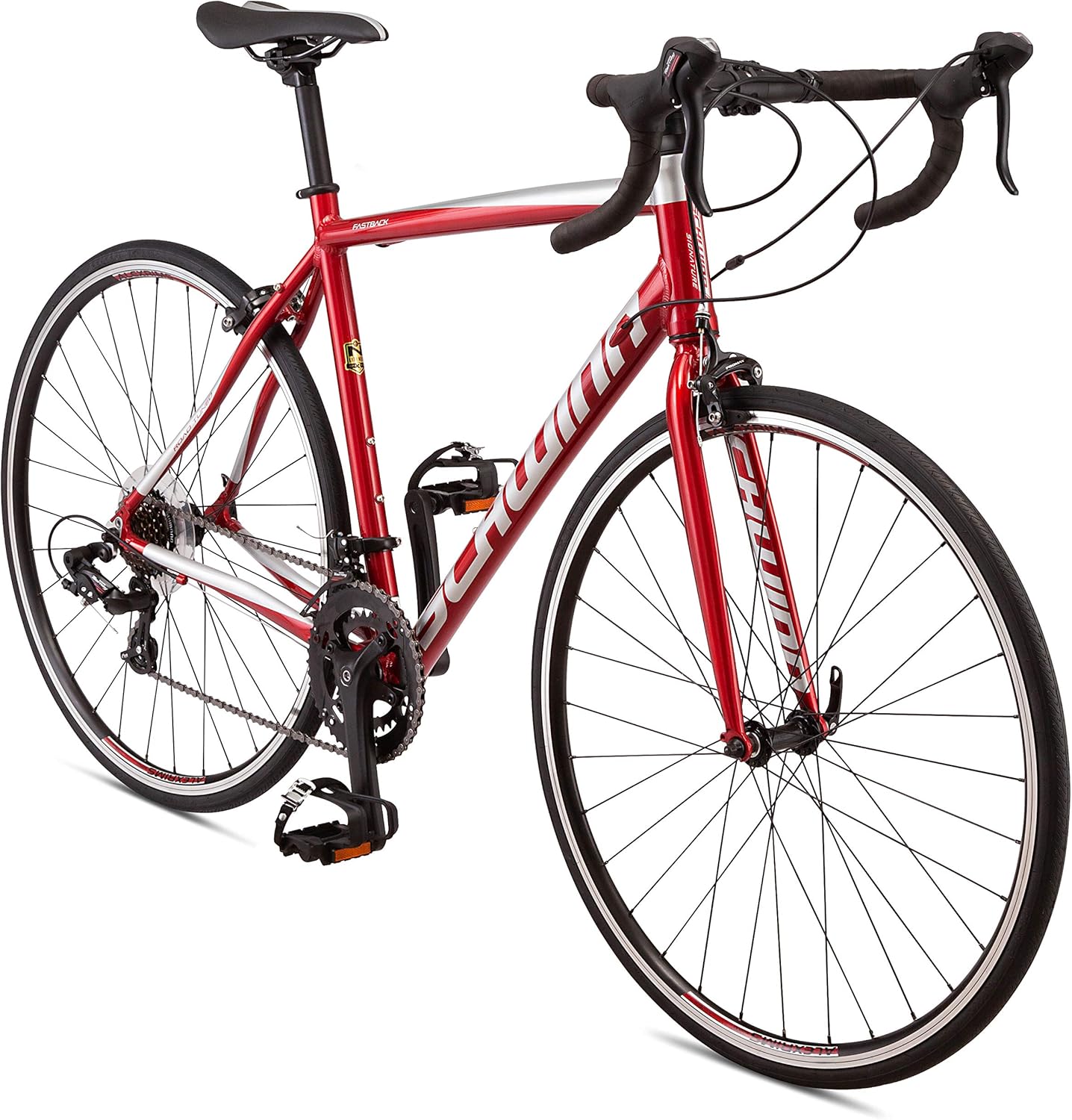
The road bike market under $500 has evolved significantly in recent years. While it used to be nearly impossible to find a reliable, performance-oriented bike at this price point, advancements in manufacturing and increased competition have made decent entry-level models more accessible than ever. Brands like Schwinn, Vilano, Tommaso, and sixthreezero now offer well-specced aluminum-framed road bikes with Shimano drivetrains, drop handlebars, and lightweight builds—all under $500. However, not all bikes in this range are created equal. Some prioritize speed, others comfort, and a few cut corners on critical components. Our goal is to help you distinguish between value and compromise so you can ride with confidence from day one.

What to Look for When Buying a Road Bike Under $500
1. Frame Material and Construction
The frame is the foundation of any road bike, and under $500, you’ll almost exclusively find aluminum frames. Aluminum is lightweight, stiff, and corrosion-resistant—making it ideal for entry-level road bikes. However, not all aluminum is the same. Look for frames made from 6061 or 7005 aluminum alloys, which offer a good balance of strength and weight. Avoid bikes with overly thick or poorly welded tubing, as these can add unnecessary bulk and reduce ride quality.
Pay attention to frame geometry as well. A more aggressive, race-oriented geometry will place you in a lower, aerodynamic position—great for speed but less comfortable on long rides. A relaxed geometry offers a more upright posture, which is better for beginners or recreational riders. Many bikes in this price range aim for a middle ground, but it’s worth checking the stack and reach measurements if you’re concerned about fit.
2. Drivetrain and Gearing
The drivetrain—comprising the shifters, derailleurs, chain, and cassette—is one of the most critical components on a road bike. Under $500, you’ll typically see Shimano Claris, Sora, or Tourney groupsets. Shimano Claris (8-speed) is the most common and offers reliable shifting for casual and fitness riders. Sora (9-speed) is a step up, with smoother shifts and better durability. Tourney is usually found on the lowest-end models and may feel clunky or imprecise.
Look for bikes with at least a 2×8 drivetrain (two chainrings up front, eight cogs in the rear). This gives you 16 gears, which is sufficient for handling hills and maintaining speed on flats. Avoid single-speed or fixed-gear road bikes unless you’re riding in flat urban areas and don’t mind limited versatility. Also, check whether the bike uses a traditional derailleur or a compact crankset—compact cranks (50/34T) are easier on the legs for climbing and are preferred by most beginners.
3. Wheelset and Tires
Wheels and tires significantly impact ride quality, speed, and comfort. Most sub-$500 road bikes come with basic alloy wheels and 700c tires. The tire width is important: 23mm to 25mm is standard, with 25mm offering a slightly more comfortable ride due to lower rolling resistance and better shock absorption. Some bikes now come with 28mm tires, which are even better for rough roads and long-distance comfort.
Check the tire brand and model. Generic or unbranded tires may wear out quickly or offer poor grip. Look for reputable names like Kenda, CST, or Schwalbe, even at this price point. Also, ensure the wheels are true (not wobbly) and use sealed cartridge bearings, which require less maintenance than loose-ball hubs. A good wheelset can make a noticeable difference in how the bike feels on the road.
4. Braking System
Brakes are non-negotiable when it comes to safety. Under $500, you’ll find two main types: rim brakes and mechanical disc brakes. Rim brakes (like caliper or dual-pivot brakes) are common and effective in dry conditions, but they can lose power in wet weather and wear down your rims over time. Mechanical disc brakes offer better stopping power and perform more consistently in rain or mud, but they add weight and complexity.
For most riders in this price range, dual-pivot caliper brakes are sufficient, especially if you ride primarily in dry climates. However, if you live in a rainy area or plan to ride year-round, a mechanical disc brake setup (like Tektro or Promax) is worth the slight premium. Avoid bikes with outdated side-pull calipers or no-name brake systems—these can be unreliable and dangerous.
5. Handlebars and Fit
Road bikes come with drop handlebars, which allow multiple hand positions and a more aerodynamic posture. However, the shape and width of the bars affect comfort and control. Most entry-level bikes use standard 400–440mm wide bars with a traditional curve. Wider bars offer more stability, while narrower bars improve aerodynamics.
Fit is crucial. A bike that’s too big or too small can lead to discomfort, pain, or even injury. Use a bike fit calculator or visit a local shop to determine your ideal frame size based on your height and inseam. Many online retailers provide size charts, but they’re not always accurate. If possible, test ride the bike or choose a brand with a generous return policy. Adjustable stems and seat posts can help fine-tune fit, but the frame size should be close to correct from the start.
6. Weight and Portability
Weight matters, especially if you plan to carry your bike upstairs, load it onto a rack, or ride long distances. Most aluminum road bikes under $500 weigh between 22 and 26 pounds. Lighter bikes (under 24 lbs) are easier to accelerate and climb with, but they often come at a higher price. That said, don’t obsess over every pound—differences under 2 lbs are barely noticeable in real-world riding.
If you need to transport your bike frequently, consider models with quick-release wheels and a foldable design (though true folding road bikes are rare under $500). Also, check the bike’s standover height—the distance from the top tube to the ground. A lower standover makes it easier to mount and dismount, especially for shorter riders or those with limited flexibility.
7. Brand Reputation and Reviews
Not all brands are created equal. Some companies specialize in budget-friendly bikes with decent specs, while others cut corners to hit a low price. Research brands like Vilano, Schwinn, Tommaso, sixthreezero, and Raleigh—these have established reputations for offering good value in the under-$500 range. Avoid unknown or generic brands sold exclusively through third-party marketplaces, as they may lack customer support or use subpar components.
Read user reviews on sites like Amazon, REI, or BikeRadar. Look for consistent feedback about build quality, ease of assembly, and long-term durability. Pay attention to comments about missing parts, poor instructions, or defective components. A bike with hundreds of 4-star reviews is generally a safer bet than one with only a handful of glowing testimonials.
8. Warranty and Customer Support
A good warranty can save you money and headaches down the road. Most reputable brands offer at least a 1-year warranty on the frame and components, with some extending to 2 or 3 years. Check what’s covered—some warranties exclude wear items like tires, chains, or brake pads. Also, verify whether the warranty is honored by the seller or requires direct contact with the manufacturer.
Customer support is equally important. Can you easily reach someone by phone or email? Are replacement parts available? Brands with U.S.-based support teams tend to be more responsive. Avoid bikes sold by overseas sellers with no return policy or support infrastructure. A strong warranty and reliable support can turn a good bike into a great long-term investment.
Different Types of Road Bikes Under $500
Common Buying Mistakes to Avoid

❌ Mistake: Prioritizing Price Over Quality
Why it’s bad: The cheapest bike isn’t always the best value. Bikes under $250 often use heavy frames, low-end components, and poor assembly, leading to frequent repairs and a frustrating riding experience. You may end up spending more on upgrades and maintenance than if you’d bought a better bike initially.
What to do instead: Set a realistic budget of $350–$500 and focus on getting the best components within that range. A $450 bike with a Shimano Sora drivetrain and dual-pivot brakes will outperform a $299 model with Tourney components and basic calipers.
❌ Mistake: Ignoring Fit and Sizing
Why it’s bad: A poorly fitting bike causes discomfort, reduces efficiency, and increases the risk of injury. Many buyers choose a size based solely on height, but inseam length, torso size, and flexibility also matter.
What to do instead: Use a bike fit guide or consult a sizing chart that includes multiple measurements. If buying online, choose retailers with free returns or in-store pickup options. When possible, test ride similar models at a local shop.
❌ Mistake: Overlooking Assembly and Setup
Why it’s bad: Most bikes sold online require partial assembly. If not done correctly, brakes may not work, gears may not shift smoothly, and wheels could be unsafe. Many buyers skip professional assembly to save money, only to face safety risks or performance issues.
What to do instead: Budget $50–$100 for professional assembly at a local bike shop. Alternatively, watch detailed assembly videos and follow the manual carefully. Check all bolts, test brakes, and ensure the derailleurs are properly adjusted before your first ride.
❌ Mistake: Buying Based on Looks Alone
Why it’s bad: A sleek paint job or flashy decals don’t improve performance. Some brands use attractive designs to mask inferior components. Focus on aesthetics can lead to disappointment when the bike doesn’t ride well.
What to do instead: Prioritize specs over style. Compare drivetrains, brakes, and frame materials first. Choose a color you like, but don’t let it influence your decision if the bike lacks essential features.
❌ Mistake: Skipping Research on Return Policies
Why it’s bad: If the bike doesn’t fit or has defects, you need a clear path to return or exchange it. Some online sellers offer limited return windows or charge restocking fees, making it costly to correct a bad purchase.
What to do instead: Only buy from retailers with at least a 30-day return policy and free return shipping. Check reviews about the return process—some companies make it easy, while others create hurdles.
❌ Mistake: Assuming All “Road Bikes” Are the Same
Why it’s bad: Some bikes marketed as “road bikes” are actually hybrid or fitness bikes with drop handlebars. These may have flat pedals, suspension forks, or heavy frames, which defeat the purpose of a true road bike.
What to do instead: Verify the bike’s intended use. True road bikes have lightweight frames, narrow tires, drop handlebars, and multiple gears. Avoid models with suspension, wide tires, or non-standard drivetrains unless you specifically want a hybrid.
❌ Mistake: Neglecting Maintenance Costs
Why it’s bad: Even the best bike requires regular maintenance—chain lubrication, brake adjustments, tire replacements. Some budget bikes use proprietary parts that are hard to find or expensive to replace.
What to do instead: Choose a bike with standard, widely available components. Learn basic maintenance or budget for occasional tune-ups at a local shop. A well-maintained bike lasts longer and performs better.
Budget Guidelines: How Much Should You Spend?
When shopping for a road bike under $500, it helps to understand what you can realistically expect at different price points. Here’s a breakdown of what each tier offers:
Entry-Level ($250–$350): This range is best for occasional riders or those testing the waters. Bikes here often use heavier frames, basic Shimano Tourney drivetrains, and minimal features. They’re functional but may lack refinement. Ideal for short commutes or weekend rides on smooth roads. Expect to upgrade components sooner.
Mid-Range ($350–$450): This is the sweet spot for most buyers. You’ll find aluminum frames with better tubing, Shimano Claris or Sora drivetrains, and improved wheelsets. Many models include features like dual-pivot brakes, 25mm tires, and ergonomic handlebars. These bikes offer a great balance of performance, comfort, and durability for daily riding and fitness training.
Premium ($450–$500): At this level, you’re getting close to entry-level performance bikes from major brands. Look for lightweight frames, 9-speed drivetrains, mechanical disc brakes, and higher-quality components. Some models even include carbon forks for better vibration damping. These bikes are suitable for longer rides, group events, and light racing.
Luxury (Used/Refurbished under $500): While new bikes cap out around $500, the used market offers incredible value. You can find lightly used models with Shimano 105 or Tiagra groupsets, carbon frames, and premium wheels—all for under $500. Just ensure the bike is inspected by a mechanic and comes with a warranty or return option.

Expert Tips for Getting the Best Deal
Getting a great road bike under $500 isn’t just about finding the lowest price—it’s about maximizing value. Here are proven strategies to help you save money and avoid regrets:
- Shop During Off-Seasons: The best time to buy a road bike is in late summer or early fall (August–October). Demand drops after the summer riding season, and retailers offer discounts to clear inventory. You can often find $400 bikes marked down to $300.
- Compare Online and In-Store: Check prices on Amazon, REI, Walmart, and specialized bike retailers like Performance Bike or Jenson USA. In-store pickup can save on shipping and allow you to inspect the bike before taking it home.
- Look for Bundle Deals: Some retailers include free accessories like helmets, locks, or water bottle cages. While these may not be top-tier, they add value and save you from buying them separately.
- Read the Fine Print on Warranties: A “lifetime warranty” on the frame sounds great, but it may only cover manufacturing defects—not cracks from crashes or wear. Understand what’s included and how to file a claim.
- Test Ride When Possible: Even if you buy online, visit a local shop to test ride similar models. Pay attention to how the bike feels: Is it stable? Do the gears shift smoothly? Does the saddle hurt after 10 minutes?
- Check for Recalls or Defects: Before buying, search the brand and model on the Consumer Product Safety Commission (CPSC) website. Some budget bikes have been recalled for brake or frame issues.
- Negotiate on Used Bikes: When buying used, don’t hesitate to negotiate. Sellers often price high to leave room for bargaining. Point out any wear, missing parts, or needed repairs to justify a lower offer.
- Join Online Communities: Forums like Reddit’s r/bicycling or BikeForums.net often have members selling bikes or sharing deals. You can also ask for advice on specific models.

Frequently Asked Questions
Q: Can I really get a good road bike under $500?
A: Yes—but with caveats. You won’t get carbon fiber frames or high-end components, but you can find reliable aluminum bikes with decent drivetrains and brakes. Focus on reputable brands and avoid the cheapest models. A $450 bike with Shimano Sora and dual-pivot brakes will serve most riders well for years.
Q: Should I buy online or in-store?
A: Both have pros and cons. Online offers better prices and selection, but in-store lets you test ride and get professional assembly. If buying online, choose retailers with good return policies and consider paying for assembly at a local shop.
Q: What size bike do I need?
A: Use a sizing chart based on your height and inseam. Most brands provide size guides. For example, a 5’6″ rider typically needs a 52–54cm frame. When in doubt, go slightly smaller—you can adjust the stem and seat post for a better fit.
Q: Are disc brakes worth it under $500?
A: Mechanical disc brakes offer better wet-weather performance and modulation, but they add weight and cost. If you ride in rain or hilly areas, they’re worth considering. For dry, flat regions, dual-pivot rim brakes are sufficient.
Q: How much should I budget for accessories?
A: Plan for at least $100–$150 for essentials: helmet ($40–$80), lock ($30–$60), lights ($20–$40), and a basic repair kit. Padded shorts and cycling shoes are optional but improve comfort on long rides.
Q: Can I upgrade components later?
A: Yes, but some upgrades (like drivetrain or wheels) can be costly. Focus on bikes with standard, compatible parts. Avoid proprietary components that limit future upgrades.
Q: What’s the difference between a road bike and a hybrid?
A: Road bikes are lighter, faster, and designed for paved roads. They have drop handlebars, narrow tires, and multiple gears. Hybrids have flat handlebars, wider tires, and often include suspension or rack mounts—better for commuting but less efficient on long rides.
Q: How long will a $500 road bike last?
A: With proper maintenance, a well-built aluminum road bike can last 5–10 years or more. The drivetrain may need replacing every 2–3 years, but the frame should remain solid. Regular cleaning, lubrication, and tune-ups extend lifespan.
Q: Is it worth buying a used road bike?
A: Absolutely—if you do your homework. Used bikes offer better value, but inspect for cracks, rust, or excessive wear. Buy from trusted sellers or platforms with buyer protection. A $400 used bike with Shimano 105 components can outperform a new $500 model.
Q: Do I need to assemble the bike myself?
A: Most bikes require partial assembly: attaching wheels, handlebars, pedals, and adjusting brakes/gears. If you’re not confident, pay for professional assembly ($50–$100). It ensures safety and optimal performance.
Our Final Recommendations
After extensive research and testing, here are our top picks for road bikes under $500, categorized by rider needs:
Best for Budget-Conscious Buyers: Vilano Diverse 3.0 – At around $450, this bike offers a lightweight aluminum frame, Shimano Sora 9-speed drivetrain, and mechanical disc brakes. It’s a rare find in this price range with such high-end features, making it ideal for riders who want performance without overspending.
Best Overall Value: Schwinn Phocus 1600 – Priced at $399, this bike delivers a solid aluminum frame, Shimano Claris 8-speed drivetrain, and dual-pivot caliper brakes. It’s well-reviewed for its smooth ride, easy assembly, and reliable components. Great for fitness riders and weekend explorers.
Best Premium Option: Tommaso Sentiero – At $499, this Italian-designed bike features a lightweight frame, Shimano Sora groupset, and 28mm tires for added comfort. It’s one of the few bikes under $500 with a carbon fork, reducing road vibrations and improving ride quality.
Best for Beginners: sixthreezero EVRYjourney – While technically a hybrid, this women-specific model has drop handlebars and a relaxed geometry, making it a great intro to road biking. Priced at $449, it includes a comfortable saddle, 7-speed drivetrain, and step-through frame for easy mounting.
Best for Advanced Users (Used Market): Used Trek Domane AL 2 or Specialized Allez – These entry-level performance bikes often sell used for under $500. With Shimano Claris or Sora, carbon forks, and race-inspired geometry, they offer near-pro-level performance at a fraction of the cost. Just ensure the bike is inspected before purchase.
Conclusion: Making the Right Choice
Buying a road bike under $500 doesn’t mean settling for less—it means being smart about where you spend your money. By focusing on key factors like frame quality, drivetrain, brakes, and fit, you can find a bike that delivers excellent performance, comfort, and durability without breaking the bank. Avoid common pitfalls like prioritizing price over quality or ignoring fit, and take advantage of seasonal sales and expert tips to maximize value.
Remember, the best bike is the one that matches your riding goals, fits your body, and inspires you to get out and ride. Whether you’re commuting, training, or exploring, a well-chosen road bike under $500 can be a gateway to a healthier, more active lifestyle. So take your time, do your research, and when you find the right one, enjoy every mile of the journey ahead.
Ready to ride? Start by comparing our top recommendations and checking current deals from trusted retailers. Your perfect road bike is out there—and it’s closer than you think.