
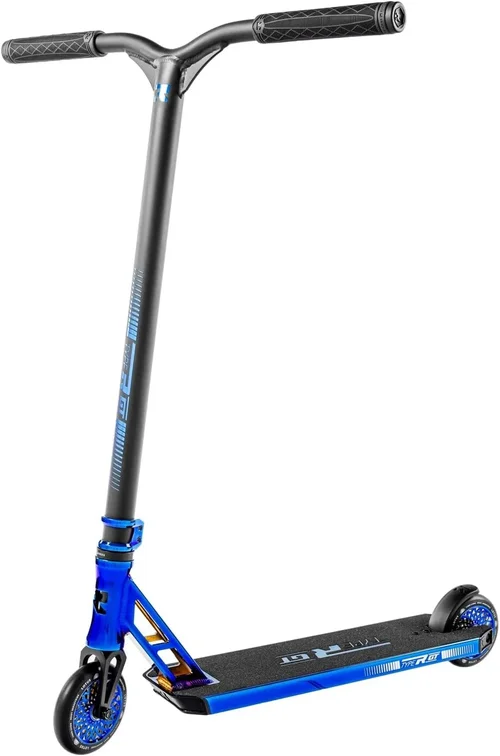
Motor scooters have evolved far beyond their humble beginnings as simple urban runabouts. In 2026, they’re smarter, faster, more efficient, and more accessible than ever before—whether you’re commuting across city streets, zipping through campus pathways, or exploring scenic routes on weekends. With rising fuel costs, increasing traffic congestion, and a growing emphasis on sustainable transportation, electric and gas-powered scooters are no longer niche alternatives; they’re mainstream mobility solutions embraced by students, professionals, and eco-conscious riders alike.
This comprehensive buying guide is designed to cut through the noise and help you make an informed decision. Whether you’re a first-time buyer overwhelmed by options or an experienced rider looking to upgrade, we’ll walk you through every critical factor—from performance specs and build quality to brand reputation and budget planning. You’ll learn how to compare models objectively, avoid common pitfalls, and ultimately choose the scooter that best fits your lifestyle, needs, and wallet. The market today offers incredible diversity: sleek electric commuter scooters with swappable batteries, rugged off-road capable models, foldable designs for easy storage, and even high-speed machines rivaling motorcycles in power. Our goal is to equip you with the knowledge to navigate this dynamic landscape confidently.

What to Look for When Buying a Motor Scooter
1. Budget & Price Range
Your budget is the foundation of your purchase decision—but it shouldn’t be the only one. Scooters range dramatically in price, from under $300 for basic electric kick scooters to over $10,000 for premium maxi-scooters with advanced features like adaptive cruise control and integrated navigation. Before browsing, define your spending limit realistically. Consider not just the upfront cost but also long-term expenses: insurance, maintenance, battery replacements (for electric models), and potential registration fees. A slightly higher initial investment in a reliable model often pays off in durability and lower repair costs down the line. For most urban commuters, the sweet spot lies between $800 and $2,500, where you get solid build quality, decent range, and essential safety features without overspending.
2. Performance Specifications
Performance isn’t just about speed—it’s a blend of power, range, acceleration, and handling. For electric scooters, key metrics include motor wattage (typically 250W to 3,000W), top speed (15–60+ mph), and battery capacity (measured in watt-hours or Ah). A 500W motor might suffice for flat city riding, but hills demand at least 750W–1,000W. Range is equally critical: a 20-mile range works for short commutes, but if you travel farther, aim for 30+ miles per charge. Gas scooters, meanwhile, are measured by engine displacement (cc)—50cc models are lightweight and fuel-efficient but limited to ~30 mph, while 150cc–300cc engines offer highway-capable speeds. Always check real-world user reports, as manufacturer claims often assume ideal conditions. Also consider torque: higher torque means better hill-climbing ability and quicker starts from stops.
3. Build Quality & Durability
A scooter is only as good as its construction. Look for robust frames made from aircraft-grade aluminum or reinforced steel, especially if you’ll be riding daily or carrying loads. Check hinge mechanisms (for folding models), weld points, and suspension systems—poorly welded joints or flimsy suspension can lead to premature failure. Tires matter too: pneumatic (air-filled) tires offer superior shock absorption and grip but require occasional maintenance; solid or honeycomb tires are puncture-proof but deliver a harsher ride. Water resistance (IP rating) is another often-overlooked factor—IPX4 or higher ensures protection against splashes and light rain, which is essential for all-weather reliability. Brands that use sealed motors and waterproof connectors tend to last significantly longer in wet climates.
4. Features & Functionality
Modern scooters come packed with tech, but not all features are equally useful. Prioritize based on your use case. Essential features include bright LED headlights and taillights for visibility, a clear digital display showing speed, battery level, and trip data, and responsive brakes (disc brakes are superior to drum or foot brakes). Regenerative braking—found in many electric models—extends range by converting kinetic energy back into battery power. Smart connectivity via Bluetooth apps allows firmware updates, anti-theft tracking, and ride analytics, though these aren’t necessary for everyone. Additional conveniences like USB charging ports, built-in phone mounts, and under-seat storage add practical value. Avoid “feature bloat”—a scooter with ten unnecessary gimmicks may compromise core reliability.
5. Brand Reputation
Not all scooter brands are created equal. Established names like Vespa, Honda, Yamaha, and Piaggio have decades of engineering heritage and global service networks. In the electric space, companies like Segway-Ninebot, Xiaomi, and Apollo have earned trust through consistent quality and innovation. Research brands thoroughly: read professional reviews, check forums like Reddit’s r/scooters, and look for patterns in customer complaints. A brand with a history of recalls, poor customer service, or disappearing from the market should raise red flags. Conversely, brands that offer transparent specifications, publish third-party test results, and actively engage with their community signal confidence in their products. Remember: a well-known name doesn’t guarantee perfection, but it usually means better support and parts availability.
6. Warranty & Support
A strong warranty is a sign of manufacturer confidence—and your safety net. Most reputable brands offer at least a 1-year limited warranty covering defects in materials and workmanship. Premium models may include 2–3 years, sometimes with extended coverage for batteries (which degrade over time). Pay attention to what’s excluded: wear items like tires, brake pads, and batteries often have shorter warranties. Also investigate customer support responsiveness. Can you easily reach a human? Are replacement parts readily available? Some brands partner with local dealers for service, while others require shipping to centralized hubs—this affects downtime. Avoid brands with vague warranty terms or those that make you jump through hoops for claims. A good warranty should feel like a promise, not a loophole.
7. Size & Portability
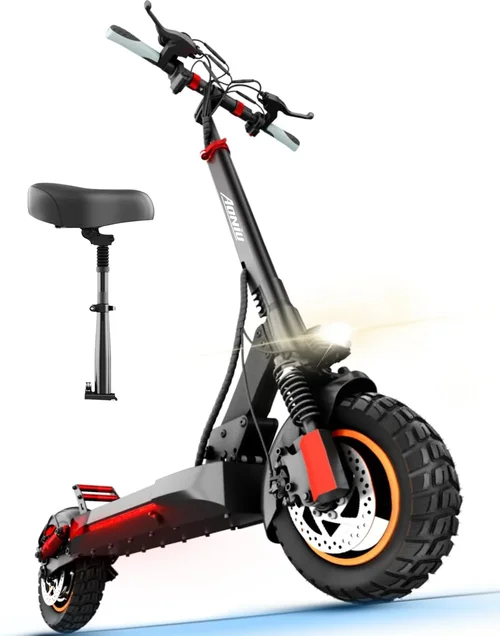
If you need to carry your scooter upstairs, stash it under a desk, or load it into a car trunk, size and weight become critical. Folding electric scooters excel here, with many weighing under 30 lbs and collapsing to backpack-like dimensions. However, ultra-light models often sacrifice power and stability. Measure your storage space and consider your physical ability—lifting a 50-lb scooter daily gets old fast. Wheel size also impacts portability: smaller wheels (6–8 inches) are compact but struggle with bumps; larger wheels (10+ inches) handle rough terrain better but add bulk. For gas scooters, portability is less common due to weight and emissions regulations, but some compact 50cc models are manageable. Always test the folding mechanism: it should be intuitive, secure, and not rattle when locked.
8. User Reviews & Ratings
Spec sheets tell part of the story—real-world experience tells the rest. Scour verified purchase reviews on retailer sites (Amazon, Best Buy, specialized scooter shops) and independent review platforms. Look beyond star ratings: read detailed comments about long-term reliability, customer service interactions, and unexpected issues. Pay attention to recurring themes—if multiple users report the same battery failure or brake problem, it’s likely a design flaw. Video reviews on YouTube offer even more insight, showing actual ride quality, noise levels, and build details. Be wary of fake reviews (excessively generic praise or overly negative rants without specifics). Also check return rates and recall history—brands with high return rates may have quality control issues.
Different Types of Motor Scooters

Common Buying Mistakes to Avoid
❌ Mistake: Prioritizing Price Over Quality
Why it’s bad: The cheapest scooter often costs more in the long run due to frequent repairs, short battery life, or early replacement. Many budget models use low-grade motors and batteries that degrade quickly, leaving you stranded.
What to do instead: Set a realistic budget that accounts for total cost of ownership. Invest in a mid-range model from a reputable brand—it will likely last 3–5 years with minimal issues, whereas a $200 scooter might fail within months.
❌ Mistake: Ignoring Local Laws and Regulations
Why it’s bad: Scooter laws vary wildly by state, city, and even neighborhood. Some areas ban gas scooters entirely, require helmets and registration, or limit electric scooter speeds to 15 mph. Riding illegally can result in fines or confiscation.
What to do instead: Research your local Department of Motor Vehicles (DMV) or transportation authority guidelines before buying. Check lane usage rules, helmet requirements, and whether your scooter needs to be registered or insured.
❌ Mistake: Overlooking Test Rides
Why it’s bad: Specs don’t reveal how a scooter feels. A model with great numbers might have mushy brakes, uncomfortable suspension, or poor balance—dealbreakers you won’t discover until it’s too late.
What to do instead: Always test ride before purchasing. Visit local dealers or attend scooter expos. If buying online, choose retailers with generous return policies (30 days or more) so you can evaluate real-world performance.
❌ Mistake: Neglecting Battery Health (Electric Models)
Why it’s bad: Lithium-ion batteries degrade over time, losing capacity and range. Buying a used scooter with an unknown battery history can mean inheriting a dying power source.
What to do instead: For new scooters, check battery warranty terms. For used ones, ask for battery cycle count or health reports. Avoid models with non-removable batteries unless the brand offers affordable replacement programs.
❌ Mistake: Choosing Based Solely on Aesthetics
Why it’s bad: A scooter that looks cool but lacks essential features (like proper lighting or suspension) compromises safety and usability. Flashy designs sometimes hide cheap internals.
What to do instead: Let function guide form. Choose a design that complements your needs—e.g., a sleek urban commuter for city life, or a rugged build for off-road adventures—but never sacrifice core performance for looks.
❌ Mistake: Skipping Insurance and Theft Protection
Why it’s bad: Scooters are prime targets for theft, especially high-end electric models. Without coverage, a stolen scooter means a total loss.
What to do instead: Add scooter coverage to your homeowner’s or renter’s insurance policy, or purchase standalone scooter insurance. Use GPS trackers and heavy-duty locks (like U-locks or chain locks) to deter thieves.
❌ Mistake: Assuming All “50cc” Scooters Are Equal
Why it’s bad: Not all 50cc engines are created equal. Some are air-cooled and basic; others are liquid-cooled with fuel injection, offering better performance and longevity.
What to do instead: Research the specific engine model. Look for fuel-injected, 4-stroke engines over older 2-stroke designs, which are less efficient and more polluting.
Budget Guidelines: How Much Should You Spend?
Entry-Level ($200–$600): This tier includes basic electric kick scooters and low-end gas models. Expect modest range (10–15 miles), limited speed (15–20 mph), and minimal features. Build quality varies widely—some are surprisingly durable, while others feel flimsy. Ideal for occasional use, short campus rides, or as a secondary vehicle. Brands like Gotrax and Razor dominate here, offering decent value for casual riders.
Mid-Range ($600–$1,800): The sweet spot for most buyers. Scooters in this range offer reliable motors (500W–1,000W electric or 125cc gas), 20–40 mile range, better suspension, and essential safety features like disc brakes and bright LEDs. You’ll find strong options from Segway-Ninebot, Apollo, and Yamaha. These balance performance, durability, and affordability—perfect for daily commuting.
Premium ($1,800–$4,000): For enthusiasts and serious commuters. Expect high-capacity batteries (40+ mile range), powerful motors (1,500W+), advanced features like app connectivity and regenerative braking, and premium materials. Gas models include 150cc–250cc engines with storage and wind protection. Brands like Vespa, Honda, and Dualtron excel here, offering refinement and reliability.
Luxury ($4,000+): Top-tier machines with cutting-edge tech, bespoke designs, and exceptional performance. Think 300cc maxi-scooters with adaptive cruise control, electric scooters with 60+ mph top speeds, or limited-edition models with carbon fiber components. These are for collectors, long-distance travelers, or those who view scooters as lifestyle statements. Maintenance and parts can be costly, but the experience is unmatched.

Expert Tips for Getting the Best Deal
1. Buy During Off-Peak Seasons: Scooter sales dip in winter (except in warm climates). Retailers often discount previous-year models in January–March to clear inventory. You can save 10–20% by timing your purchase right.
2. Compare Online and In-Store Prices: Online retailers like RevZilla, Scooter Centre, and Amazon often have lower prices and wider selections. However, local dealers may offer free assembly, test rides, and better post-purchase support. Sometimes, matching an online price in-store gets you the best of both worlds.
3. Look for Bundle Deals: Many brands offer starter kits with helmets, locks, and maintenance packages at a discount. These can save you $50–$150 compared to buying items separately.
4. Check Manufacturer Rebates and Promotions: Brands like Vespa and Honda frequently run seasonal promotions, especially around holidays or new model launches. Sign up for newsletters to get early access.
5. Consider Certified Pre-Owned (CPO) Models: Reputable dealers sell inspected, warrantied used scooters at significant savings. CPO programs often include fresh batteries, new tires, and extended coverage—ideal for budget-conscious buyers who want reliability.
6. Read the Fine Print on Returns: Ensure the retailer offers at least a 14-day return window. Some charge restocking fees or exclude used/opened items—avoid these unless absolutely necessary.
7. Negotiate Add-Ons: When buying from a dealer, ask for free extras like a phone mount, upgraded lock, or first service. They’re often willing to sweeten the deal to close a sale.
8. Join Owner Communities: Forums and Facebook groups often share exclusive discount codes, flash sales, or group-buy opportunities. Members also post honest reviews and maintenance tips.

Frequently Asked Questions
Q: Are electric scooters legal in my city?
A: It depends. Most U.S. cities allow electric scooters under 20 mph on bike lanes or roads, but some require registration, helmets, or restrict usage to certain zones. Check your local transportation department website or contact your city council for specific ordinances.
Q: How long do scooter batteries last?
A: Lithium-ion batteries typically last 500–1,000 charge cycles, equating to 2–5 years of daily use. Proper care—avoiding full discharges, storing at 50% charge in winter, and not exposing to extreme heat—can extend lifespan significantly.
Q: Can I ride a scooter in the rain?
A: Yes, if it has an IPX4 rating or higher. Avoid submerging it or riding through deep puddles. Gas scooters handle rain better mechanically, but wet conditions reduce tire grip—always slow down and brake gently.
Q: Do I need a license to ride a 50cc scooter?
A: In most states, yes—a standard driver’s license or a specific moped/scooter permit is required. Some states allow operation with just a learner’s permit. Always verify with your DMV.
Q: How fast can a 150cc scooter go?
A: Most 150cc scooters reach 55–65 mph, making them suitable for highways in many areas. Performance varies by weight, aerodynamics, and engine tuning.
Q: Are folding scooters safe for daily commuting?
A: Yes, if they meet safety standards. Look for models with dual braking systems, sturdy frames, and good suspension. Avoid ultra-lightweight scooters under 20 lbs for daily use—they may lack stability at speed.
Q: What’s the difference between hub motors and belt-driven motors?
A: Hub motors are integrated into the wheel, offering direct drive, quiet operation, and low maintenance. Belt-driven systems use a belt and pulley, allowing gear ratios for better torque but requiring periodic belt replacement. Hub motors are more common in modern electric scooters.
Q: Can I upgrade my scooter’s battery?
A: Sometimes. Some brands offer higher-capacity battery packs as aftermarket upgrades. However, modifying the battery can void your warranty or cause compatibility issues. Always consult the manufacturer first.
Q: How much does it cost to maintain a scooter?
A: Electric scooters cost $50–$150 annually for tire replacements, brake adjustments, and occasional motor servicing. Gas scooters require oil changes, spark plug replacements, and carburetor cleaning, averaging $100–$300 per year depending on usage.
Q: Are scooters eco-friendly?
A: Electric scooters produce zero direct emissions and have a lower carbon footprint than cars, especially when charged with renewable energy. Gas scooters are more efficient than cars but still emit CO2. Overall, both are greener than traditional automobiles.
Our Final Recommendations
Best for Budget-Conscious Buyers: Gotrax GXL V2 – At under $400, it delivers reliable 15.5 mph speed, 12-mile range, and solid build quality. Perfect for students and short commutes.
Best Overall Value: Segway Ninebot MAX G30LP – Priced around $800, it offers 40-mile range, 18.6 mph top speed, IPX5 water resistance, and exceptional durability. A workhorse for daily urban travel.
Best Premium Option: Vespa Primavera 150 – For those who want style and substance, this Italian icon combines a 150cc engine, elegant design, and premium materials. Ideal for city dwellers who value aesthetics and performance.
Best for Beginners: Yamaha Zuma 125 – Easy to handle, fuel-efficient, and packed with storage, this gas scooter is perfect for new riders. Reliable and fun, with a forgiving learning curve.
Best for Advanced Users: Apollo Phantom V3 – With a 2,000W motor, 52-mile range, and top speed of 40 mph, this electric beast handles highways and hills with ease. Built for riders who demand power and range.
Conclusion: Making the Right Choice
Choosing the right motor scooter isn’t just about picking the fastest or flashiest model—it’s about finding the perfect match for your lifestyle, budget, and riding environment. We’ve covered everything from performance specs and build quality to legal considerations and long-term costs. Remember: the best scooter is the one you’ll actually use consistently, safely, and enjoyably.
Start by defining your primary use case—commuting, recreation, or adventure—and let that guide your feature priorities. Don’t rush the decision; take advantage of test rides, read real user feedback, and compare total ownership costs. And always prioritize safety: wear a helmet, follow traffic laws, and maintain your scooter regularly.
The scooter market in 2026 is richer and more innovative than ever. With the right knowledge, you can ride confidently into a future of efficient, sustainable, and joyful mobility. So gear up, do your research, and hit the road—your ideal scooter is out there waiting.