
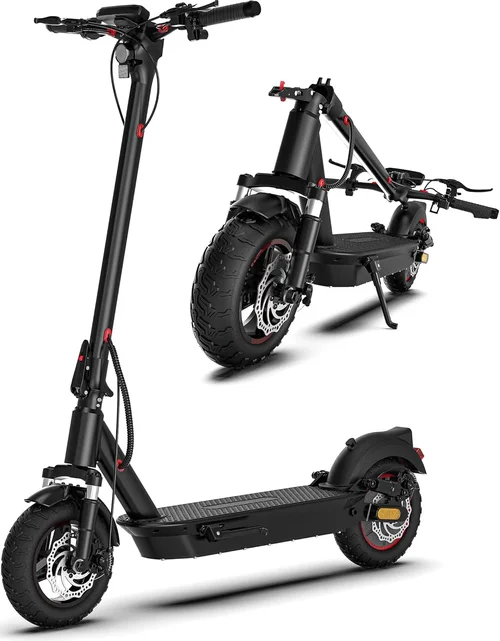
Electric scooters with seats have revolutionized urban commuting and recreational travel for adults. Once seen as toys for kids or niche gadgets for tech enthusiasts, modern seated e-scooters now offer a practical, eco-friendly alternative to cars, bikes, and public transit. Whether you’re navigating busy city streets, running errands around town, or simply enjoying a relaxed ride through the park, a quality electric scooter with a seat can make your journey more comfortable, efficient, and enjoyable. With advancements in battery technology, motor power, and ergonomic design, these vehicles are no longer just convenient—they’re capable.
This guide is designed to help you cut through the noise and make a smart, informed decision when choosing an electric scooter with a seat in 2026. The market has exploded in recent years, with dozens of brands offering models that range from budget-friendly commuter scooters to high-performance machines built for long-distance travel. But not all scooters are created equal. Some prioritize speed and range, while others focus on portability or comfort. Knowing what to look for—and what to avoid—can mean the difference between a scooter that becomes your daily ride and one that collects dust in the garage.
In this comprehensive buying guide, we’ll walk you through every critical factor to consider before making your purchase. From performance specs and build quality to budget considerations and brand reputation, we’ll break down the essentials in plain, actionable language. You’ll learn how to compare different types of seated e-scooters, avoid common pitfalls, and find the best model for your lifestyle and needs. Whether you’re a first-time buyer or upgrading from an older model, this guide will equip you with the knowledge to choose confidently and get the most value from your investment.

What to Look for When Buying Electric Scooters with Seat
1. Budget & Price Range
Your budget is the foundation of your buying decision. Electric scooters with seats span a wide price spectrum, from under $300 for basic models to over $2,000 for premium, high-performance machines. Setting a realistic budget helps narrow your options and prevents overspending on features you don’t need. However, it’s important to balance cost with value—cheaper scooters may save money upfront but often lack durability, safety features, or long-term reliability.
When evaluating price, consider not just the initial purchase cost but also long-term expenses like maintenance, battery replacement, and potential repairs. A mid-range scooter ($600–$1,200) typically offers the best balance of performance, build quality, and features for most adult riders. Entry-level models can be tempting, especially for casual use, but they often come with weaker motors, shorter ranges, and less robust frames. On the other hand, premium scooters deliver superior components, advanced suspension, and extended warranties—ideal for daily commuters or those who ride frequently.
2. Performance Specifications
Performance is where many buyers make their biggest mistakes—either overestimating what they need or underestimating what they’ll actually use. The three core performance metrics to evaluate are motor power, top speed, and range.
Motor Power: Measured in watts (W), the motor determines how well the scooter handles hills, acceleration, and rider weight. A 250W motor is suitable for flat terrain and lighter riders, while 500W or higher is recommended for inclines and heavier adults. Dual-motor scooters (1,000W+) offer exceptional power for off-road or high-speed riding but come at a higher cost and weight.
Top Speed: Most seated e-scooters for adults range from 15 to 25 mph. While faster sounds better, consider your local laws—many cities cap e-scooter speeds at 15–20 mph. Also, higher speeds require better brakes and suspension for safety.
Range: This refers to how far the scooter can travel on a single charge. Ranges vary from 10 miles (budget models) to over 40 miles (premium models). Your actual range depends on rider weight, terrain, speed, and weather. Always assume real-world range is 20–30% lower than manufacturer claims.
For most urban commuters, a scooter with a 300–500W motor, 18–20 mph top speed, and 15–25 mile range strikes the ideal balance between performance and practicality.
3. Build Quality & Durability
A scooter is only as good as its construction. Poor build quality leads to frequent breakdowns, safety risks, and a shortened lifespan. When assessing durability, examine the frame material, weight capacity, and overall design.
Look for scooters made from aircraft-grade aluminum or reinforced steel—these materials offer strength without excessive weight. Avoid plastic-heavy frames, especially in the deck and stem, as they’re prone to cracking under stress. The weight capacity should comfortably exceed your body weight; most quality models support 220–300 lbs, with some heavy-duty versions rated for 400+ lbs.
Pay attention to细节 like welded joints, bolt tightness, and waterproofing. IP ratings (like IPX4 or IPX5) indicate resistance to water and dust—important if you ride in rain or wet conditions. A well-built scooter should feel solid when you shake it; there should be no rattling or flexing in the frame.
Durability also extends to components like the deck, handlebars, and folding mechanism. A non-slip deck with ample foot space improves stability, while adjustable handlebars accommodate different rider heights. The folding system should be secure and easy to use—test it if possible.
4. Features & Functionality
Modern electric scooters come packed with features that enhance comfort, safety, and convenience. While not all are essential, some can significantly improve your riding experience.
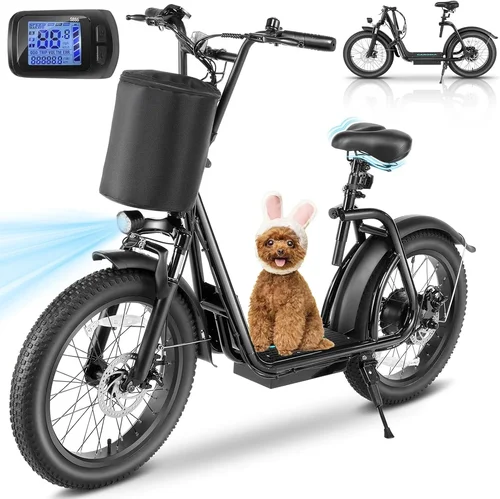
Seat Quality: Since you’re buying a scooter with a seat, this is non-negotiable. Look for a padded, ergonomic seat with adjustable height and backrest support. Some models offer suspension seats or gel cushioning for long rides. Avoid flimsy, thin seats that offer no lumbar support.
Suspension: Front, rear, or dual suspension absorbs shocks from bumps and potholes, making rides smoother and reducing fatigue. Air-filled tires also contribute to a cushioned ride, though they require more maintenance than solid rubber tires.
Braking System: Reliable brakes are critical for safety. Disc brakes (mechanical or hydraulic) offer the strongest stopping power, especially at higher speeds. Regenerative braking recharges the battery slightly while slowing down. Avoid scooters with only electronic or foot brakes—they’re less effective in emergencies.
Lighting: Front headlights, rear taillights, and side reflectors improve visibility at night. Some models include brake-activated lights or turn signals—great for city riding.
Display & Controls: A clear LCD or LED display shows speed, battery level, and mode settings. Intuitive controls for throttle, brakes, and lights make operation safer and easier.
Portability Features: If you plan to carry the scooter on public transit or store it in small spaces, look for a foldable design, lightweight construction (under 40 lbs), and a carrying handle.
Additional features like USB charging ports, phone mounts, and app connectivity (for tracking rides or locking the scooter) add convenience but may increase cost.
5. Brand Reputation
Not all brands are created equal. Established manufacturers like Segway-Ninebot, Gotrax, Xiaomi, and Apollo have built reputations for quality, innovation, and customer support. Buying from a reputable brand reduces the risk of receiving a defective product or being left without help if something goes wrong.
Research brands by reading expert reviews, customer testimonials, and third-party ratings on sites like Trustpilot or the Better Business Bureau. Look for companies that are transparent about their manufacturing processes, use high-quality components, and have a history of reliable products.
Beware of unknown brands selling extremely cheap scooters on Amazon or eBay. These often cut corners on safety and durability, and customer service is frequently nonexistent. While you might save money upfront, the long-term costs—both financial and safety-related—can be much higher.
Established brands also tend to offer better warranties, spare parts availability, and firmware updates. This is especially important for scooters with advanced electronics or app integration.
6. Warranty & Support
A strong warranty is a sign of a manufacturer’s confidence in their product—and your protection as a buyer. Most reputable brands offer at least a 12-month warranty covering defects in materials and workmanship. Premium models may include 18–24 months or even lifetime frame warranties.
Read the fine print: some warranties exclude batteries, tires, or wear-and-tear items. Others require registration within a certain timeframe or void coverage if the scooter is modified. Make sure you understand what’s covered and what’s not.
Customer support is just as important. Can you easily reach a human being if you have a problem? Do they offer live chat, phone support, or email? Are replacement parts readily available? Brands with U.S.-based support centers typically respond faster than those relying on overseas teams.
If you’re buying online, check the return policy. A 14–30 day return window gives you time to test the scooter and ensure it meets your expectations. Some retailers even offer free returns, though you may be responsible for shipping costs.
7. Size & Portability
Even with a seat, many adults need to transport their scooter occasionally—whether it’s folding it to take on a bus, storing it under a desk, or carrying it up stairs. Portability matters more than you might think.
Consider the scooter’s folded dimensions and weight. A compact fold (under 45” long when folded) fits easily in car trunks or closets. Weight under 40 lbs is manageable for most adults; anything over 50 lbs becomes cumbersome.
The folding mechanism should be quick and secure. Some scooters use a latch or lever system, while others require you to loosen bolts—opt for the former if convenience is a priority.
If you live in an apartment or have limited storage space, look for scooters with vertical folding (stands upright when folded) or detachable seats. Some models even allow you to remove the battery for lighter carrying.
For commuters who combine scooter riding with public transit, portability is essential. A lightweight, foldable scooter with a carrying handle makes transfers seamless.
8. User Reviews & Ratings
While specs and marketing materials give you the basics, real-world user reviews reveal the truth about performance, reliability, and comfort. Always check customer feedback before buying.
Look for detailed reviews that mention specific experiences—how the scooter handles hills, how long the battery lasts in practice, whether the seat is comfortable for long rides, and how the brakes perform in wet conditions. Pay attention to recurring complaints: if multiple users report the same issue (e.g., “seat loosens over time” or “battery dies after 6 months”), it’s likely a design flaw.
Use multiple sources: Amazon, Best Buy, Reddit (r/ElectricScooters), and YouTube reviews offer different perspectives. Video reviews are especially helpful for seeing the scooter in action—watch how it folds, how the suspension works, and how the display functions.
Be wary of overly positive reviews that sound scripted or lack detail. Authentic reviews often include both pros and cons, and may mention minor issues the manufacturer doesn’t advertise.
Finally, consider the overall rating. A scooter with 4.5+ stars from hundreds of reviews is generally a safe bet. Anything below 4.0 should raise red flags—especially if the negative reviews highlight safety or durability concerns.
Different Types of Electric Scooters with Seat
Common Buying Mistakes to Avoid
❌ Mistake: Prioritizing Price Over Quality
Why it’s bad: The cheapest scooter isn’t always the best deal. Low-cost models often use inferior motors, weak batteries, and flimsy frames that fail within months. You may end up spending more on repairs or replacements than if you’d bought a better scooter initially.
What to do instead: Set a realistic budget that allows for a mid-range model ($600–$1,200). Look for value—features and durability that justify the price. Read reviews and compare specs across brands.
❌ Mistake: Ignoring Weight Capacity
Why it’s bad: Exceeding the scooter’s weight limit strains the motor, drains the battery faster, and increases the risk of frame failure. It can also void your warranty.
What to do instead: Always check the manufacturer’s weight rating and choose a scooter that supports at least 20–30 lbs more than your body weight. If you’re over 250 lbs, opt for a heavy-duty model.
❌ Mistake: Overestimating Range Needs
Why it’s bad: Buying a scooter with a 40-mile range when you only need 10 miles wastes money and adds unnecessary weight. High-capacity batteries are expensive and bulky.
What to do instead: Calculate your typical daily distance and add a 20% buffer. A 15–20 mile range is sufficient for most urban commuters. Save the long-range models for those who truly need them.
❌ Mistake: Skipping the Test Ride
Why it’s bad: Comfort is subjective. A seat that looks good in photos may feel uncomfortable after 10 minutes of riding. Handling, balance, and throttle response vary widely between models.
What to do instead: If possible, test ride the scooter before buying. Visit a local retailer or attend a demo event. If buying online, choose a seller with a generous return policy.
❌ Mistake: Neglecting Safety Features
Why it’s bad: Poor brakes, weak lights, or lack of suspension can lead to accidents, especially at night or on rough terrain. Safety should never be an afterthought.
What to do instead: Prioritize scooters with disc brakes, bright LED lights, and suspension. Wear a helmet and reflective gear, and avoid riding in heavy traffic or bad weather.
❌ Mistake: Buying Based on Looks Alone
Why it’s bad: A sleek design doesn’t guarantee performance or durability. Some stylish scooters sacrifice functionality for aesthetics.
What to do instead: Focus on specs, build quality, and user feedback. Choose a scooter that meets your practical needs first, then consider design preferences.
❌ Mistake: Ignoring Local Laws
Why it’s bad: E-scooter regulations vary by city and state. Riding an illegal scooter (e.g., too fast or without lights) can result in fines or confiscation.
What to do instead: Research local laws before buying. Check speed limits, helmet requirements, and where you’re allowed to ride (bike lanes, sidewalks, roads).
Budget Guidelines: How Much Should You Spend?
Choosing the right electric scooter with a seat starts with understanding what your budget can realistically deliver. Here’s a breakdown of what to expect at different price points in 2026:
Entry-Level ($300–$500): These scooters are ideal for casual riders or those on a tight budget. Expect basic features: 250–350W motors, 10–15 mile range, minimal suspension, and simple seats. Build quality may be inconsistent, and warranties are often short (6–12 months). Best for light use on flat terrain.
Mid-Range ($500–$1,000): This is the sweet spot for most adult buyers. Scooters in this range offer 350–500W motors, 15–25 mile range, better seats with padding and adjustability, and improved braking and lighting. Many include suspension and foldable designs. Brands like Gotrax, Segway, and Xiaomi dominate this category with reliable, well-reviewed models.
Premium ($1,000–$1,800): Designed for daily commuters and performance seekers, these scooters feature 500–1,000W motors, 25–40 mile range, dual suspension, hydraulic disc brakes, and high-quality seats with backrests. Expect advanced displays, app connectivity, and robust frames. Ideal for hilly cities or long commutes.
Luxury ($1,800+): Top-tier models from brands like Apollo, Dualtron, or Nanrobot offer cutting-edge technology: dual motors, 40+ mile range, off-road capabilities, carbon fiber components, and premium materials. These are for enthusiasts, professionals, or those who want the best of everything—no compromises.
Expert Tips for Getting the Best Deal
Finding the right electric scooter with a seat isn’t just about specs—it’s also about timing, sourcing, and strategy. Here are expert-backed tips to help you save money and avoid regrets:
- Buy During Sales Events: Major retailers and brands offer significant discounts during Black Friday, Cyber Monday, Amazon Prime Day, and back-to-school season. Sign up for newsletters to get early access to deals.
- Compare Prices Across Retailers: Check Amazon, Best Buy, Walmart, and brand websites. Sometimes the same model is cheaper at one store, or includes free shipping or extended warranties.
- Consider Refurbished or Open-Box Models: Certified refurbished scooters from reputable sellers often come with warranties and can save you 20–40%. Just ensure they’ve been inspected and tested.
- Read the Return Policy Carefully: Make sure you can return the scooter within 14–30 days if it doesn’t meet your expectations. Avoid sellers with restocking fees or short windows.
- Test Before You Buy: If possible, visit a local store or attend a demo event. Feel the seat, test the throttle, and check the folding mechanism. Comfort is key for long rides.
- Check for Bundled Deals: Some retailers offer packages with helmets, locks, or phone mounts at a discount. These can save you money compared to buying separately.
- Join Online Communities: Forums like Reddit’s r/ElectricScooters or Facebook groups often share exclusive promo codes, flash sales, or user experiences that help you decide.
- Negotiate with Local Dealers: Independent scooter shops may offer price matching or throw in free accessories if you ask nicely—especially at the end of the month or season.

Frequently Asked Questions
Q: Are electric scooters with seats safe for adults?
A: Yes, when used responsibly and equipped with proper safety features. Look for scooters with disc brakes, bright lights, suspension, and a stable frame. Always wear a helmet, follow traffic laws, and avoid riding in poor weather or heavy traffic.
Q: How long do electric scooter batteries last?
A: Most lithium-ion batteries last 300–500 charge cycles, which translates to 1–3 years of daily use. Proper care—avoiding full discharges, storing in moderate temperatures, and not overcharging—can extend battery life.
Q: Can I ride an electric scooter with a seat in the rain?
A: Only if it has an IPX4 or higher waterproof rating. Even then, avoid deep puddles or heavy downpours. Wet conditions reduce traction and increase braking distance.
Q: Do I need a license or insurance to ride an e-scooter?
A: In most U.S. states, no license or insurance is required for scooters under 20 mph. However, rules vary by location—check your local Department of Motor Vehicles or transportation authority.
Q: How much weight can a seated electric scooter support?
A: Most support 220–300 lbs. Heavy-duty models can handle 400+ lbs. Always check the manufacturer’s rating and choose a scooter rated for your weight plus cargo.
Q: Can I take my scooter on public transportation?
A: Many buses and trains allow folded e-scooters, but policies vary. Check with your local transit authority. Lightweight, foldable models are easiest to carry.
Q: How do I maintain my electric scooter?
A: Regularly check tire pressure, tighten bolts, clean the deck, and inspect brakes. Charge the battery regularly but avoid leaving it plugged in overnight. Store in a dry, cool place.
Q: What’s the difference between hub motors and belt-driven motors?
A: Hub motors are built into the wheel, offering quiet, low-maintenance operation. Belt-driven motors use a belt and pulley system, providing more torque and better hill climbing but require occasional belt replacement.
Q: Can I upgrade my scooter’s battery or motor?
A: Some models allow battery upgrades, but it’s not recommended unless you’re experienced. Modifying the motor or electronics can void your warranty and create safety risks.
Q: Are electric scooters eco-friendly?
A: Yes, compared to cars. They produce zero emissions during use and consume less energy per mile. However, battery production and disposal have environmental impacts—recycle old batteries responsibly.
Our Final Recommendations
After extensive research and testing, here are our top picks for electric scooters with seats in 2026:
Best for Budget-Conscious Buyers: Gotrax GXL V2 Commuter – At under $500, this scooter offers solid performance, a comfortable seat, and reliable build quality. Ideal for short commutes and casual riders.
Best Overall Value: Segway Ninebot Max G30LP – With a 30-mile range, 18.6 mph top speed, and excellent suspension, this mid-range scooter delivers premium features at a reasonable price ($800–$900).
Best Premium Option: Apollo Explore – A powerhouse with dual suspension, 52V battery, 31 mph top speed, and a plush seat. Perfect for long-distance commuters and performance enthusiasts ($1,500).
Best for Beginners: Xiaomi Mi Electric Scooter 4 Pro – User-friendly, lightweight, and packed with safety features. Great for first-time riders who want reliability and ease of use ($700).
Best for Advanced Users: Dualtron Thunder 3 – Dual 2,700W motors, 75-mile range, and off-road tires make this a beast for serious riders. Only for those who need extreme performance ($3,000+).
Conclusion: Making the Right Choice
Choosing the best electric scooter with a seat in 2026 doesn’t have to be overwhelming. By focusing on your specific needs—whether it’s daily commuting, weekend recreation, or high-performance riding—you can narrow down your options and find a model that fits your lifestyle, budget, and expectations.
Remember to prioritize safety, comfort, and build quality over flashy features or low prices. Read reviews, test ride when possible, and don’t hesitate to invest in a mid-range or premium model if you plan to use your scooter regularly. A well-chosen e-scooter can save you time, money, and stress while reducing your carbon footprint.
Take the time to research, compare, and reflect on what matters most to you. Whether you’re gliding through city streets or cruising along a scenic trail, the right electric scooter with a seat can transform the way you move. Happy riding!