
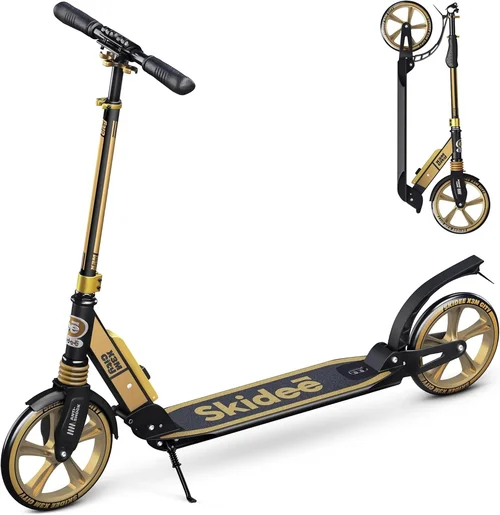
Electric scooters have evolved from niche urban curiosities into serious transportation solutions for adults. Whether you’re commuting to work, running errands around town, or simply exploring your city on two wheels, the right electric scooter can transform how you move through daily life. With advancements in battery technology, motor efficiency, and smart features, today’s models offer impressive range, speed, and reliability—even in challenging weather or terrain. But with hundreds of options flooding the market, choosing the best electric scooter for your needs can feel overwhelming. That’s where this guide comes in.
This comprehensive buying guide is designed to cut through the noise and help you make an informed decision based on real-world performance, value, and long-term usability. We’ll walk you through every critical factor—from budget considerations and build quality to performance specs and after-sales support—so you can confidently select a scooter that matches your lifestyle, terrain, and expectations. Whether you’re a first-time buyer or upgrading from an older model, our expert insights will ensure you invest wisely in a ride that delivers safety, convenience, and enjoyment for years to come.
The electric scooter market has matured significantly over the past few years. Gone are the days when most adult scooters were flimsy, short-range toys. Today, manufacturers like Gotrax, Segway-Ninebot, Xiaomi, Apollo, and Dualtron produce robust, feature-rich models capable of handling daily commutes, steep hills, and even off-road adventures. Prices now span from under $300 to well over $3,000, catering to everyone from casual weekend riders to full-time urban commuters. As cities become more congested and eco-consciousness grows, electric scooters are emerging as a practical, sustainable alternative to cars and public transit—making now the perfect time to join the e-scooter revolution.
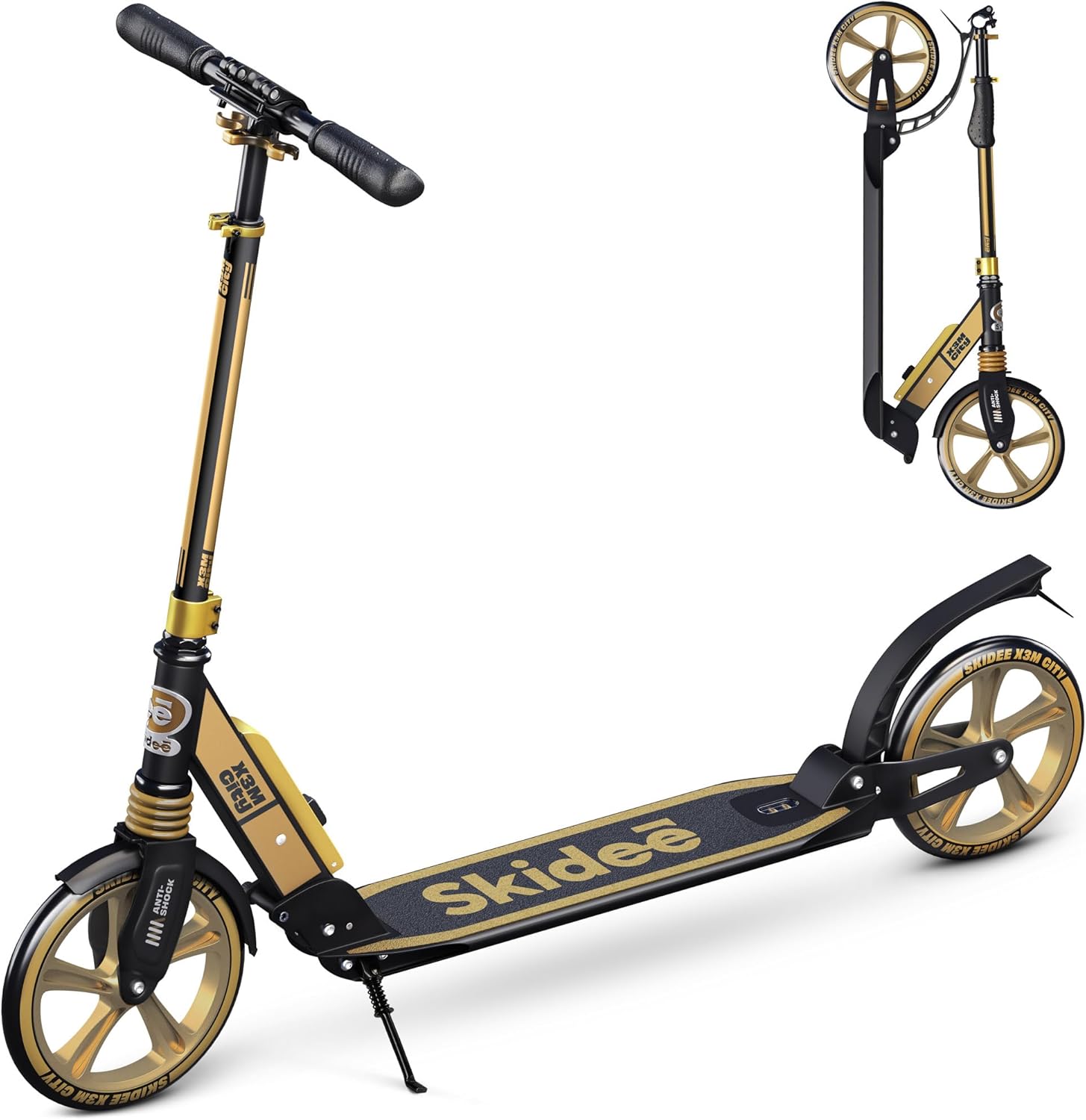
What to Look for When Buying Gotrax
1. Budget & Price Range
Your budget is the foundation of any purchasing decision, and electric scooters are no exception. Prices vary dramatically based on features, build quality, and brand reputation. Entry-level models typically start around $250–$400 and offer basic functionality: modest speeds (10–15 mph), limited range (6–12 miles), and minimal suspension or braking systems. These are ideal for short, flat commutes or recreational use but may struggle with hills or longer distances.
Mid-range scooters ($500–$1,200) strike a sweet spot for most adult riders. They usually feature 250W–500W motors, 15–25 mile ranges, better tires (air-filled or solid), and improved braking (disc or regenerative). Many include LED displays, app connectivity, and foldable designs for portability. This tier offers the best balance of performance, durability, and affordability for daily urban commuting.
Premium models ($1,200–$2,500) target serious commuters and enthusiasts. Expect dual motors, high-capacity batteries (36V–48V), speeds up to 30+ mph, advanced suspension, and rugged frames built for all-weather use. Luxury scooters ($2,500+) often include carbon fiber components, smartphone integration, GPS tracking, and warranties extending beyond two years. While tempting, these are only necessary if you demand top-tier performance or ride frequently in demanding conditions.
2. Performance Specifications
Performance determines how well your scooter handles real-world conditions. Three key metrics matter most: motor power, top speed, and range.
Motor Power: Measured in watts (W), motor power directly affects acceleration and hill-climbing ability. A 250W motor suits flat city streets, while 500W handles moderate inclines. For steep hills or heavy riders (200+ lbs), consider 800W or dual-motor setups. Note: higher wattage doesn’t always mean faster top speed—it’s about torque and sustained power.
Top Speed: Most adult scooters reach 15–20 mph, which is sufficient for urban riding. High-performance models hit 25–35 mph, but remember that local laws often cap e-scooter speeds at 15–20 mph. Faster isn’t always better—safety and control matter more than raw velocity.
Range: Advertised range is often optimistic. Real-world range depends on rider weight, terrain, speed, and weather. A scooter rated for 20 miles might only deliver 12–15 miles under typical conditions. Always subtract 20–30% from manufacturer claims. For daily commutes over 10 miles round-trip, aim for a scooter with at least 15–20 miles of real range.
3. Build Quality & Durability
A scooter’s lifespan hinges on its construction. Look for aircraft-grade aluminum or reinforced steel frames—avoid plastic-heavy builds. Check weld quality, hinge mechanisms (for folding models), and overall rigidity. A wobbly deck or creaky stem is a red flag.
Tires are equally important. Pneumatic (air-filled) tires offer superior shock absorption and grip but require maintenance and can puncture. Solid or honeycomb tires are puncture-proof but transmit more road vibration. For mixed terrain, hybrid tires (semi-pneumatic) provide a good compromise.
Water resistance matters too. While no scooter is fully waterproof, an IP54 or IPX4 rating means it can handle light rain and splashes. Avoid riding in heavy downpours unless your model has IP65+ protection. Sealed motors and battery compartments add extra peace of mind.
4. Features & Functionality
Modern scooters pack impressive tech. Essential features include:
- Braking System: Disc brakes (mechanical or hydraulic) offer strong, reliable stopping power. Regenerative braking recharges the battery slightly but shouldn’t be your primary brake. Avoid scooters with only foot or drum brakes—they’re outdated and unsafe at higher speeds.
- Suspension: Front, rear, or dual suspension smooths out bumps and improves comfort on rough pavement. Crucial for longer rides or uneven roads.
- Lighting: Bright front headlights (100+ lumens) and rear brake lights enhance visibility at night. Some models include side LEDs or turn signals—great for safety-conscious riders.
- Display & Controls: Clear LCD or LED screens show speed, battery level, and mode. Intuitive throttle and brake levers reduce fatigue.
- App Connectivity: Many brands offer companion apps for firmware updates, ride tracking, anti-theft locks, and customizable speed modes.
Avoid “feature bloat”—extra gadgets like Bluetooth speakers or phone chargers add weight and complexity without improving core functionality.
5. Brand Reputation
Not all brands are created equal. Established names like Gotrax, Segway-Ninebot, and Xiaomi have proven track records for reliability and customer service. They invest in R&D, use quality components, and maintain global service networks.
Be wary of unknown brands selling ultra-cheap scooters on Amazon or eBay. These often cut corners on safety certifications (like UL 2271 for batteries), use counterfeit parts, or disappear after a few months—leaving you without support. Research brand history, read third-party reviews, and check if they’re listed on reputable retailer sites like Best Buy, REI, or official brand stores.
Gotrax, for example, has built a solid reputation for offering affordable, well-engineered scooters with decent warranties and responsive U.S.-based support—a rarity in the budget segment.
6. Warranty & Support
A strong warranty signals confidence in product quality. Most reputable brands offer 6–12 months on parts and labor, with some extending to 18–24 months. Battery warranties are often shorter (6–12 months) due to degradation over time.
Check what’s covered: motors, batteries, controllers, and structural defects should be included. Exclusions like tires, brakes, and cosmetic damage are standard. Also verify if warranty service requires shipping the entire scooter or just components—and whether local repair centers are available.
Customer support responsiveness matters too. Can you reach a human quickly? Are replacement parts readily available? Brands with U.S. warehouses (like Gotrax) typically offer faster turnaround than those relying on overseas shipping.
7. Size & Portability
If you’ll be carrying your scooter on public transit, storing it under a desk, or lifting it upstairs, weight and foldability are critical. Most adult scooters weigh 25–40 lbs. Anything over 35 lbs becomes cumbersome for frequent lifting.
Folding mechanisms should be quick, secure, and durable. Test how easily it collapses and whether the stem locks firmly. Some models include carrying handles or wheels for easier transport when folded.
Deck size also affects comfort. A wider deck (6–7 inches) provides better foot placement and stability, especially for taller riders. However, larger decks reduce portability—so balance your needs.
8. User Reviews & Ratings
Never rely solely on manufacturer specs. Real user feedback reveals hidden flaws: battery drain issues, loose bolts, poor customer service, or unexpected failures after a few months. Read verified purchase reviews on Amazon, Best Buy, or specialized forums like Reddit’s r/ElectricScooters.
Look for patterns—if multiple users report the same problem (e.g., “brakes failed after 3 months”), it’s likely a design flaw. Conversely, consistent praise for durability or comfort is a strong endorsement.
Also check video reviews on YouTube. Seeing a scooter in action—especially on hills, gravel, or wet surfaces—gives you a realistic sense of performance that specs alone can’t convey.
Different Types of Gotrax

Common Buying Mistakes to Avoid
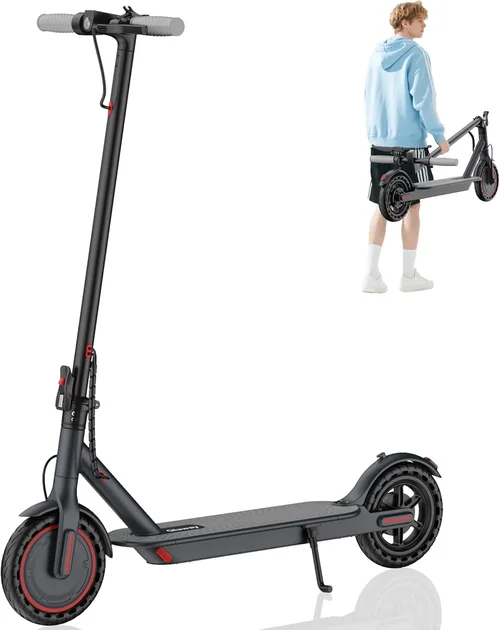
❌ Mistake: Prioritizing Top Speed Over Safety
Why it’s bad: High-speed scooters (25+ mph) require advanced braking, suspension, and rider skill. Without these, accidents are more likely and severe. Many cities also restrict e-scooter speeds legally.
What to do instead: Choose a scooter with balanced speed (15–20 mph) and prioritize strong brakes, stable handling, and visibility features. Speed can be fun, but safety is non-negotiable.
❌ Mistake: Ignoring Real-World Range
Why it’s bad: Manufacturers test range under ideal conditions (light rider, flat ground, slow speed). In reality, hills, wind, and heavier loads cut range significantly. Running out of battery mid-commute is frustrating and dangerous.
What to do instead: Calculate your daily distance, add 30% buffer, and choose a scooter with at least that range. If your commute is 8 miles round-trip, pick a model rated for 15+ miles.
❌ Mistake: Overlooking Weight and Portability
Why it’s bad: A 40-lb scooter might seem manageable in the store, but carrying it up three flights of stairs daily becomes exhausting. Poor portability limits where and how you can use it.
What to do instead: Test lift the scooter before buying. If you’ll need to carry it often, aim for under 30 lbs and ensure the fold mechanism is smooth and secure.
❌ Mistake: Skipping the Test Ride
Why it’s bad: Scooter feel varies widely—some throttles are jerky, others too sensitive. Deck size, handlebar height, and suspension affect comfort more than specs suggest.
What to do instead: Visit a local retailer that allows test rides (like REI or specialty e-mobility shops). If buying online, check return policies—some brands offer 14–30 day trials.
❌ Mistake: Choosing Based on Price Alone
Why it’s bad: The cheapest scooter often uses low-quality batteries, weak motors, and flimsy frames. It may fail within months, costing more in repairs or replacement than a mid-tier model.
What to do instead: View price as one factor among many. A $600 scooter with a 2-year warranty and solid reviews often outperforms a $300 model with no support.
❌ Mistake: Neglecting Local Laws
Why it’s bad: E-scooter regulations vary by city and state. Some ban riding on sidewalks, require helmets, or limit speed. Riding illegally can result in fines or confiscation.
What to do instead: Research your local laws before purchasing. Choose a scooter that complies with speed and equipment requirements in your area.
❌ Mistake: Forgetting About Maintenance
Why it’s bad: Tires wear out, brakes fade, and batteries degrade. Ignoring maintenance leads to poor performance and safety risks.
What to do instead: Learn basic upkeep: check tire pressure monthly, clean the deck, tighten bolts, and store the battery properly (not fully charged or depleted long-term).
Budget Guidelines: How Much Should You Spend?
Entry-Level ($250–$400): Ideal for teens, casual riders, or those testing the waters. Expect 10–15 mph speeds, 6–12 mile range, basic brakes, and minimal suspension. Great for short, flat trips but not recommended for daily commuting or hills. Models like the Gotrax GXL V2 fit here—reliable for the price but limited in capability.
Mid-Range ($500–$1,200): The sweet spot for most adult buyers. These scooters offer 15–25 mile ranges, 20 mph speeds, better build quality, and useful features like app connectivity and improved lighting. Perfect for urban commuters, students, or weekend explorers. The Gotrax G4 and XR Elite excel in this category, delivering excellent value without breaking the bank.
Premium ($1,200–$2,500): For serious riders who demand performance, durability, and advanced features. Expect dual motors, long-range batteries (30+ miles), high-speed capabilities (25–35 mph), and rugged construction. Suitable for hilly cities, long commutes, or riders over 200 lbs. The Gotrax G Max Ultra and Apex represent this tier—built to handle tough conditions with confidence.
Luxury ($2,500+): Reserved for enthusiasts, professionals, or those who view their scooter as a primary vehicle. These feature cutting-edge tech, premium materials, and exceptional build quality. While impressive, they’re often overkill for average users. Only consider if you ride daily in extreme conditions or value top-tier engineering above all else.
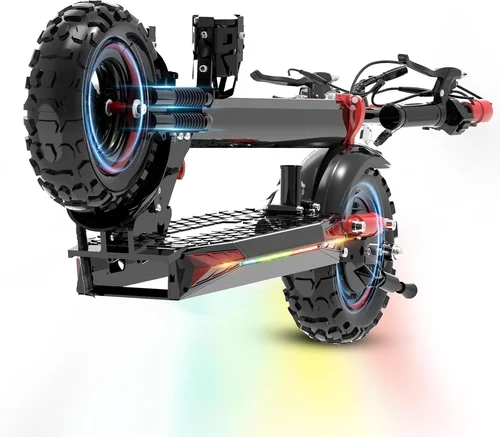
Expert Tips for Getting the Best Deal
- Shop During Sales Seasons: Black Friday, Cyber Monday, and back-to-school periods (July–September) offer the deepest discounts. Gotrax often runs promotions with free accessories or extended warranties.
- Buy Direct from Manufacturer: Gotrax.com frequently has exclusive deals, bundle offers, or refurbished units at 20–30% off. You also get full warranty coverage and direct support.
- Check Refurbished Options: Certified refurbished scooters from reputable sellers undergo rigorous testing and come with warranties. They’re a smart way to get premium features at mid-range prices.
- Compare Return Policies: Look for at least a 14-day return window. Some retailers (like Best Buy) allow in-store returns, making exchanges easier if the scooter doesn’t fit your needs.
- Bundle Accessories: Helmets, locks, phone mounts, and lights add up. Some brands offer starter kits that save you 15–20% versus buying separately.
- Read the Fine Print on Warranties: Ensure the warranty covers both parts and labor, and confirm whether you pay shipping for repairs. Gotrax offers U.S.-based service, which is a big plus.
- Join Owner Communities: Forums and Facebook groups often share discount codes, maintenance tips, and early alerts on sales. Fellow riders are invaluable resources.
- Consider Total Cost of Ownership: Factor in battery replacement ($100–$300 every 2–4 years), tire changes, and potential repairs. A slightly pricier scooter with lower upkeep costs may be cheaper long-term.

Frequently Asked Questions
Q: How fast do electric scooters go?
A: Most adult electric scooters reach 15–20 mph, which is ideal for city riding. High-performance models can hit 25–35 mph, but check local laws—many cities cap speeds at 15–20 mph for safety.
Q: How far can an electric scooter travel on a single charge?
A: Range varies from 6 miles (budget models) to over 40 miles (premium scooters). Real-world range is typically 20–30% less than advertised due to rider weight, terrain, and speed. Always plan for less than the stated range.
Q: Are electric scooters safe?
A: When used responsibly, yes. Wear a helmet, follow traffic laws, avoid wet surfaces, and maintain your scooter regularly. Choose models with strong brakes, good lighting, and stable handling for maximum safety.
Q: Can I ride an electric scooter in the rain?
A: Only if it has an IP54 or higher rating. Light rain is usually fine, but avoid deep puddles or heavy downpours. Water can damage the motor, battery, or electronics.
Q: How long does it take to charge an electric scooter?
A: Charging time ranges from 3–8 hours, depending on battery size and charger output. Fast-charging models (like the Gotrax G4) can reach 80% in under 3 hours.
Q: Do I need a license or insurance to ride an electric scooter?
A: In most U.S. states, no license or insurance is required for scooters under 20 mph. However, rules vary by location—check your city and state regulations.
Q: What’s the best electric scooter for hills?
A: Look for scooters with at least 500W motor power, preferably 800W or dual motors. Models like the Gotrax G Max Ultra or Apex are designed for inclines and heavy loads.
Q: How much weight can an electric scooter support?
A: Most adult scooters support 220–300 lbs. Check the manufacturer’s weight limit—exceeding it can damage the motor, reduce range, and void the warranty.
Q: Can I take my electric scooter on public transit?
A: Many buses and trains allow folded scooters, but policies vary. Lightweight, compact models (under 30 lbs) are easiest to manage. Always check with your local transit authority.
Q: What should I do if my scooter breaks down?
A: First, consult the user manual and warranty terms. Contact customer support—brands like Gotrax offer troubleshooting guides and repair services. Keep receipts and register your product for faster assistance.
Our Final Recommendations
Best for Budget-Conscious Buyers: Gotrax GXL V2 – At under $400, it delivers reliable performance, decent range (12 miles), and solid build quality. Perfect for students or casual riders who want affordability without sacrificing safety.
Best Overall Value: Gotrax G4 – With a 25-mile range, fast charging, app connectivity, and a robust 350W motor, the G4 offers premium features at a mid-range price. Ideal for daily commuters seeking reliability and modern tech.
Best Premium Option: Gotrax G Max Ultra – Boasting an 800W motor, 30 mph top speed, and excellent hill-climbing ability, this scooter handles tough terrain and heavy riders with ease. A top choice for performance-focused users.
Best for Beginners: Gotrax XR Elite – Lightweight (26 lbs), easy to fold, and simple to operate, the XR Elite is perfect for first-time riders. Its smooth throttle and stable handling build confidence quickly.
Best for Advanced Users: Gotrax Apex – Built for adventure, the Apex features all-terrain tires, dual suspension, and a 35 mph top speed. If you’re tackling trails, gravel, or rough city streets, this is your go-to machine.
Conclusion: Making the Right Choice
Choosing the best electric scooter for adults isn’t about finding the flashiest model or the highest speed—it’s about matching the scooter’s capabilities to your real-life needs. Whether you’re commuting five miles to work, exploring parks on weekends, or navigating hilly neighborhoods, the right scooter will enhance your mobility, save you time, and reduce your environmental footprint.
We’ve covered everything from budget planning and performance specs to brand trust and long-term maintenance. Remember: prioritize safety, comfort, and durability over gimmicks. Read reviews, test ride when possible, and don’t hesitate to invest a little more for peace of mind and longevity.
Electric scooters are more than just gadgets—they’re tools for a smarter, greener lifestyle. With the insights from this guide, you’re equipped to make a confident, informed decision. So go ahead: find your perfect ride, hit the streets, and enjoy the freedom that comes with effortless, eco-friendly transportation. Your future self—and the planet—will thank you.