

The rise of moped-style electric bikes has transformed urban commuting, weekend adventures, and even last-mile delivery logistics. These sleek, powerful e-bikes blend the convenience of a traditional bicycle with the comfort and presence of a classic moped—offering throttle-assisted riding, step-through frames, integrated storage, and often full suspension. As we move through 2026, the market is more crowded than ever, with dozens of brands offering everything from budget-friendly commuter models to high-performance machines capable of 30+ mph speeds and 60+ mile ranges.
Choosing the right moped e-bike isn’t just about picking the shiniest model or the one with the longest range. It’s about aligning your purchase with your real-world needs—whether you’re navigating city traffic, hauling groceries, or exploring rural trails. This guide cuts through the noise and marketing hype to deliver expert-level insights that help you make a smart, informed decision. You’ll learn how to evaluate performance specs, understand build quality, compare value across price tiers, avoid common pitfalls, and ultimately find the moped e-bike that fits your lifestyle like a glove.
From entry-level options under $1,000 to premium models exceeding $4,000, the moped e-bike category has matured significantly. Innovations in battery tech, motor efficiency, frame design, and smart features mean today’s riders enjoy capabilities that were unimaginable just five years ago. Yet with so many choices—and so much conflicting information online—it’s easy to feel overwhelmed. That’s why this comprehensive buying guide exists: to arm you with the knowledge, tools, and confidence needed to choose wisely, save money, and get the most out of your investment.

What to Look for When Buying a Moped E-Bike
1. Budget & Price Range
Your budget is the single most important starting point. Moped-style e-bikes span a wide spectrum—from basic commuter models around $800 to high-end machines pushing $5,000. Setting a realistic price range early helps narrow your options and prevents overspending on features you don’t need.
At the lower end ($800–$1,500), expect simplified drivetrains, smaller batteries (36V, 10–13Ah), and modest motors (500W or less). These bikes are great for flat city riding but may struggle on hills or with heavy loads. Mid-range models ($1,500–$3,000) typically offer 750W motors, 48V batteries with 14–17Ah capacity, hydraulic disc brakes, and better suspension. Premium bikes ($3,000+) often include torque sensors, dual batteries, integrated lighting, GPS tracking, and advanced displays.
2. Performance Specifications
Performance boils down to three core components: motor power, battery capacity, and range. The motor determines how easily you climb hills and accelerate; battery capacity (measured in watt-hours, or Wh) dictates how far you can go on a charge.
Look for motors rated between 500W and 1,000W. In the U.S., Class 2 e-bikes (throttle-assisted up to 20 mph) are street-legal without registration in most states, while Class 3 models (pedal-assist up to 28 mph) may require additional compliance. For moped-style e-bikes, many manufacturers offer “high-speed” variants that exceed 28 mph—but these often fall into motorized vehicle categories and may need licensing or insurance.
Battery voltage (36V vs. 48V) affects power delivery, while amp-hour (Ah) rating determines runtime. A 48V 17Ah battery delivers 816Wh—enough for 40–60 miles depending on terrain, rider weight, and assist level. Always check if the battery is removable (for charging indoors) and whether it uses reliable cells like Samsung, LG, or Panasonic.
3. Build Quality & Durability
A moped e-bike is a significant investment, so durability matters. Start with the frame: aluminum alloy is standard, but look for 6061 or 7005 grades—they’re stronger and more corrosion-resistant than cheaper alternatives. Weld quality should be clean and consistent, with no cracks or rough seams.
Check the suspension system. Most moped e-bikes feature front suspension forks and rear coil or air shocks. Test how they absorb bumps—cheap setups bottom out easily or feel too stiff. Brakes are equally critical: mechanical disc brakes are okay for light use, but hydraulic discs provide superior stopping power, especially when carrying cargo or riding in wet conditions.
Pay attention to IP ratings for water resistance. An IP65 rating means the bike can handle rain and splashes, which is essential for daily commuters. Also inspect cable routing—internal routing protects wires from weather and snags, extending component life.
4. Features & Functionality
Modern moped e-bikes come packed with features that enhance safety, convenience, and usability. Integrated LED lighting (front and rear) is now standard on most models—look for bright, daytime-visible headlights with multiple modes. Fenders and chain guards protect you from mud and grease, while rear racks or front baskets add utility.
Many bikes now include color LCD displays showing speed, battery level, assist mode, trip distance, and even navigation. Some offer Bluetooth connectivity to companion apps for ride tracking, anti-theft alerts, or firmware updates. USB charging ports let you power your phone or lights on the go.
Consider ergonomics: step-through frames make mounting easy, especially for riders with limited mobility. Adjustable stems and seat posts improve fit. Fat tires (3.0” to 4.0” wide) provide stability and comfort on rough pavement or light trails, though they add rolling resistance.
5. Brand Reputation
Not all e-bike brands are created equal. Established names like Rad Power Bikes, Aventon, Juiced Bikes, and Super73 have built reputations for reliability, customer service, and innovation. They often invest more in R&D, use higher-quality components, and offer better warranties.
Research brand history: How long have they been in business? Do they manufacture their own bikes or white-label from overseas factories? Read independent reviews and check forums like Reddit’s r/ebikes or Electric Bike Report for real user experiences. Beware of “Amazon-only” brands with no physical support network—they may disappear overnight, leaving you stranded without parts or service.
6. Warranty & Support
A solid warranty reflects a manufacturer’s confidence in their product. Most reputable brands offer at least a 1-year comprehensive warranty covering the frame, motor, battery, and electronics. Premium models may include 2–3 years of coverage.
Pay close attention to what’s excluded: batteries often have separate warranties (typically 1–2 years), and wear items like tires, brake pads, and chains are usually not covered. Also check if the warranty is honored by local dealers or requires shipping the entire bike back to the factory—this can be costly and time-consuming.
Customer support matters too. Can you reach a human quickly? Are replacement parts readily available? Brands with U.S.-based service centers (like Rad Power Bikes or Trek) generally offer faster resolution than those relying solely on email support.
7. Size & Portability
While most moped e-bikes aren’t designed for frequent transport, size still affects usability. Consider wheelbase length, standover height, and total weight. A shorter wheelbase improves maneuverability in tight spaces, while a lower standover height makes it easier to put a foot down at stops.
Weight ranges from 55 lbs for lightweight models to over 80 lbs for heavy-duty versions with dual batteries and robust frames. If you need to carry the bike upstairs or load it into a vehicle, look for integrated handles or folding features—though true folding moped e-bikes are rare due to their size.
Storage is another factor. Some models include built-in lock boxes, under-seat compartments, or accessory rails for adding panniers or child seats. Think about your typical cargo: groceries, work gear, or even a pet carrier?
8. User Reviews & Ratings
Never rely solely on manufacturer specs or marketing claims. Real-world user feedback reveals nuances that spec sheets miss—like battery degradation after six months, rattling components, or poor dealer service.
Read verified purchase reviews on retailer sites (REI, Best Buy, specialized e-bike shops) and third-party platforms. Look for patterns: if multiple users report the same issue (e.g., “motor cuts out on hills”), it’s likely a design flaw. Conversely, consistent praise for comfort or reliability is a strong signal.
Watch video reviews on YouTube for hands-on demonstrations. Creators like Electric Bike Review or Benno E-Bikes often test bikes in realistic conditions, showing how they perform on hills, in traffic, or with cargo.
Different Types of Moped E-Bikes

Common Buying Mistakes to Avoid

❌ Mistake: Prioritizing Range Over Real-World Conditions
Why it’s bad: Manufacturers often quote “ideal” range figures based on minimal assist, flat terrain, and light riders. In reality, hills, wind, cargo, and cold weather can cut range by 30–50%. Relying solely on advertised range leads to unexpected dead batteries mid-commute.
What to do instead: Use range as a rough guide, but prioritize battery capacity (Wh) and motor efficiency. Look for bikes with eco modes and regenerative braking (on select models) to extend real-world range. Always carry a charger or plan routes with charging options.
❌ Mistake: Ignoring Local Laws and Regulations
Why it’s bad: High-speed moped e-bikes (28+ mph) may be classified as mopeds or motorcycles in your state, requiring registration, insurance, or a license. Riding one illegally can result in fines or confiscation.
What to do instead: Check your state and local e-bike laws before buying. The PeopleForBikes website offers a state-by-state guide. If you want speeds above 20 mph, ensure the bike is compliant or consider a registered low-speed electric vehicle (LSEV).
❌ Mistake: Overlooking Test Rides
Why it’s bad: E-bike feel varies dramatically—even with similar specs. A bike that looks great online might be uncomfortable, unbalanced, or poorly tuned in person.
What to do instead: Visit local dealers or attend e-bike demo events. Test ride on varied terrain: hills, curbs, and busy streets. Pay attention to throttle response, brake feel, and overall stability. If buying online, choose retailers with generous return policies (30+ days).
❌ Mistake: Skimping on Safety Features
Why it’s bad: Moped e-bikes are heavier and faster than regular bikes, increasing stopping distances and accident risk. Skipping lights, mirrors, or quality brakes compromises safety.
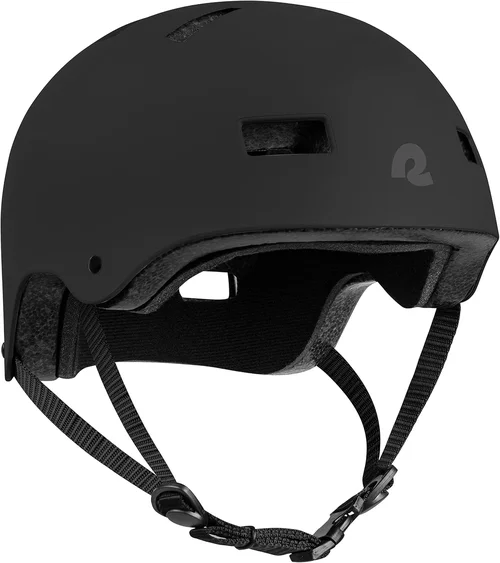
What to do instead: Invest in integrated lighting, reflective elements, and hydraulic brakes. Consider adding a helmet with MIPS technology, turn signals, or a rearview mirror. Some premium models now include collision alerts and automatic brake lights.
❌ Mistake: Buying Based on Looks Alone
Why it’s bad: A stylish design doesn’t guarantee performance or reliability. Flashy colors or retro aesthetics may hide cut corners in components or assembly.
What to do instead: Balance aesthetics with functionality. Choose a bike that matches your lifestyle—practical features matter more than paint color. Read deep-dive reviews that test durability and long-term performance.
❌ Mistake: Neglecting Maintenance Requirements
Why it’s bad: E-bikes need regular upkeep: tire pressure checks, brake adjustments, chain lubrication, and battery care. Ignoring maintenance shortens component life and reduces safety.
What to do instead: Learn basic maintenance or find a local e-bike shop that offers tune-ups. Keep a maintenance log and follow the manufacturer’s service schedule. Store the battery properly (50% charge in cool, dry places) to maximize lifespan.
Budget Guidelines: How Much Should You Spend?
Entry-Level ($800–$1,500): These bikes suit casual riders on flat terrain with short commutes. Expect 500W motors, 36V batteries (~360–468Wh), mechanical disc brakes, and basic suspension. Brands like Gotrax, Ancheer, or Ecotric offer decent value here, but build quality and support may be limited. Ideal for students, weekend riders, or secondary household bikes.
Mid-Range ($1,500–$3,000): This is the sweet spot for most buyers. You’ll get 750W motors, 48V batteries (672–816Wh), hydraulic brakes, better suspension, and more reliable components. Models from Rad Power Bikes (RadCity), Aventon (Level.2), or Lectric XP 3.0 deliver excellent performance, comfort, and warranty coverage. Perfect for daily commuting, errands, and light cargo.
Premium ($3,000–$4,500): Designed for enthusiasts and heavy users. Features include torque sensors (for natural pedal feel), dual-battery options, full suspension, integrated GPS, and advanced displays. Bikes like the Juiced HyperScorpion, Super73-RX, or Benno Boost E 10D offer top-tier performance, durability, and tech. Great for long-distance touring, off-road adventures, or replacing a car for local trips.
Luxury ($4,500+): Reserved for collectors, tech lovers, or professionals needing maximum capability. These bikes boast carbon frames, custom tuning, app ecosystems, and concierge-level support. Examples include the Delfast Prime 3.0 or the Cake Kalk OR. While overkill for most, they represent the cutting edge of e-bike innovation.
Expert Tips for Getting the Best Deal
1. Buy During Off-Peak Seasons: Retailers often discount e-bikes in late fall and winter (November–February) to clear inventory. You can save 10–20% compared to spring/summer peak demand.
2. Shop at Specialty E-Bike Stores: Unlike big-box retailers, specialty shops offer expert advice, test rides, and post-purchase support. Many also price-match online deals.
3. Look for Bundle Deals: Some brands include free accessories (helmets, locks, racks) during promotions. These can add $100–$300 in value.
4. Check Manufacturer Rebates and Incentives: States like California, Colorado, and New York offer e-bike purchase rebates ($100–$1,000). Utility companies sometimes provide additional discounts.
5. Negotiate Extended Warranties: If the standard warranty is short, ask if the dealer can extend it for a small fee. This is common with premium brands.
6. Read the Fine Print on Returns: Ensure the return window is at least 14–30 days and covers shipping costs. Some online-only retailers charge restocking fees.
7. Join Owner Communities: Forums and Facebook groups often share exclusive discount codes or early access to sales.
8. Consider Certified Pre-Owned: Reputable dealers sell refurbished e-bikes with warranties at 20–40% off retail. Great for trying premium models affordably.

Frequently Asked Questions
Q: Can I ride a moped e-bike on bike lanes?
A: In most U.S. states, Class 1 and Class 2 e-bikes (up to 20 mph with throttle) are allowed in bike lanes and multi-use paths. Class 3 bikes (28 mph pedal-assist only) may be restricted in some areas. Always check local regulations—some cities prohibit e-bikes on certain trails or sidewalks.
Q: How long does the battery last?
A: Most lithium-ion e-bike batteries retain 80% capacity after 500–1,000 charge cycles, translating to 3–5 years of daily use. Proper care (avoiding extreme temps, not draining to 0%) extends lifespan significantly.
Q: Do I need insurance for my moped e-bike?
A: Generally no—for Class 1–3 e-bikes. However, if your bike exceeds 20 mph with throttle or 28 mph with pedal-assist, it may be classified as a motor vehicle requiring insurance. High-value bikes ($3,000+) may benefit from personal property coverage through homeowner’s insurance.
Q: Can I upgrade the battery later?
A: Some brands offer higher-capacity replacement batteries, but compatibility varies. Check if the frame has space and the BMS (battery management system) supports larger packs. DIY upgrades often void warranties.
Q: Are moped e-bikes good for hills?
A: Yes—if equipped with a powerful motor (750W+) and torque sensor. Mid-drive motors (like Bosch or Bafang) excel on steep grades, but many moped-style bikes use hub motors, which are still effective with proper gearing and battery capacity.
Q: How much weight can they carry?
A: Most moped e-bikes support 250–350 lbs total (rider + cargo). Cargo-specific models like the RadWagon 4 or Yuba Spicy Curry handle up to 400+ lbs. Always check the manufacturer’s rated capacity before loading.
Q: Can I ride in the rain?
A: Yes, if the bike has an IP65 or higher rating. Avoid submerging the battery or controller. Dry the bike after wet rides and lubricate the chain to prevent rust.
Q: What’s the difference between hub and mid-drive motors?
A: Hub motors are built into the wheel (usually rear), offering simplicity and throttle compatibility—common in moped e-bikes. Mid-drives sit near the pedals, providing better weight distribution and hill-climbing efficiency but are rare in moped designs due to complexity and cost.
Q: How fast do they go?
A: Class 2 models max out at 20 mph with throttle; Class 3 at 28 mph with pedal-assist. Unlocked or modified bikes can reach 35–45 mph, but this is illegal in most areas and voids warranties.
Q: Is maintenance expensive?
A: Routine maintenance (tires, brakes, chain) costs similar to a regular bike—$50–$150/year. Battery replacement is the biggest expense ($400–$800), but proper care delays this need.
Our Final Recommendations
Best for Budget-Conscious Buyers: Lectric XP 3.0 ($999) – Despite its low price, it offers 750W motor, 48V battery, fat tires, and solid build quality. Great for city commuting and light trails.
Best Overall Value: Rad Power Bikes RadCity 5 Plus ($1,999) – Combines reliability, comfort, and performance with hydraulic brakes, integrated lights, and a 48V 14Ah battery. Backed by excellent U.S. support.
Best Premium Option: Juiced HyperScorpion ($3,299) – A high-speed beast with 1,000W motor, 52V 20.8Ah battery (100+ mile range), full suspension, and aggressive styling. Ideal for enthusiasts wanting car-like performance.
Best for Beginners: Aventon Level.2 ($1,799) – User-friendly interface, smooth ride, and step-through option make it perfect for new riders. Includes turn signals and a bright display.
Best for Advanced Users: Super73-RX ($3,495) – Blends motorcycle aesthetics with e-bike functionality. Features a 2,000W peak motor, Bluetooth app control, and customizable ride modes for tech-savvy riders.
Conclusion: Making the Right Choice
Choosing the right moped e-bike in 2026 is about more than specs and price tags—it’s about finding a partner for your daily adventures. Whether you’re dodging traffic downtown, loading up for a farmers’ market run, or exploring backroads on weekends, the ideal bike aligns with your habits, environment, and expectations.
Remember: prioritize your must-have features (range, cargo capacity, speed) over flashy extras. Invest in quality components and reputable brands to avoid headaches down the road. And never skip the test ride—your comfort and confidence matter as much as any spec sheet.
With the insights from this guide, you’re equipped to navigate the crowded market, avoid costly mistakes, and select a moped e-bike that delivers joy, utility, and reliability for years to come. Now go find your ride—and enjoy the freedom that comes with electric-powered mobility.