

Electric scooters have evolved from niche urban curiosities into serious transportation solutions for millions worldwide. Whether you’re commuting to work, running errands across town, or simply enjoying a weekend ride through the park, the right electric scooter can transform your daily routine. With advancements in battery technology, motor efficiency, and smart features, today’s models offer impressive range, speed, and reliability—even in compact, portable designs. But with so many options flooding the market, choosing the best electric scooter for your needs can feel overwhelming. That’s where this comprehensive buying guide comes in.
This guide is designed to cut through the noise and help you make an informed decision based on real-world performance, value, and long-term usability. You’ll learn how to evaluate key specs like range, speed, and build quality, understand the differences between scooter categories, avoid common purchasing pitfalls, and discover expert tips for getting the best deal. We’ve analyzed dozens of models across price points and use cases to bring you honest, practical advice—no fluff, no hype, just actionable insights. Whether you’re a first-time buyer or upgrading from an older model, this guide will equip you with everything you need to choose a scooter that fits your lifestyle, budget, and expectations.
The electric scooter market has matured significantly over the past few years. What once consisted mostly of flimsy, short-range toys now includes robust, feature-rich machines capable of tackling hills, handling rough terrain, and lasting years with proper care. Brands like Gotrax, Xiaomi, Segway-Ninebot, Apollo, and Unagi have raised the bar with innovations in safety, connectivity, and ride comfort. At the same time, budget-friendly options have become more capable than ever, making e-scooters accessible to a wider audience. As cities embrace micromobility and consumers seek sustainable alternatives to cars, the demand for reliable, high-performing electric scooters continues to grow—and so does the importance of knowing what to look for before you buy.

What to Look for When Buying Gotrax
1. Budget & Price Range
Your budget is the foundation of your purchase decision. Electric scooters span a wide price spectrum—from under $200 for basic commuter models to over $3,000 for premium performance machines. Setting a realistic budget helps narrow your options and prevents overspending on features you don’t need. Consider not just the upfront cost but also long-term expenses like maintenance, replacement parts, and potential upgrades.
For most casual riders, a scooter between $300 and $800 offers the best balance of affordability and functionality. If you plan to ride daily or cover longer distances, investing $800–$1,500 gets you significantly better build quality, battery life, and safety features. Remember: the cheapest option isn’t always the most economical—poor durability or frequent repairs can quickly erase any initial savings.
2. Performance Specifications
Performance specs determine how well your scooter handles real-world conditions. Key metrics include top speed, range, motor power, and hill-climbing ability. Most entry-level scooters max out at 15–18 mph with ranges of 10–15 miles, while mid-range models often reach 20–25 mph and 20–30 miles per charge. High-performance scooters can exceed 30 mph and offer 40+ mile ranges.
Motor power (measured in watts) directly affects acceleration and incline performance. A 250W motor suits flat city streets, but 500W or higher is recommended for hilly areas or heavier riders. Always check the scooter’s rated range under ideal conditions—real-world range may be 20–30% lower due to wind, terrain, rider weight, and temperature. Don’t overlook braking performance either; regenerative brakes and disc brakes offer superior stopping power compared to basic foot or electronic brakes.
3. Build Quality & Durability
A scooter’s lifespan depends heavily on its construction. Look for frames made from aircraft-grade aluminum or reinforced steel—materials that resist bending and corrosion. Check hinge mechanisms, stem locks, and deck integrity, especially if you’ll be folding and carrying the scooter frequently. Water resistance ratings (like IP54 or IPX4) indicate protection against splashes and light rain, which is crucial for all-weather usability.
Tires also play a major role in durability and ride comfort. Solid rubber tires require no maintenance and resist punctures but offer a rougher ride. Air-filled pneumatic tires provide better shock absorption and grip but need occasional inflation and are prone to flats. Some premium models use honeycomb or tubeless designs to combine the best of both worlds. Always inspect welds, bolts, and joints for signs of weak construction before buying.
4. Features & Functionality
Modern electric scooters come packed with smart features that enhance safety, convenience, and ride experience. Essential features include LED headlights and taillights for visibility, bright LCD displays showing speed and battery level, and responsive throttle controls. Advanced models may offer app connectivity for ride tracking, anti-theft alarms, customizable riding modes, and GPS navigation.
Suspension systems—whether front, rear, or dual—greatly improve comfort on uneven surfaces. Foldability is another key consideration: if you’ll be taking your scooter on public transit or storing it in tight spaces, a compact, lightweight foldable design is ideal. Additional perks like phone mounts, USB charging ports, and integrated bells add practical value without significantly increasing cost.
5. Brand Reputation
Not all brands are created equal. Established manufacturers like Gotrax, Xiaomi, and Segway-Ninebot have proven track records for reliability, customer service, and consistent product quality. They invest in R&D, rigorous testing, and global support networks. Lesser-known or generic brands may offer tempting prices but often cut corners on components, safety standards, or post-purchase support.
Research brand history, read user testimonials, and check third-party certifications (like UL 2271 for battery safety). A reputable brand stands behind its products with clear warranties, accessible customer service, and readily available replacement parts. Avoid brands with vague return policies, no contact information, or a history of unresolved complaints.
6. Warranty & Support
A solid warranty protects your investment and reflects the manufacturer’s confidence in their product. Most reputable brands offer at least a 6-month to 1-year warranty covering defects in materials and workmanship. Premium models may include 2-year warranties or extended coverage for batteries and motors.
Pay attention to what’s covered: some warranties exclude wear items like tires, brakes, or batteries. Check if repairs require shipping the entire scooter or just specific parts, and whether local service centers are available. Good customer support includes responsive email/phone assistance, detailed troubleshooting guides, and active community forums. Avoid brands with “no-questions-asked” policies that sound too good to be true—they often hide restrictive fine print.
7. Size & Portability
Portability matters if you’ll be carrying your scooter upstairs, onto buses, or storing it in a car trunk. Weight is the biggest factor—most commuter scooters weigh 20–30 lbs, while performance models can exceed 50 lbs. Foldable designs should lock securely when open and collapse smoothly without tools.
Consider deck size, handlebar height, and wheel diameter. A wider deck offers better foot placement and stability, while adjustable handlebars accommodate different rider heights. Larger wheels (8–10 inches) handle bumps better but add weight. If you’re under 5’4″ or over 6’2″, test ride when possible to ensure ergonomic comfort.
8. User Reviews & Ratings
Never rely solely on manufacturer claims. Real user reviews reveal how a scooter performs in everyday conditions—revealing issues like battery degradation, loose stems, or poor customer service that specs sheets won’t show. Look for detailed reviews on trusted platforms like Amazon, Reddit (r/ElectricScooters), or specialized review sites.
Pay attention to patterns: if multiple users report the same problem (e.g., “brakes failed after 3 months”), it’s likely a design flaw. Conversely, consistent praise for ride quality or durability is a strong endorsement. Be wary of overly positive or generic reviews—they may be fake. Focus on verified purchases and recent feedback to account for product updates.
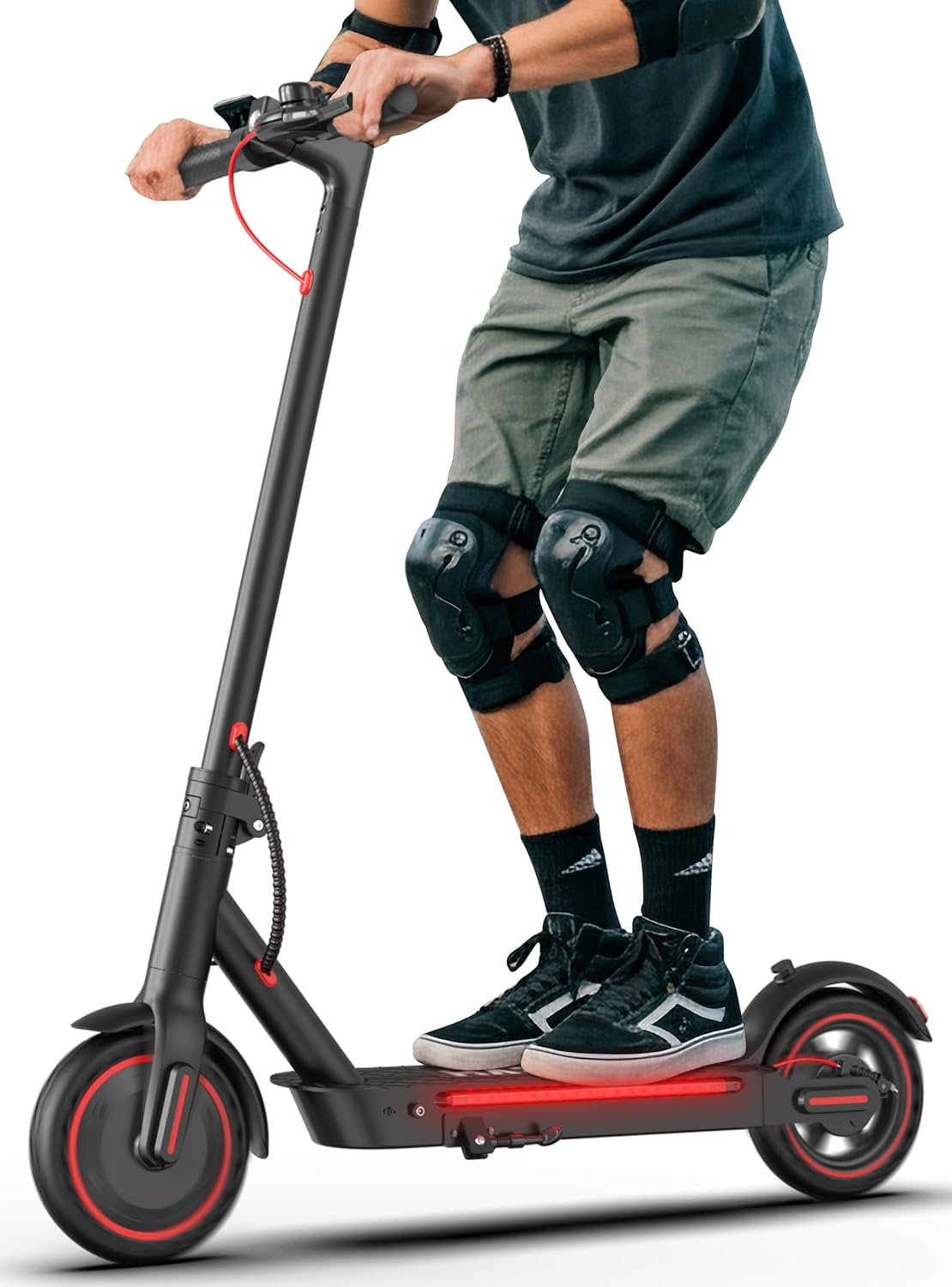
Different Types of Gotrax
Common Buying Mistakes to Avoid

❌ Mistake: Prioritizing Price Over Performance
Why it’s bad: Choosing the cheapest scooter often leads to frustration—short range, slow speeds, poor build quality, and frequent breakdowns. You may end up replacing it within a year, costing more in the long run.
What to do instead: Set a minimum performance threshold based on your needs (e.g., 15 mph speed, 12-mile range). Use price as a secondary filter, not the primary one.
❌ Mistake: Ignoring Real-World Range Claims
Why it’s bad: Manufacturers often quote range under ideal conditions (flat ground, 150-lb rider, no wind). In reality, hills, headwinds, and heavier loads can cut range by 30% or more.
What to do instead: Multiply advertised range by 0.7 to estimate real-world performance. If you need 15 miles, choose a scooter rated for at least 20–22 miles.
❌ Mistake: Overlooking Weight and Portability
Why it’s bad: A heavy, bulky scooter becomes a burden when carrying it up stairs or onto public transit. Many buyers regret not considering daily portability needs.
What to do instead: Test the weight yourself—can you lift it comfortably? Check folded dimensions and look for ergonomic handles or wheels for easier transport.
❌ Mistake: Skipping Safety Features
Why it’s bad: Riding without lights, reflectors, or reliable brakes increases accident risk, especially at night or in traffic. Some budget models lack even basic lighting.
What to do instead: Ensure the scooter has front and rear lights, side reflectors, and a responsive braking system. Consider adding a helmet and high-visibility gear.
❌ Mistake: Buying Without Reading Reviews
Why it’s bad: Marketing materials highlight strengths but omit flaws. User reviews reveal hidden issues like battery swelling, stem wobble, or poor app connectivity.
What to do instead: Spend at least 30 minutes reading verified buyer reviews across multiple platforms. Look for consistency in feedback.
❌ Mistake: Assuming All Brands Offer Equal Support
Why it’s bad: Generic brands may disappear after a sale, leaving you with no warranty support or spare parts. Repair costs can exceed the scooter’s value.
What to do instead: Stick to established brands with transparent support policies and accessible customer service. Check if local repair shops carry parts.
❌ Mistake: Neglecting Local Laws and Regulations
Why it’s bad: Some cities restrict e-scooter speeds, require licenses, or ban riding on sidewalks. Fines or confiscation can result from non-compliance.
What to do instead: Research local micromobility laws before buying. Choose a scooter that meets legal limits (e.g., 20 mph max in many U.S. cities).
Budget Guidelines: How Much Should You Spend?
Entry-Level ($150–$400): Ideal for casual riders, teens, or short campus commutes. Expect basic specs: 10–15 mph top speed, 8–12 mile range, minimal features, and lighter builds. Models like the Gotrax GXL V2 or Xiaomi Mi Essential offer surprising value in this range. Great for occasional use but may struggle with hills or daily wear.
Mid-Range ($400–$900): The sweet spot for most buyers. Scooters here deliver reliable performance, better batteries, improved brakes, and useful features like app connectivity and suspension. Examples include the Gotrax G4, Segway Ninebot ES4, and Unagi Model One. These handle daily commutes, moderate hills, and offer 15–25 mile ranges. Build quality is noticeably better than entry-level.
Premium ($900–$2,000): For serious commuters and enthusiasts. Expect high-capacity batteries (30+ mile range), powerful motors (500W+), advanced suspension, and premium materials. Brands like Apollo, Dualtron, and Kaabo dominate this space. These scooters are built to last, perform well in varied conditions, and often include smart tech like GPS tracking and customizable ride modes.
Luxury ($2,000+): Top-tier machines for professionals, tech lovers, or off-road adventurers. Features include dual motors, hydraulic brakes, full suspension, carbon fiber components, and cutting-edge electronics. Models like the Dualtron Thunder or Apollo Phantom offer speeds over 40 mph and ranges exceeding 60 miles. These are investments—built for performance, durability, and prestige.
Expert Tips for Getting the Best Deal
1. Time Your Purchase Around Sales Events: Major discounts occur during Black Friday, Cyber Monday, Amazon Prime Day, and end-of-season clearances (late summer/early fall). Sign up for brand newsletters to get early access to promotions.
2. Buy Direct from Manufacturers When Possible: Brands like Gotrax, Apollo, and Unagi often offer exclusive bundles, extended warranties, or free accessories (helmets, phone mounts) when you buy directly from their websites—sometimes at lower prices than third-party retailers.
3. Compare Total Cost of Ownership: Factor in shipping fees, import taxes (for international brands), and potential repair costs. A $500 scooter with $100 shipping and no local support may cost more long-term than a $600 model with free shipping and service centers nearby.
4. Check Return and Trial Policies: Some brands offer 14–30 day trial periods or hassle-free returns. This lets you test the scooter in real conditions and return it if it doesn’t meet expectations. Avoid retailers with restocking fees or short return windows.
5. Look for Refurbished or Open-Box Deals: Certified refurbished scooters from reputable sellers often come with warranties and sell for 20–40% less than new. These are ideal for budget-conscious buyers who want higher-end specs without the premium price.
6. Test Ride Before Buying (If Possible): Visit local micromobility shops or attend e-scooter demo events. Feeling the ride quality, weight, and controls firsthand prevents buyer’s remorse. If in-person testing isn’t available, watch detailed video reviews that show real-world handling.
7. Negotiate Add-Ons: When buying from authorized dealers, ask for free extras like upgraded tires, phone mounts, or extended warranties. Many are willing to sweeten the deal to close a sale.
8. Monitor Price Tracking Tools: Use browser extensions like Honey or CamelCamelCamel to track price history and get alerts when your desired model drops in price. Patience can save you $50–$200.

Frequently Asked Questions
Q: How far can an electric scooter really go on a single charge?
A: Real-world range depends on rider weight, terrain, speed, and weather. As a rule of thumb, expect 70–80% of the advertised range. A scooter rated for 20 miles might deliver 14–16 miles under typical conditions. Heavier riders or hilly routes will reduce range further.
Q: Are electric scooters safe to ride?
A: Yes, when used responsibly. Always wear a helmet, follow traffic laws, avoid wet or uneven surfaces, and maintain your scooter regularly. Choose models with reliable brakes, lights, and stable builds. Beginners should start in low-speed modes and practice in safe areas.
Q: Can I ride an electric scooter in the rain?
A: Only if it has an IP rating of IPX4 or higher. IPX4 means splash-resistant—suitable for light rain but not submersion. Avoid deep puddles, heavy downpours, and riding through standing water, which can damage electronics and batteries.
Q: How long do electric scooter batteries last?
A: Most lithium-ion batteries last 300–500 full charge cycles before capacity drops below 80%. With daily use, that’s roughly 1–2 years. Proper care—like avoiding full discharges and storing at 50% charge—can extend lifespan.
Q: Do I need a license or insurance to ride an e-scooter?
A: Laws vary by location. In many U.S. cities, no license is required for scooters under 20 mph. Some states mandate helmets for minors or restrict where you can ride. Check your local Department of Motor Vehicles or transportation authority for specifics.
Q: Can I take my electric scooter on public transit?
A: Most buses, trains, and subways allow folded scooters, but policies differ. Call ahead or check transit websites. Ensure your scooter is lightweight and compact enough to carry comfortably during peak hours.
Q: What’s the difference between hub motors and belt-driven motors?
A: Hub motors are integrated into the wheel—simple, quiet, and low-maintenance but less efficient on hills. Belt-driven motors use a belt and pulley system, offering better torque and hill-climbing ability but require occasional belt replacement. Most commuter scooters use hub motors; performance models often use belt or direct-drive systems.
Q: How do I maintain my electric scooter?
A: Regular maintenance includes checking tire pressure (if pneumatic), tightening bolts, cleaning the deck and wheels, updating firmware (if applicable), and storing in a dry place. Inspect brakes and lights monthly. Follow the manufacturer’s maintenance schedule.
Q: Can I upgrade my scooter’s battery or motor?
A: Generally not recommended. Most scooters are engineered as complete systems—upgrading one component can overload others, void warranties, or create safety hazards. If you need more power or range, consider buying a higher-spec model.
Q: Are there eco-friendly benefits to using an electric scooter?
A: Absolutely. E-scooters produce zero direct emissions, reduce traffic congestion, and use far less energy per mile than cars. Even accounting for electricity generation and manufacturing, their carbon footprint is significantly lower than gasoline vehicles over their lifespan.
Our Final Recommendations
Best for Budget-Conscious Buyers: Gotrax GXL V2 – At under $300, it delivers reliable 15.5 mph speed, 12-mile range, and solid build quality. Perfect for students or short commutes. Lacks advanced features but excels in value.
Best Overall Value: Gotrax G4 – Priced around $600, it offers 20 mph top speed, 25-mile range, app connectivity, and excellent suspension. A near-perfect blend of performance, portability, and price for daily riders.
Best Premium Option: Apollo Explore – With a 52V battery, 31 mph speed, 38-mile range, and dual suspension, this $1,499 scooter handles long commutes and hills with ease. Ideal for serious riders who demand reliability and power.
Best for Beginners: Xiaomi Mi Electric Scooter 3 – Simple controls, intuitive app, and stable ride make it perfect for first-timers. At $450, it’s affordable, well-built, and widely supported.
Best for Advanced Users: Dueltron Thunder 2 – A beast at $3,490, featuring dual 1,000W motors, 52 mph top speed, 75-mile range, and hydraulic brakes. Built for thrill-seekers and long-distance adventurers who refuse to compromise.
Conclusion: Making the Right Choice
Choosing the best electric scooter isn’t about finding the fastest or most expensive model—it’s about matching the right tool to your lifestyle. By focusing on your core needs—commute distance, terrain, budget, and portability—you can narrow the field to a handful of worthy contenders. Prioritize safety, build quality, and real-world performance over flashy specs or low prices alone. Use this guide as your roadmap: evaluate key factors, avoid common pitfalls, leverage expert tips, and always read user reviews.
Remember, the perfect scooter is one that you’ll actually use—not one that sits in the garage because it’s too heavy, too slow, or too unreliable. Take your time, do your research, and don’t rush the decision. With the right choice, your electric scooter will become more than just a vehicle; it’ll be a trusted companion for daily adventures, a greener way to move, and a smart investment in your mobility future. Ready to ride? Start comparing models today—and enjoy the freedom that comes with every charge.