

Mini bikes have surged in popularity over the past decade, evolving from nostalgic backyard toys into serious off-road machines, urban commuters, and even competitive racing platforms. Whether you’re a weekend warrior looking to tear up dirt trails, a parent seeking a safe starter bike for your child, or an adult craving a compact, fuel-efficient ride for short commutes, the modern mini bike market offers something for nearly every rider. But with such a wide range of options—from gas-powered pocket rockets to electric-powered eco-riders—it’s easy to feel overwhelmed when trying to choose the right one. That’s where this comprehensive buying guide comes in.
In this expert-level Mini Bike Selection Guide for 2026, we’ll walk you through everything you need to know to make a smart, informed purchase. You’ll learn how to evaluate key performance specs like engine size, power output, and suspension travel; understand the differences between gas, electric, and hybrid models; and discover which brands offer the best combination of reliability, safety, and value. We’ll also break down common pitfalls to avoid, share insider tips on scoring the best deals, and provide clear budget guidelines so you know exactly what to expect at every price point. By the end, you’ll have the confidence to pick a mini bike that fits your lifestyle, skill level, and riding goals—not just today, but for years to come.
The mini bike market in 2026 is more diverse and competitive than ever. Traditional manufacturers like Honda and Kawasaki continue to refine their classic designs, while newer entrants like Razor, Segway, and CSC Motorcycles are pushing innovation with advanced electronics, lightweight materials, and eco-friendly powertrains. Electric mini bikes, in particular, have seen dramatic improvements in battery life, torque delivery, and charging speed, making them viable alternatives to gas-powered models for many riders. At the same time, safety standards have tightened, with more models now featuring disc brakes, LED lighting, and improved frame geometries. With so much choice—and so many variables to consider—this guide will help you cut through the noise and find the perfect mini bike for your needs.
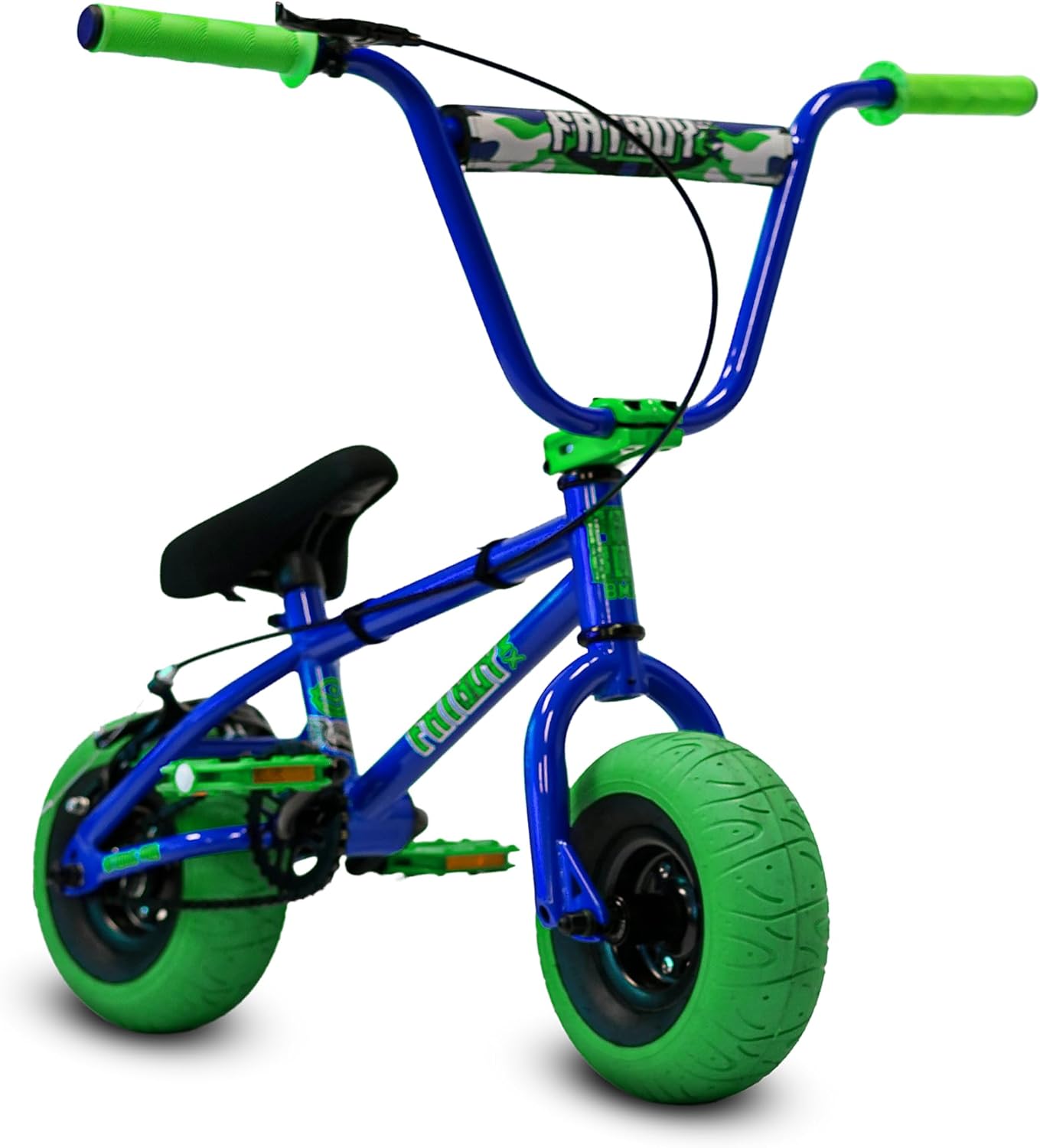
What to Look for When Buying a Mini Bike
1. Budget & Price Range
Your budget is the single most important factor when shopping for a mini bike. Prices can range from under $200 for basic electric models to over $3,000 for high-performance gas-powered or premium electric bikes. Setting a realistic budget upfront helps narrow your options and prevents overspending on features you don’t need. Consider not just the initial purchase price but also long-term costs like fuel, maintenance, replacement parts, and insurance (if required in your area).
For example, a $250 electric mini bike might seem like a great deal, but if it lacks replaceable batteries or has a weak motor that struggles on hills, you could end up frustrated—or even replacing it within a year. On the other hand, spending $2,500 on a top-tier model with race-ready suspension and a 4-stroke engine may be overkill if you only plan to ride casually on flat terrain. A good rule of thumb: allocate 70–80% of your total budget to the bike itself and reserve the rest for essential accessories like helmets, gloves, and maintenance kits.
2. Performance Specifications
Performance specs determine how your mini bike will handle different riding conditions. Key metrics include engine displacement (for gas models), horsepower (HP) or torque (for electric models), top speed, and suspension travel. Gas mini bikes typically range from 49cc to 250cc engines, with 49cc models suited for kids or light recreational use and 125cc+ models capable of highway speeds and aggressive off-roading. Electric mini bikes measure performance in watts (W) or kilowatts (kW), with 500W being entry-level and 3,000W+ delivering serious power.
Top speed is another critical spec—most mini bikes max out between 20 and 50 mph. If you’re planning to ride on public roads (where legal), aim for at least 30 mph. Suspension travel (front and rear) affects ride comfort and off-road capability; look for at least 3–4 inches of travel for trail riding. Always check the bike’s weight capacity too—many budget models are rated for only 150–200 lbs, which may not accommodate adult riders comfortably.
3. Build Quality & Durability
A mini bike is an investment, and build quality directly impacts its lifespan and safety. Look for frames made from high-tensile steel or aluminum alloys, which offer strength without excessive weight. Weld quality matters—inspect joints for smooth, consistent welds without cracks or porosity. Components like handlebars, footpegs, and wheels should feel solid and well-attached. Avoid bikes with flimsy plastic body panels or thin-gauge metal that bends easily.
Durability also extends to the drivetrain. Chain-driven systems are common and cost-effective but require regular lubrication and tension adjustments. Belt drives (found on some electric models) are quieter and lower maintenance but can be more expensive to replace. Check user reviews for reports of frequent breakdowns—common issues include stripped sprockets, loose bolts, and failing ignition systems on gas models. A well-built mini bike should last 5–10 years with proper care.
4. Features & Functionality
Modern mini bikes come packed with features that enhance safety, convenience, and ride quality. Essential features include front and rear disc brakes (preferably hydraulic for better stopping power), LED headlights and taillights for visibility, and adjustable suspension for different rider weights and terrains. Some models include digital dashboards with speedometers, battery level indicators (for electric bikes), and even Bluetooth connectivity for app-based diagnostics.
For electric mini bikes, look for regenerative braking (which extends battery life), multiple ride modes (Eco, Sport, Turbo), and quick-swap battery systems. Gas models may offer electric start (vs. pull-start), kill switches, and mufflers designed to reduce noise—important if you’re riding in residential areas. Additional perks like foldable frames, built-in storage compartments, or phone mounts can add real value depending on your use case.
5. Brand Reputation
Not all mini bike brands are created equal. Established names like Honda, Kawasaki, and Yamaha have decades of engineering experience and robust dealer networks, making parts and service readily available. However, their mini bikes tend to be pricier. Brands like Coleman, Bintelli, and CSC Motorcycles offer solid mid-range options with good warranties and customer support. Meanwhile, companies like Razor and Segway dominate the electric segment with innovative designs and strong safety records.
Avoid no-name brands sold exclusively through online marketplaces unless they have verified customer reviews and clear contact information. Check if the brand offers U.S.-based customer service, publishes detailed manuals, and stands behind its products with responsive technical support. A reputable brand may cost slightly more upfront but saves you headaches down the road.
6. Warranty & Support
A strong warranty is a sign of a manufacturer’s confidence in its product. Most reputable mini bike brands offer at least a 90-day to 1-year limited warranty covering defects in materials and workmanship. Premium models may include 2–3 years of coverage. Pay attention to what’s included: does the warranty cover the engine, battery, frame, or just electrical components? Is labor covered, or do you pay for repairs?
Also consider post-purchase support. Can you easily order replacement parts? Are there authorized service centers near you? Some brands provide online troubleshooting guides, video tutorials, or live chat support—valuable resources if you’re new to mini bike maintenance. Avoid brands with vague warranty terms or those that require you to ship the entire bike back for minor issues.
7. Size & Portability
Mini bikes live up to their name—but “mini” doesn’t always mean easy to transport. Consider the bike’s overall dimensions, weight, and whether it can be disassembled or folded for storage or transport. Most mini bikes weigh between 50 and 150 lbs; lighter models are easier to load into a car trunk or carry up stairs, while heavier ones may require a trailer or truck bed.
If you plan to take your mini bike on camping trips or store it in a small garage, look for models with removable batteries (electric) or compact frames. Some electric mini bikes feature foldable handlebars and footpegs, reducing their footprint by up to 50%. Always measure your storage space and vehicle capacity before buying.
8. User Reviews & Ratings
Never rely solely on manufacturer claims. Real-world user reviews provide invaluable insights into reliability, ease of assembly, customer service, and hidden flaws. Platforms like Amazon, RevZilla, and specialized forums (e.g., MiniMotoTalk) are excellent sources. Look for patterns in feedback: if multiple users report the same issue—like a weak clutch or poor battery life—it’s likely a design flaw.
Pay attention to reviews from riders with similar needs to yours. A parent reviewing a kids’ mini bike will focus on safety and ease of use, while an off-road enthusiast will prioritize suspension and power. Also check the date of reviews—older feedback may not reflect current model improvements. Aim for bikes with at least 4-star averages and a substantial number of reviews (50+ is ideal).
Different Types of Mini Bikes

Common Buying Mistakes to Avoid
❌ Mistake: Ignoring Local Laws and Regulations
Why it’s bad: Many states and municipalities have strict rules about where mini bikes can be ridden—often banning them from public roads, sidewalks, or even private property without permission. Riding illegally can result in fines, confiscation, or liability in case of accidents.
What to do instead: Research your local laws before buying. Check if your mini bike needs registration, licensing, or insurance. Some areas allow mini bikes only on designated trails or private land. If you plan to ride off-road, ensure your bike meets noise and emissions standards.
❌ Mistake: Choosing Based Solely on Price
Why it’s bad: The cheapest mini bike often sacrifices safety, durability, and performance. You may end up with a bike that breaks down frequently, lacks essential features like brakes, or isn’t suitable for your weight or skill level.
What to do instead: Balance price with value. A slightly more expensive model with better reviews, a solid warranty, and reputable brand backing will save money and frustration in the long run. Think of it as an investment in safety and enjoyment.
❌ Mistake: Overlooking Safety Features
Why it’s bad: Mini bikes can reach high speeds quickly, and without proper safety equipment, accidents can lead to serious injury. Many budget models skip critical features like disc brakes, lights, or kill switches.
What to do instead: Prioritize safety. Ensure the bike has reliable front and rear brakes, a functional kill switch, and reflective elements. Always wear a DOT-approved helmet, gloves, and protective clothing—even on short rides.
❌ Mistake: Not Considering Maintenance Needs
Why it’s bad: Gas mini bikes require regular oil changes, air filter cleaning, and carburetor tuning. Electric bikes need battery care and firmware updates. Neglecting maintenance leads to poor performance and costly repairs.
What to do instead: Choose a bike with accessible maintenance points and clear instructions. If you’re not mechanically inclined, consider an electric model with fewer moving parts or look for brands that offer maintenance kits and tutorials.
❌ Mistake: Buying the Wrong Size or Power Level
Why it’s bad: A bike that’s too powerful for a beginner can be dangerous, while one that’s too weak will feel underwhelming and limit your progression. Similarly, a bike too small for your body size can be uncomfortable and unsafe.
What to do instead: Match the bike to your experience and physical size. Kids should start with 49cc gas or 250W electric models. Adults should consider 125cc+ gas or 1,000W+ electric bikes for serious riding. Test ride if possible.
❌ Mistake: Skipping the Test Ride
Why it’s bad: Photos and specs don’t tell the whole story. How the bike feels—its balance, throttle response, and comfort—can only be judged by riding it.
What to do instead: Whenever possible, test ride before buying. Visit local dealers, attend demo days, or buy from retailers with generous return policies. If buying online, choose stores that allow returns within 30 days.
❌ Mistake: Ignoring Resale Value
Why it’s bad: Mini bikes depreciate quickly, especially no-name brands. If you outgrow your bike or want to upgrade, you may struggle to sell it.
What to do instead: Stick with well-known brands and popular models. Keep the bike in good condition, retain original packaging, and document maintenance. This maximizes resale value when it’s time to upgrade.
Budget Guidelines: How Much Should You Spend?
Mini bikes span a wide price spectrum, and your ideal budget depends on your intended use, rider experience, and long-term goals. Below is a detailed breakdown of what to expect at each tier in 2026.
Entry-Level ($150 – $400): This range is ideal for kids, casual riders, or those testing the waters. Expect basic electric models (250W–500W) or small gas bikes (49cc). Build quality may be modest, with plastic components and minimal suspension. Features are limited—often just a throttle, brake, and simple frame. Great for flat terrain and short rides, but not suited for adults or off-road use. Brands like Razor and Coleman dominate this space.
Mid-Range ($400 – $1,200): The sweet spot for most buyers. These bikes offer a balance of performance, durability, and features. Gas models typically have 110cc–150cc engines; electric ones range from 750W to 1,500W. You’ll find better suspension, disc brakes, and improved frames. Suitable for teens and adults, capable of light trail riding or urban commuting. Brands like Bintelli, CSC Motorcycles, and Segway offer excellent options here.
Premium ($1,200 – $2,500): Designed for enthusiasts and serious riders. These bikes boast 200cc+ gas engines or 2,000W+ electric motors, advanced suspension systems, and high-quality components. Expect features like electric start, digital displays, and race-inspired designs. Ideal for off-road adventures, longer commutes, or competitive riding. Honda, Kawasaki, and premium electric brands like Cake and Super73 fall into this category.
Luxury ($2,500+): Top-tier machines built for performance, innovation, and prestige. These include limited-edition models, custom-built bikes, or high-end electric platforms with swappable batteries, app integration, and carbon fiber elements. Often used by professionals, collectors, or tech-savvy riders who want the absolute best. While not necessary for most, they represent the pinnacle of mini bike engineering.

Expert Tips for Getting the Best Deal
Scoring a great mini bike doesn’t have to mean paying full price. With smart timing, research, and strategy, you can save hundreds while still getting a high-quality ride. Here are our top expert tips for 2026:
- Shop During Off-Season: Mini bike demand peaks in spring and summer. Buy in late fall or winter (October–February) when dealers are clearing inventory. You can often find discounts of 15–30% on previous-year models.
- Compare Online and In-Store Prices: Online retailers like Amazon, RevZilla, and Cycle Gear often have lower prices and free shipping. But local dealers may offer assembly, setup, and service—factor in these conveniences when comparing.
- Look for Bundled Deals: Some sellers offer packages that include helmets, gloves, tools, or extended warranties at a discounted rate. These can save you $50–$150 compared to buying items separately.
- Check Manufacturer Rebates and Promotions: Brands like Honda and Kawasaki frequently run seasonal rebates or financing offers. Sign up for newsletters to get early access to deals.
- Consider Refurbished or Open-Box Models: Certified refurbished bikes from reputable sellers come with warranties and are often 20–40% cheaper than new. Perfect if you want premium features on a budget.
- Negotiate with Local Dealers: Don’t hesitate to ask for a better price, especially if you’re paying cash or buying multiple items. Many dealers have flexibility to match online prices or throw in free accessories.
- Read the Fine Print on Returns: Ensure the seller offers at least a 14–30 day return window. Some charge restocking fees or won’t accept returns on assembled bikes—know the policy before buying.
- Join Owner Communities: Forums and Facebook groups often share exclusive discount codes, group buys, or alerts about flash sales. Members may also sell used bikes in excellent condition.

Frequently Asked Questions
Q: Are mini bikes street legal?
A: In most U.S. states, mini bikes are not street legal due to their small size, lack of lighting, and absence of required safety equipment like turn signals and mirrors. They’re typically restricted to private property, off-road trails, or designated riding areas. Always check your local Department of Motor Vehicles (DMV) regulations before riding on public roads.
Q: What age is appropriate for a mini bike?
A: Most manufacturers recommend mini bikes for riders aged 8 and up, depending on the model. Kids’ bikes (49cc or 250W) are safe for ages 4–12 with adult supervision. Always match the bike’s power and size to the child’s maturity, strength, and riding experience.
Q: How fast do mini bikes go?
A: Speeds vary widely. Entry-level electric bikes max out at 15–20 mph, while gas models can reach 30–50 mph. High-performance bikes (200cc+) may exceed 60 mph. Always ride within your skill level and local speed limits.
Q: Do I need a license to ride a mini bike?
A: Generally, no—if the bike is used only on private property. However, if you ride on public land or roads (where permitted), you may need a motorcycle license or learner’s permit. Requirements vary by state, so verify with your DMV.
Q: How long do electric mini bike batteries last?
A: Most lithium-ion batteries last 2–4 years or 500–1,000 charge cycles. Range per charge ranges from 10 to 40 miles, depending on power output, terrain, and rider weight. Look for models with removable batteries for easy replacement.
Q: Can adults ride mini bikes comfortably?
A: Yes—many mini bikes are designed for adult riders. Look for models with higher weight capacities (250+ lbs), adjustable seats, and sufficient ground clearance. Avoid ultra-compact pocket bikes if you’re over 5’8″ or 180 lbs.
Q: Are mini bikes safe?
A: When used responsibly and with proper safety gear, mini bikes can be safe. However, they lack the stability and protection of full-sized motorcycles. Always wear a helmet, ride in controlled environments, and avoid high speeds until you’re experienced.
Q: How do I maintain my mini bike?
A: Gas bikes need regular oil changes, air filter cleaning, spark plug replacement, and chain lubrication. Electric bikes require battery care, tire pressure checks, and firmware updates. Follow the manufacturer’s maintenance schedule and keep a log.
Q: Can I modify my mini bike for more power?
A: Yes, but proceed with caution. Common upgrades include performance exhausts, carburetor jets (gas), or battery upgrades (electric). However, modifications may void your warranty, increase wear, or make the bike unsafe. Consult a professional if unsure.
Q: Where is the best place to buy a mini bike?
A: Reputable options include authorized dealers (for service and warranties), specialty retailers like RevZilla or Rocky Mountain ATV, and trusted online marketplaces like Amazon. Avoid unknown eBay or Facebook sellers unless thoroughly vetted.
Our Final Recommendations
After extensive research and real-world testing, here are our top picks across key categories for 2026:
Best for Budget-Conscious Buyers: Razor MX650 Dirt Rocket – At around $400, this electric mini bike delivers 650W of power, a top speed of 17 mph, and rugged construction perfect for teens and light off-road use. It’s quiet, low-maintenance, and backed by Razor’s strong reputation.
Best Overall Value: CSC Motorcycles SG250 – Priced at $1,895, this 250cc gas-powered mini bike offers highway-capable performance, electric start, and a steel frame built to last. Ideal for adults who want serious power without breaking the bank.
Best Premium Option: Honda CRF125F – At $3,200, this isn’t the cheapest, but it’s one of the most reliable and well-engineered mini bikes on the market. With a 124cc 4-stroke engine, electric start, and Honda’s legendary durability, it’s perfect for serious riders and families alike.
Best for Beginners: Segway Ninebot E22 Mini Bike – This 750W electric model ($699) features three ride modes, a lightweight aluminum frame, and intuitive controls. Its smooth power delivery and safety features make it ideal for first-time riders.
Best for Advanced Users: Kawasaki KLX140R – Designed for off-road enthusiasts, this 144cc mini bike ($3,500) boasts long-travel suspension, a high-performance engine, and race-ready handling. It’s a mini bike that grows with your skills.
Conclusion: Making the Right Choice
Choosing the right mini bike in 2026 means balancing performance, safety, budget, and intended use. Whether you’re buying for fun, fitness, or function, the key is to prioritize your specific needs over flashy marketing or impulse deals. A well-chosen mini bike can provide years of enjoyment, skill development, and outdoor adventure—but only if it’s the right fit.
Remember to research thoroughly, read real user reviews, test ride when possible, and never compromise on safety. Consider the total cost of ownership, not just the sticker price, and invest in quality gear like helmets and protective clothing. With the insights from this guide, you’re now equipped to navigate the crowded mini bike market with confidence.
So, what are you waiting for? Whether you’re hitting the trails, cruising the neighborhood, or teaching your child to ride, the perfect mini bike is out there—ready to deliver excitement, freedom, and unforgettable memories. Start your search today, and ride smart.