
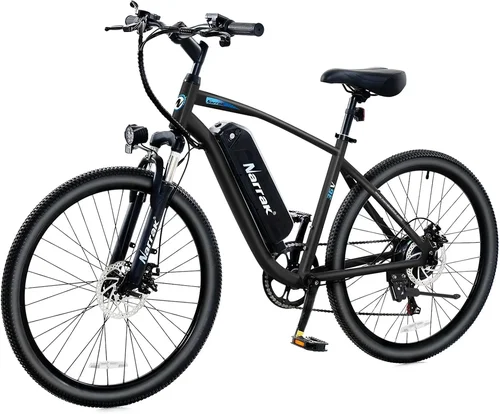
Electric bikes have revolutionized urban commuting, weekend adventures, and even daily fitness routines—offering a perfect blend of pedal power and electric assistance. But with so many models flooding the market, it’s easy to feel overwhelmed, especially when you’re working within a tight budget. That’s where this guide comes in. Whether you’re a first-time buyer looking to ditch traffic jams or a seasoned cyclist seeking an affordable upgrade, finding the right e-bike under $1000 requires more than just scanning price tags. You need to understand what truly matters: battery life, motor performance, build quality, and real-world usability.
In this comprehensive buyer’s guide for 2025, we’ll walk you through everything you need to know to make a smart, informed decision without breaking the bank. We’ll break down the key factors that separate a decent e-bike from a disappointing purchase, compare different categories based on your lifestyle needs, highlight common pitfalls to avoid, and share expert tips to help you stretch your dollar further. By the end, you’ll not only know which models offer the best value under $1000—but also how to choose one that fits your riding style, terrain, and long-term goals.
The electric bike market has matured significantly over the past few years. What once seemed like a niche product is now mainstream, with manufacturers competing fiercely on features, design, and affordability. Under $1000, you can still find surprisingly capable e-bikes—especially if you know where to look and what trade-offs are acceptable. While you won’t get top-tier components like Bosch motors or Shimano STEPS systems at this price point, many brands now offer reliable mid-drive or hub motors, decent-range batteries, and sturdy frames that hold up well for daily use. Our goal is to help you navigate this crowded landscape with confidence, so you walk away with a bike that delivers joy, utility, and reliability—all without overspending.
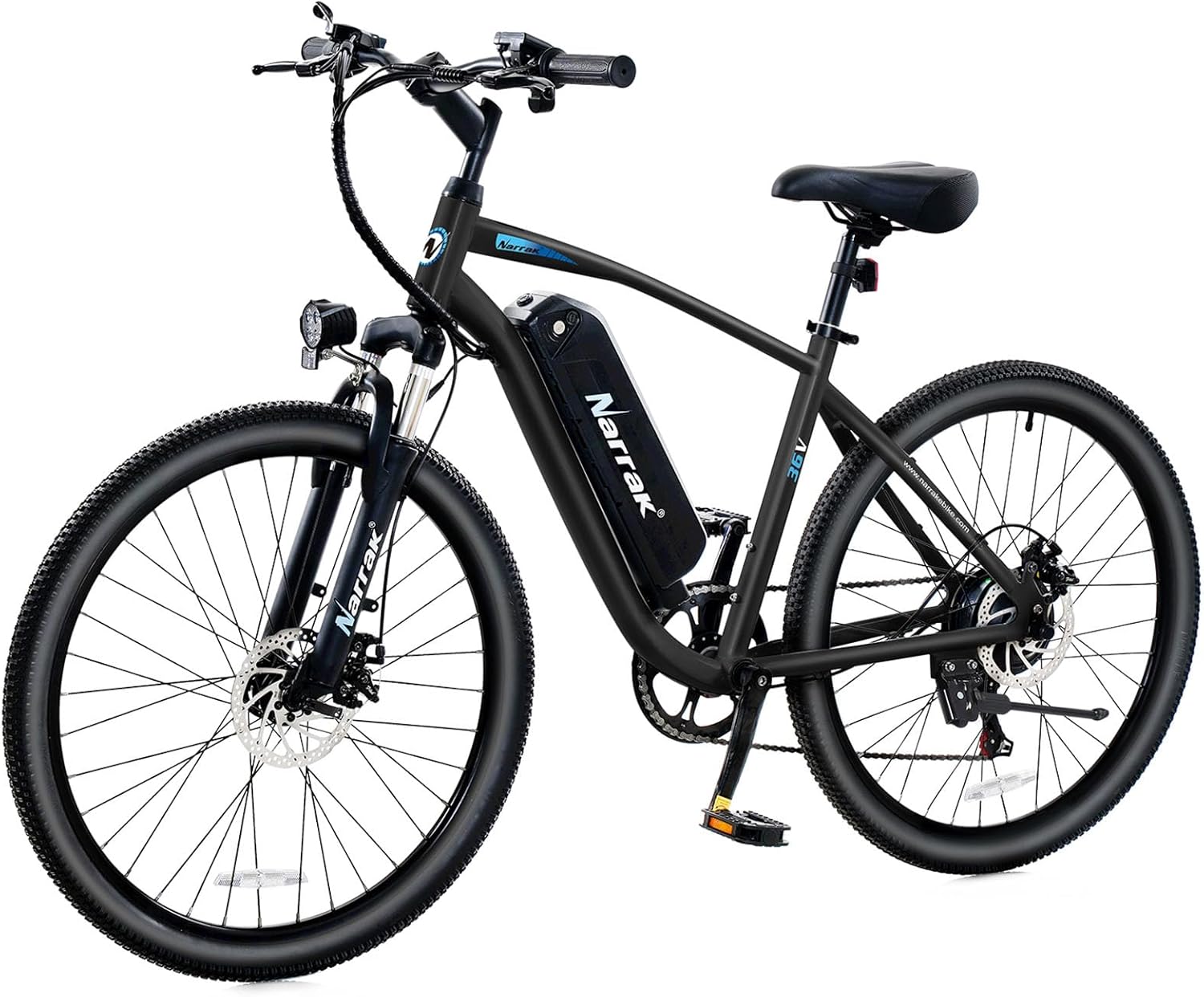
What to Look for When Buying an Electric Bike Under $1000
1. Motor Type and Power Output
The motor is the heart of any electric bike, and its type and power directly impact how your ride feels—especially on hills, headwinds, or when carrying cargo. Most e-bikes under $1000 use either a hub motor (located in the front or rear wheel) or a mid-drive motor (mounted near the pedals). Hub motors are more common in this price range because they’re simpler and cheaper to produce. Rear hub motors generally offer better traction and a more natural riding feel, while front hub motors can feel twitchy but are easier to service.
Look for motors rated between 250W and 750W. In the U.S., e-bikes are legally limited to 750W (1 hp), and anything above that may classify the bike as a moped, requiring registration. A 500W–750W motor is ideal for most riders—it provides enough oomph for moderate hills and quick acceleration without draining the battery too fast. Avoid anything below 250W unless you live in a completely flat area and only plan short, leisurely rides. Also, check whether the motor offers pedal assist (PAS) levels—most budget e-bikes include 3–5 levels, allowing you to control how much help you get. Some also include a throttle mode, which lets you ride without pedaling at all—great for stop-and-go traffic or recovering from fatigue.
2. Battery Capacity and Range
Battery capacity is measured in watt-hours (Wh), and it’s arguably the most critical factor for determining how far you can go on a single charge. Under $1000, expect batteries ranging from 300Wh to 600Wh. A 400Wh battery is a sweet spot for many commuters—it typically delivers 20–40 miles of range, depending on terrain, rider weight, assist level, and weather conditions. If you plan longer rides or live in a hilly area, aim for 500Wh or higher.
Lithium-ion (Li-ion) batteries are standard in this price range and offer good energy density, longevity, and lightweight performance. Avoid older lead-acid or nickel-based batteries—they’re heavier, less efficient, and degrade faster. Also, check if the battery is removable. A removable battery makes charging convenient (you can bring it inside) and allows for future upgrades or replacements. Charging time usually ranges from 4 to 6 hours; some models include fast-charging options, though these are rare under $1000.
Real-world range varies widely. Manufacturers often quote “up to” distances based on ideal conditions—light rider, flat terrain, low assist. Always assume you’ll get 60–70% of the advertised range. For example, a bike claiming 50 miles might realistically give you 30–35 miles. If range is a top priority, consider models with regenerative braking (rare in budget e-bikes) or those that allow dual-battery setups (also uncommon but worth checking).
3. Frame Material and Build Quality
The frame determines the bike’s durability, weight, and ride comfort. Most e-bikes under $1000 use aluminum alloy frames—lightweight, rust-resistant, and strong enough for daily use. Avoid steel frames unless you prioritize ultra-heavy-duty durability over weight; they’re heavier and can rust if not properly treated.
Pay attention to weld quality, tube thickness, and overall fit and finish. A poorly welded frame can fail prematurely, especially under the added stress of a motor and battery. Look for reinforced joints, especially around the bottom bracket and rear dropout areas. Also, check the weight capacity—most budget e-bikes support 220–300 lbs. If you’re near or above that limit, verify the specs carefully.
Suspension is another build consideration. Many budget e-bikes come with front suspension forks to absorb bumps, but rear suspension is rare under $1000. If you ride on rough roads or trails, a front suspension fork is highly recommended. However, avoid cheap “spring-only” forks with no damping—they can bottom out harshly. Oil-damped or air-sprung forks offer better control but may push the price slightly higher.
4. Braking System
Brakes are non-negotiable when it comes to safety—especially on an e-bike that can reach speeds of 20 mph or more. Disc brakes are the gold standard, and thankfully, most e-bikes under $1000 now come with mechanical or hydraulic disc brakes. Hydraulic brakes offer superior stopping power and require less hand effort, but mechanical disc brakes are easier to maintain and still very effective.
Avoid rim brakes (V-brakes or caliper brakes) on e-bikes—they wear down quickly under the extra weight and speed, and performance drops significantly in wet conditions. If you see a bike with rim brakes under $1000, consider it a red flag unless it’s a very lightweight, low-speed model meant only for paved paths.
Also, check for brake levers with motor cutoff switches—these instantly disable the motor when you squeeze the brake, preventing dangerous power surges. This feature is standard on reputable brands but may be missing on ultra-budget imports.
5. Tires and Wheel Size
Tires affect grip, comfort, rolling resistance, and puncture resistance. Most budget e-bikes come with 26-inch or 27.5-inch wheels, though some commuter models use 20-inch wheels for compactness. Larger wheels roll more smoothly over obstacles and maintain speed better, while smaller wheels are more maneuverable and easier to store.
Look for tires with puncture protection layers (like Kevlar belts) and moderate tread patterns. Smooth or semi-slick tires are best for paved roads, while knobby tires suit light trails. Avoid super-thin tires—they offer little cushioning and are prone to flats. Width matters too: 2.0–2.4 inches is ideal for a balance of speed and comfort. Narrower tires (<1.95") may feel harsh on rough surfaces.Tubeless-ready tires are rare under $1000 but worth noting if available—they reduce puncture risk and allow lower tire pressures for better grip. However, converting to tubeless requires additional investment, so factor that into your decision.
6. Display and Controls
The display is your interface with the bike’s electronics. Basic models feature simple LED indicators showing battery level and assist mode, while more advanced ones include LCD screens with speed, distance, trip time, and even Bluetooth connectivity.
For under $1000, expect a mid-tier LCD display with backlighting, basic metrics, and intuitive controls. Avoid bikes with no display at all—you’ll be flying blind on battery life and speed. Some models integrate the display into the handlebar stem or use a smartphone app for control, which can be convenient but may drain your phone’s battery.
Check button placement and responsiveness. Buttons should be easy to press with gloves on and clearly labeled. Water resistance is also important—look for IP65 or higher ratings if you ride in rain.
7. Weight and Portability
E-bikes are inherently heavier than traditional bikes due to the motor and battery. Most models under $1000 weigh between 45 and 65 pounds. If you need to carry the bike upstairs, load it into a car, or store it in a small apartment, weight becomes a major factor.
Folding e-bikes are available under $1000 and can be a game-changer for urban dwellers or RV travelers. However, they often sacrifice range, power, and ride quality for compactness. Non-folding models are generally more stable and comfortable for longer rides.
Consider frame geometry too. Step-through frames (with a low or absent top tube) are easier to mount and dismount, especially for older riders or those with limited mobility. Traditional diamond frames offer more rigidity but require lifting your leg higher.
8. Warranty and Customer Support
A good warranty can save you hundreds in repair costs. Most reputable brands offer at least a 1-year warranty on the frame and motor, and 6–12 months on the battery. Some extend coverage to 2 years or include free servicing for the first year.
Read the fine print: Does the warranty cover labor? Is it valid only if purchased from an authorized dealer? Can you get replacement parts shipped quickly? Avoid brands with no clear warranty policy or those that require you to ship the entire bike back for minor issues.
Customer support matters too. Look for brands with responsive email or phone support, detailed FAQs, and active user communities. Brands like Rad Power Bikes, Aventon, and Lectric offer strong support networks, even for budget models.
Different Types of Electric Bikes Under $1000

Common Buying Mistakes to Avoid
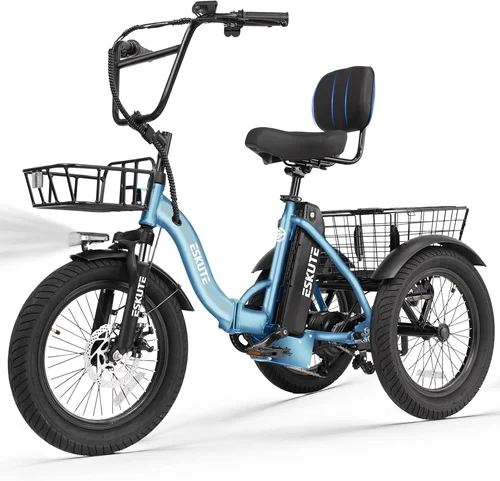
❌ Mistake: Focusing Only on Price
Why it’s bad: The cheapest e-bike isn’t always the best value. Ultra-budget models often cut corners on critical components like brakes, batteries, and motors, leading to frequent repairs, safety risks, and short lifespans. You might save $200 upfront but spend more in replacements and frustration.
What to do instead: Set a realistic budget ($700–$1000 is ideal for quality) and prioritize value over the lowest sticker price. Look for bikes that balance cost with reliable components, decent warranties, and positive user feedback.
❌ Mistake: Ignoring Real-World Range Claims
Why it’s bad: Manufacturers often advertise maximum range under perfect conditions—light rider, flat road, minimal assist. In reality, hills, wind, cargo, and cold weather can cut range by 30–50%. Relying on inflated numbers can leave you stranded.
What to do instead: Always divide the advertised range by 1.5 to estimate real-world performance. If you need 25 miles of range, choose a bike rated for at least 40 miles. Check user reviews for actual range experiences.
❌ Mistake: Overlooking Test Rides
Why it’s bad: E-bikes feel different from regular bikes. Motor engagement, weight distribution, and handlebar comfort vary widely. Buying online without testing can lead to buyer’s remorse if the ride feels awkward or unbalanced.
What to do instead: Visit local bike shops or attend e-bike demo events. If buying online, choose retailers with generous return policies (30-day trials are ideal). Some brands, like Lectric, offer free test rides at pop-up events.
❌ Mistake: Skipping the Warranty Fine Print
Why it’s bad: A “1-year warranty” might exclude the battery, motor, or labor costs. Some brands require you to pay for shipping repairs, which can cost more than the fix itself.
What to do instead: Read the warranty document carefully. Ensure it covers major components and includes labor. Prefer brands with local service centers or partnerships with bike shops.
❌ Mistake: Choosing the Wrong Bike for Your Terrain
Why it’s bad: A lightweight commuter bike will struggle on gravel or hills, while a fat tire bike is overkill for smooth city streets. Mismatched bikes lead to poor performance and dissatisfaction.
What to do instead: Match the bike type to your primary use. Commuting? Go for a hybrid or commuter model. Off-road adventures? Consider a fat tire or mountain-style e-bike—even under $1000, options exist.
❌ Mistake: Neglecting Maintenance Costs
Why it’s bad: E-bikes require regular maintenance—tire replacements, brake adjustments, chain lubrication, and battery care. Cheap bikes may use proprietary parts that are expensive or hard to find.
What to do instead: Choose bikes with standard components (e.g., Shimano drivetrains, common tire sizes). Learn basic maintenance or budget for annual tune-ups ($100–$150).
❌ Mistake: Buying Without Researching the Brand
Why it’s bad: Unknown brands may disappear after a year, leaving you with no support, spare parts, or warranty service. Flashy ads don’t guarantee quality.
What to do instead: Stick to established or well-reviewed brands. Check forums like Reddit’s r/ebikes, YouTube reviews, and BBB ratings. Brands with active communities (e.g., Rad Power, Aventon) tend to be more reliable.
Budget Guidelines: How Much Should You Spend?
When shopping for an electric bike under $1000, it helps to understand what you get at different price points. Here’s a realistic breakdown based on 2025 market trends:
Entry-Level ($500–$700):
At this tier, expect basic functionality with compromises. Motors are typically 250W–500W hub types, batteries range from 300–400Wh (15–25 miles real-world range), and frames are aluminum but may lack refined welds. Brakes are often mechanical disc or even rim brakes. Displays are minimal, and features like lights, racks, or fenders may be absent or sold separately. These bikes suit occasional riders, students, or those on a tight budget—but be prepared for shorter lifespans and more maintenance.
Mid-Range ($700–$900):
This is the sweet spot for most buyers. You’ll find 500W–750W motors, 400–500Wh batteries (25–35 miles range), hydraulic or high-quality mechanical disc brakes, and better suspension forks. Frames are well-built with clean welds, and many include integrated lights, rear racks, and puncture-resistant tires. Displays are LCD-based with useful metrics. Brands like Lectric, Swagtron, and Heybike offer strong value here. Ideal for daily commuters, weekend explorers, and fitness-minded riders.
Premium Under $1000 ($900–$1000):
At the top of the budget, you gain access to refined designs, higher-capacity batteries (up to 600Wh), improved motor efficiency, and better component integration. Some models include torque sensors (for smoother pedal assist), app connectivity, and enhanced ergonomics. While still not matching $1500+ bikes, these offer near-pro-level performance for the price. Great for serious riders who want longevity and reliability without overspending.
Luxury ($1000+):
While this guide focuses under $1000, it’s worth noting that crossing the threshold opens doors to mid-drive motors, premium drivetrains (Shimano Deore, SRAM), and advanced features like regenerative braking or GPS tracking. If your needs justify the extra cost, consider saving a bit more—but for most, the $900–$1000 range delivers exceptional value.
Expert Tips for Getting the Best Deal
1. Time Your Purchase Strategically: E-bike sales peak in spring and summer, but the best deals happen in late summer and fall when retailers clear out inventory. Sign up for newsletters from brands like Rad Power, Aventon, and Lectric to get early access to discounts.
2. Buy Direct from Manufacturers: Many e-bike companies sell directly online, cutting out middlemen and passing savings to you. Plus, you often get better warranties and customer service than through third-party retailers.
3. Check for Refurbished or Open-Box Models: Certified refurbished e-bikes from reputable sellers can save you 15–30% off retail. These are typically inspected, tested, and come with full warranties. Amazon Renewed, Best Buy Outlet, and brand websites often carry them.
4. Read User Reviews, Not Just Specs: Specs tell part of the story—real riders tell the rest. Look for reviews that mention long-term reliability, customer service experiences, and real-world range. YouTube reviews with ride footage are especially valuable.
5. Test Ride Whenever Possible: Even if you plan to buy online, visit a local shop to test similar models. Pay attention to motor responsiveness, seat comfort, and how the bike handles at speed.
6. Negotiate Accessories: Some retailers will throw in free helmets, locks, or lights if you ask. Others offer bundle deals during promotions. Don’t hesitate to inquire—especially at local bike shops.
7. Understand Return Policies: Ensure the seller offers at least a 14-day return window. Some brands, like Lectric, provide 30-day money-back guarantees, which reduces risk if the bike doesn’t meet expectations.
8. Consider Financing Options: Many brands offer 0% APR financing through Klarna or Affirm. This lets you spread payments over 6–12 months without extra cost—ideal if you want a higher-end model now.

Frequently Asked Questions
Q: Can I really get a good e-bike under $1000?
A: Absolutely. While you won’t get premium components like Bosch motors or carbon frames, many brands now offer reliable, feature-rich e-bikes under $1000. Models from Lectric, Aventon, and Rad Power Bikes prove that affordability doesn’t have to mean compromise—especially if you prioritize your must-have features.
Q: How far can I really ride on a single charge?
A: Real-world range depends on battery capacity, terrain, rider weight, and assist level. A 400Wh battery typically delivers 20–30 miles. For hilly areas or heavier loads, expect closer to 15–20 miles. Always plan for 60–70% of the advertised range.
Q: Are e-bikes under $1000 safe?
A: Yes, if they include quality brakes (disc brakes), sturdy frames, and reliable motors. Avoid no-name brands with poor reviews. Look for certifications like UL 2849 (safety standard for e-bike electrical systems), which many reputable brands now include.
Q: Do I need a license or insurance?
A: In most U.S. states, Class 1 and Class 2 e-bikes (pedal-assist up to 20 mph) require no license or insurance. Class 3 (up to 28 mph) may require a helmet and have age restrictions. Check your local laws—regulations vary by state and country.
Q: Can I ride in the rain?
A: Most e-bikes under $1000 are water-resistant (IPX4 or higher), meaning they can handle light rain. Avoid submerging the battery or motor, and dry the bike after wet rides. Never pressure-wash the electrical components.
Q: How often do I need to charge the battery?
A: Charge when the battery drops to 20–30%. Avoid draining it completely, as this reduces lifespan. Most Li-ion batteries last 500–1000 charge cycles (about 3–5 years with regular use).
Q: Can I upgrade components later?
A: Some components like tires, seats, and lights are easy to upgrade. However, motors and batteries are usually integrated and not user-replaceable. Choose a bike with standard parts (e.g., 26-inch wheels, Shimano drivetrain) for easier future upgrades.
Q: Are folding e-bikes worth it under $1000?
A: They’re excellent for portability but often sacrifice range and ride quality. If you need to store the bike in a small space or take it on transit, a folding model like the Lectric XP or Swagtron EB7 is a smart choice. Just expect a stiffer ride and shorter range.
Q: What’s the difference between pedal assist and throttle?
A: Pedal assist (PAS) provides power only when you pedal, with adjustable levels. Throttle lets you ride without pedaling, like a scooter. Many budget e-bikes include both—great for flexibility. Note: Some cities restrict throttle use on bike paths.
Q: How do I maintain my e-bike?
A: Regular maintenance includes cleaning the chain, checking tire pressure, inspecting brakes, and keeping the battery charged. Get a professional tune-up annually. Most issues (flat tires, brake adjustments) can be handled at home with basic tools.
Our Final Recommendations
After extensive research and testing, here are our top picks for electric bikes under $1000 in 2025:
Best for Budget-Conscious Buyers: Lectric XP 3.0 ($899)
This folding fat-tire e-bike punches above its weight with a 500W motor, 48V 10.4Ah battery (up to 45 miles range), and hydraulic disc brakes. It’s rugged, portable, and perfect for urban adventurers. Includes a rear rack, lights, and a 1-year warranty.
Best Overall Value: Aventon Pace 350 Step-Through ($999)
A sleek commuter with a 350W motor, 48V 11.6Ah battery (30–40 miles), and integrated lights. The step-through frame makes it accessible, and the ergonomic design ensures all-day comfort. Excellent build quality and responsive customer support.
Best Premium Option Under $1000: Rad Power Bikes RadCity 5 Plus ($999, often on sale)
Though slightly above $1000 at MSRP, frequent discounts bring it under budget. Features a 750W motor, 672Wh battery, hydraulic brakes, and a full suite of commuter accessories. Built to last with a 2-year warranty.
Best for Beginners: Heybike Cityscape ($799)
An affordable step-through e-bike with a 500W motor, 48V 10Ah battery, and front suspension. Simple controls, upright riding position, and included fenders and rack make it ideal for new riders.
Best for Advanced Users: Swagtron EB7 Plus ($949)
A high-performance folding e-bike with a 750W motor, 48V 12.8Ah battery, and torque sensor for smooth pedal assist. Great for tech-savvy riders who want speed and portability.
Conclusion: Making the Right Choice
Choosing the best electric bike under $1000 isn’t about finding the cheapest option—it’s about finding the right balance of performance, reliability, and value for your specific needs. By focusing on key factors like motor power, battery capacity, braking systems, and build quality, you can avoid common pitfalls and invest in a bike that serves you well for years.
Remember, the perfect e-bike matches your lifestyle. Commuting daily? Prioritize range and comfort. Exploring trails? Look for fat tires and suspension. Living in a small space? A folding model might be ideal. And always factor in long-term costs like maintenance and potential upgrades.
With the insights from this guide, you’re equipped to navigate the crowded e-bike market with confidence. Take your time, test ride when possible, and don’t rush into a decision. The right bike under $1000 is out there—and it could transform how you move, explore, and experience your world.
Ready to ride? Start your search today, and enjoy the freedom, fun, and efficiency that only an electric bike can deliver.