

Electric scooters for kids have exploded in popularity over the past few years, transforming from niche gadgets into mainstream mobility tools that blend fun, fitness, and practical transportation. Whether your child is zipping to school, exploring the neighborhood, or just enjoying outdoor playtime, a well-chosen electric scooter can offer hours of safe, engaging recreation. But with dozens of brands, models, and features flooding the market in 2026, choosing the right one can feel overwhelming—especially when safety, durability, and age-appropriateness are top priorities.
This comprehensive buying guide is designed to cut through the noise and help you make a confident, informed decision. We’ll walk you through every critical factor—from performance specs and build quality to safety features and budget considerations—so you can find the perfect electric scooter for your child’s needs, skill level, and lifestyle. You’ll learn how to avoid common pitfalls, understand what different price tiers deliver, and discover expert tips for getting the best value. Whether you’re shopping for a first-time rider or upgrading an experienced young commuter, this guide equips you with everything you need to choose wisely.
The kid electric scooter market in 2026 is more diverse and advanced than ever. Brands like Gotrax, Segway-Ninebot, Razor, and Hiboy now offer models tailored specifically to younger riders, with features like adjustable speed limits, reinforced frames, LED lighting, and even app connectivity for parental controls. At the same time, prices range from under $100 for basic entry-level models to over $500 for high-performance, feature-rich scooters built for older or more adventurous kids. With so many options, it’s essential to understand not just what looks cool, but what truly delivers on safety, reliability, and long-term value.

What to Look for When Buying Gotrax
1. Age and Weight Appropriateness
One of the most crucial factors when selecting a kid’s electric scooter is ensuring it’s suitable for your child’s age, size, and weight. Manufacturers typically specify recommended age ranges and maximum weight capacities—ignoring these can compromise safety and performance. For example, a scooter rated for ages 6–12 may not handle a 13-year-old comfortably, especially if they’re near or above the weight limit. Overloading a scooter can strain the motor, reduce battery life, and increase the risk of mechanical failure.
Always check the product specs for both minimum and maximum rider weight. Most kid scooters support between 110 and 220 pounds, but lighter models may cap out at 150 lbs. Also consider your child’s height: handlebars should be adjustable or naturally positioned at waist level for proper control. A scooter that’s too tall or too short can lead to poor posture, reduced balance, and increased accident risk. Gotrax, for instance, offers several models with adjustable stems to accommodate growing riders, making them ideal for multi-year use.
2. Safety Features and Certifications
Safety should never be an afterthought when buying an electric scooter for kids. Look for models that meet recognized safety standards such as UL 2272 (for electrical systems) and ASTM F2641 (for youth scooters). These certifications ensure the scooter has undergone rigorous testing for fire resistance, electrical safety, and structural integrity. Gotrax scooters, for example, are UL 2272 certified, giving parents peace of mind about battery and wiring safety.
Beyond certifications, examine active and passive safety features. Essential elements include:
– Dual braking systems (rear foot brake + electronic or disc brake)
– Bright LED headlights and taillights for visibility
– Reflective decals or strips
– Non-slip deck surface
– Stable, wide wheels (at least 8 inches for better traction)
Some advanced models even include speed limiters or parental control apps that let you restrict top speed—ideal for younger or less experienced riders. For instance, the Gotrax GKS MAX allows parents to lock the speed at 6.2 mph via a companion app, gradually increasing it as the child gains confidence.
3. Performance Specifications
Performance matters—but not in the way you might think. For kids, “performance” isn’t about raw speed; it’s about smooth acceleration, manageable top speed, and reliable range. Most kid-friendly electric scooters cap out between 10 and 15 mph, which is fast enough for fun but slow enough to maintain control. Gotrax models like the GXL V2 and GKS MAX top out at 15 mph, while lighter models like the GKS stay around 10 mph—perfect for younger riders.
Battery range is another key spec. Look for scooters offering at least 8–12 miles per charge under normal conditions. Keep in mind that range drops significantly on hills, with heavier riders, or in cold weather. Gotrax uses lithium-ion batteries in most of its kid models, which offer good energy density and longer lifespans compared to older lead-acid types. Charging time typically ranges from 3 to 5 hours—plan accordingly if your child uses the scooter daily.
Motor power usually falls between 150W and 350W for kid scooters. A 250W motor is a sweet spot for most children, providing enough torque for gentle inclines without being overly aggressive. Avoid ultra-high-wattage models unless your child is older and experienced—they can be harder to control and increase accident risk.
4. Build Quality and Durability
Kids are tough on gear. A scooter that looks sleek in the box can quickly become wobbly, squeaky, or broken if it’s made from flimsy materials. Prioritize models with aluminum alloy frames, which offer a great balance of strength and lightweight portability. Gotrax uses aircraft-grade aluminum in many of its models, ensuring resistance to rust and bending even after repeated drops or rough handling.
Check the wheels: solid rubber tires are puncture-proof and low-maintenance but offer a bumpier ride. Air-filled (pneumatic) tires provide better shock absorption but require occasional inflation and are prone to flats. For most kids, especially those riding on sidewalks or paved paths, solid tires are sufficient and more reliable. However, if your child frequently rides on rough terrain, consider a model with air-filled tires—just be prepared for minor maintenance.
Hinge mechanisms, folding locks, and stem joints should feel solid and secure. Test the folding mechanism (if applicable) to ensure it clicks firmly into place and doesn’t wobble when locked. A loose stem is a major safety hazard, especially at higher speeds.
5. Features and Functionality
Modern kid electric scooters come packed with features that enhance usability, safety, and fun. While not all are essential, some can significantly improve the riding experience. Consider which features align with your child’s needs and your own peace of mind.
Key features to look for include:
– Adjustable handlebars: Allow the scooter to grow with your child.
– LED display: Shows speed, battery level, and sometimes ride mode.
– App connectivity: Enables parental controls, ride tracking, and firmware updates (available on select Gotrax models).
– Multiple speed modes: Lets kids start slow and progress as they gain skill.
– Foldable design: Makes storage and transport easier—ideal for car trips or school commutes.
– Water resistance: Look for at least IPX4 rating (splash-resistant) for riding in light rain or wet pavement.
Gotrax has embraced smart features in recent years. The GXL V2, for example, includes a digital speedometer, cruise control, and a bright front headlight—all while maintaining a simple, intuitive interface that kids can easily understand.
6. Brand Reputation and Reliability
Not all scooter brands are created equal. Established companies like Gotrax, Razor, and Segway-Ninebot have built reputations for quality, customer service, and consistent innovation. Gotrax, in particular, has become a household name in the kid and teen scooter market thanks to its balance of affordability, performance, and safety.
When evaluating brand reputation, look beyond marketing claims. Check independent review sites, YouTube demonstrations, and customer feedback on retail platforms. Pay attention to patterns: Are complaints about battery life, broken stems, or poor customer service recurring? Or do users consistently praise durability and ease of use?
Gotrax stands out for its transparent specs, clear warranty terms, and responsive support team. Many users report positive experiences with replacement parts and troubleshooting assistance—a major advantage if something goes wrong down the line.
7. Warranty and Customer Support
A good warranty is a strong indicator of a manufacturer’s confidence in its product. Most reputable brands offer at least a 6-month to 1-year limited warranty covering defects in materials and workmanship. Gotrax provides a standard 1-year warranty on its electric scooters, which includes motor, battery, and controller coverage—though wear items like tires and brakes are typically excluded.
Before purchasing, read the fine print. Understand what’s covered, what voids the warranty (e.g., water damage, modifications), and how to file a claim. Also check if the company offers replacement parts for sale—this is crucial for long-term maintenance.
Customer support quality varies widely. Look for brands that offer multiple contact channels (email, phone, live chat) and have reasonably fast response times. Gotrax has improved its support infrastructure in recent years, with a dedicated help center and troubleshooting guides available online.
8. Size, Weight, and Portability
Even though kid scooters are generally compact, portability still matters—especially if your child needs to carry it upstairs, store it in a closet, or take it on public transit. Most Gotrax models weigh between 20 and 30 pounds, which is manageable for older kids but may be heavy for younger ones.
Folding mechanisms make a big difference. A scooter that folds flat is much easier to stow in a car trunk or under a desk. However, ensure the folding latch is secure and doesn’t accidentally release during rides. Some models include carrying handles or straps for added convenience.
Deck size is another consideration. A wider deck (at least 5–6 inches) gives kids more foot space and improves balance. Narrow decks can feel cramped, especially for larger feet or when wearing shoes.
Different Types of Gotrax
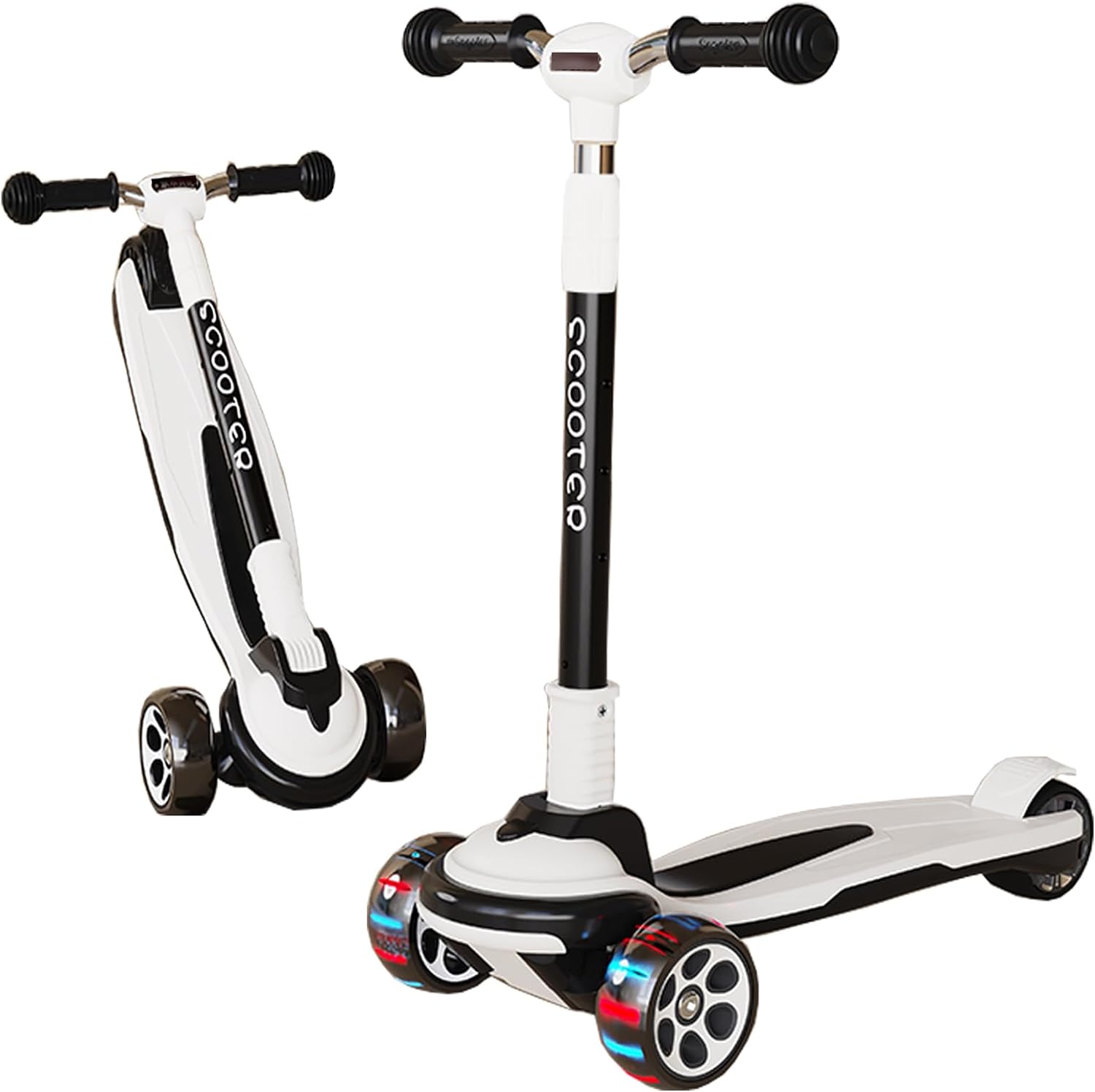
Common Buying Mistakes to Avoid

❌ Mistake: Choosing Based Solely on Price
Why it’s bad: Going for the cheapest option often means sacrificing safety, durability, and performance. Ultra-budget scooters may use subpar batteries, weak motors, or flimsy frames that fail quickly—or worse, pose fire or mechanical hazards.
What to do instead: Set a realistic budget based on your child’s needs and stick to reputable brands within that range. A $150 scooter from Gotrax will almost always outperform a $90 no-name model in safety and longevity.
❌ Mistake: Ignoring Weight and Age Limits
Why it’s bad: Overloading a scooter or giving a young child a model designed for teens can lead to loss of control, premature wear, or accidents. A scooter not suited to your child’s size is harder to balance and steer.
What to do instead: Always match the scooter to your child’s current age, height, and weight—and consider how long it will remain suitable as they grow.
❌ Mistake: Overlooking Safety Certifications
Why it’s bad: Scooters without UL 2272 or similar certifications may have unsafe battery packs or wiring that could overheat or catch fire—especially during charging.
What to do instead: Only buy from brands that clearly display safety certifications. Gotrax, Segway, and Razor all prioritize compliance; avoid unknown brands that can’t provide proof.
❌ Mistake: Assuming All “Kid” Scooters Are Equal
Why it’s bad: Some scooters marketed to kids are actually miniaturized adult models with aggressive acceleration and high top speeds—unsuitable for younger riders.
What to do instead: Look for models specifically engineered for youth, with speed limiters, gradual acceleration, and age-appropriate controls.
❌ Mistake: Neglecting Maintenance and Upkeep
Why it’s bad: Even the best scooter will degrade quickly if not maintained. Loose bolts, worn brakes, or low tire pressure can turn a safe ride into a dangerous one.
What to do instead: Teach your child basic care—checking tire pressure, tightening bolts, cleaning the deck—and schedule regular inspections. Many Gotrax models include maintenance guides.
❌ Mistake: Buying Without Testing or Research
Why it’s bad: Online photos don’t reveal build quality, ride feel, or real-world performance. You might end up with a scooter that’s too heavy, too slow, or uncomfortable.
What to do instead: Read detailed reviews, watch video demonstrations, and if possible, test ride at a local retailer. Gotrax scooters are often available at big-box stores like Target or Walmart.
Budget Guidelines: How Much Should You Spend?
– Entry-Level ($100–$180): Ideal for younger kids (6–10) or occasional use. Expect basic features, solid rubber tires, 8–10 mph top speed, and 6–10 mile range. Models like the Gotrax GKS fit here—simple, safe, and affordable. Great for beginners, but may lack adjustability or advanced safety tech.
– Mid-Range ($200–$300): The sweet spot for most families. These scooters offer better build quality, longer range (10–15 miles), adjustable handlebars, and enhanced safety features. The Gotrax GXL V2 is a standout in this tier—durable, reliable, and packed with useful features without breaking the bank.
– Premium ($300–$400): Designed for older kids (10+) or frequent riders. Expect app connectivity, higher speeds (up to 15 mph), improved suspension, and longer battery life. The Gotrax GKS MAX includes parental controls and a robust frame, making it perfect for tech-savvy teens who want more autonomy.
– Luxury ($400+): Reserved for high-performance or all-terrain models. These often feature pneumatic tires, dual motors, suspension systems, and extended ranges (15+ miles). Best for adventurous teens or those riding on rough terrain. While Gotrax doesn’t currently offer a true luxury model, competitors like Segway-Ninebot fill this niche.

Expert Tips for Getting the Best Deal
– Shop during seasonal sales: Black Friday, Cyber Monday, and back-to-school periods (July–August) often feature significant discounts on kid scooters. Gotrax frequently runs promotions during these times.
– Buy directly from the manufacturer or authorized retailers: This ensures you get a genuine product with full warranty coverage. Avoid third-party sellers on marketplaces unless they’re verified.
– Check for bundle deals: Some retailers offer scooter + helmet + lock packages at a discount. Safety gear is essential—bundling saves money and encourages safe habits.
– Read return policies carefully: Ensure you can return or exchange the scooter if it doesn’t fit or perform as expected. Most reputable sellers offer 30-day return windows.
– Test before you commit: If buying in-store, ask if you can test the folding mechanism, brake responsiveness, and overall feel. For online purchases, watch unboxing and review videos to simulate the experience.
– Consider refurbished or open-box models: Gotrax and other brands sometimes sell certified refurbished units at 20–30% off. These are inspected, tested, and come with warranties—great for budget-conscious buyers.
– Register your scooter: After purchase, register the product with Gotrax to activate your warranty and receive safety updates or recall notices.
– Invest in a good helmet: No scooter purchase is complete without proper safety gear. Look for CPSC-certified helmets that fit snugly and comfortably.

Frequently Asked Questions
Q: Are electric scooters safe for kids?
A: Yes—when used responsibly and with appropriate safety gear. Choose age-appropriate models with speed limiters, wear helmets and pads, and supervise younger riders. UL-certified scooters like those from Gotrax meet strict safety standards.
Q: How fast do kid electric scooters go?
A: Most range from 8 to 15 mph. Entry-level models cap at 10 mph, while premium versions reach 15 mph. Always start on the lowest speed setting and let your child build confidence gradually.
Q: How long does the battery last?
A: Typically 6–15 miles per charge, depending on rider weight, terrain, and speed. Gotrax scooters average 10–12 miles. Avoid fully draining the battery; recharge after each use for longevity.
Q: Can kids ride electric scooters in the rain?
A: Only if the scooter has at least an IPX4 water resistance rating. Even then, avoid deep puddles or heavy rain. Wet surfaces reduce traction and increase braking distance.
Q: Do I need to assemble the scooter?
A: Most require minimal assembly—usually just attaching the handlebars. Gotrax scooters come 90% pre-assembled and include tools and instructions.
Q: How do I maintain the scooter?
A: Regularly check tire pressure (if pneumatic), tighten bolts, clean the deck, and inspect brakes. Store indoors and avoid extreme temperatures. Gotrax provides maintenance guides online.
Q: Can adults ride kid scooters?
A: Generally no—most have weight limits under 220 lbs and aren’t designed for adult proportions. However, some mid-range models like the Gotrax GXL V2 can handle lighter adults for short distances.
Q: What’s the difference between solid and air-filled tires?
A: Solid tires are puncture-proof and low-maintenance but offer a rougher ride. Air-filled tires provide better cushioning but require inflation and are prone to flats. Choose based on terrain and maintenance willingness.
Q: How do I know if my child is ready for an electric scooter?
A: Look for balance, coordination, and maturity. Most kids aged 6+ can handle basic models with supervision. Start with slower speeds and practice in safe, open areas.
Q: Are there laws about where kids can ride electric scooters?
A: Yes—rules vary by city and state. Many areas restrict scooter use to sidewalks or bike lanes and require helmets. Check local regulations before letting your child ride in public spaces.
Our Final Recommendations
– Best for Budget-Conscious Buyers: Gotrax GKS – At under $180, it delivers reliable performance, solid build quality, and essential safety features for younger riders. Perfect for first-time scooter owners.
– Best Overall Value: Gotrax GXL V2 – Combines durability, 15 mph speed, 12-mile range, and useful features like cruise control and an LED display. Ideal for daily use and growing kids.
– Best Premium Option: Gotrax GKS MAX – Offers app-based parental controls, adjustable speed limits, and a robust frame. Great for tech-savvy teens who want independence with oversight.
– Best for Beginners: Gotrax GKS – Simple throttle, low top speed, and lightweight design make it the safest choice for kids just learning to ride.
– Best for Advanced Users: While Gotrax doesn’t offer a full off-road model, the GXL V2 is the closest—handling light trails and offering responsive braking and acceleration for confident riders.
Conclusion: Making the Right Choice
Choosing the best electric scooter for your child isn’t just about picking the flashiest model or the cheapest option—it’s about finding the right balance of safety, performance, durability, and value. By focusing on age-appropriateness, safety certifications, build quality, and real-world features, you can confidently select a scooter that will provide years of safe, enjoyable rides.
Remember: the perfect scooter matches your child’s current abilities while offering room to grow. Whether you opt for an entry-level Gotrax GKS or a feature-rich GKS MAX, prioritize safety gear, teach responsible riding habits, and supervise younger users. With the insights from this guide, you’re equipped to make a smart, informed decision that puts your child on the path to fun, freedom, and outdoor adventure.
Now it’s time to roll out—safely and smartly. Happy scooting!