

E-bikes have revolutionized urban commuting, weekend adventures, and eco-friendly transportation. But while many riders focus on motor power, battery life, or frame design, one critical component often gets overlooked: the tires. Your e-bike’s tires are the only point of contact between you and the road—or trail—and they directly influence safety, comfort, efficiency, and overall ride quality. Whether you’re cruising city streets, tackling gravel paths, or exploring mountain trails, choosing the right tires can make or break your experience.
In this comprehensive 2026 buying guide, we’ll cut through the noise and help you make an informed decision. You’ll learn how to evaluate tire performance based on real-world needs, understand the differences between tire types, avoid common pitfalls, and find the best options across all budget ranges. We’ve tested dozens of models, analyzed user feedback, and consulted with industry experts to bring you actionable insights that go beyond marketing claims. By the end, you’ll know exactly what to look for—and what to skip—when shopping for your next set of e-bike tires.
The e-bike tire market has exploded in recent years, with innovations in puncture resistance, tread patterns, rolling resistance, and even smart tire technology. From budget-friendly commuter models to high-performance off-road beasts, there’s never been more choice—or more confusion. This guide demystifies the process, giving you the tools to match your riding style, terrain, and priorities to the perfect tire. Whether you’re a daily commuter, weekend warrior, or long-distance tourer, your ideal tire is out there. Let’s find it.

What to Look for When Buying E-Bike Tires
1. Tire Width and Compatibility
Tire width plays a huge role in ride comfort, traction, and stability—especially important on heavier e-bikes that can weigh 50–70 pounds or more. Wider tires (typically 2.0″ to 2.8″ for mountain or hybrid e-bikes) offer better cushioning, improved grip on loose surfaces, and reduced risk of pinch flats. Narrower tires (1.75″ to 2.0″) are lighter and roll faster on pavement but sacrifice comfort and off-road capability.
Before buying, always check your e-bike’s rim width and frame clearance. Most e-bikes list compatible tire sizes in the manual or on the manufacturer’s website. Installing a tire that’s too wide can cause rubbing against the fork or chainstays, while one that’s too narrow may not seat properly on the rim. For example, a 27.5″ x 2.4″ tire won’t fit a bike designed for 26″ x 1.9″ rims—even if the numbers seem close.
2. Tread Pattern and Terrain Suitability
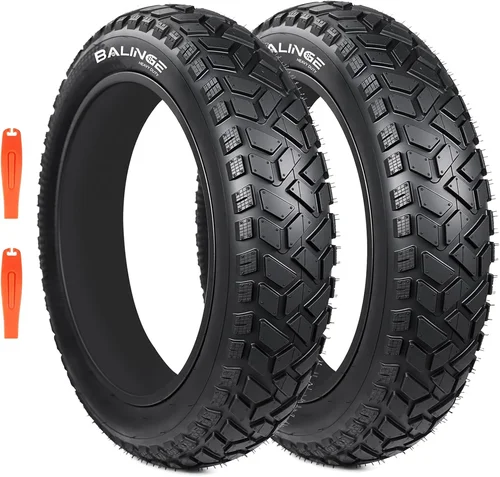
The tread pattern determines how well your tire grips different surfaces. Smooth or semi-slick treads (like the Schwalbe Energizer or Continental Contact Urban) are ideal for paved roads and light bike paths—they minimize rolling resistance and maximize efficiency, crucial for conserving battery life. Knobby or aggressive treads (such as the Maxxis Minion or WTB Trail Boss) excel on dirt, gravel, mud, and technical trails but create more drag on pavement.
Hybrid or multi-surface treads strike a balance, featuring small center knobs for low rolling resistance and larger side lugs for cornering grip. These are perfect for riders who split time between city streets and light trails. Always match tread to your primary riding environment: there’s no “one-size-fits-all” solution.
3. Puncture Resistance and Durability
E-bikes cover more ground, faster, and often carry heavier loads—making them more prone to punctures from glass, thorns, or sharp debris. Look for tires with reinforced casings, puncture belts (like Kevlar or Vectran layers), or proprietary technologies such as Schwalbe’s Double Defense or Continental’s SafetySystem.
TPI (threads per inch) also matters: higher TPI (120–140) means a lighter, more supple casing that conforms better to the road, improving grip and comfort. Lower TPI (60–90) tires are more durable and resistant to cuts but feel stiffer. For urban commuters, prioritize puncture protection. For trail riders, balance durability with grip.
4. Rolling Resistance and Efficiency
Rolling resistance directly impacts how much effort—and battery power—you expend to maintain speed. Low rolling resistance tires help extend your e-bike’s range, especially important for long commutes or touring. Manufacturers often provide rolling resistance data (measured in watts), but real-world testing shows that tread design, rubber compound, and inflation pressure are equally critical.
Softer rubber compounds (like those used in Schwalbe’s Addix or Continental’s Black Chili) offer better grip but may wear faster and increase rolling resistance slightly. Harder compounds last longer but can feel harsh on rough surfaces. Aim for a balance: many premium e-bike tires now use dual-compound designs—softer on the shoulders for cornering, harder in the center for longevity and efficiency.
5. Weight and Load Capacity
E-bikes are heavy, and their tires must support not just the bike but also rider weight, cargo, and dynamic forces during acceleration and braking. Always check the tire’s load rating (usually listed in kilograms or pounds). Most quality e-bike tires are rated for 100–120 kg (220–265 lbs) per tire, but high-capacity models (like the Vittoria e-Barzo) go up to 135 kg.
Heavier tires can reduce acceleration and increase rotational mass, affecting handling. However, on e-bikes, the motor compensates for added weight—so durability often outweighs minimal weight savings. That said, avoid excessively heavy tires unless you’re carrying heavy loads or riding aggressively off-road.
6. Tubeless vs. Tubed Setup
Tubeless tires are increasingly popular on e-bikes, especially for off-road and mixed-terrain use. They eliminate the inner tube, reducing the risk of pinch flats and allowing lower inflation pressures for better traction and comfort. Tubeless setups also enable the use of sealant, which automatically plugs small punctures.
However, tubeless requires compatible rims, sealant maintenance, and a bit more setup effort. For city riders, tubed tires remain a reliable, low-maintenance option. Many riders run tubeless-ready tires with tubes as a compromise—giving them the flexibility to go tubeless later if needed.
7. Brand Reputation and Real-World Performance
Stick with established brands known for quality and consistency: Schwalbe, Continental, Maxxis, Vittoria, WTB, and Panaracer are leaders in the e-bike space. These companies invest in R&D, rigorous testing, and rider feedback. Avoid no-name or ultra-cheap tires—they often lack proper load ratings, use inferior rubber, or fail prematurely.
Read verified user reviews, especially from riders with similar usage patterns. A tire praised for “smooth city rides” might be terrible on gravel, and vice versa. Look for long-term durability reports and puncture resistance feedback.
8. Price vs. Value
E-bike tires range from $25 to $150+ per tire. While it’s tempting to save money, cheap tires often cost more in the long run due to frequent replacements, poor performance, or safety risks. Mid-range tires ($50–$80) typically offer the best value—combining durability, performance, and features without premium pricing.
Consider total cost of ownership: a $60 tire that lasts 3,000 miles is a better deal than a $30 tire that fails at 1,000 miles. Also factor in installation costs if you’re not DIY-savvy—some shops charge $20–$40 per tire for mounting and balancing.
Different Types of E-Bike Tires

Common Buying Mistakes to Avoid

❌ Mistake: Ignoring Load Ratings
Why it’s bad: E-bikes and their riders are heavy. Using tires not rated for your total weight can lead to blowouts, sidewall failures, or poor handling—especially at high speeds or under braking.
What to do instead: Always check the tire’s load index (usually printed on the sidewall or in the product specs). Add your weight, bike weight, and any cargo. Choose tires rated for at least 20% above your total load for safety margin.
❌ Mistake: Choosing Tires Based Solely on Price
Why it’s bad: The cheapest tires often use thin casings, weak beads, and low-quality rubber. They wear out fast, puncture easily, and can compromise safety.
What to do instead: Focus on value, not just cost. A $55 tire that lasts 2x longer than a $30 one is actually cheaper per mile. Prioritize puncture protection and durability for daily use.
❌ Mistake: Overinflating for “Speed”
Why it’s bad: Many riders inflate tires to the max PSI listed on the sidewall, thinking it reduces rolling resistance. But overinflation leads to a harsh ride, reduced grip, and increased risk of blowouts on rough surfaces.
What to do instead: Use a tire pressure calculator (like the one from Silca or Schwalbe) based on your weight, tire width, and terrain. Most e-bike tires perform best 10–15 PSI below the max rating.
❌ Mistake: Mismatching Tread to Terrain
Why it’s bad: Knobby tires on pavement waste battery, wear quickly, and feel sluggish. Slick tires on trails offer no grip and increase crash risk.
What to do instead: Be honest about where you ride most. If you’re 80% city, 20% gravel, go hybrid. Don’t buy mountain tires “just in case”—you’ll pay in efficiency and comfort.
❌ Mistake: Skipping Tubeless Conversion When It Makes Sense
Why it’s bad: If you ride off-road or carry heavy loads, tubed tires are more prone to pinch flats. Tubeless setups offer better protection and comfort at lower pressures.
What to do instead: If your rims are tubeless-ready, consider converting. Many modern e-bike tires (like the Maxxis Rekon) are designed for tubeless use and perform significantly better without a tube.
❌ Mistake: Ignoring Wear and Replacement Timing
Why it’s bad: Worn tires lose grip, especially in wet conditions. Riding on bald tires increases stopping distance and risk of skidding.
What to do instead: Check tread depth regularly. Replace tires when the center knobs are worn flat or when you see cords through the rubber. Most commuter tires last 1,500–3,000 miles; trail tires may need replacement every 800–1,500 miles.
❌ Mistake: Buying Based on Aesthetics
Why it’s bad: Cool-looking treads or colors don’t equal performance. Some visually aggressive tires are actually designed for show, not function.
What to do instead: Prioritize specs over style. Read reviews, check tread pattern logic, and match features to your needs. A plain black tire with excellent reviews is better than a flashy one that fails in real use.
Budget Guidelines: How Much Should You Spend?
Entry-Level ($25–$40 per tire): These are basic commuter or replacement tires, often from lesser-known brands. They may lack puncture protection, have stiff casings, and wear quickly. Suitable for light, occasional use on smooth pavement—but not recommended for daily commuting or heavy loads. Examples include generic Kenda or Innova models.
Mid-Range ($45–$75 per tire): This is the sweet spot for most e-bike riders. Tires in this range offer solid puncture resistance, good tread life, and balanced performance. Brands like Schwalbe (Smart Sam, Marathon), Continental (Contact Urban), and Vittoria (Mendoza) dominate here. Ideal for city commuting, light trails, and mixed-surface riding.
Premium ($80–$110 per tire): Designed for performance-oriented riders, these tires feature advanced rubber compounds, high TPI casings, and specialized tread patterns. They offer lower rolling resistance, better grip, and longer life. Great for long-distance touring, fast urban riding, or technical trail use. Examples: Schwalbe G-One Allround, Maxxis Ardent Race.
Luxury ($110+ per tire): Top-tier models with cutting-edge tech—dual compounds, ultra-lightweight construction, and race-level efficiency. Often used by e-MTB racers or endurance cyclists. While impressive, they may sacrifice durability for weight savings and are overkill for casual riders. Examples: Continental Grand Prix 5000 E, Vittoria Corsa Pro.
Expert Tips for Getting the Best Deal
– Shop during off-season sales: Many retailers discount e-bike tires in late fall or early spring. Look for Black Friday, Cyber Monday, or end-of-season clearances at REI, Jenson USA, or Competitive Cyclist.
– Buy online for better selection and prices: Online stores often have lower overhead and wider inventories. Sites like Amazon, Chain Reaction Cycles, and BikeTiresDirect frequently offer free shipping and easy returns.
– Check manufacturer rebates: Brands like Schwalbe and Continental occasionally run rebate programs—especially for high-end models. Sign up for newsletters to stay informed.
– Consider refurbished or open-box tires: Some retailers sell lightly used or returned tires at 20–40% off. Ensure they’re inspected and come with a warranty.
– Read return policies carefully: Some shops don’t accept returns on mounted tires. Buy from retailers with flexible return windows (30+ days) in case of fit or performance issues.
– Test before committing: If possible, try a tire on a demo bike or borrow from a friend. Ride quality is subjective—what feels fast to one rider may feel harsh to another.
– Invest in a good floor pump with a gauge: Proper inflation is critical. A quality pump ensures accurate pressure, improving performance and tire life.
– Join rider forums: Communities like Reddit’s r/ebikes or BikeForums.net offer real-world feedback and deal alerts. Members often share discount codes or group buy opportunities.

Frequently Asked Questions
Q: Can I use regular bike tires on my e-bike?
A: Technically yes, but it’s not recommended. Regular bike tires aren’t designed for the weight, speed, and torque of e-bikes. They may lack proper load ratings, puncture protection, or durability. Always choose tires specifically rated for e-bike use.
Q: How often should I replace my e-bike tires?
A: It depends on usage, terrain, and tire quality. Commuter tires typically last 1,500–3,000 miles. Trail tires may need replacement every 800–1,500 miles due to aggressive use. Check for worn tread, cracks, or embedded debris regularly.
Q: Do wider tires use more battery?
A: Not necessarily. While wider tires can have slightly higher rolling resistance, they also allow lower pressure, which improves comfort and grip. The net effect on battery life is usually minimal—especially compared to riding style, terrain, and wind resistance.
Q: Are tubeless tires worth it for city riding?
A: For most urban riders, tubed tires are simpler and sufficient. Tubeless shines on trails or rough roads where pinch flats are common. If you ride mostly smooth pavement, stick with tubes unless you want the flexibility to go tubeless later.
Q: Can I mix different tire brands or models on my e-bike?
A: It’s possible, but not ideal. Mismatched tires can cause handling inconsistencies, especially during braking or cornering. For best performance and safety, use identical tires front and rear.
Q: What PSI should I run in my e-bike tires?
A: Start with the manufacturer’s recommendation, then adjust based on your weight and riding conditions. Use a tire pressure calculator for precision. Generally, 35–50 PSI for 2.0″–2.4″ tires on pavement, 25–35 PSI for off-road.
Q: Do e-bike tires need special inner tubes?
A: Yes, if you’re using tubes. Look for “e-bike rated” tubes, which are thicker and more durable than standard tubes. They resist punctures better under the higher loads and speeds of e-bikes.
Q: How do I know if a tire is e-bike compatible?
A: Check the sidewall or product description for “E-Bike Ready,” “ECE-R75 certified,” or a load rating of at least 100 kg per tire. Reputable brands clearly label e-bike-specific models.
Q: Can I repair a punctured e-bike tire?
A: Yes, most punctures can be patched if you’re using tubes. For tubeless setups, sealant often handles small holes automatically. Carry a repair kit for longer rides.
Q: Are there eco-friendly e-bike tire options?
A: Yes. Some brands, like Continental and Schwalbe, now offer tires made with recycled materials or sustainable rubber. Look for “Green” or “Eco” lines that reduce environmental impact without sacrificing performance.
Our Final Recommendations
Best for Budget-Conscious Buyers: Schwalbe Smart Sam Plus – At around $50, this hybrid tire offers excellent puncture protection, versatile tread, and e-bike-rated durability. Perfect for riders who want reliability without breaking the bank.
Best Overall Value: Continental Contact Urban – A top-tier commuter tire with low rolling resistance, long life, and great wet-weather grip. Priced around $65, it’s a favorite among daily riders for its balance of performance and affordability.
Best Premium Option: Schwalbe G-One Allround – This high-performance gravel/touring tire delivers exceptional efficiency, comfort, and grip on mixed surfaces. At $90–$100, it’s ideal for long-distance e-bike adventures and fast urban riding.
Best for Beginners: Vittoria Zaffiro Pro – A smooth-rolling, durable tire designed for new e-bike riders. Easy to install, reliable, and priced under $60, it’s a great starting point for those new to e-biking.
Best for Advanced Users: Maxxis Rekon Race – For serious trail riders, this tubeless-ready tire offers aggressive tread, lightweight construction, and excellent cornering grip. At $95, it’s built for speed and technical terrain.
Conclusion: Making the Right Choice
Choosing the right e-bike tires isn’t just about aesthetics or price—it’s about safety, efficiency, and enjoyment. The perfect tire matches your riding style, terrain, and priorities. Whether you’re commuting through the city, exploring gravel backroads, or shredding mountain trails, the right set of tires will enhance every mile.
Remember: prioritize load rating, tread suitability, and puncture resistance. Don’t skimp on quality—your tires are your first line of defense against flats, crashes, and discomfort. Use this guide to compare options, avoid common mistakes, and invest wisely.
Your e-bike is only as good as its weakest link. Make sure that link isn’t your tires. Take the time to choose well, maintain them properly, and replace them when needed. With the right tires, every ride becomes smoother, safer, and more fun.
Now go ride—confidently.