Electric bikes have revolutionized urban commuting, recreational riding, and even last-mile delivery services—but for many riders, space constraints and portability are just as important as power and range. That’s where folding e-bikes come in. Compact, convenient, and increasingly sophisticated, folding electric bikes offer the best of both worlds: the efficiency and eco-friendliness of an e-bike, combined with the ability to fold down into a manageable size for storage or transport. Whether you’re navigating crowded city streets, hopping on public transit, or stashing your ride under a desk at work, a folding e-bike can be a game-changer.
But with so many models flooding the market—from budget-friendly imports to high-end engineering marvels—it’s easy to feel overwhelmed. That’s exactly why this guide exists. We’ve spent months researching, testing, and comparing dozens of folding e-bikes across every major category and price point. Our goal? To give you a clear, unbiased roadmap that helps you find the perfect model for your lifestyle, budget, and riding needs—without the fluff, hype, or marketing jargon.
In this comprehensive buying guide, you’ll learn how to evaluate key specs like motor power, battery life, and frame materials; understand the trade-offs between portability and performance; avoid common pitfalls that trip up first-time buyers; and discover which brands and models truly deliver on their promises. Whether you’re a daily commuter, weekend explorer, or someone just dipping their toes into the e-bike world, this guide will equip you with the knowledge to make a confident, informed decision. Let’s dive in.

What to Look for When Buying a Folding Ebike
1. Budget & Price Range
Your budget is the single most important factor when shopping for a folding e-bike. Prices can range from under $500 for basic entry-level models to over $3,000 for premium, feature-packed machines. Setting a realistic budget upfront helps narrow your options and prevents overspending on features you don’t need.
Entry-level folding e-bikes typically offer decent performance for light commuting or casual riding but may compromise on build quality, battery life, or safety features. Mid-range models ($800–$1,500) strike a sweet spot for most riders, offering reliable motors, decent range, and better components. Premium bikes ($1,500+) often include advanced suspension, higher-capacity batteries, lightweight frames, and smart connectivity features.
When setting your budget, don’t forget to factor in additional costs like helmets, locks, maintenance, and potential upgrades. A slightly higher initial investment in a well-built bike can save you money in the long run by reducing repair frequency and extending lifespan.
2. Performance Specifications
Performance specs determine how your e-bike handles real-world conditions. Key metrics include motor power (measured in watts), battery capacity (watt-hours or Wh), top speed, and range per charge.
Most folding e-bikes feature motors between 250W and 750W. In the U.S., 750W is the legal limit for Class 3 e-bikes (which can reach speeds up to 28 mph), while many international markets cap motors at 250W. Higher wattage generally means better hill-climbing ability and faster acceleration, but it also drains the battery faster.
Battery capacity is measured in watt-hours (Wh). A 360Wh battery might give you 20–30 miles of range, while a 500Wh+ pack can push 40–60 miles, depending on terrain, rider weight, assist level, and weather. Always check whether the battery is removable—this makes charging more convenient and allows for carrying a spare.
Top speed varies by region due to regulations, but most folding e-bikes max out between 15–20 mph in pedal-assist mode. Some models offer throttle-only modes, which let you ride without pedaling—great for short bursts or recovering from fatigue.
3. Build Quality & Durability
A folding e-bike takes more mechanical stress than a standard bike due to its hinges, latches, and compact frame design. Poor build quality can lead to wobbling, loose joints, or even structural failure over time—especially if you ride frequently or carry heavy loads.
Look for frames made from aluminum alloy (lightweight and rust-resistant) or high-tensile steel (stronger but heavier). Avoid cheap plastics or flimsy welds. Test the folding mechanism: it should lock securely in both open and closed positions without rattling. High-end models often use patented hinge systems with reinforced locking mechanisms.
Components matter too. Reliable brakes (disc brakes are ideal), quality drivetrains (like Shimano or SRAM), and puncture-resistant tires contribute significantly to longevity and safety. Don’t overlook the kickstand, pedals, and handlebar stem—these should feel solid, not wobbly.
4. Features & Functionality
Modern folding e-bikes come packed with features that enhance convenience, safety, and usability. Consider what matters most to your daily routine.
Essential features include LED headlights and taillights (for visibility), integrated displays (showing speed, battery level, and assist mode), and multiple pedal-assist levels. Some models include USB charging ports, smartphone mounts, or Bluetooth connectivity for app-based tracking.
Suspension systems—either front forks or seatpost suspension—can dramatically improve comfort on rough roads. Fenders and rear racks are practical additions for commuters who ride in rain or carry groceries. A built-in bell, reflective strips, and anti-theft alarms add extra layers of safety.
Smart features like GPS tracking, automatic lights, or regenerative braking are becoming more common in premium models. While not essential, they can justify a higher price tag if they align with your needs.
5. Brand Reputation
Not all e-bike brands are created equal. Established brands like Rad Power Bikes, Tern, Brompton, and Heybike have built reputations for quality, customer service, and innovation. Lesser-known or generic brands may offer lower prices but often cut corners on components, warranties, or support.
Research brand history: How long have they been in business? Do they design their own bikes or rebrand Chinese imports? Check forums, Reddit communities, and YouTube reviews for real user experiences. Brands with transparent supply chains and U.S.-based customer service tend to resolve issues faster.
Also consider availability of replacement parts. If a brand uses proprietary components, repairs can be costly or impossible outside authorized dealers. Stick with brands that use standard parts (e.g., common brake pads, tires, or batteries) whenever possible.
6. Warranty & Support
A solid warranty is a strong indicator of a manufacturer’s confidence in their product. Most reputable brands offer at least a 1-year warranty covering the motor, battery, and frame. Premium brands may extend this to 2–3 years.
Pay attention to what’s covered: Does the warranty include labor costs? Is the battery covered for degradation (e.g., losing more than 30% capacity within a year)? Some brands exclude “wear and tear” items like tires or brake pads—read the fine print.
Customer support matters just as much. Can you reach a human quickly via phone or chat? Are there local service centers? Brands with U.S. warehouses or service networks (like RadPower or Aventon) typically offer faster repairs than those relying solely on overseas support.
If buying online, ensure the seller provides clear return policies and handles warranty claims directly—not through third-party resellers.
7. Size & Portability
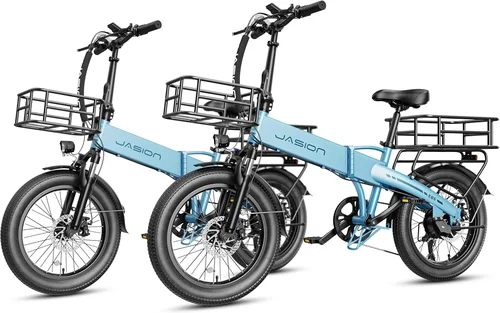
The whole point of a folding e-bike is portability—so don’t overlook dimensions and weight. When folded, the bike should fit comfortably in a car trunk, under a desk, or on a train.
Typical folded dimensions range from 30″ x 18″ x 26″ to 36″ x 24″ x 30″. Weight varies widely: lightweight models start around 35 lbs, while robust commuter bikes can hit 50–60 lbs. Heavier bikes are harder to carry upstairs or lift onto buses.
Consider how you’ll transport it. Does it have a carrying handle? Are the pedals foldable (to reduce width)? Some models include wheels on the frame for easy rolling when folded—a huge plus for seniors or those with limited strength.
Test the folding process: it should take under 30 seconds and require minimal effort. Complicated mechanisms with multiple latches or tools are a red flag.
8. User Reviews & Ratings
Specs tell part of the story—real-world feedback tells the rest. Always check verified purchase reviews on Amazon, Best Buy, or the brand’s own site. Look for patterns: Do multiple users report the same issue (e.g., battery dying fast, hinge loosening)?
Watch video reviews on YouTube for hands-on demonstrations. Creators like Electric Bike Review or Benno Bikes often test bikes over weeks or months, revealing long-term reliability issues that specs alone won’t show.
Be wary of overly positive reviews that sound scripted or lack detail. Authentic reviews mention both pros and cons. Also check return rates: a high percentage of returns may indicate design flaws or quality control problems.
Different Types of Folding Ebikes

Common Buying Mistakes to Avoid
❌ Mistake: Prioritizing Price Over Quality
Why it’s bad: The cheapest folding e-bikes often use low-grade motors, weak batteries, and fragile frames. They may break down within months, costing more in repairs than a mid-range bike would have.
What to do instead: Aim for the best value within your budget—not the lowest price. Look for models with reputable components and at least a 1-year warranty.
❌ Mistake: Ignoring Real-World Range Claims
Why it’s bad: Manufacturers often quote “up to” range figures based on ideal conditions (flat terrain, light rider, minimal assist). In reality, range can be 30–50% lower.
What to do instead: Divide the advertised range by 1.5 to estimate real-world performance. Check reviews for actual user-reported range.
❌ Mistake: Overlooking Weight and Carry Comfort
Why it’s bad: A 55-lb bike might seem manageable on paper, but lifting it daily up stairs or onto trains becomes exhausting fast—especially for older riders.
What to do instead: Test the weight yourself if possible. Look for models under 45 lbs or those with ergonomic handles and wheels for rolling.
❌ Mistake: Buying Without Testing the Fold
Why it’s bad: Some bikes look compact online but have awkward folds that snag on clothes or don’t stay closed during transport.
What to do instead: Watch video demos of the folding process. If buying in-store, practice folding and unfolding it yourself.
❌ Mistake: Skipping Safety Features
Why it’s bad: Folding e-bikes are often used in traffic-heavy areas. Lack of lights, reflectors, or reliable brakes increases accident risk.
What to do instead: Ensure the bike has front/rear lights, reflectors, and disc brakes (not just rim brakes). Add a helmet and high-vis gear.
❌ Mistake: Assuming All Batteries Are Equal
Why it’s bad: Cheap lithium-ion batteries degrade quickly and may not be UL-certified, posing fire risks.
What to do instead: Choose bikes with UL-listed batteries from known suppliers (e.g., Samsung, LG cells). Avoid no-name brands with vague battery specs.
❌ Mistake: Neglecting Local Laws and Regulations
Why it’s bad: Some cities restrict e-bike speed, motor power, or throttle use. Riding an illegal bike can result in fines or confiscation.
What to do instead: Check your local e-bike laws. In the U.S., Class 1 (pedal-assist only, 20 mph max) is widely permitted; Class 3 (28 mph) may require helmets or age limits.
Budget Guidelines: How Much Should You Spend?
- Entry-Level ($400–$800): These bikes are best for occasional use, short commutes, or as backup rides. Expect basic 250W–350W motors, 20–30 mile range, and minimal features. Brands like Ancheer or Swagtron offer decent starter models, but build quality varies. Ideal for students or casual riders who don’t need daily reliability.
- Mid-Range ($800–$1,500): This is the sweet spot for most buyers. You’ll get reliable 500W–750W motors, 30–50 mile range, disc brakes, and useful accessories like lights and racks. Models from Heybike, Lectric XP, and Aventon deliver excellent value. Great for daily commuting, errands, and weekend rides.
- Premium ($1,500–$2,500): Designed for serious riders who demand performance and durability. Expect lightweight aluminum frames, high-capacity batteries (500Wh+), advanced suspension, and smart features. Tern, Brompton Electric, and Rad Power Bikes dominate this space. Perfect for hilly cities, long commutes, or riders who prioritize comfort and longevity.
- Luxury ($2,500+): These are the Ferraris of folding e-bikes—engineered for enthusiasts, travelers, or professionals. Features include carbon fiber frames, regenerative braking, app-controlled ride modes, and ultra-compact folds. Brands like Stromer, Benno, and Gocycle offer cutting-edge tech and impeccable craftsmanship. Justified only if portability, performance, and prestige are top priorities.

Expert Tips for Getting the Best Deal
- Shop During Seasonal Sales: Major discounts happen during Black Friday, Cyber Monday, and end-of-season clearances (August–September). Some brands also offer holiday bundles with free accessories.
- Buy Direct from Manufacturers: Brands like Rad Power Bikes, Lectric, and Heybike often offer better prices, exclusive colors, and extended warranties when you buy directly—not through third-party retailers.
- Check Refurbished or Open-Box Options: Certified refurbished models from reputable sellers can save 20–30% off retail. Ensure they come with full warranties and have been professionally inspected.
- Read the Return Policy Carefully: E-bikes are heavy and expensive to return. Look for at least a 14-day return window and free return shipping. Some brands charge restocking fees—avoid these if possible.
- Test Ride Before Buying (If Possible): Local bike shops or brand showrooms let you try before you buy. Pay attention to ride comfort, brake responsiveness, and how the bike feels on hills.
- Negotiate Add-Ons: Many retailers will throw in free helmets, locks, or lights if you ask—especially during slow sales periods.
- Join Owner Communities: Facebook groups or Reddit forums (like r/ebikes) often share exclusive promo codes, flash sales, or group-buy discounts.
- Consider Financing: Brands like RadPower and Aventon offer 0% APR financing for qualified buyers, spreading payments over 6–12 months without extra cost.

Frequently Asked Questions
Q: Can I take a folding e-bike on public transportation?
A: Yes—most buses, trains, and subways allow folding e-bikes, especially if they’re under 50 lbs and fully folded. However, policies vary by city and operator. Always check local rules and be courteous to other passengers by keeping your bike secure and out of walkways.
Q: How long does it take to charge a folding e-bike battery?
A: Most batteries take 4–6 hours to charge from empty to full using the included charger. Fast chargers (sold separately) can reduce this to 2–3 hours but may shorten battery lifespan if used excessively.
Q: Are folding e-bikes safe for hills?
A: It depends on the motor and gearing. Models with 750W motors and torque sensors handle hills well. Avoid bikes with only hub motors and no gears if you live in a hilly area—they struggle on inclines.
Q: Do I need a license or insurance to ride a folding e-bike?
A: In most U.S. states, no license or insurance is required for Class 1 or Class 2 e-bikes. Class 3 bikes may require helmets or have age restrictions. Always verify local laws.
Q: How often do I need to maintain a folding e-bike?
A: Basic maintenance includes checking tire pressure weekly, cleaning the chain monthly, and inspecting brakes and hinges every few months. Take it to a shop for a full tune-up once a year.
Q: Can I ride a folding e-bike in the rain?
A: Most modern e-bikes are water-resistant (IPX4 rating or higher), meaning they can handle light rain. Avoid submerging the battery or motor, and dry the bike after wet rides to prevent corrosion.
Q: What’s the average lifespan of a folding e-bike?
A: With proper care, a quality folding e-bike can last 5–10 years. The battery typically needs replacement after 800–1,000 charge cycles (about 3–5 years of daily use).
Q: Are folding e-bikes good for long distances?
A: They can be, but range is limited by battery size and weight. For rides over 30 miles, consider models with 500Wh+ batteries or carry a spare. Mid-drive motors are more efficient for long hauls than hub motors.
Q: Can I upgrade components on a folding e-bike?
A: Some components (like tires, seats, or lights) are easily upgraded. However, motors and batteries are often proprietary. Check compatibility before purchasing aftermarket parts.
Q: Is it worth paying extra for a brand-name folding e-bike?
A: Generally, yes—if you value reliability, customer support, and resale value. Well-known brands use better materials, offer longer warranties, and have established service networks. Generic brands may save money upfront but cost more in repairs and frustration.
Our Final Recommendations
- Best for Budget-Conscious Buyers: Lectric XP 3.0 – At around $999, it offers a 750W motor, 45-mile range, fat tires, and a robust fold—all with excellent customer support and a 1-year warranty. A standout in the sub-$1,000 category.
- Best Overall Value: Heybike Mars 2.0 – Priced at $1,199, it combines a powerful 750W motor, 50+ mile range, full suspension, and a sleek fold. Ideal for commuters who want performance without premium pricing.
- Best Premium Option: Tern Vektron S10 – At $2,799, this German-engineered marvel features a Bosch motor, Gates carbon belt drive, and an ultra-compact fold. Perfect for urban professionals who demand reliability and refinement.
- Best for Beginners: Aventon Sinch.2 – With intuitive controls, a comfortable ride, and a user-friendly app, this $1,499 model is ideal for new e-bike riders. It’s easy to fold, safe, and packed with beginner-friendly features.
- Best for Advanced Users: Gocycle G4 – At $3,495, this futuristic bike boasts a patented hydraulic suspension, integrated lights, and a one-second fold. Designed for tech-savvy riders who want cutting-edge innovation and portability.
Conclusion: Making the Right Choice
Choosing the right folding e-bike isn’t just about specs or price—it’s about finding a bike that fits seamlessly into your life. Whether you’re dodging traffic on a morning commute, exploring trails on weekends, or simply needing a compact solution for small-space living, the perfect folding e-bike exists for you.
Remember: prioritize your must-have features—whether that’s range, weight, durability, or smart tech—and don’t let flashy marketing distract you from core functionality. Read real reviews, test ride when possible, and invest in quality over quick savings. A great folding e-bike should feel like an extension of yourself: reliable, responsive, and ready for whatever the day brings.
Now that you’re armed with expert knowledge, it’s time to make your move. Compare your top contenders, check current deals, and take the leap. Your future self—gliding effortlessly through city streets or unfolding your bike at the office—will thank you. Happy riding!