

Electric scooters have evolved from niche urban curiosities into serious transportation solutions for adults. Whether you’re commuting to work, running errands around town, or simply enjoying a weekend ride, the right electric scooter can transform your daily routine. With advancements in battery technology, motor efficiency, and smart features, today’s models offer impressive range, speed, and reliability—all while remaining eco-friendly and cost-effective. However, the market is flooded with options, making it challenging to separate hype from reality. That’s where this comprehensive guide comes in.
In this detailed buying guide, you’ll learn exactly what to look for when choosing an electric scooter as an adult. We’ll break down every critical factor—from performance specs and build quality to budget considerations and hidden costs—so you can make a confident, informed decision. You’ll also discover common pitfalls to avoid, expert tips for scoring the best deal, and clear recommendations tailored to different needs and lifestyles. Whether you’re a first-time buyer or upgrading from an older model, this guide equips you with the knowledge to find a scooter that fits your life, not just your garage.
The electric scooter market has matured significantly over the past few years. Brands like Gotrax, Xiaomi, Segway-Ninebot, and Apollo have raised the bar with durable designs, longer battery life, and intuitive user experiences. At the same time, budget-friendly options have become more accessible without sacrificing essential safety or functionality. As cities embrace micro-mobility and fuel prices remain volatile, electric scooters are no longer just a fun gadget—they’re a practical, sustainable way to get around. This guide cuts through the noise to help you navigate the landscape with clarity and confidence.
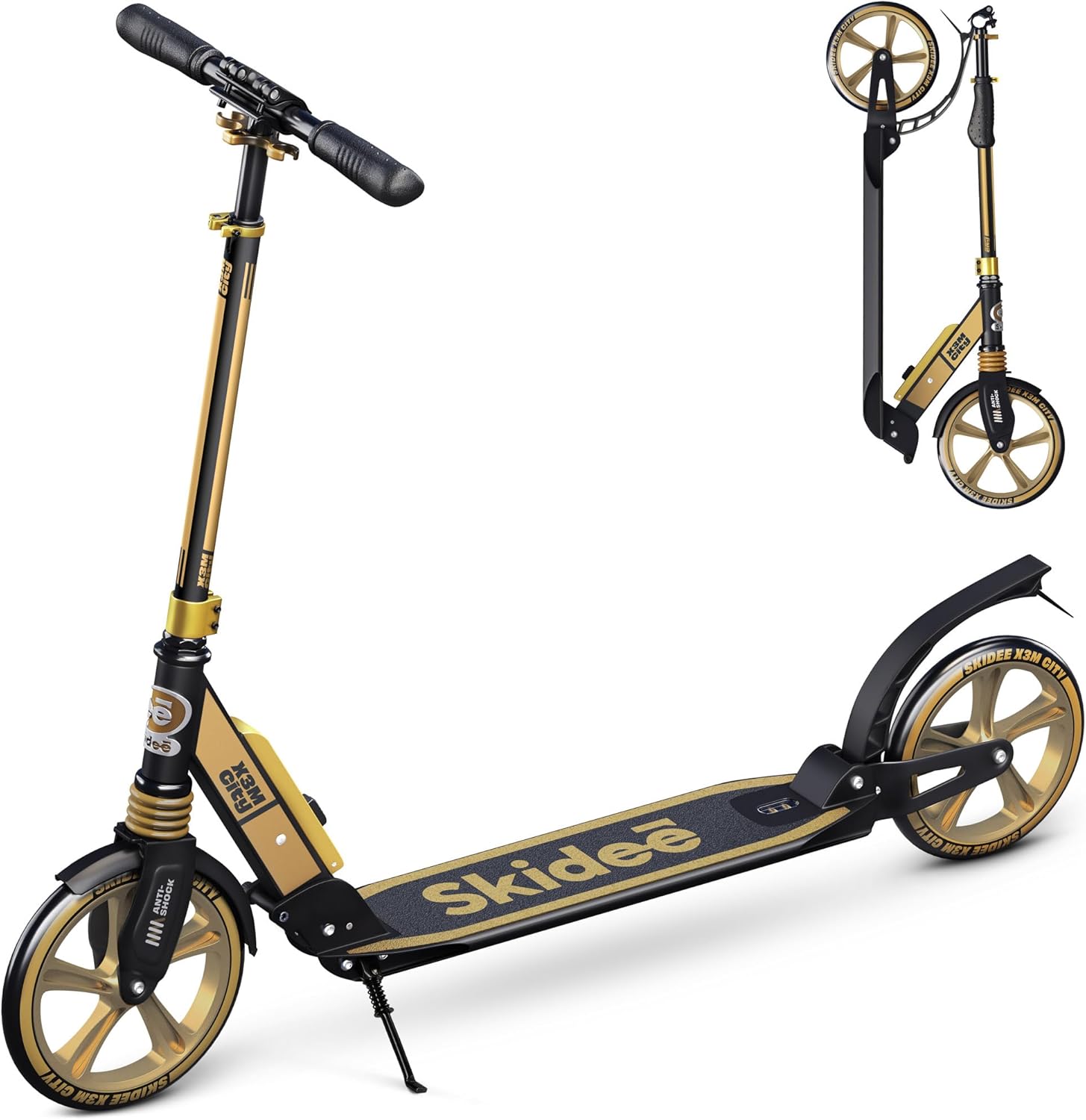
What to Look for When Buying an Electric Scooter
1. Budget & Price Range
Your budget is the foundation of your purchase decision. Electric scooters for adults range from under $300 to over $2,000, and understanding what you’re paying for is crucial. Entry-level models may seem tempting, but they often come with trade-offs in speed, range, and durability. Mid-range scooters ($500–$1,000) typically offer the best balance of performance and value, while premium models deliver advanced features like dual motors, regenerative braking, and app connectivity.
When setting your budget, consider not just the upfront cost but also long-term expenses. Cheaper scooters may require more frequent repairs or battery replacements, which can add up. Additionally, factor in accessories like helmets, locks, and lights—these are essential for safety and convenience but often sold separately. A realistic budget accounts for both the scooter and the ecosystem needed to use it safely and effectively.
2. Performance Specifications
Performance is where many buyers get overwhelmed by numbers, but focusing on three key metrics—top speed, range, and motor power—will keep you grounded. Top speed matters if you need to keep up with traffic or cover ground quickly; most adult scooters range from 15 to 30 mph. However, higher speeds often come at the expense of battery life, so balance is key.
Range is arguably the most important spec for daily commuters. Manufacturers often quote “ideal condition” ranges, which assume flat terrain, light riders, and minimal braking. In real-world use, expect 20–30% less. A scooter rated for 25 miles might realistically deliver 18–20 miles. Always check independent reviews for real-world range tests.
Motor power, measured in watts (W), determines acceleration and hill-climbing ability. A 250W motor is fine for flat city streets, but if you live in a hilly area, aim for at least 500W—or dual motors for serious inclines. Peak power (often listed as “peak wattage”) can be misleading; focus on continuous power ratings for a more accurate picture of sustained performance.
3. Build Quality & Durability
A scooter is only as good as its construction. Look for a robust frame made from aircraft-grade aluminum or reinforced steel—materials that resist bending and corrosion. Check the weight capacity: most adult scooters support 220–300 lbs, but heavier riders should verify this spec to avoid premature wear or safety risks.
Pay attention to细节 like welded joints, cable routing, and foldability mechanisms. A poorly designed folding latch can fail over time, turning a portable scooter into a liability. Suspension systems also matter: front, rear, or dual suspension absorbs shocks from potholes and uneven pavement, improving comfort and control. While solid tires require less maintenance, air-filled pneumatic tires offer a smoother ride—just be prepared for occasional flats.
Water resistance is another often-overlooked durability factor. An IP54 rating means the scooter can handle light rain and splashes, but avoid submerging it or riding in heavy downpours. For frequent wet-weather riders, consider models with IP65 or higher ratings.
4. Features & Functionality
Modern electric scooters come packed with features that enhance usability and safety. A bright LED headlight and taillight are non-negotiable for night riding—look for models with adjustable beams or automatic activation. Brake lights that illuminate when you slow down add another layer of visibility.
Digital displays show speed, battery level, and riding mode—some even include GPS tracking or anti-theft alerts via smartphone apps. Regenerative braking not only improves efficiency by recapturing energy during deceleration but also extends brake pad life. Cruise control is a small luxury that reduces hand fatigue on long rides.
Connectivity features like Bluetooth pairing, ride analytics, and firmware updates future-proof your investment. However, avoid feature bloat: if you don’t need app integration or custom lighting, save money by choosing a simpler model. Prioritize features that align with your actual usage patterns.
5. Brand Reputation
Not all brands are created equal. Established names like Gotrax, Xiaomi, and Segway-Ninebot have proven track records for reliability, customer service, and parts availability. They invest in R&D, rigorous testing, and global support networks—critical if something goes wrong.
Be cautious with unknown brands or ultra-cheap imports sold exclusively through third-party marketplaces. These often lack proper certifications (like UL 2271 for battery safety), have poor documentation, and vanish when warranty claims arise. Reading long-term user reviews on forums like Reddit or specialized scooter communities can reveal hidden issues not apparent in glossy marketing materials.
Brand reputation also affects resale value. A well-known model retains more of its worth if you decide to upgrade later. Plus, authorized dealers and service centers make maintenance easier and safer than DIY fixes on obscure models.
6. Warranty & Support
A solid warranty is your safety net against defects and premature failures. Most reputable brands offer 6–12 months of coverage, with some extending to 18 or 24 months for premium models. Pay attention to what’s covered: batteries often have separate, shorter warranties (e.g., 6 months) due to their degradation over time.
Customer support quality varies widely. Test responsiveness before buying by emailing a question or checking response times on social media. Brands with U.S.-based support teams typically resolve issues faster than those relying on overseas centers. Look for clear return policies, repair guides, and accessible spare parts—these indicate a company committed to long-term customer satisfaction.
Extended warranties or protection plans may seem appealing, but evaluate them critically. Often, the cost outweighs the risk, especially if the base warranty is already strong. Focus instead on choosing a reliable brand with transparent policies.
7. Size & Portability
Portability matters if you plan to carry your scooter on public transit, store it in a small apartment, or take it on trips. Folding mechanisms should be quick, secure, and durable—avoid models that feel flimsy or require two hands to operate.
Weight is a key consideration: most adult scooters weigh 25–40 lbs. Lighter models (under 30 lbs) are easier to lift, but may sacrifice stability or battery capacity. Check folded dimensions too—some scooters are compact when folded but still bulky due to wide handlebars or large wheels.
If you’ll be commuting mixed-mode (e.g., scooter + subway), consider models with built-in carrying handles or optional shoulder straps. Wheel size also affects portability: smaller wheels (6–8 inches) are lighter but less stable on rough terrain; larger wheels (10+ inches) roll smoother but add bulk.
8. User Reviews & Ratings
Never rely solely on manufacturer specs or flashy ads. Real-world user reviews reveal how a scooter performs under everyday conditions—commuting in rain, climbing hills, or enduring daily folding/unfolding. Platforms like Amazon, Best Buy, and specialized forums provide unfiltered feedback.
Look for patterns in reviews: if multiple users report the same issue (e.g., battery draining fast after 3 months), it’s likely a design flaw, not an isolated incident. Pay attention to verified purchases and long-term owners (6+ months) for the most reliable insights.
Video reviews are especially valuable—they show actual riding dynamics, noise levels, and build quality in action. Cross-reference multiple sources to get a balanced perspective, and don’t be swayed by overly positive or negative outliers.
Different Types of Electric Scooters
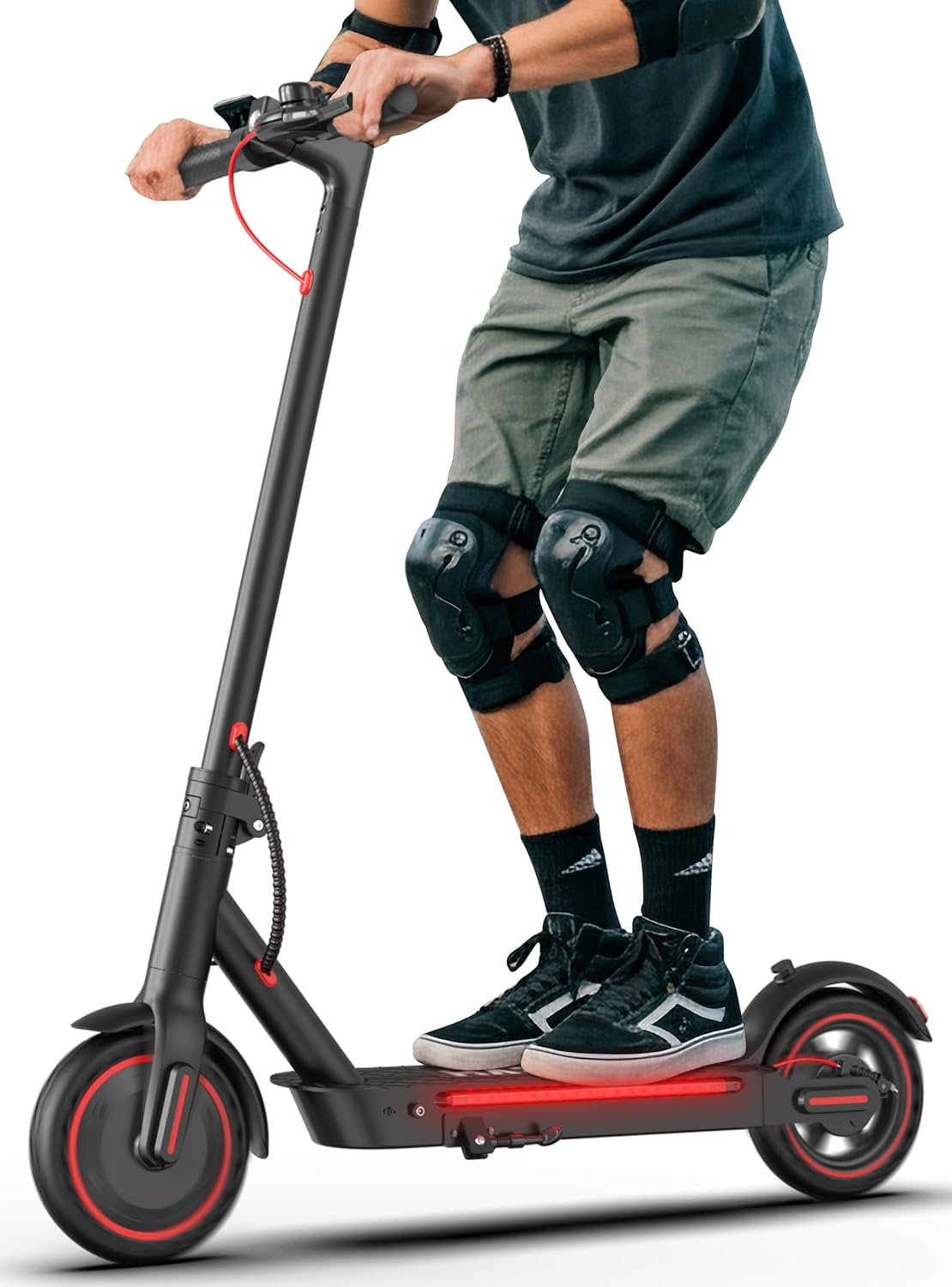
Common Buying Mistakes to Avoid

❌ Mistake: Prioritizing Top Speed Over Real-World Range
Why it’s bad: Many buyers fixate on high top speeds (e.g., “30 mph!”) but ignore how quickly the battery drains at those speeds. Riding at max speed cuts range dramatically—sometimes by half—making long commutes impractical.
What to do instead: Focus on realistic range for your typical ride distance. If you need 15 miles round-trip, choose a scooter with a rated range of at least 20–25 miles to account for hills, wind, and battery aging.
❌ Mistake: Ignoring Weight Capacity
Why it’s bad: Exceeding the scooter’s weight limit strains the motor, drains the battery faster, and can damage the frame or suspension. It also increases stopping distance and reduces stability.
What to do instead: Always check the manufacturer’s stated weight limit and subtract your body weight plus any cargo (backpack, groceries). If you’re near the limit, opt for a model with a higher capacity.
❌ Mistake: Skipping Safety Features
Why it’s bad: Riding without lights, reflectors, or reliable brakes is dangerous, especially at night or in traffic. Many accidents occur due to poor visibility or inadequate stopping power.
What to do instead: Ensure the scooter has front and rear lights, a bell or horn, and responsive brakes (disc or drum preferred over electronic-only). Always wear a helmet and consider reflective gear.
❌ Mistake: Buying Based Solely on Price
Why it’s bad: The cheapest scooter often costs more in the long run due to frequent repairs, short battery life, or lack of spare parts. You may end up replacing it within a year.
What to do instead: View your purchase as a long-term investment. Spend a bit more upfront for a reputable brand with good reviews and warranty support—it pays off in reliability and peace of mind.
❌ Mistake: Overlooking Local Laws and Regulations
Why it’s bad: Electric scooter laws vary by city and state—some ban them on sidewalks, limit speeds, or require registration. Riding illegally can result in fines or confiscation.
What to do instead: Research your local regulations before buying. Choose a scooter that complies with speed limits (often 15–20 mph in urban areas) and consider models with adjustable speed modes.
❌ Mistake: Neglecting Test Rides
Why it’s bad: Scooter feel is subjective—what looks good on paper might be uncomfortable or unstable in practice. Handlebar height, deck size, and ride stiffness affect comfort significantly.
What to do instead: If possible, test ride before buying. Visit local retailers or attend scooter demo events. If buying online, choose retailers with generous return policies (30 days or more).
❌ Mistake: Forgetting About Maintenance
Why it’s bad: Even the best scooters need occasional upkeep—tire inflation, brake adjustments, bolt tightening. Ignoring maintenance leads to degraded performance and safety risks.
What to do instead: Learn basic maintenance tasks or find a local repair shop that services your brand. Keep a toolkit handy and follow the manufacturer’s service schedule.
Budget Guidelines: How Much Should You Spend?
Entry-Level ($200–$400): These scooters are ideal for casual riders, teens, or those testing the waters. Expect modest speeds (12–18 mph), limited range (8–15 miles), and basic features. Build quality may be lighter-duty, and warranties are often shorter. Great for short trips around campus or neighborhoods, but not recommended for daily commuting or hilly areas.
Mid-Range ($500–$900): This is the sweet spot for most adult buyers. Scooters in this tier offer reliable performance (18–25 mph), solid range (15–25 miles), and better build quality. You’ll find features like LED lights, digital displays, and improved suspension. Brands like Gotrax and Xiaomi dominate here with models that balance affordability and functionality. Perfect for urban commuters and regular riders.
Premium ($1,000–$1,800): Designed for enthusiasts and serious commuters, these scooters deliver high performance, extended range (25–40+ miles), and advanced features like dual motors, regenerative braking, and app connectivity. Expect premium materials, superior suspension, and robust warranties. Ideal for long distances, hilly terrain, or riders who value speed and comfort.
Luxury ($1,800+): At this level, you’re paying for cutting-edge technology, maximum durability, and top-tier performance. These scooters often include carbon fiber components, ultra-long-range batteries, hydraulic brakes, and off-road capabilities. They’re built for professionals, long-distance travelers, or collectors who want the absolute best—no compromises.

Expert Tips for Getting the Best Deal
- Shop during seasonal sales: Major discounts happen during Black Friday, Cyber Monday, Amazon Prime Day, and end-of-season clearances (late summer/fall). Sign up for brand newsletters to get early access.
- Buy directly from reputable retailers: Authorized dealers (like Gotrax.com, Best Buy, or REI) offer better warranties, return policies, and customer support than third-party sellers on marketplaces.
- Check for refurbished or open-box deals: Certified refurbished scooters from the manufacturer often come with full warranties at 20–30% off retail price. Open-box items at big-box stores can also yield savings.
- Compare total cost of ownership: Factor in accessories, maintenance, and potential upgrades. A slightly more expensive scooter with included lights and a better battery may cost less long-term.
- Read the fine print on warranties: Some brands require registration within 14 days of purchase to activate coverage. Keep your receipt and follow all steps to avoid voiding protection.
- Use price-tracking tools: Browser extensions like Honey or CamelCamelCamel alert you when prices drop on specific models, helping you time your purchase perfectly.
- Consider financing options: Many retailers offer 0% APR financing for 6–12 months. This lets you spread payments without interest—just ensure you can pay it off before the promotional period ends.
- Join scooter communities: Online forums and Facebook groups often share exclusive promo codes, group buys, or insider tips on upcoming sales.
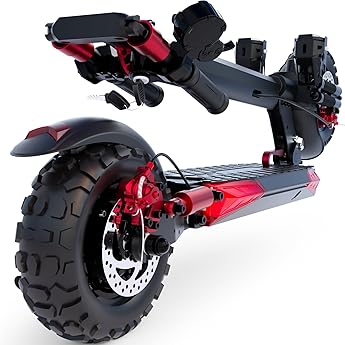
Frequently Asked Questions
Q: How fast do adult electric scooters go?
A: Most adult electric scooters range from 15 to 30 mph. Entry-level models typically cap at 15–18 mph, while performance scooters can reach 25–30 mph or more. Always check local speed limits—many cities restrict scooters to 15–20 mph in public areas.
Q: How far can an electric scooter travel on a single charge?
A: Real-world range varies from 8 to 40+ miles depending on the model, rider weight, terrain, and riding style. Manufacturer claims are often optimistic; subtract 20–30% for realistic estimates. For daily commuting, aim for a scooter with at least 1.5x your round-trip distance.
Q: Are electric scooters safe for adults?
A: Yes, when used responsibly. Safety depends on wearing a helmet, following traffic laws, maintaining the scooter, and avoiding hazardous conditions. Choose models with reliable brakes, lights, and stable builds. Avoid riding in heavy rain or on icy surfaces.
Q: Can I ride an electric scooter in the rain?
A: Only if it has adequate water resistance (IP54 or higher). Light rain is usually fine, but avoid deep puddles, storms, or submersion. Water can damage electronics and batteries, voiding warranties.
Q: How long do electric scooter batteries last?
A: Lithium-ion batteries typically last 300–500 charge cycles before capacity drops to 80%. With proper care (avoiding full discharges and extreme temperatures), this translates to 1–3 years of daily use. Replacement batteries cost $100–$300.
Q: Do I need a license or insurance to ride an electric scooter?
A: In most U.S. states, no license or insurance is required for scooters under 20 mph. However, laws vary—some cities require helmets, registration, or restrict where you can ride. Always check local regulations.
Q: Can I take my electric scooter on public transportation?
A: Many transit systems allow folded scooters on buses, trains, and subways, but policies differ. Check with your local transit authority. Lightweight, compact models are easiest to manage in crowded spaces.
Q: What’s the difference between hub motors and belt-driven motors?
A: Hub motors are built into the wheel, offering simplicity, quiet operation, and low maintenance. Belt-driven systems use a belt to transfer power, providing better torque and hill-climbing but requiring occasional belt replacement. Most modern scooters use hub motors for reliability.
Q: How do I maintain my electric scooter?
A: Regularly check tire pressure (if pneumatic), tighten bolts, clean the deck and wheels, and inspect brakes. Store in a dry place and avoid extreme temperatures. Follow the manufacturer’s maintenance schedule and keep firmware updated if applicable.
Q: What should I do if my scooter stops working?
A: First, check the basics: battery charge, power switch, and fuse. Consult the user manual for troubleshooting steps. If under warranty, contact the manufacturer or retailer. For out-of-warranty issues, seek a certified repair shop or DIY if you’re experienced.
Our Final Recommendations
Best for Budget-Conscious Buyers: Gotrax G4 – At around $450, the G4 offers impressive value with a 20 mph top speed, 25-mile range, and solid build quality. It includes LED lights, a digital display, and app connectivity—rare at this price point.
Best Overall Value: Xiaomi Mi Electric Scooter 4 Pro – Priced near $700, this scooter delivers premium features like a 28-mile range, 20 mph speed, dual braking, and excellent ride comfort. Its reputation for reliability makes it a top choice for daily commuters.
Best Premium Option: Apollo Explore – For around $1,300, the Explore boasts a 34-mile range, 28 mph speed, dual suspension, and IP66 water resistance. It’s built for serious riders who demand performance and durability without compromise.
Best for Beginners: Segway Ninebot ES2 – Lightweight (27.6 lbs), easy to fold, and intuitive to ride, the ES2 is perfect for first-timers. With a 15.5 mph top speed and 15-mile range, it’s safe, stable, and affordable (~$500).
Best for Advanced Users: Dualtron Thunder 3 – Pushing $2,500, this beast features dual 1,000W motors, a 75-mile range, and speeds up to 50 mph. It’s built for enthusiasts, off-road adventures, and those who refuse to compromise on power.
Conclusion: Making the Right Choice
Choosing the right electric scooter isn’t just about picking the fastest or flashiest model—it’s about finding the perfect match for your lifestyle, budget, and riding needs. By focusing on key factors like range, build quality, safety features, and real-world performance, you can avoid common pitfalls and invest in a scooter that serves you reliably for years to come.
Remember, the best scooter is the one you’ll actually use. A slightly more expensive model with better ergonomics and comfort will get more mileage than a cheap, uncomfortable one gathering dust in the corner. Take your time, do your research, and don’t hesitate to test ride before committing.
Whether you’re commuting across town, exploring your neighborhood, or simply enjoying the freedom of two wheels and electric power, the right scooter can make every ride smoother, safer, and more enjoyable. Use this guide as your roadmap, prioritize what matters most to you, and ride confidently into the future of urban mobility.