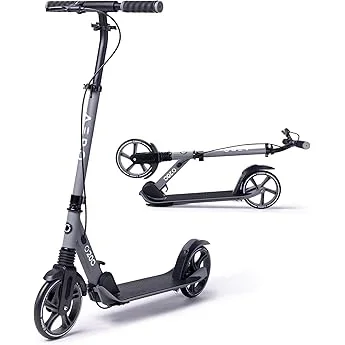
Electric scooters have evolved from niche urban curiosities into serious transportation solutions for millions of adults worldwide. Whether you’re commuting to work, running errands around town, or simply exploring your city on two wheels, the right electric scooter can transform your daily routine. But with hundreds of models flooding the market—each boasting different speeds, ranges, weights, and features—it’s easy to feel overwhelmed. That’s exactly why this comprehensive buying guide exists: to cut through the noise, clarify the jargon, and help you make a smart, informed decision based on your real-world needs.
In this expert-level guide, we’ll walk you through every critical factor that matters when choosing an electric scooter for adults in 2026. You’ll learn how to evaluate performance specs like range and top speed without falling for marketing hype, understand what truly defines build quality and durability, and discover which features are must-haves versus nice-to-haves. We’ll also break down common pitfalls buyers fall into, share insider tips for scoring the best deals, and provide clear budget guidelines so you know exactly what you’re paying for at each price tier. By the end, you’ll have the confidence to choose a scooter that fits your lifestyle—not just your wallet.
The electric scooter market has matured significantly over the past few years. Gone are the days when most adult scooters were flimsy, short-range toys. Today’s models offer impressive engineering, robust safety features, and designs built for real-world use. From lightweight commuters that fold down to fit under a desk to high-performance beasts capable of tackling hills and long distances, there’s a scooter for nearly every need and budget. However, this abundance of choice means you can’t rely solely on flashy ads or star ratings. This guide arms you with the knowledge to compare apples to apples—and avoid buying a lemon disguised as a lemonade.

What to Look for When Buying an Electric Scooter
1. Budget & Price Range
Your budget is the foundation of your entire purchasing decision. It dictates not only which scooters are within reach but also what kind of performance, durability, and features you can realistically expect. Electric scooters for adults typically range from under $300 to well over $2,000, and while it’s tempting to go for the cheapest option, doing so often leads to frustration—and potentially unsafe riding experiences.
At the lower end of the spectrum ($200–$400), you’ll find entry-level models aimed at casual riders or teens. These scooters usually have smaller motors (250W or less), limited range (5–10 miles), and basic builds that may struggle on inclines or rough pavement. Mid-range scooters ($400–$800) offer a sweet spot for most urban commuters, delivering reliable performance, decent battery life (15–25 miles), and better suspension or braking systems. Premium models ($800–$1,500) often include dual motors, advanced suspension, larger wheels, and smart features like app connectivity or regenerative braking. Finally, luxury or performance-oriented scooters ($1,500+) cater to enthusiasts who prioritize speed, hill-climbing power, and long-range capability—sometimes exceeding 40 miles per charge.
2. Performance Specifications
Performance specs are where many buyers get tripped up by marketing claims. Terms like “up to 30 miles range” or “40 mph top speed” sound impressive—but they’re often measured under ideal lab conditions that don’t reflect real-world use. To make an informed choice, focus on three core metrics: motor power, battery capacity, and real-world range.
Motor power, measured in watts (W), determines how well your scooter handles acceleration, hills, and rider weight. A 250W motor might suffice for flat city streets and lighter riders, but if you weigh over 180 lbs or live in a hilly area, you’ll want at least 500W—and ideally dual motors for serious incline climbing. Battery capacity, expressed in watt-hours (Wh), directly impacts range. A higher Wh rating means more energy storage, but remember: terrain, rider weight, speed, and weather all affect actual mileage. For example, a scooter rated for 25 miles might only deliver 15–18 miles if you’re riding uphill at full throttle in cold weather.
Top speed is another spec to interpret carefully. While some scooters claim 30+ mph, many cities legally limit e-scooter speeds to 15–20 mph in bike lanes or shared pathways. Unless you plan to ride exclusively on private property or designated high-speed zones, ultra-high speeds may be unnecessary—and even risky. Instead, prioritize consistent performance across your typical routes.
3. Build Quality & Durability
A scooter that looks sleek in a photo can fall apart after a few weeks of daily use if it’s built with cheap materials or poor engineering. Durability starts with the frame: look for aircraft-grade aluminum or reinforced steel, which offer strength without excessive weight. Avoid scooters with thin, hollow tubing or plastic components in high-stress areas like the stem or deck.
Pay close attention to the wheels. Solid rubber tires are puncture-proof but offer a rougher ride; pneumatic (air-filled) tires provide better shock absorption but require maintenance and can go flat. Many modern scooters use honeycomb or tubeless air tires as a compromise. Suspension matters too—especially if you ride on uneven sidewalks or bike paths. Front suspension is common, but dual suspension (front and rear) significantly improves comfort on rough terrain.
Water resistance is another often-overlooked durability factor. Check the IP rating: IPX4 means splash-resistant (fine for light rain), while IPX5 or higher offers protection against water jets. If you live in a rainy climate or plan to ride in wet conditions, don’t settle for anything less than IPX4.
4. Features & Functionality
Modern electric scooters come packed with features, but not all are equally useful. Start with essentials: reliable braking (disc brakes are superior to drum or electronic brakes), bright LED headlights and taillights for visibility, and a clear, readable display showing speed, battery level, and mode. Regenerative braking—which recaptures energy during deceleration—can extend range by 5–10%, making it a valuable addition.
Smart features like Bluetooth app connectivity allow you to track rides, lock the scooter remotely, or customize speed modes. While convenient, these aren’t dealbreakers unless you value data tracking or anti-theft security. Other nice-to-haves include cruise control (reduces hand fatigue on long rides), phone mounts, USB charging ports, and ambient lighting. Be wary of gimmicks: RGB underglow lights or Bluetooth speakers add fun but little practical value.
One feature that’s becoming increasingly important is ride modes. Most scooters offer Eco, Normal, and Sport settings, allowing you to balance speed and battery life. Eco mode can dramatically extend range for leisurely rides, while Sport mode unlocks maximum power for hills or quick commutes.
5. Brand Reputation
Not all scooter brands are created equal. Some prioritize flashy specs over reliability, while others invest heavily in R&D, customer service, and long-term support. Established brands like Segway-Ninebot, Xiaomi, Apollo, and Unagi have earned trust through consistent quality and transparent communication. Emerging brands may offer competitive pricing, but research their track record before committing.
Look for brands that publish detailed spec sheets, offer clear warranty terms, and maintain active customer support channels. Read independent reviews (not just Amazon or manufacturer sites) and check forums like Reddit’s r/ElectricScooters for real-user experiences. A brand that stands behind its products will often provide firmware updates, spare parts availability, and responsive troubleshooting—critical if something goes wrong months after purchase.
6. Warranty & Support
A strong warranty is a strong indicator of a manufacturer’s confidence in its product. Most reputable brands offer at least a 12-month warranty covering motor, battery, and electrical components. Some premium models come with 18–24 months, and a few even include accidental damage coverage.
But warranty length isn’t everything—terms matter. Does it cover battery degradation below a certain capacity threshold? Are labor costs included for repairs? Can you get service locally, or must you ship the scooter back? Avoid brands with vague warranties or those that require you to pay return shipping for defective units. Also, check if the company has physical service centers or authorized repair shops in your area. Waiting weeks for a repair can turn your daily commute into a nightmare.
7. Size & Portability
If you plan to carry your scooter on public transit, store it under a desk, or lift it upstairs, portability is non-negotiable. Weight is the biggest factor: most adult scooters weigh between 25 and 45 pounds. Anything over 35 lbs becomes cumbersome for frequent lifting, especially for smaller riders or those with mobility concerns.
Folding mechanism matters too. Look for a secure, one-step fold that locks firmly in place—not a flimsy latch that could fail mid-ride. Handlebar width and deck size affect comfort and storage; narrower handlebars are easier to maneuver in crowds but may feel unstable at high speeds. Some scooters feature telescoping stems or removable batteries to further reduce size when folded.
Consider your typical storage scenario. If you live in an apartment without elevators, a lightweight, compact scooter is essential. If you drive to a transit hub and then scoot the rest of the way, weight may be less critical than range and comfort.
8. User Reviews & Ratings
While specs tell you what a scooter should do, user reviews reveal what it actually does in the real world. Look beyond the overall star rating and read detailed written reviews—especially those with photos or videos. Pay attention to recurring themes: do multiple users report the same battery issue? Is the suspension as smooth as advertised?
Be skeptical of overly positive or generic reviews (“Amazing scooter! Love it!”) and prioritize long-term feedback. A scooter that performs well for the first month may reveal flaws after six months of daily use. Check multiple platforms: Amazon, Best Buy, specialized e-scooter retailers, and independent review sites like Electric Scooter Insider or ScooterGuide.
Also, note the reviewer’s context. A 120-lb rider praising a scooter’s hill-climbing ability may not reflect your experience if you weigh 200 lbs. Similarly, someone commuting 3 miles on flat pavement won’t encounter the same challenges as a rider tackling 10 miles with steep hills.
Different Types of Electric Scooters

Common Buying Mistakes to Avoid
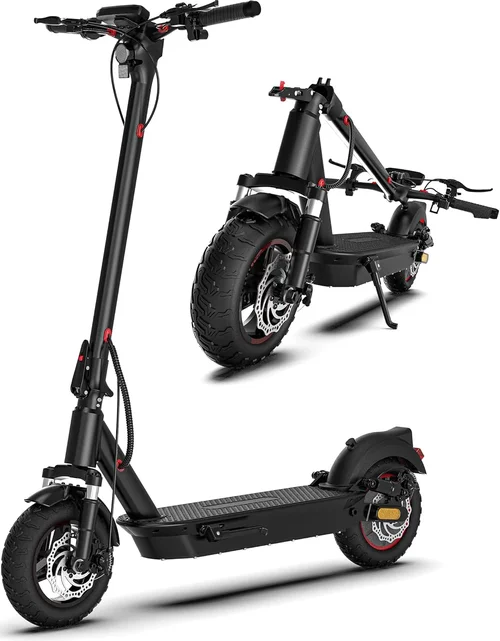
❌ Mistake: Prioritizing Top Speed Over Real-World Usability
Why it’s bad: Scooters marketed with “40 mph top speed” often achieve that only under perfect conditions—flat ground, light rider, fully charged battery. In reality, most urban riders rarely exceed 15–20 mph due to traffic, safety, and legal limits. Chasing high speed can lead to overspending on unnecessary power while sacrificing range, comfort, or portability.
What to do instead: Focus on consistent performance for your typical routes. If you live in a hilly city, prioritize torque and motor power over peak speed. For flat commutes, a 20 mph scooter is more than sufficient—and often more efficient.
❌ Mistake: Ignoring Rider Weight Limits
Why it’s bad: Every scooter has a maximum weight capacity (usually 220–300 lbs). Exceeding it strains the motor, drains the battery faster, and can cause premature wear or even failure. Riders who ignore this risk poor performance, reduced range, and safety hazards.
What to do instead: Always check the manufacturer’s stated weight limit and choose a scooter rated for at least 20–30 lbs above your body weight. If you’re near the upper end, consider models with dual motors or reinforced decks.
❌ Mistake: Overlooking Local Laws and Regulations
Why it’s bad: E-scooter laws vary widely by city and country. Some places ban them entirely on sidewalks, limit speeds to 15 mph, or require helmets and registration. Buying a high-speed scooter only to find it’s illegal to ride where you live defeats the purpose.
What to do instead: Research your local regulations before purchasing. Many cities publish e-scooter guidelines online. If speed limits are strict, opt for a scooter with adjustable modes so you can comply legally.
❌ Mistake: Skipping the Test Ride
Why it’s bad: Photos and specs don’t convey how a scooter feels. Handlebar height, deck size, suspension quality, and brake responsiveness are best evaluated in person. A scooter that looks perfect online might feel unstable or uncomfortable when ridden.
What to do instead: Visit local retailers that carry e-scooters and request a test ride. If that’s not possible, buy from retailers with generous return policies (30 days or more) so you can try it risk-free.
❌ Mistake: Choosing Based Solely on Range Claims
Why it’s bad: Manufacturers often quote “ideal” range—measured at low speed, light weight, and flat terrain. Real-world range can be 30–50% lower. Relying on these numbers may leave you stranded mid-commute.
What to do instead: Use range as a guideline, not a guarantee. Look for reviews that mention real-world mileage under conditions similar to yours. Consider buying a scooter with 20–30% more range than you think you need.
❌ Mistake: Neglecting After-Sales Support
Why it’s bad: E-scooters have complex electronics and moving parts that can fail. Brands with poor support leave you waiting weeks for repairs or paying out-of-pocket for fixes that should be covered.
What to do instead: Choose brands known for reliable customer service. Check if they offer phone support, local repair partners, or easy warranty claims. Avoid unknown brands with no service infrastructure.
❌ Mistake: Forgetting About Maintenance
Why it’s bad: Even the best scooters require upkeep: tire inflation, brake adjustments, bolt tightening, and battery care. Assuming your scooter is “maintenance-free” leads to degraded performance and safety risks.
What to do instead: Learn basic maintenance tasks or find a local shop that services e-scooters. Keep a toolkit handy and follow the manufacturer’s maintenance schedule.
Budget Guidelines: How Much Should You Spend?
Entry-Level ($200–$400): These scooters are best suited for occasional use, light riders, or short, flat commutes. Expect modest motors (250–350W), limited range (8–12 miles), and basic builds. While affordable, they often lack durability and advanced features. Ideal for students or weekend riders—but not daily commuters.
Mid-Range ($400–$800): This is the sweet spot for most adult riders. Scooters in this tier offer reliable performance, 15–25 miles of real-world range, better suspension, and solid build quality. Brands like Xiaomi, Gotrax, and Segway offer excellent value here. Perfect for urban commuters who need dependability without breaking the bank.
Premium ($800–$1,500): Designed for serious riders, these scooters deliver high power (500–1,000W+), long range (25–40 miles), and premium features like dual suspension, app connectivity, and robust braking. Great for hilly cities, longer commutes, or riders who prioritize comfort and performance.
Luxury ($1,500+): At this level, you’re paying for top-tier engineering, exotic materials (carbon fiber, forged aluminum), cutting-edge tech, and exceptional ride quality. Models like the Unagi Model One or Apollo Pro offer near-silent motors, ultra-smooth suspension, and sleek designs. Best for enthusiasts, tech lovers, or those who view their scooter as a long-term investment.

Expert Tips for Getting the Best Deal
– Buy during off-season sales: Scooter demand peaks in spring and summer. Shop in late fall or winter (November–February) for discounts of 15–30% as retailers clear inventory.
– Check manufacturer websites directly: Brands often run exclusive promotions, bundle deals (free helmet, phone mount), or offer extended warranties not available on third-party sites.
– Sign up for newsletters: Many retailers send early access to sales or coupon codes to subscribers. You can always unsubscribe later.
– Consider refurbished or open-box models: Certified pre-owned scooters from reputable sellers often come with warranties and cost 20–40% less than new ones.
– Read return policies carefully: Ensure you have at least 14–30 days to return the scooter if it doesn’t meet expectations. Some retailers charge restocking fees—avoid these if possible.
– Bundle accessories: Instead of buying a helmet, lock, or bag separately, look for bundles that include them at a discount.
– Use cashback or credit card rewards: Purchases over $500 can earn significant cashback or points. Just pay off the balance immediately to avoid interest.
– Join owner communities: Forums and Facebook groups often share exclusive discount codes or alert members to flash sales.
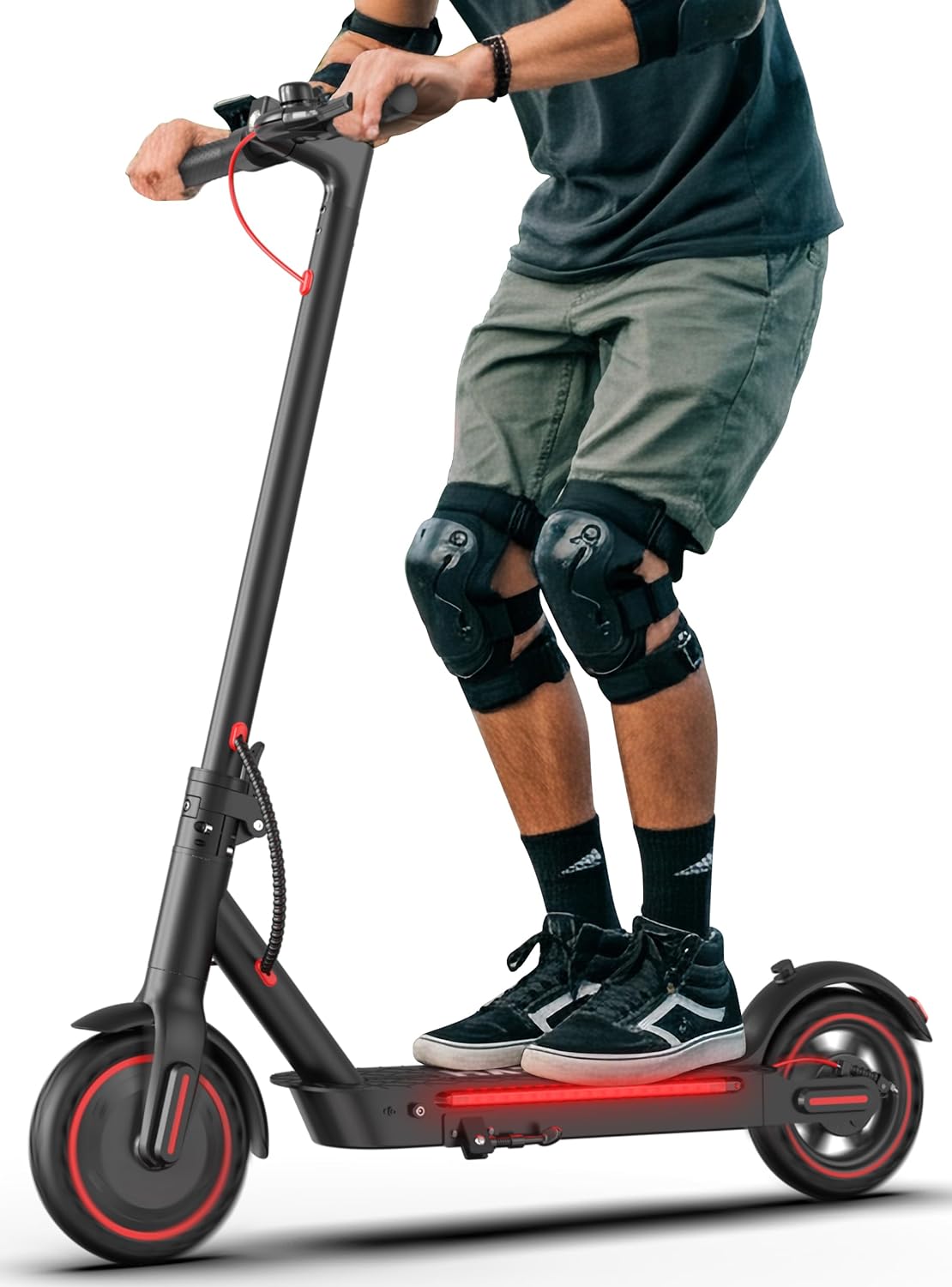
Frequently Asked Questions
Q: How fast do electric scooters go?
A: Most adult electric scooters range from 15 mph (entry-level) to 30+ mph (performance models). However, real-world speeds depend on rider weight, terrain, and battery level. Always check local speed limits—many cities cap e-scooter speeds at 15–20 mph.
Q: How far can an electric scooter go on a single charge?
A: Range varies widely: 8–15 miles for budget models, 15–30 miles for mid-range, and 30–50+ miles for premium scooters. Real-world range is typically 20–30% less than advertised due to hills, wind, and riding style.
Q: Are electric scooters safe?
A: When used responsibly, yes. Always wear a helmet, follow traffic laws, and avoid riding in heavy rain or on uneven surfaces. Choose scooters with reliable brakes, good lighting, and stable builds. Practice in a safe area before hitting busy streets.
Q: Can I ride an electric scooter in the rain?
A: Only if it has an IPX4 rating or higher. IPX4 protects against splashes, but avoid submerging the scooter or riding through deep puddles. Water can damage the battery and electronics.
Q: Do I need a license to ride an electric scooter?
A: In most U.S. states and many countries, no license is required for scooters under 20 mph. However, some cities require registration, helmets, or restrict where you can ride. Always check local laws.
Q: How long do electric scooter batteries last?
A: Most lithium-ion batteries last 300–500 charge cycles before capacity drops to 80%. With proper care (avoid extreme temps, don’t drain to 0%), this translates to 2–4 years of daily use.
Q: Can I take my scooter on public transit?
A: Many buses and trains allow folded scooters, but policies vary. Check with your local transit authority. Lightweight, compact models are easiest to bring aboard.
Q: What’s the difference between hub motors and belt-driven motors?
A: Hub motors are built into the wheel—simple, quiet, and low-maintenance. Belt-driven motors use a belt to transfer power—often more powerful and serviceable but noisier and require occasional belt replacement.
Q: Should I buy a scooter with pneumatic or solid tires?
A: Pneumatic tires offer a smoother ride and better grip but can go flat. Solid tires are maintenance-free but transmit more vibration. Honeycomb tires are a popular middle ground.
Q: Can I upgrade my scooter’s battery or motor?
A: Generally not recommended. Most scooters are engineered as complete systems. Unauthorized modifications can void warranties, reduce safety, and cause malfunctions.
Our Final Recommendations
– Best for Budget-Conscious Buyers: Xiaomi Mi Electric Scooter 4 Lite – At around $450, it offers reliable 18-mile range, solid build quality, and Xiaomi’s trusted engineering. Perfect for students and casual commuters.
– Best Overall Value: Segway Ninebot MAX G30LP – Priced near $700, it delivers 40-mile range, IPX5 water resistance, excellent suspension, and a robust frame. Ideal for daily urban commuting.
– Best Premium Option: Apollo Explore – At $1,299, it features dual 800W motors, 50-mile range, and top-tier suspension. Built for hills, long distances, and riders who demand performance.
– Best for Beginners: Gotrax GXL V2 – Affordable ($350), easy to ride, and lightweight. Great for first-time buyers who want a simple, reliable starter scooter.
– Best for Advanced Users: Dualtron Thunder 3 – A beast at $2,500+, with 70+ mph top speed, 80-mile range, and dual hydraulic suspension. For thrill-seekers and long-range enthusiasts only.
Conclusion: Making the Right Choice
Choosing the best electric scooter for adults isn’t about finding the flashiest model or the highest specs—it’s about matching the scooter to your lifestyle, terrain, and priorities. Whether you’re a student navigating campus, a professional commuting downtown, or an adventurer exploring trails, there’s a perfect scooter out there for you. By focusing on real-world performance, build quality, and after-sales support—not just price or marketing claims—you’ll avoid common pitfalls and invest in a ride that lasts.
Remember: the best scooter is the one you’ll actually use. Don’t overbuy for features you won’t need, but don’t underspend to the point of frustration. Take your time, read reviews, test ride when possible, and prioritize safety and reliability. With the insights from this guide, you’re now equipped to make a confident, informed decision that serves you well for years to come.
Ready to roll? Start by defining your must-haves, set a realistic budget, and explore the models that align with your needs. Your ideal electric scooter is just a smart choice away.