
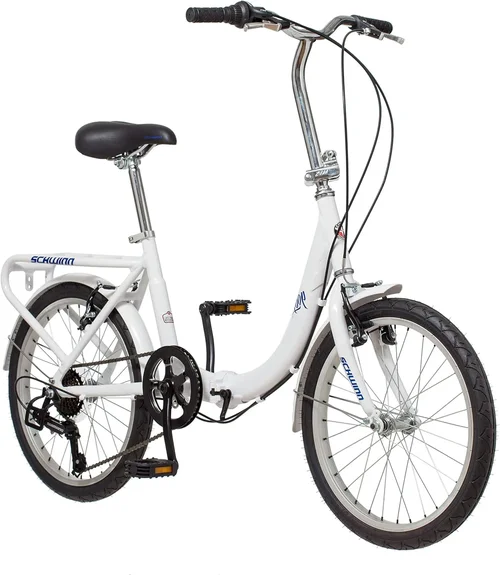
Folding electric bikes have revolutionized urban mobility, offering a seamless blend of convenience, sustainability, and performance in an ultra-portable package. As we move into 2026, the folding e-bike market has matured significantly—no longer niche gadgets for tech enthusiasts, these compact powerhouses are now viable daily transportation solutions for commuters, travelers, students, and even seniors. With advancements in battery technology, motor efficiency, frame engineering, and smart integration, today’s folding e-bikes deliver real-world range, robust build quality, and features once reserved for full-sized models. Whether you’re navigating crowded city streets, hopping on public transit, or storing your ride in a tiny apartment, a well-chosen folding e-bike can transform how you move through the world.
This comprehensive buying guide is designed to cut through the noise and help you make a confident, informed decision. We’ve analyzed dozens of 2025–2026 models from leading brands like Gotrax, Lectric, Rad Power Bikes, Himiway, and more to identify what truly matters when choosing your ideal folding e-bike. You’ll learn how to balance budget with performance, understand key technical specs without getting lost in jargon, avoid common pitfalls, and find the perfect match for your lifestyle. From entry-level commuters to premium adventure-ready machines, we’ll walk you through every critical factor—so you don’t end up with a bike that folds nicely but fails where it counts.
The folding e-bike market in 2026 is more competitive than ever, with prices ranging from under $500 to over $3,000. While this variety is great for consumers, it also means more choices—and more potential for buyer’s remorse if you don’t know what to prioritize. Some models sacrifice battery life for portability; others pack powerful motors but weigh a ton when folded. This guide demystifies those trade-offs and equips you with the knowledge to select a bike that aligns with your real-world needs, not just flashy marketing claims.
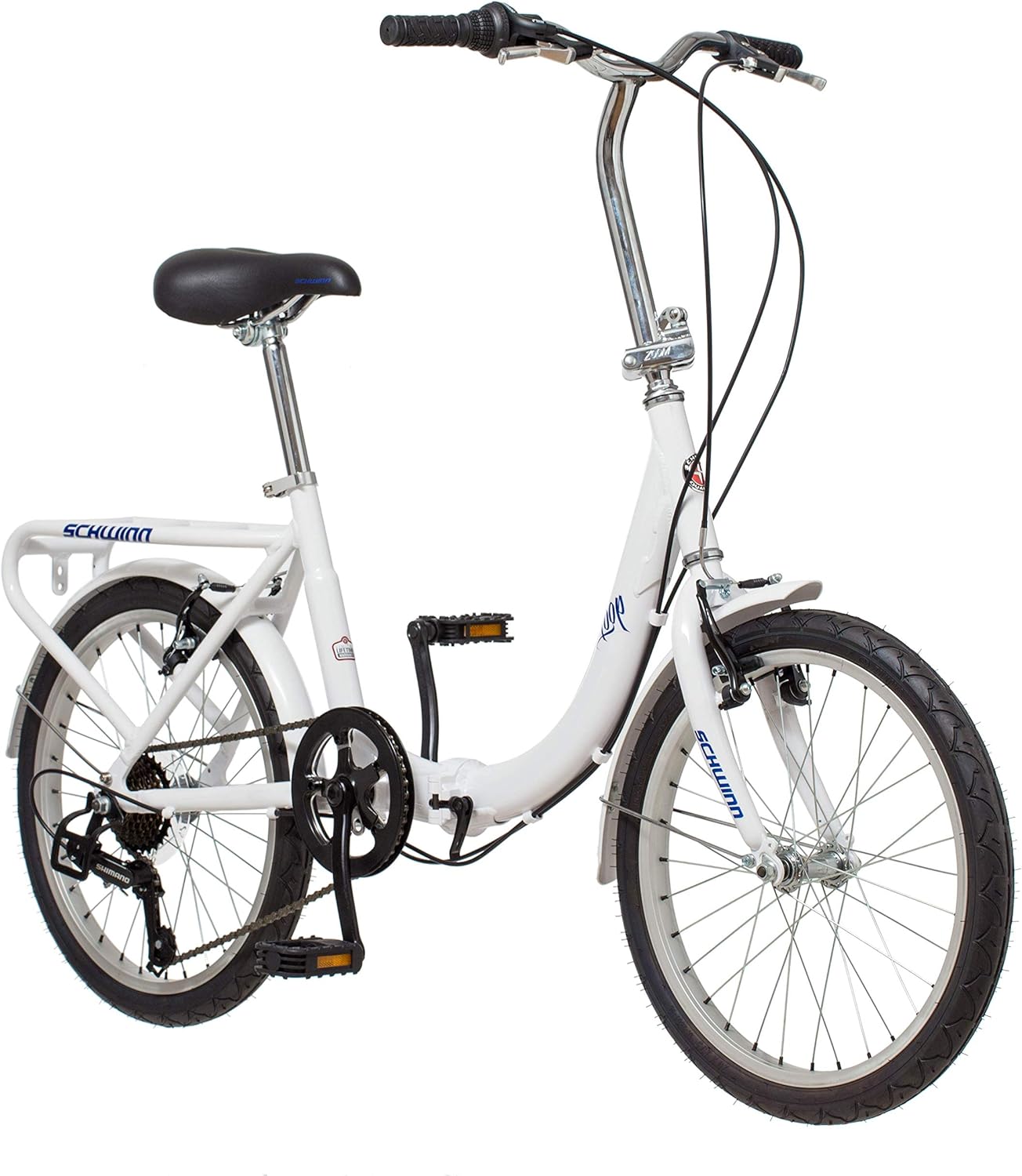
What to Look for When Buying a Folding Ebike
1. Budget & Price Range
Your budget is the foundation of your decision—but it shouldn’t be the only factor. Folding e-bikes span a wide spectrum, and while it’s tempting to go for the cheapest option, skimping on key components can lead to frustration down the road. In 2026, you can find decent entry-level models starting around $400–$600, but these often come with limitations like weaker motors, shorter-range batteries, or less durable frames. Mid-range bikes ($800–$1,500) typically offer the best balance of performance, reliability, and features, while premium models ($1,600+) deliver high-capacity batteries, advanced suspension, premium components, and superior build quality.
When setting your budget, consider not just the upfront cost but also long-term value. A $1,200 bike that lasts five years and requires minimal maintenance is often a better investment than a $600 model that needs frequent repairs or replacement within two years. Also factor in potential add-ons like upgraded locks, lights, fenders, or panniers—many budget bikes don’t include these essentials.
2. Performance Specifications
Performance boils down to three core elements: motor power, battery capacity, and range. Most folding e-bikes in 2026 use hub motors rated between 250W and 750W. In the U.S., 750W is the legal limit for Class 3 e-bikes (which allow speeds up to 28 mph), though many commuter-focused models cap out at 500W for better efficiency and quieter operation. Higher wattage doesn’t always mean better—consider your terrain. If you live in a hilly area, a 500W or 750W motor with good torque will make a noticeable difference. For flat city riding, 250W–350W is often sufficient.
Battery capacity is measured in watt-hours (Wh). A higher Wh rating means longer range. Most folding e-bikes offer batteries between 360Wh and 720Wh. Real-world range varies based on rider weight, terrain, assist level, and weather, but as a rule of thumb: a 400Wh battery might give you 20–30 miles, while a 600Wh+ battery can deliver 40–60 miles. Always check if the battery is removable—this makes charging easier and allows for spare battery swaps on long trips.
Don’t overlook pedal-assist levels and throttle type. Most bikes offer 3–5 PAS (pedal-assist system) levels, plus a thumb or twist throttle. Throttle-only mode is great for quick starts or fatigue relief, but some cities restrict its use—verify local regulations before relying on it heavily.
3. Build Quality & Durability
A folding e-bike takes more abuse than a standard bike—it’s folded, unfolded, carried, stored, and exposed to the elements repeatedly. That’s why frame material and hinge design are critical. Aluminum alloy frames (like 6061 or 7005) are the gold standard: lightweight, rust-resistant, and strong enough for daily use. Avoid cheap steel frames—they’re heavy and prone to corrosion.
Pay close attention to the folding mechanism. Look for double-locking hinges with reinforced pins and secure latches. Test how smoothly it folds and unfolds—some models require awkward contortions or leave sharp edges exposed. A well-designed fold should take under 30 seconds and result in a compact, stable package that’s easy to carry or roll (many include rear wheels for this).
Weld quality, cable routing, and component sourcing also signal durability. Brands that use name-brand drivetrains (Shimano, Tektro), reliable brakes (mechanical or hydraulic disc), and puncture-resistant tires (like Schwalbe or Kenda) tend to build more trustworthy machines. Check for IP ratings if you plan to ride in rain—IPX4 or higher means splash resistance.
4. Features & Functionality
Modern folding e-bikes come packed with features that enhance usability and safety. Essential ones include integrated LED headlights and taillights (preferably with brake activation), fenders to keep you dry, and rear racks for carrying bags or panniers. Some models even include USB charging ports, smartphone mounts, or built-in GPS trackers.
Smart connectivity is becoming more common. Bluetooth-enabled bikes let you adjust settings via app, track rides, lock/unlock remotely, or receive firmware updates. While not essential, these features add convenience—especially if you’re tech-savvy or concerned about theft.
Suspension matters too. Front suspension forks absorb bumps on rough roads, while rear suspension (rare but available on premium models) improves comfort significantly. If you’ll be riding on potholed streets or gravel paths, even basic suspension is worth the extra cost.
Finally, consider tire size. Most folding e-bikes use 16″ or 20″ wheels. Smaller wheels are more compact when folded but offer a rougher ride. 20″ tires strike a great balance—plenty of grip, smoother rolling, and still fold reasonably small. Avoid anything below 16″ unless portability is your absolute top priority.
5. Brand Reputation
Not all e-bike brands are created equal. Established names like Gotrax, Lectric XP, Rad Power Bikes, and Himiway have built reputations through consistent quality, customer service, and community trust. These companies often provide better warranties, clearer documentation, and responsive support teams.
Research customer reviews on independent platforms (not just Amazon or the brand’s site). Look for patterns: Are complaints about battery degradation after six months? Do users report loose hinges or faulty throttles? A few negative reviews are normal, but recurring issues are red flags.
Also consider where the bike is assembled and supported. Brands with U.S.-based service centers or partnerships with local bike shops make repairs and part replacements much easier. Imported bikes from unknown manufacturers may save money upfront but leave you stranded if something breaks.
6. Warranty & Support
A solid warranty is your safety net. In 2026, reputable brands typically offer:
– 1-year comprehensive coverage on frame, motor, and electronics
– 6–12 months on the battery (lithium-ion degrades over time)
– Lifetime frame warranty (on premium models)
Read the fine print: Some warranties void if you modify the bike, use it commercially, or don’t register within 30 days. Also check labor coverage—does the warranty include free repairs, or do you pay for shop time?
Customer support responsiveness is equally important. Can you reach a human quickly? Do they offer video troubleshooting? Brands with active social media support or dedicated help desks (like Lectric’s live chat) score high here.
7. Size & Portability
The whole point of a folding e-bike is portability—so don’t overlook the folded dimensions and weight. Most models fold to roughly 30″ x 18″ x 24″, but some are more compact. If you’ll be taking it on trains, buses, or storing it under a desk, measure your space first.
Weight is crucial too. Entry-level bikes often weigh 40–50 lbs; mid-range models hover around 50–60 lbs; premium ones can hit 65+ lbs due to larger batteries and suspension. If you need to carry it upstairs or lift it frequently, aim for under 55 lbs. Many brands now include ergonomic handles or rear wheels to ease transport.
Test the folded stability—can it stand upright on its own? Does it roll smoothly? A wobbly or top-heavy package defeats the purpose of folding.
8. User Reviews & Ratings
While specs tell part of the story, real-world user feedback reveals the rest. Look beyond star ratings and read detailed reviews that mention daily use scenarios: “I commute 12 miles round-trip in hilly Seattle—range is solid but throttle cuts out on steep climbs.” That’s gold.
Pay attention to long-term reviews (6+ months). Early adopters might praise a bike’s speed, but only time reveals battery longevity, hinge wear, or software bugs. YouTube reviews are especially valuable—they show folding mechanics, ride quality, and unboxing experiences you can’t get from photos.
Avoid bikes with overwhelmingly perfect ratings (often fake) or those with no reviews at all. Authentic feedback includes both praise and constructive criticism.
Different Types of Folding Ebikes
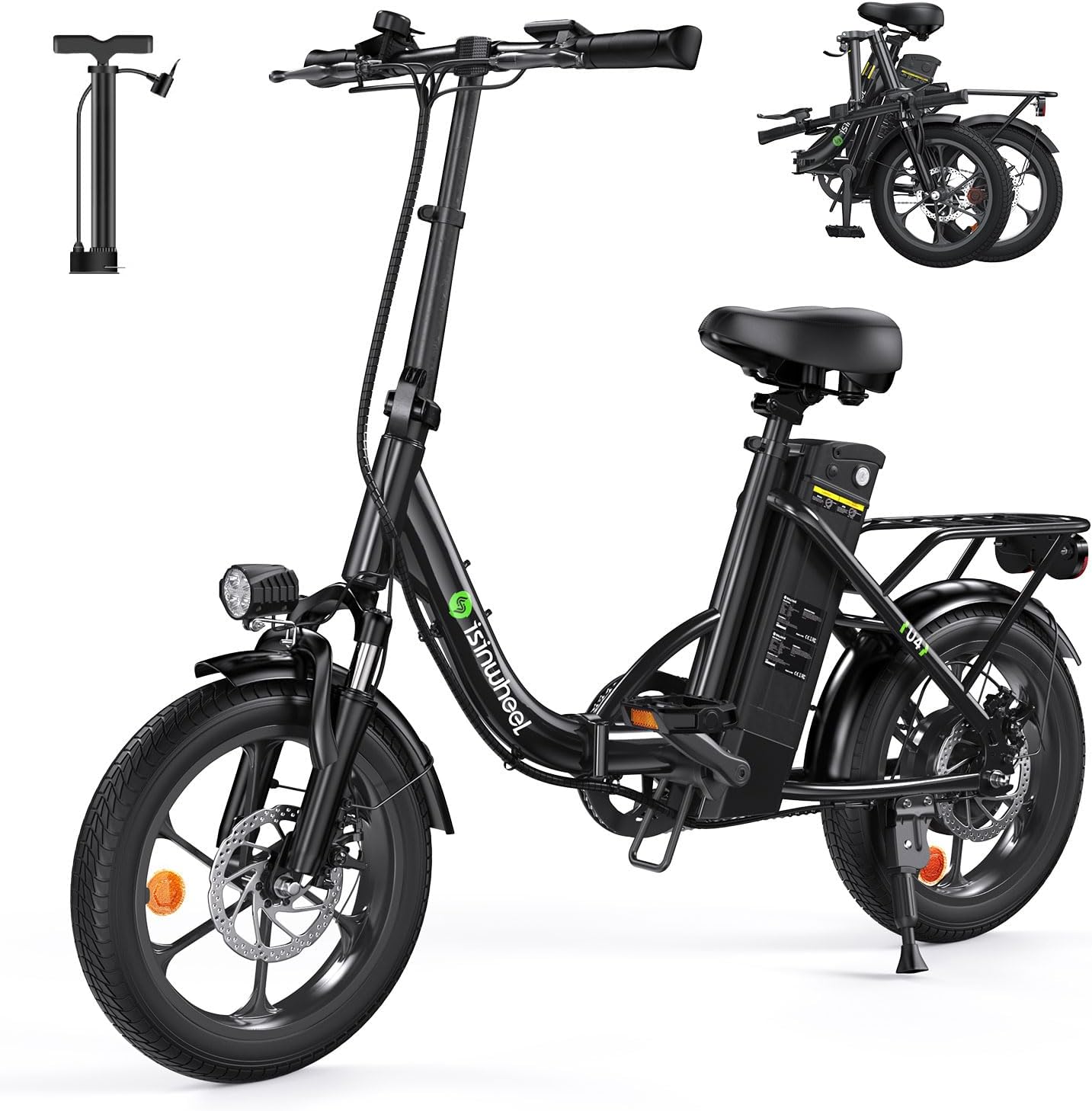
Common Buying Mistakes to Avoid
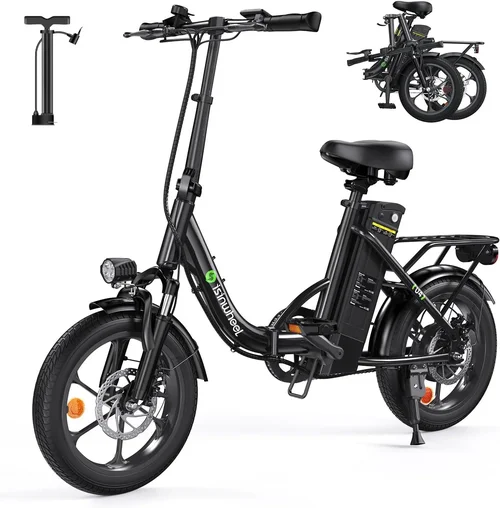
❌ Mistake: Prioritizing Price Over Battery Quality
Why it’s bad: Cheap batteries degrade quickly, lose capacity within months, and may even pose safety risks. A low-cost bike with a 36V 8Ah (288Wh) battery might claim 30-mile range, but realistically delivers 15–20 miles—and half that after a year.
What to do instead: Invest in a bike with a name-brand lithium-ion battery (Samsung, LG, or Panasonic cells). Look for at least 400Wh for moderate commuting, and ensure it’s removable for safe charging and replacement.
❌ Mistake: Ignoring Local E-Bike Laws
Why it’s bad: Regulations vary by state and city. Some areas ban throttles, limit motor power to 750W, or require helmets and registration. Riding an illegal bike could result in fines or confiscation.
What to do instead: Check your local Department of Motor Vehicles or transportation authority website. Most U.S. states follow the three-class system—Class 1 (pedal-assist only, up to 20 mph), Class 2 (throttle-assisted, up to 20 mph), and Class 3 (pedal-assist up to 28 mph). Choose accordingly.
❌ Mistake: Overlooking Weight and Carry Ergonomics
Why it’s bad: A 60-lb bike that’s awkward to carry becomes a burden, not a convenience. Many buyers regret not testing how it feels to lift or roll when folded.
What to do instead: If possible, visit a local dealer or ask the seller if you can test the folded weight and balance. Look for bikes with centered handles and rear wheels—they’re far easier to maneuver in tight spaces.
❌ Mistake: Assuming All Folding Mechanisms Are Equal
Why it’s bad: Poorly designed hinges can loosen over time, creating wobble or even safety hazards. Some require tools to fold—defeating the purpose.
What to do instead: Choose bikes with double-lock hinges, reinforced joints, and tool-free operation. Read user reviews specifically about hinge durability.
❌ Mistake: Skipping the Test Ride
Why it’s bad: Specs don’t tell you how a bike handles. A stiff frame, uncomfortable seat, or jerky throttle can ruin the experience.
What to do instead: Always test ride before buying—even if ordering online, see if the brand offers a trial period or local demo events. Many companies now partner with bike shops for test rides.
❌ Mistake: Neglecting Maintenance Requirements
Why it’s bad: E-bikes need regular upkeep: tire pressure checks, brake adjustments, chain lubrication, and battery care. Ignoring this leads to premature wear.
What to do instead: Learn basic maintenance or find a local shop that services e-bikes. Choose models with accessible components and clear manuals.
❌ Mistake: Buying Based Solely on Marketing Claims
Why it’s bad: Phrases like “up to 60 miles” or “all-terrain ready” are often optimistic best-case scenarios. Real-world performance is usually 20–30% lower.
What to do instead: Cross-reference claims with independent reviews and user forums. Look for consistent feedback across multiple sources.
Budget Guidelines: How Much Should You Spend?
– Entry-Level ($400–$700): What to expect… Basic functionality with compromises. These bikes typically feature 250W–350W motors, 36V 8–10Ah batteries (288–360Wh), and minimal features (no suspension, basic brakes). Ideal for light, flat commutes under 10 miles. Brands like Gotrax and Ancheer dominate this space. Expect shorter lifespans and limited support.
– Mid-Range ($800–$1,500): Sweet spot for most buyers… You’ll find 500W motors, 48V 10–14Ah batteries (480–672Wh), hydraulic or mechanical disc brakes, front suspension, and useful extras like lights and racks. Models like the Lectric XP 3.0 or RadFold offer excellent value here. Most users will be very satisfied in this tier.
– Premium ($1,600–$2,500): For enthusiasts and professionals… Expect high-end components: torque sensors (for smoother pedal assist), full suspension, integrated smart features, premium tires, and robust frames. Bikes like the Himiway C1 or Tern Vektron deliver exceptional ride quality, long range (50+ miles), and durability for daily heavy use.
– Luxury ($2,600+): Top-tier features… These include carbon fiber elements, advanced GPS tracking, app-based customization, ultra-lightweight designs, and extended warranties. Think Brompton Electric or specialized touring models. Only necessary if you demand the absolute best in portability, tech, or prestige.
Expert Tips for Getting the Best Deal
– Buy during off-peak seasons: Winter (January–March) is the best time to find discounts as demand drops. Many retailers clear inventory before spring launches.
– Compare direct-to-consumer vs. retail: Brands like Lectric and Rad sell directly online, often offering better prices and bundles (free accessories). Local bike shops provide service but may charge more.
– Look for referral programs: Some brands give $50–$100 credits for referrals—ask friends who own e-bikes if they’d share their link.
– Check return policies: Aim for at least 14–30 days with free return shipping. Some companies charge restocking fees—read the fine print.
– Bundle wisely: Many brands offer “starter kits” with locks, helmets, and lights. These can save money vs. buying separately.
– Verify warranty registration: Some warranties require online registration within 30 days of purchase. Do it immediately to avoid issues later.
– Consider certified pre-owned: Reputable sellers now offer refurbished e-bikes with warranties—often 20–30% cheaper than new.
– Join owner communities: Facebook groups and Reddit forums (like r/ebikes) often share exclusive promo codes or flash sales.

Frequently Asked Questions
Q: How far can a folding e-bike really go on one charge?
A: Real-world range depends on battery capacity, rider weight, terrain, assist level, and weather. A 500Wh battery typically delivers 25–40 miles. Use the formula: Range ≈ (Battery Wh × 0.8) ÷ (Avg. Wh/mile). For mixed city riding, assume 15–20 Wh/mile.
Q: Are folding e-bikes safe for daily commuting?
A: Absolutely—if you choose a reputable model with quality brakes, lights, and tires. Always wear a helmet, follow traffic laws, and maintain your bike regularly. Many commuters report feeling safer than on regular bikes due to faster acceleration and better visibility.
Q: Can I take a folding e-bike on public transportation?
A: Most buses and trains allow folded e-bikes, but policies vary. Check with your local transit authority. Amtrak, for example, permits folded bikes under 36″ x 24″ x 16″. Some subway systems restrict e-bikes entirely—verify before relying on this.
Q: How often should I charge the battery?
A: Lithium-ion batteries prefer partial charges. Avoid draining to 0% regularly. Charge when it hits 20–30%, and store at 50–60% if not using for weeks. Never leave plugged in overnight after full charge.
Q: Do folding e-bikes require special maintenance?
A: Not really—but the folding mechanism needs occasional lubrication and hinge checks. Keep the battery terminals clean, and ensure bolts are tightened after long rides. Most standard bike shops can service them.
Q: What’s the difference between hub motor and mid-drive on folding e-bikes?
A: Nearly all folding e-bikes use hub motors (in the wheel) because they’re simpler, cheaper, and fit compact frames. Mid-drives (near the pedals) offer better weight distribution and efficiency but are rare in folding designs due to space constraints.
Q: Can I upgrade components later?
A: Some parts like seats, pedals, and lights are easy to swap. Motors and batteries are usually not user-replaceable—check compatibility before investing in upgrades.
Q: Are folding e-bikes waterproof?
A: Most are water-resistant (IPX4), meaning they can handle light rain. Avoid submerging or high-pressure washing. Dry thoroughly after wet rides to prevent corrosion.
Q: How long do folding e-bike batteries last?
A: Quality lithium batteries last 800–1,000 charge cycles, equating to 3–5 years of daily use. Capacity gradually declines—expect 70–80% original range after 3 years.
Q: Is it worth paying extra for a torque sensor?
A: Yes, if you prioritize natural pedal feel. Torque sensors measure how hard you’re pedaling and adjust assist proportionally, unlike basic cadence sensors that only detect motion. It makes riding smoother and more efficient—especially on hills.
Our Final Recommendations
– Best for Budget-Conscious Buyers: Gotrax GXA1 – At under $600, it offers surprising value with a 350W motor, 36V 10.4Ah battery (374Wh), and solid build quality. Great for short, flat commutes. Just don’t expect mountain-bike performance.
– Best Overall Value: Lectric XP 3.0 – Priced around $1,000, it packs a 500W motor, 48V 10.4Ah removable battery (499Wh), hydraulic disc brakes, and front suspension. Its 45-mile range and robust frame make it ideal for most riders.
– Best Premium Option: Tern Vektron S10 – At $2,800, it’s a marvel of engineering: Bosch motor, Gates carbon belt drive (no chain!), integrated lights, and a super-compact fold. Perfect for urban professionals who demand reliability and style.
– Best for Beginners: Rad Power Bikes RadFold – User-friendly interface, excellent customer support, and a balanced spec sheet ($1,499). Includes a throttle, 50+ mile range, and comes fully assembled.
– Best for Advanced Users: Himiway C1 – With a 750W motor, 48V 17.5Ah battery (840Wh), fat tires, and full suspension, this $1,799 beast handles trails and long distances with ease. Ideal for adventurers who won’t compromise.
Conclusion: Making the Right Choice
Choosing the right folding e-bike in 2026 isn’t about finding the “best” bike—it’s about finding the best bike for you. Your daily route, storage space, budget, and riding style should drive your decision far more than specs alone. A student in a studio apartment needs something different than a weekend explorer tackling mountain trails. By focusing on key factors like battery life, build quality, portability, and real user feedback—and avoiding common pitfalls like overspending on unnecessary features or underspending on critical components—you’ll end up with a bike that enhances your life, not complicates it.
Remember: the perfect folding e-bike folds easily, rides confidently, lasts years, and fits seamlessly into your routine. Take your time, do your research, test when possible, and don’t rush into a purchase because of a flashy ad or limited-time offer. The right bike will pay dividends in convenience, joy, and freedom for years to come.
Now that you’re armed with expert knowledge, it’s time to ride. Whether you’re dodging traffic downtown, exploring coastal paths, or simply enjoying the breeze on a quiet morning commute, your ideal folding e-bike is out there—waiting to unfold your next adventure.