
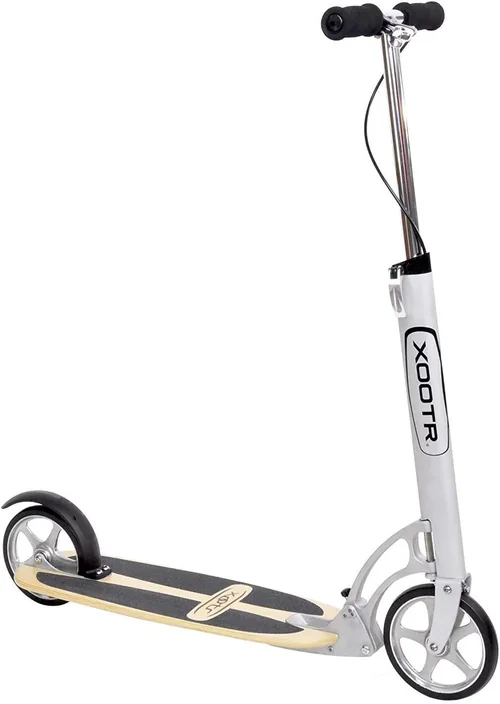
Moped scooters have evolved far beyond their humble beginnings as simple two-wheeled commuter tools. In 2026, they represent a smart, sustainable, and surprisingly versatile mode of transportation for adults navigating busy city streets, college campuses, or suburban neighborhoods. Whether you’re looking to reduce your carbon footprint, dodge traffic jams, or simply enjoy the open-air freedom of riding, a moped scooter can be a game-changer. But with so many models flooding the market—ranging from budget-friendly electric options to high-performance gas-powered machines—choosing the right one can feel overwhelming.
This comprehensive buying guide is designed to cut through the noise and help you make an informed decision. We’ll walk you through every critical factor you need to consider, from performance specs and build quality to warranty coverage and real-world user experiences. By the end of this article, you’ll know exactly what to look for, what to avoid, and how to find the best moped scooter for your lifestyle, budget, and riding needs. Whether you’re a first-time buyer or upgrading from an older model, this guide will equip you with expert-level knowledge to choose confidently.
The moped scooter market in 2026 is more diverse and competitive than ever. Electric models are dominating due to advances in battery technology, environmental awareness, and lower operating costs, while traditional gas-powered scooters still hold appeal for those needing longer range and quicker refueling. Brands like Gotrax, Vespa, Honda, Yamaha, and Segway-Ninebot are pushing innovation with features like smartphone integration, regenerative braking, anti-theft systems, and even AI-assisted ride modes. With prices ranging from under $500 to over $5,000, there’s a scooter for nearly every budget and use case. This guide will help you navigate that spectrum with clarity and confidence.

What to Look for When Buying a Moped Scooter
1. Budget & Price Range
Your budget is the foundation of your purchasing decision. Moped scooters vary dramatically in price, and understanding what you’re getting at each tier is essential. Entry-level electric scooters can start as low as $300–$500, offering basic functionality for short commutes. Mid-range models ($600–$1,200) typically include better batteries, improved suspension, and more durable frames. Premium scooters ($1,500–$3,000) often feature advanced electronics, higher top speeds, and superior build quality. Luxury or performance-oriented models can exceed $4,000, especially if they’re gas-powered or designed for off-road use.
When setting your budget, don’t just consider the upfront cost. Factor in long-term expenses like maintenance, insurance (if required in your area), charging or fuel costs, and potential upgrades. For example, a $400 electric scooter might seem like a steal, but if it breaks down after six months and lacks warranty support, it could end up costing more than a $900 model with a two-year warranty. Always aim for the best value within your price range—not necessarily the cheapest option.
2. Performance Specifications
Performance is where many buyers get tripped up by marketing hype. Don’t just focus on top speed—consider the full picture. Key specs include motor power (measured in watts), battery capacity (in watt-hours or amp-hours), range per charge, top speed, and hill-climbing ability. For electric scooters, a 250W motor is typical for city commuting, while 500W–800W motors handle hills and heavier riders better. Gas-powered scooters often list engine displacement in cc (cubic centimeters); 50cc models are common for mopeds, while 150cc+ scooters offer motorcycle-like performance.
Range is especially important. A scooter advertised with a “25-mile range” might only achieve 15–18 miles in real-world conditions due to wind, terrain, rider weight, and speed. Always check independent reviews for real-world range tests. Also, consider acceleration—some scooters feel sluggish from a stop, which can be dangerous in traffic. If you plan to ride on hills, look for models with torque-rich motors and good weight distribution.
3. Build Quality & Durability
A scooter is only as good as its construction. Look for a sturdy frame made from aluminum alloy or reinforced steel—avoid plastic-heavy builds that feel flimsy. Check the quality of welds, hinges, and folding mechanisms (if applicable). The suspension system matters too: front suspension is standard, but dual suspension (front and rear) provides a smoother ride on rough roads. Tires are another durability factor—pneumatic (air-filled) tires offer better shock absorption than solid rubber, but they’re prone to punctures. Some newer models use honeycomb or airless tires as a compromise.
Weather resistance is also key. While most scooters aren’t fully waterproof, they should at least be water-resistant (IPX4 or higher rating) to handle light rain. Avoid riding in heavy downpours regardless, but a scooter with sealed electronics and rust-resistant components will last longer. Pay attention to user reports about long-term reliability—brands with a track record of durable designs (like Honda or Vespa) often justify higher prices with longevity.
4. Features & Functionality
Modern moped scooters come packed with features that enhance safety, convenience, and ride quality. Essential features include bright LED headlights and taillights, brake lights, turn signals (on higher-end models), and a clear digital display showing speed, battery level, and trip data. Some scooters offer Bluetooth connectivity, allowing you to lock/unlock the scooter, track rides, or update firmware via a smartphone app.
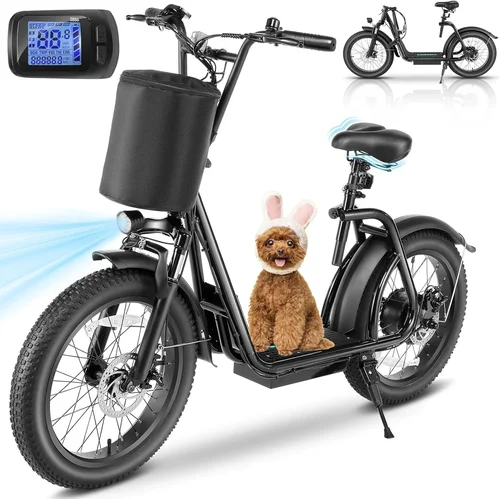
Security features are increasingly important. Look for built-in alarms, GPS tracking, and keyless ignition. Anti-theft wheel locks or removable batteries add extra peace of mind. For comfort, consider ergonomic handlebars, adjustable seats (on seated models), and cruise control—especially useful for long rides. Storage is another practical feature: under-seat compartments, front baskets, or rear racks can make errands easier.
5. Brand Reputation
Not all scooter brands are created equal. Established names like Honda, Yamaha, and Vespa have decades of engineering experience and global service networks. They may cost more upfront, but their reliability, parts availability, and resale value often justify the investment. Emerging brands like Gotrax, Segway, and NIU offer competitive pricing and innovative features but may lack long-term track records.
Research brand reputation by reading professional reviews, checking forums like Reddit’s r/scooters, and looking at customer service responsiveness. A brand that honors warranties promptly and provides clear manuals and troubleshooting guides is worth prioritizing. Avoid unknown brands with no online presence or customer support—these are red flags for potential scams or poor quality control.
6. Warranty & Support
A strong warranty is a sign of manufacturer confidence. Most reputable brands offer at least a one-year limited warranty covering defects in materials and workmanship. Premium brands may extend this to two or three years. Pay attention to what’s covered: batteries often have separate warranties (e.g., 6–12 months), and wear items like tires or brakes may be excluded.
Customer support matters just as much. Can you easily reach a human being? Is there a local service center? Do they offer replacement parts? Some brands provide online chat, detailed FAQs, and video tutorials—others leave you stranded. Before buying, check the brand’s support page and read user experiences about repair times and costs.
7. Size & Portability
If you need to carry your scooter upstairs, store it in a small apartment, or take it on public transit, portability is crucial. Folding electric scooters are ideal for this—look for models that fold compactly and weigh under 35 pounds. However, folding mechanisms can be weak points; test the latch and hinges for sturdiness.
Seated vs. stand-up designs also affect portability. Stand-up scooters are lighter and easier to carry but less comfortable for long rides. Seated mopeds offer more comfort and storage but are bulkier. Consider your daily routine: if you’re hopping on and off frequently, a lighter, foldable model may be better. If you’re commuting 5+ miles, comfort and stability should take priority.
8. User Reviews & Ratings
Never rely solely on manufacturer claims. User reviews reveal real-world performance, common issues, and long-term reliability. Look for patterns: if multiple users report the same problem (e.g., battery degradation after 6 months), it’s likely a design flaw. Sites like Amazon, Best Buy, and specialized forums provide honest feedback.
Pay attention to verified purchase reviews and detailed write-ups with photos or videos. Be wary of overly positive reviews that sound scripted—these may be fake. Instead, focus on balanced reviews that mention both pros and cons. Also, check recent reviews; scooter models often get updated yearly, so a 2024 review may not reflect the 2026 version.
Different Types of Moped Scooters

Common Buying Mistakes to Avoid
❌ Mistake: Prioritizing Price Over Quality
Why it’s bad: The cheapest scooter often comes with cut corners—weak motors, poor batteries, flimsy frames, and no warranty. These models may fail within months, leaving you stranded and out of pocket.
What to do instead: Invest in a mid-range model from a reputable brand. You’ll save money long-term through reliability, lower repair costs, and better resale value.
❌ Mistake: Ignoring Real-World Range Claims
Why it’s bad: Manufacturers often test range under ideal conditions (flat terrain, light rider, slow speed). In reality, wind, hills, and heavier loads reduce range significantly.
What to do instead: Assume real-world range is 20–30% lower than advertised. If you need 15 miles, buy a scooter rated for 20+ miles.
❌ Mistake: Overlooking Local Laws and Regulations
Why it’s bad: Some areas require licenses, registration, or helmets for scooters over certain speeds. Riding illegally can result in fines or confiscation.
What to do instead: Check your city, state, or country’s regulations before buying. Electric scooters under 20 mph are often classified as “low-speed vehicles” with fewer restrictions.
❌ Mistake: Skipping the Test Ride
Why it’s bad: Comfort and handling vary widely. A scooter that looks great online might feel unstable, too stiff, or poorly balanced in person.
What to do instead: Visit a local dealer or rental service to test ride models. Pay attention to seat comfort, handlebar height, and braking responsiveness.
❌ Mistake: Neglecting Maintenance Needs
Why it’s bad: Even electric scooters need maintenance—tire pressure, brake adjustments, battery care. Gas scooters require oil changes and tune-ups.
What to do instead: Factor in maintenance time and cost. Choose a scooter with accessible parts and clear service instructions.
❌ Mistake: Buying Based on Looks Alone
Why it’s bad: A stylish scooter with weak performance or poor durability will disappoint quickly.
What to do instead: Focus on specs, build quality, and user feedback first. Style should be a bonus, not the main criterion.
❌ Mistake: Ignoring Battery Type and Lifespan
Why it’s bad: Lithium-ion batteries degrade over time. Cheap batteries may lose 30% capacity in a year, reducing range.
What to do instead: Choose scooters with high-quality lithium batteries (e.g., Samsung, LG cells) and check warranty coverage for battery replacement.
Budget Guidelines: How Much Should You Spend?
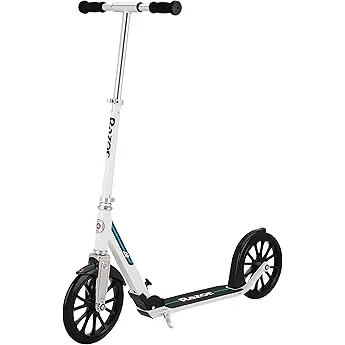
Entry-Level ($300–$600): These are ideal for short, flat commutes under 5 miles. Expect basic features, modest range (8–12 miles), and lightweight builds. Brands like Gotrax and Razor dominate this space. Great for students or occasional riders, but not built for daily heavy use.
Mid-Range ($600–$1,200): This is the sweet spot for most adult buyers. Scooters in this range offer reliable performance, 15–25 mile ranges, better suspension, and improved safety features. Models like the Segway Ninebot MAX or NIU KQi3 are excellent examples. They balance cost, quality, and functionality.
Premium ($1,200–$2,500): Designed for serious commuters and enthusiasts. These scooters feature high-capacity batteries, powerful motors, advanced electronics, and durable construction. Expect ranges of 25–40 miles, speeds up to 25–30 mph, and premium materials. Great for daily use in hilly areas or longer commutes.
Luxury ($2,500+): Top-tier models from brands like Vespa, BMW, or high-end electric manufacturers. These offer motorcycle-level performance, luxury finishes, extensive warranties, and cutting-edge tech. Ideal for those who want the best in comfort, style, and performance—and are willing to pay for it.
Expert Tips for Getting the Best Deal
1. Buy During Off-Peak Seasons: Scooter sales peak in spring and summer. Shop in late fall or winter for discounts on current-year models.
2. Compare Online and In-Store Prices: Online retailers often have lower prices, but local dealers may offer free assembly, test rides, or bundled accessories.
3. Look for Bundles and Accessories: Some sellers include helmets, locks, or phone mounts at no extra cost—these can save $50–$100.
4. Check Refurbished or Open-Box Options: Certified refurbished scooters from reputable sellers come with warranties and can cost 20–40% less.
5. Read the Fine Print on Warranties: Ensure the warranty covers both parts and labor, and confirm how claims are processed.
6. Test Before You Buy: If possible, rent a similar model for a day to evaluate comfort and performance.
7. Join Owner Communities: Forums and Facebook groups often share exclusive discount codes or early access to sales.
8. Consider Financing Options: Some retailers offer 0% APR financing for 6–12 months, making premium models more accessible.

Frequently Asked Questions
Q: Do I need a license to ride a moped scooter?
A: It depends on your location and the scooter’s specs. In the U.S., electric scooters under 20 mph typically don’t require a license, but gas-powered 50cc scooters often do. Always check local laws.
Q: How long do electric scooter batteries last?
A: Most lithium-ion batteries last 300–500 charge cycles, equating to 2–4 years with daily use. Proper care (avoiding full discharges, storing at 50% charge) can extend lifespan.
Q: Can I ride a scooter in the rain?
A: Light rain is usually fine if the scooter has an IPX4 or higher rating. Avoid deep puddles, heavy downpours, and wet brakes, which reduce stopping power.
Q: Are electric scooters safe?
A: When used responsibly—wearing a helmet, following traffic rules, and maintaining the scooter—they are safe. However, high speeds and poor road conditions increase risk.
Q: How fast can moped scooters go?
A: Most electric scooters max out at 15–20 mph. High-performance models reach 25–30+ mph. Gas scooters can go 30–45 mph depending on engine size.
Q: Can I take my scooter on public transit?
A: Many buses and trains allow folding scooters, but policies vary. Check with your local transit authority.
Q: What’s the difference between a moped and a scooter?
A: Traditionally, mopeds have pedals and small engines (50cc), while scooters have step-through frames and larger engines. Today, the terms are often used interchangeably, especially for electric models.
Q: How do I maintain my scooter?
A: Regularly check tire pressure, clean the deck, inspect brakes, and keep the battery charged between 20–80% for longevity. Gas scooters need oil changes and air filter replacements.
Q: Can I upgrade my scooter’s battery?
A: Some models allow battery upgrades, but it may void the warranty. Check with the manufacturer first.
Q: What should I do if my scooter breaks down?
A: Contact the manufacturer or retailer under warranty. For out-of-warranty issues, find a certified repair shop or DIY if you’re experienced.
Our Final Recommendations
Best for Budget-Conscious Buyers: Gotrax GXL V2 – At under $400, it offers solid performance, 15-mile range, and reliable build quality for short commutes.
Best Overall Value: Segway Ninebot MAX G30LP – Priced around $800, it delivers 40-mile range, excellent durability, and top-tier safety features.
Best Premium Option: NIU KQi3 Pro – With a 45-mile range, app integration, and sleek design, it’s perfect for tech-savvy commuters willing to spend $1,200.
Best for Beginners: Razor E300 – Simple, affordable, and easy to ride, ideal for first-time scooter users.
Best for Advanced Users: Dualtron Thunder 2 – A high-performance beast with 70+ mph top speed, dual motors, and off-road capability—ideal for enthusiasts.
Conclusion: Making the Right Choice
Choosing the best moped scooter for adults in 2026 isn’t just about picking the fastest or cheapest model—it’s about finding the right balance of performance, comfort, durability, and value that fits your lifestyle. By considering factors like budget, range, build quality, and local regulations, you can avoid common pitfalls and invest in a scooter that serves you well for years to come.
Remember, the best scooter is the one you’ll actually use. A high-end model sitting in your garage isn’t helpful, but a reliable mid-range scooter that gets you to work, school, or the store every day is worth its weight in gold. Take your time, do your research, test ride when possible, and prioritize your real-world needs over flashy specs.
Whether you’re reducing your carbon footprint, saving on gas, or simply enjoying the thrill of the ride, a moped scooter can be a smart, fun, and practical addition to your life. Use this guide as your roadmap, and ride confidently into the future.